Imagine walking through a crowded city where ancient rituals unfold next to glass skyscrapers, where generations debate over family dinner tables about values that seem worlds apart. That’s the reality for millions of people living in nations caught between their deep cultural roots and the relentless pull of modernity. Some things never change, or do they?
Political violence has risen by 15 percent compared to 2023, and across several nations, the friction between old and new ways of life intensifies every year. These aren’t just abstract debates happening in academic circles. Real people face real dilemmas every single day about how to honor their heritage while embracing progress. The tension plays out in courtrooms, living rooms, and public squares.
Let’s explore five countries where this cultural tug of war feels most intense right now.
Japan: When Ancient Honor Meets Digital Overwork
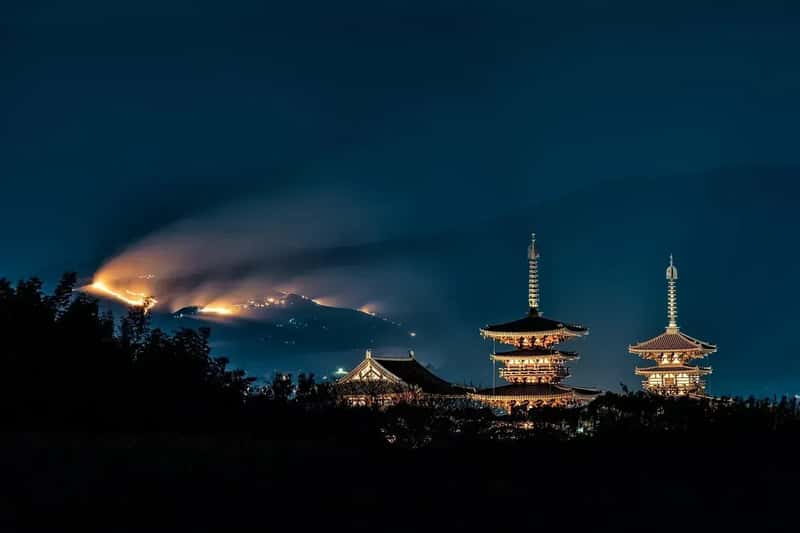
The introduction of telephones, television, airplanes, mass communication, bureaucratic institutions, and computer control systems transformed ways of thinking, patterns of behavior, and world views. Japan stands as perhaps the most fascinating paradox on this list. Walk through Tokyo and you’ll see salarymen bowing respectfully to colleagues before rushing to catch trains that arrive with clockwork precision.
Introducing western elements into non-Western countries sometimes causes serious friction and tension with traditional culture. The country successfully modernized at breakneck speed, yet many Japanese still feel the weight of preserving centuries old customs. Think about it: nowhere else do people balance bullet trains and tea ceremonies quite like this. Younger generations increasingly question why they should sacrifice personal happiness for corporate loyalty, a notion their grandparents would have found unthinkable.
India: Family Ties Versus Individual Dreams
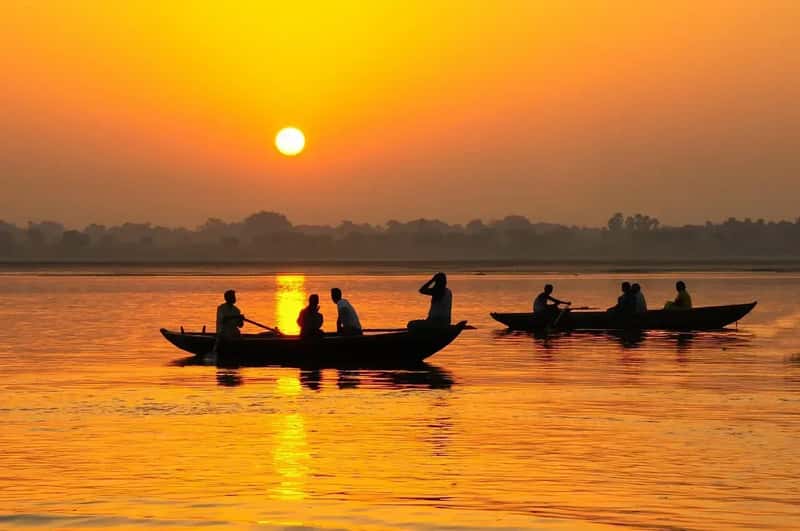
In 2024, India’s society and culture stand at a crossroads, where tradition meets modernity, and the old intertwines with the new. This massive nation of over a billion people wrestles daily with competing visions of what it means to be Indian. Traditional joint family systems, where multiple generations live under one roof, are giving way to nuclear families in urban centers.
With modernization, globalization, and technological advancements, Indian society has undergone significant transformations, leading to a shift in values. Women’s roles have evolved dramatically, though not without resistance. Modern values advocate for gender equality, allowing women to pursue education, careers, and leadership roles, while laws and policies promoting women’s rights such as equal pay and protection against harassment are gaining prominence. Meanwhile, arranged marriages persist even in educated urban families, creating fascinating negotiations between parental expectations and personal choice.
The expectations set by American firms often clash with Indian cultural norms, as Indian work culture traditionally values relationships and teamwork while the imported capitalist model tends to prioritize efficiency and individual performance. The collision between Western corporate culture and Indian values adds another layer of complexity to everyday working life.
Saudi Arabia: Vision 2030 and the Speed of Change
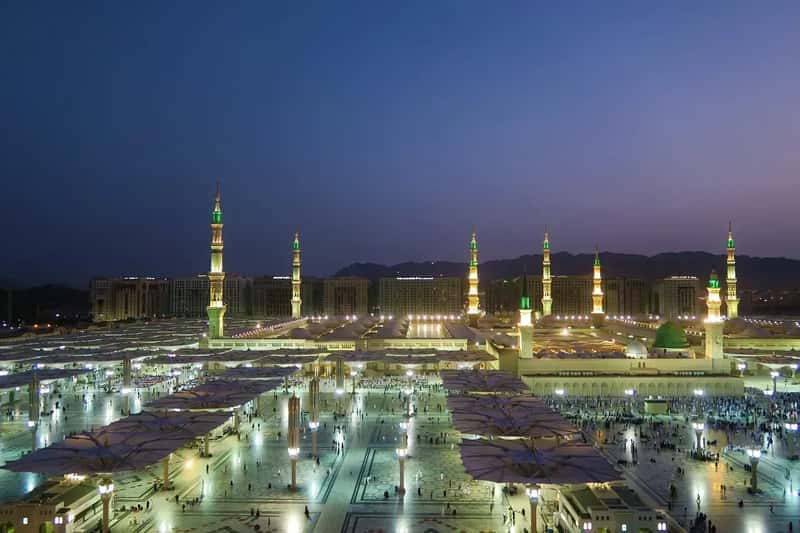
Saudi Vision 2030 is a government program launched in April 2016 by the Saudi government and Crown Prince Mohammed bin Salman to increase diversification economically, socially, and culturally within Saudi Arabia. Few countries have attempted social transformation as ambitious and rapid as what’s happening in the Kingdom right now. Women were for the first time allowed into Riyadh’s King Fahd International Stadium for entertainment events, and Saudi Arabia lifted its 35 year moratorium on the construction of new movie theaters in the country.
The report finds that 85 percent of the 1,502 total initiatives are completed or on track, with 674 fully completed as of 2024. Still, not everyone celebrates these changes equally. Young professionals and progressive citizens support the project as necessary reform for economic diversification, while older and conservative religious communities express concerns about potential cultural and religious implications.
The modernization launched by Crown Prince Mohammed bin Salman addresses multiple national and regional challenges, illustrating an authoritarian liberalization. The speed at which things are changing leaves many Saudis feeling whiplashed, uncertain whether they’re witnessing genuine progress or losing something essential to their identity.
Iran: Youth Rebellion in the Digital Age
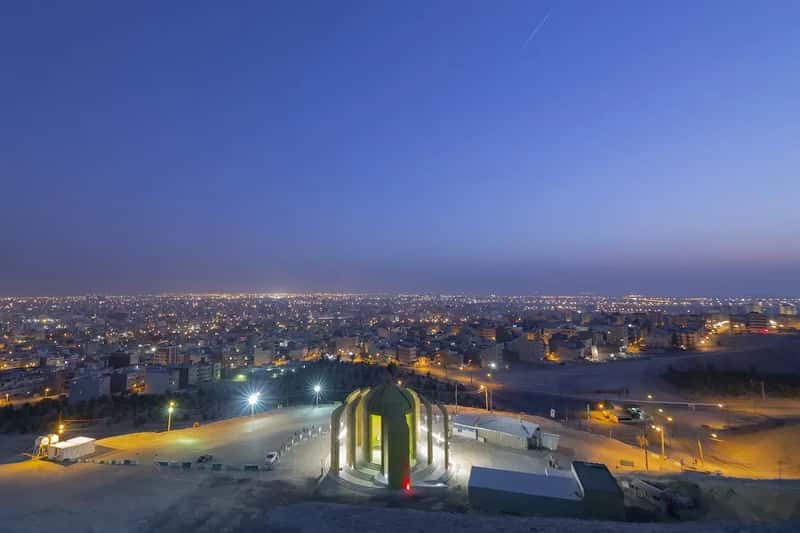
In the wake of Mahsa Jina Amini’s death, women and young Iranians embodied the rage against the government, crying out for personal autonomy regarding their dress, self expression, and faith, with workers’ unions, ethnic and religious minorities, and other marginalized groups standing in solidarity. The tension between Iran’s theocratic government and its predominantly young population has reached a boiling point in recent years.
This growing countercultural environment of the past forty years, along with unprecedented access to the outside world, has primed a new generation to reject the Islamic regime, as Iran’s Gen Z has been exposed to the knowledge and ideas of the outside world through the internet and satellite TV. Here’s what makes Iran unique: roughly half the population is under thirty, and rigid restrictions have spawned an underground social culture despite stiff penalties, as drinking or dancing can lead to arrest by the morality police and punishment of 70 lashes.
Unemployment among youth aged 15 to 24 stood at approximately 20.1 percent in urban areas, while international datasets estimate Iran’s youth unemployment rate at around 22 to 23 percent in 2024. Economic frustration compounds the social restrictions, creating a powder keg of discontent. Young Iranians use VPNs and encrypted apps to communicate, organize protests, and share their reality with the world, despite government attempts to silence them.
Australia: Indigenous Recognition Meets Modern Politics
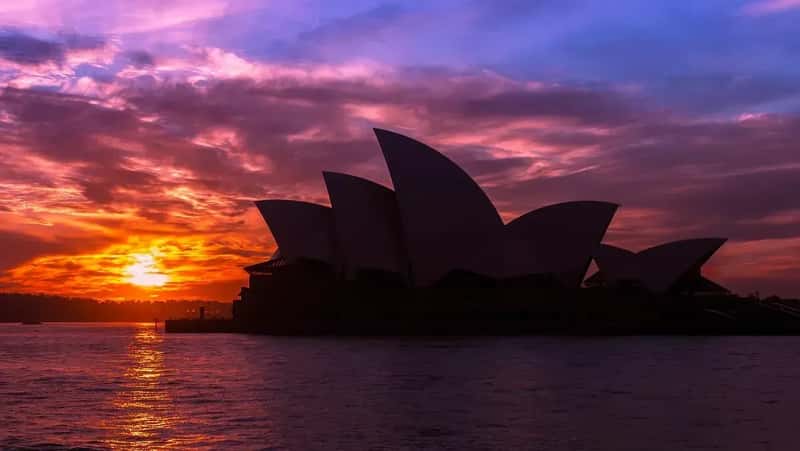
Since the defeat of the 2023 Australian Indigenous Voice referendum, there has been a significant calls reignited from conservative politicians and commentators to oppose or scale down Indigenous Reconciliation. Australia might surprise you on this list, but the country faces its own profound clash between honoring First Nations traditions and navigating contemporary political realities. The defeat of the Indigenous Voice referendum revealed deep divisions about how to acknowledge traditional custodians while moving forward as a nation.
Racial Harmony Day in Singapore commemorates the nation’s success in achieving racial harmony, serving as a reminder about the importance of maintaining racial and religious harmony in multicultural society. Neighboring countries have found different approaches to managing cultural diversity, making Australia’s struggles particularly visible by comparison. Traditional Aboriginal customs, including Welcome to Country ceremonies, have become flashpoints in broader debates about national identity and historical reconciliation.
The question isn’t whether these rituals matter. The question is whether a modern nation can genuinely integrate ancient wisdom into its identity or if it will forever remain symbolic window dressing. Many younger Australians embrace Indigenous culture enthusiastically, while others view increased recognition as divisive, creating generational rifts within families.
Finding Balance in an Unbalanced World

These five countries remind us that modernization isn’t a smooth, predictable process. It’s messy, uncomfortable, and deeply personal. People don’t abandon traditions easily, nor should they necessarily have to. The most successful societies might be those that figure out how to carry forward what matters most while releasing what holds them back.
Even if modernization is necessary to improve human life, it will be indispensable for Eastern nations to maintain their traditional cultures too, as traditional cultures need neither to reject modernization nor to be absorbed in the streams of modernization, with these two harmonizing and complementing each other. That wisdom feels increasingly relevant as we watch nations worldwide navigate these choppy waters.
What strikes you most about these cultural battles? Have you witnessed similar tensions in your own community? The conversation is far from over.