The sun-bleached stones of Greece tell stories that stretch back millennia, but most travelers only skim the surface of this ancient tapestry. While Santorini draws millions with its Instagram-perfect sunsets, Greece boasts more than 6,000 islands and islets throughout the Aegean and Ionian Seas. Hidden among these scattered jewels are places where myth and reality blur like heat waves over ancient marble. These islands don’t just preserve mythology in museums – they breathe it into the Mediterranean air, where gods once walked, and legends were born.
Kythira: Where Aphrodite First Kissed the Sea
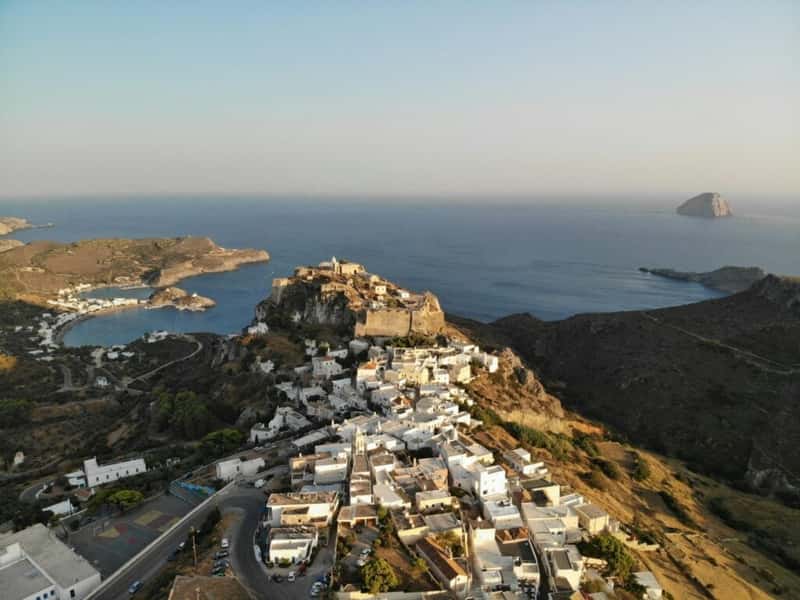
Far from the crowded paths of famous islands lies Kythira, where the goddess of love herself supposedly emerged from the foam. According to the Theogony of Hesiod, Aphrodite was born in the foam of the sea of Kythira, when the genitals that Saturn cut off from his father Uranus fell on her. In modern times, Kythira’s mythological legacy endures through annual festivals and tourism branding as the “Island of Aphrodite”. In 2024 alone, the island saw a modest uptick in visitors, yet it remains a sanctuary for those seeking solitude over selfie-stick crowds. The legendary Baths of Aphrodite are a picturesque bay lined with palm trees, where visitors can still swim in waters that mythology claims first touched the goddess of beauty.
Delos: Apollo’s Sacred Birthplace Where Time Stands Still
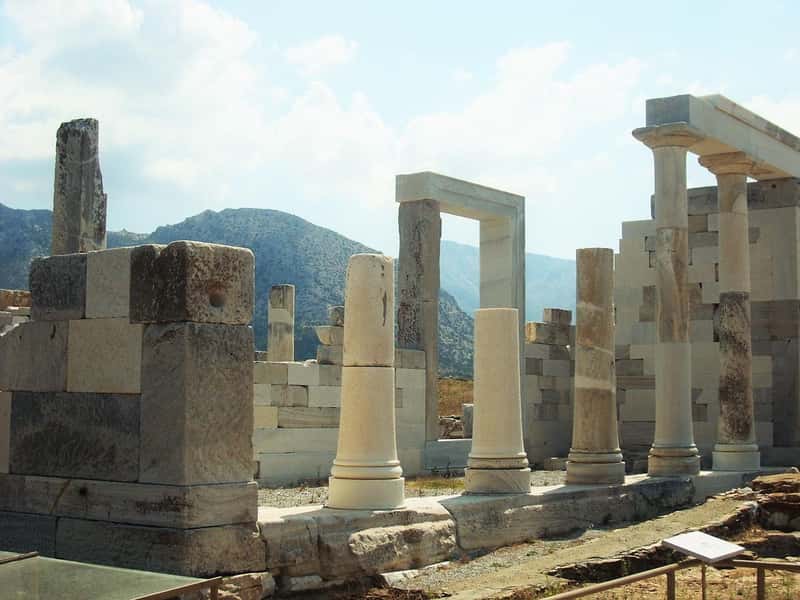
Just thirty minutes by ferry from party-focused Mykonos lies one of Greece’s most profound archaeological treasures. According to Greek mythology, Apollo was born on this tiny island in the Cyclades archipelago. Apollo’s sanctuary attracted pilgrims from all over Greece, and Delos was a prosperous trading port. In 1990, UNESCO added Delos to the World Heritage List, citing its exceptional archaeological site, which “conveys the image of a great cosmopolitan Mediterranean port”. Today, the island maintains its serenity all to itself, as no one is allowed to stay overnight on the island except for caretakers and archaeologists who continue to uncover its ancient secrets. Those who would like to explore the island and pay tribute to its magnificent history are allowed to do so, but only as part of day trips.
Nisyros: The Volcanic Isle of Sleeping Giants
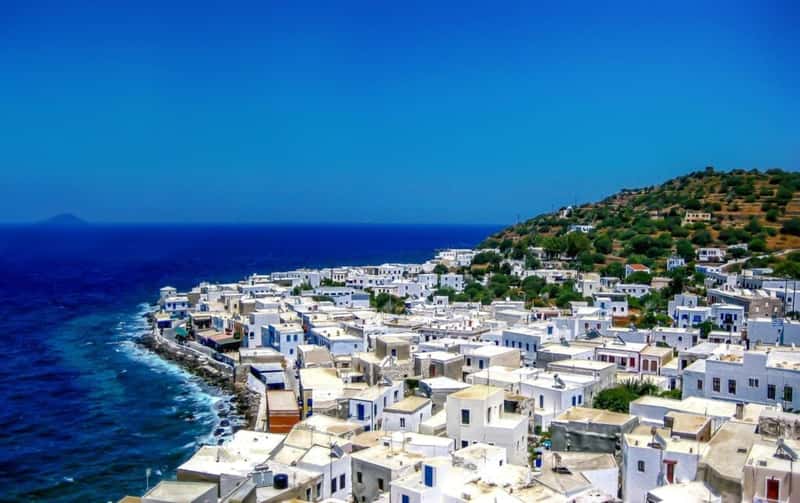
This lesser-known Dodecanese island carries one of mythology’s most dramatic origin stories. As Nat Geo put it, it was ‘Poseidon who seized a chunk of Kos and hurled it on top of a fiery Titan called Polyvotis’, resulting in the creation of Nisyros. Its volcanic heart still smolders, puffing whispers of steam from a crater said to trap a sleeping giant. In fact, one could argue it’s one of the most picturesque towns in all of Greece’s islands. Lined with multi-colored homes, Byzantine churches, and sun-drenched waterfront tavernas, this is the type of laid-back Mediterranean paradise we’ve all dreamt of visiting. The island remains refreshingly uncrowded, offering visitors a chance to experience authentic Greek island life away from tourist masses.
Ikaria: The Blue Zone Where Icarus Fell and Longevity Reigns
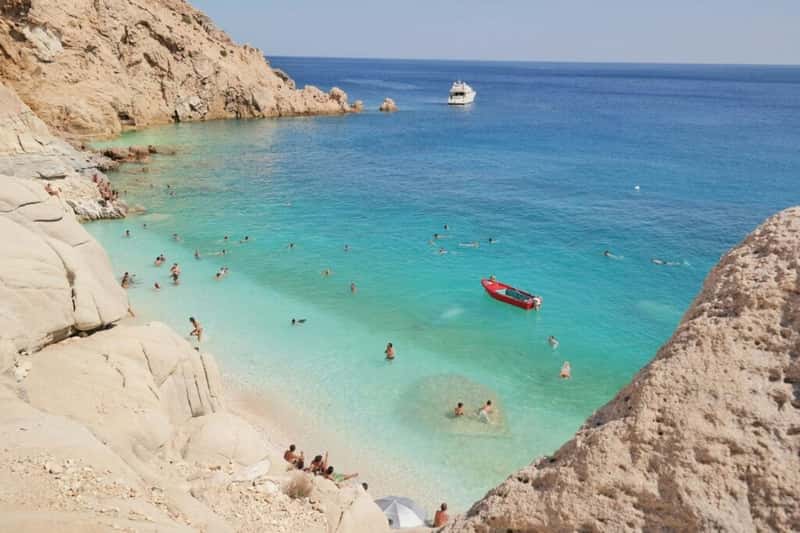
Named after the mythological figure who flew too close to the sun, Ikaria has become famous for entirely different reasons in recent years. It’s one of the world’s five official “Blue Zones,” places where longevity isn’t rare – it’s expected. You might visit the cliff, said to mark Icarus’s tragic fall. Or sit in a vineyard sipping wine made as it was in Homer’s day. Ikaria, the island that keeps its secrets close and its visitors forever changed. The island’s mythological connection runs deep through its landscape, where ancient traditions of winemaking and slow living continue unchanged.
Corfu: Homer’s Island of the Phaeacians
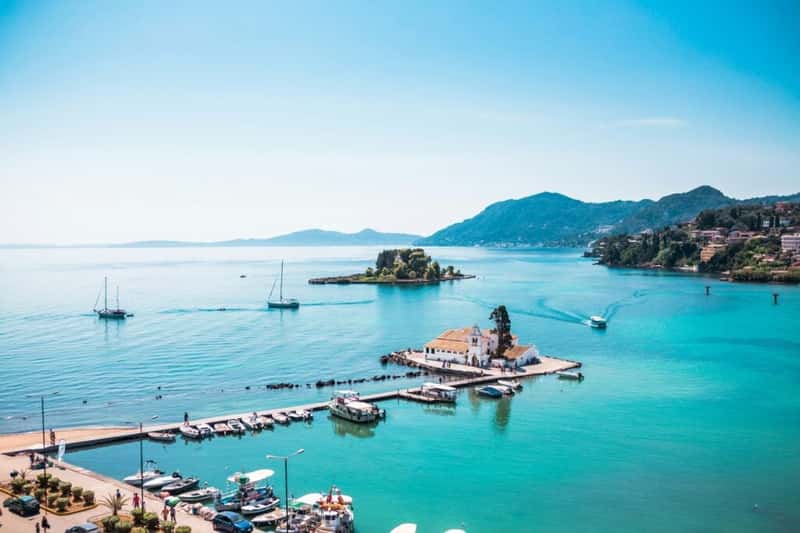
This Ionian island has captivated travelers since ancient times with its lush landscapes and mythological connections. Fans of Greek mythology will be especially excited by Corfu’s ties to Greek history and folklore, as the city is rumored to be the very Island of Scheria from Homer’s Odyssey. Lush green tree canopies and vibrant blue waters await you in the port of Corfu. You can feel the influence of ancient Venetians throughout the city, with ornate facades, marble statues, and looming columns that make you feel like you’re in Rome. The island successfully blends its mythological heritage with stunning Venetian architecture, creating a unique atmosphere where ancient stories feel remarkably alive.
Crete: The Labyrinth of the Minotaur Lives On
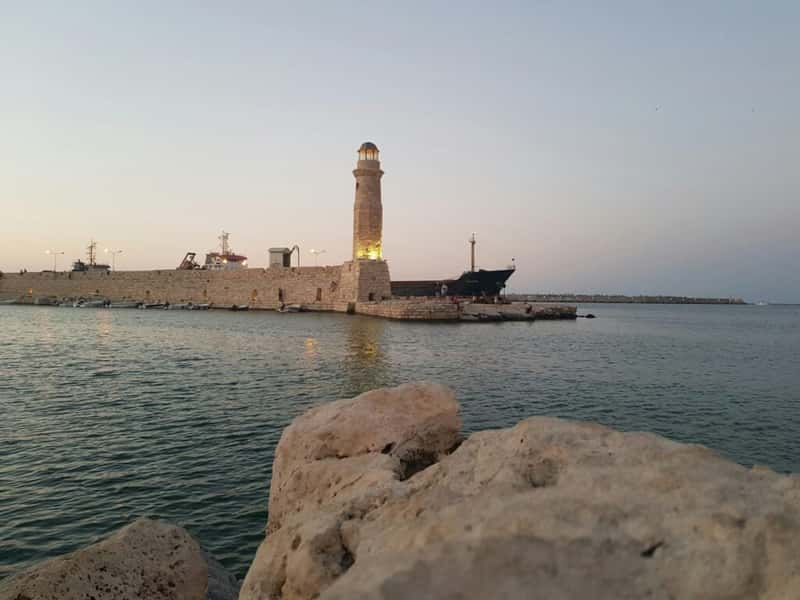
The largest Greek island is Crete, where the most famous monster of Greek mythology once stalked through an underground maze. With architecture from the 13th century, you can see marvels such as Venetian-style buildings and the Minoan palace of Knossos, famed for its housing of the Minotaur in Greek mythology. You could spend a week chasing Zeus through mythological caves or wandering fresco-filled Minoan palaces like Knossos. Or simply hike the Samaria Gorge and let silence be your guide. The epic cleft of Samaria Gorge beckons hiking pilgrims annually. Throw in the island’s superb food, beaches, and history, from the Minoan Palace of Knossos to memories of Venetian, Byzantine, Moorish, and Ottoman settlers.
These mythological islands prove that Greece’s true magic lies not in its most famous destinations, but in the quieter corners where ancient stories still pulse through everyday life. Greece saw a record number of tourists last year: over 32 million people are estimated to have chosen it as a destination, making it the ninth most visited country in the world. Many visitors head straight to the Greek islands, with Mykonos and Santorini ever-popular options. Yet for those willing to venture beyond the obvious choices, these mythological havens offer something far more precious than perfect selfies – they offer a genuine connection to the stories that shaped Western civilization. What would the ancient gods think of our modern pilgrimage to their sacred shores?