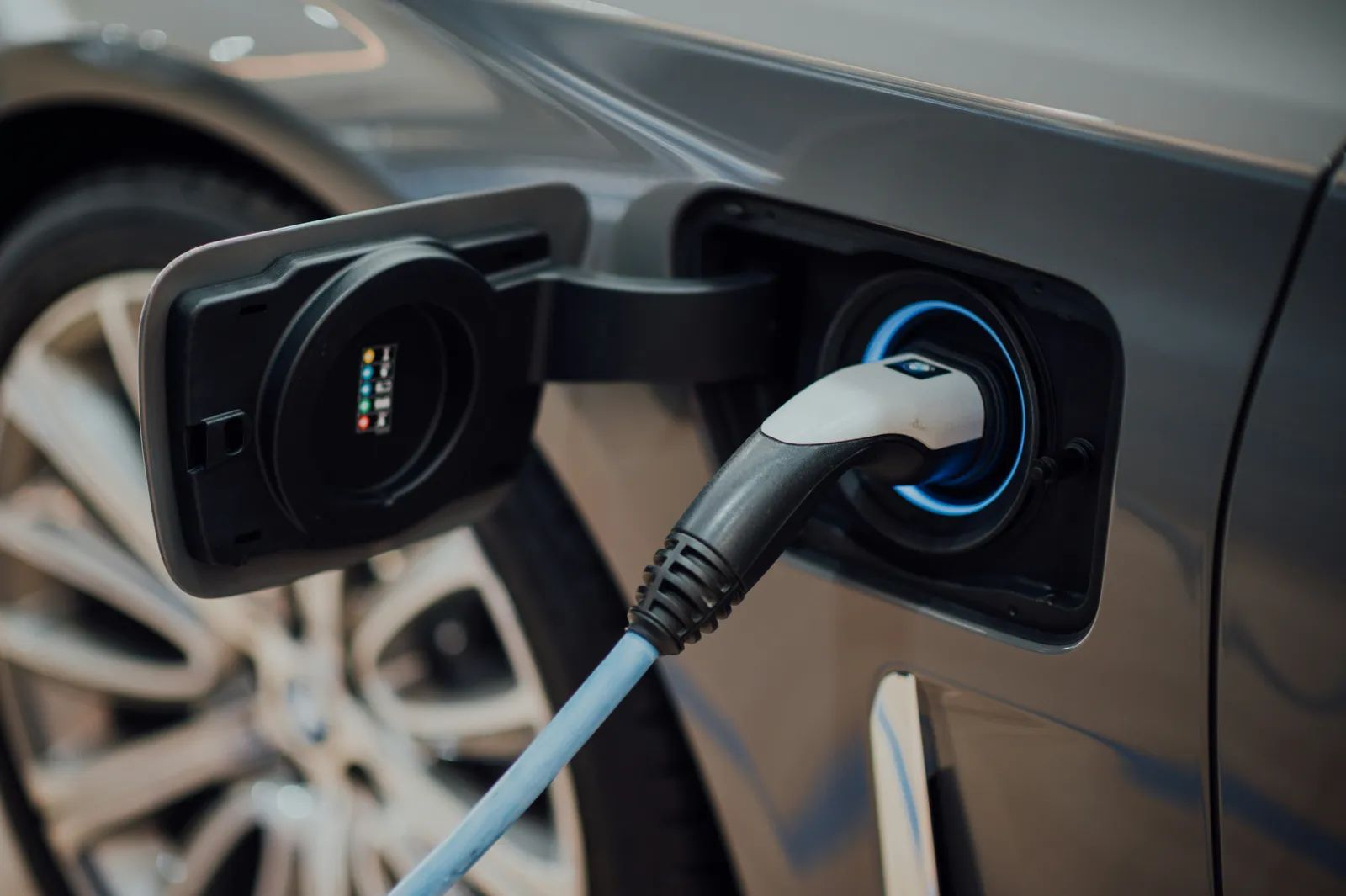
Many American drivers now weigh hybrid and electric options when planning longer journeys, yet the practical hurdles often surface only after the first few hundred miles. Range limits, charging gaps, and unexpected repair bills can turn an efficient choice into a costly detour. Checking a vehicle’s full history before purchase remains essential, especially for used models that may carry hidden electrical issues. ([1])
Core Differences That Shape Every Trip
A hybrid pairs a gasoline engine with an electric motor and a small battery that recharges through regenerative braking during normal driving. This setup improves fuel economy without requiring any external charging. An electric vehicle, by contrast, relies solely on a large battery and electric motor, delivering zero tailpipe emissions but demanding access to charging infrastructure.
Plug-in hybrids sit between the two. They offer a modest electric-only range for daily use while retaining a gasoline engine for longer stretches. The choice between these powertrains directly affects how far a driver can travel before stopping and how much planning each journey requires.
Charging Gaps That Disrupt Long Drives
Level 1 charging from a standard outlet works slowly and suits overnight top-ups at home. Level 2 stations speed the process to several hours, while DC fast chargers can restore most of an EV battery in under an hour at dedicated locations. Plug-in hybrids need less time overall because their batteries are smaller than those in full electric models.
Drivers attempting cross-country routes must map charging stops in advance, especially in rural stretches where stations remain sparse. A standard hybrid avoids this step entirely since it never plugs in. Yet even PHEV owners who skip regular charging lose the fuel savings that make the vehicle attractive in the first place.
Battery Health and Repair Costs on the Horizon
Battery capacity declines gradually with age and mileage, reducing the electric range available on any given trip. Replacement expenses vary widely: hybrid battery work often falls between a few thousand dollars, while full EV packs cost substantially more. Flood or accident damage can further compromise electrical systems in ways that remain invisible during a test drive.
Service records and title history help reveal prior heavy use or salvage status. Mileage discrepancies also appear in some used listings, just as they do with gasoline vehicles. Buyers who skip these checks risk discovering expensive faults only after the warranty period ends.
Matching Powertrain to Real Driving Patterns
Urban commuters with reliable home charging often extract the greatest value from a full electric vehicle through lower per-mile energy costs and minimal maintenance. Those who regularly cover long distances benefit more from a plug-in hybrid, which eliminates range anxiety once the battery is depleted. A conventional hybrid offers steady fuel savings for drivers unwilling to adjust routines around charging.
State and local incentives can narrow the upfront price gap, though the federal clean vehicle credit no longer applies to vehicles acquired after September 2025. Over multiple years, reduced fuel and service expenses still accumulate for owners whose habits align with the vehicle’s design.
Practical Steps Before Any Purchase
Review battery health reports, flood or fire damage records, title status, active recalls, and odometer consistency across service documents. These checks protect against surprises that no test drive can expose. A vehicle history report provides the clearest picture of prior ownership and usage intensity.
The right decision ultimately rests on how often and how far a driver travels. Hybrids, plug-in hybrids, and electric vehicles each deliver measurable advantages when matched to actual needs rather than marketing claims alone.