Flying used to feel like a small adventure. You packed your bags, showed up at the gate, and trusted that the airline would get you where you needed to go without turning the experience into a stress test. Honestly, for millions of Americans, that trust has been broken more than once, and the numbers prove it.
Complaints lodged against U.S. airlines hit another record in 2024, rising by nearly 9%, even though passenger volume rose by only 4% compared to 2023. That marked the fourth year in the last five that complaints against U.S. carriers soared to new highs. Something is clearly going wrong at the gate, in the air, and on the ground. So which airlines are leaving the worst impressions? Let’s dive in.
1. Frontier Airlines: America’s Most Complained-About Carrier
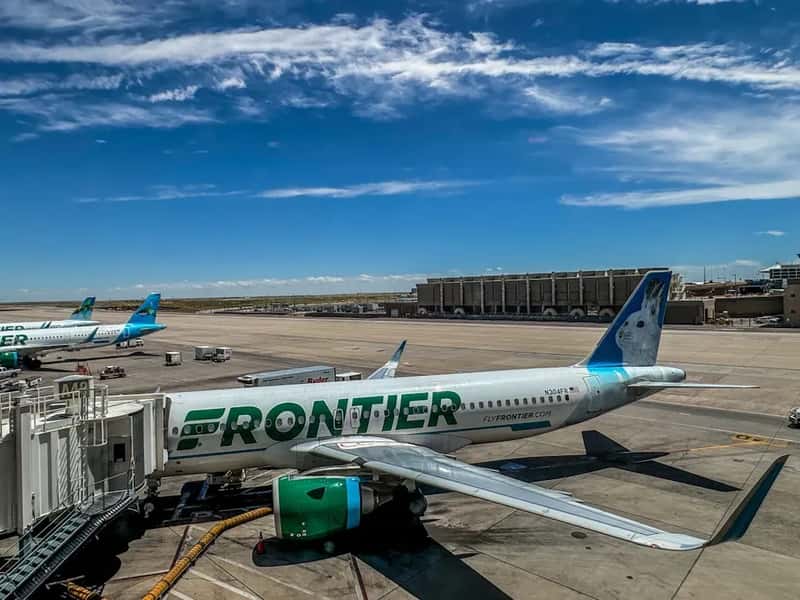
Let’s be real. When an airline holds the title of most complained-about carrier for the third year running, that’s not bad luck, that’s a pattern. For the third consecutive year, Frontier Airlines had the most complaints per 100,000 passengers among the 10 major carriers, with a ratio of 23.3 per 100,000 fliers, over 10 points higher than the next worst airline, Spirit, which had a ratio of 12.8.
Frontier had the worst cancellation record, the worst record for on-time arrivals, and the worst record for involuntary bumping, according to the U.S. PIRG Education Fund. Think about that combination. You could get bumped off a flight that’s running late, on a ticket that already cost more than advertised due to fees. Frontier’s controversial hidden fees for everything from baggage, including carry-ons, to in-flight beverage service quickly make it a lot less affordable than it appears.
As detailed in an August 2025 report, the airline cancelled roughly 2% of its scheduled flights per month in the first half of 2025, pretty awful compared to the sub-1% cancellation rates of top airlines. I think this one speaks for itself. Frontier keeps landing at the bottom not because passengers expect too much, but because it keeps delivering too little.
2. American Airlines: The World’s Most Frustrating Carrier
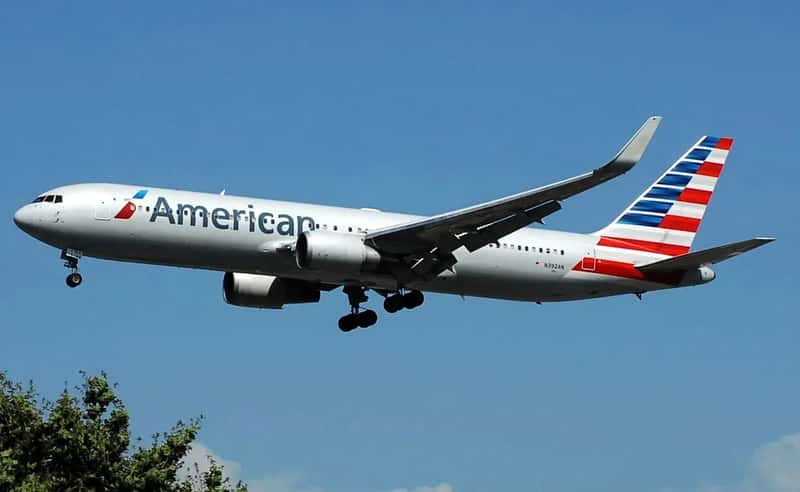
American Airlines is enormous, and that’s part of the problem. American Airlines took the top spot in a global dissatisfaction study for all the wrong reasons. With a score of 56, it ranked as the world’s most frustrating airline, struggling with customer service reputation, frequent complaint searches, and a wave of negative reviews. For a carrier this large, those numbers sting.
American had the highest percentage drop of any airline from 2024 to 2025 in customer satisfaction, falling 8%, going from a score of 79 to 73, due to high involuntary passenger bumps and poorly received loyalty program changes. On the loyalty front, the airline made a move that infuriated budget flyers. American Airlines announced that passengers purchasing basic economy tickets would no longer earn AAdvantage miles or Loyalty Points beginning December 17, 2025, a policy change confirmed by the airline to CBS News.
American and Frontier tied for last place overall in the Wall Street Journal’s 2025 airline rankings, with American’s 2.2% cancellation rate being the worst among the carriers measured. For an airline that once set the standard for American aviation, this level of decline is both surprising and disheartening. Many passengers say they’ve simply run out of patience.
3. Spirit Airlines: Cheap Tickets, Expensive Consequences
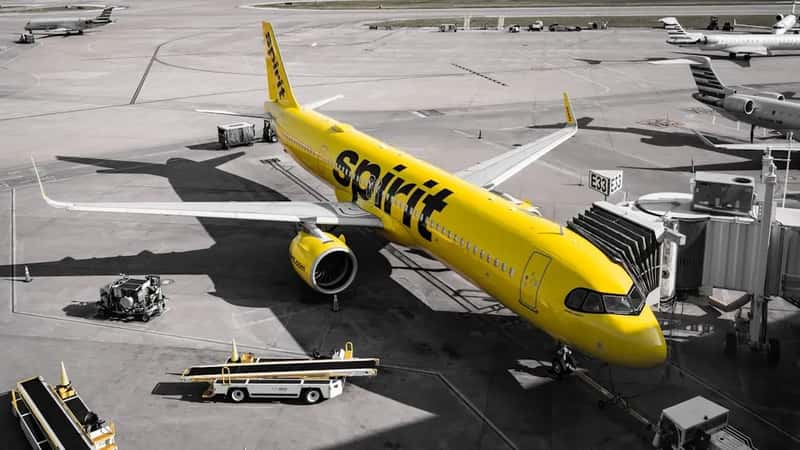
Spirit has always been the airline you choose when price is the only thing that matters. Here’s the thing though, the real cost often shows up long after you’ve clicked “book.” Spirit customers filed 12.8 complaints per 100,000 passengers in 2024, the second-highest among U.S. airlines, with a cancellation rate that was the third-highest just after Frontier, and from mishandling wheelchairs to bumping paying customers, there were few categories in which Spirit didn’t rank near the bottom.
Spirit filed for bankruptcy in November 2024 and emerged from it by converting $795 million of debt into equity, ultimately going private by handing over control to a group of its biggest bondholders. That kind of financial turmoil does not inspire confidence in passengers who are already skeptical. When an airline is fighting for its own survival, it’s hard to believe the customer experience is truly a priority.
Interestingly, Spirit showed some operational improvement in 2025. The Department of Transportation’s Air Traffic Consumer Report for the first half of 2025 ranked Spirit Airlines second in the nation in percentage of on-time arrivals, a huge improvement from the third-to-last rank it achieved in 2024, when just over a quarter of its flights were delayed. Whether that improvement will translate into rebuilding trust with American flyers remains a very open question.
4. JetBlue: A Fallen Darling That Lost the Thread
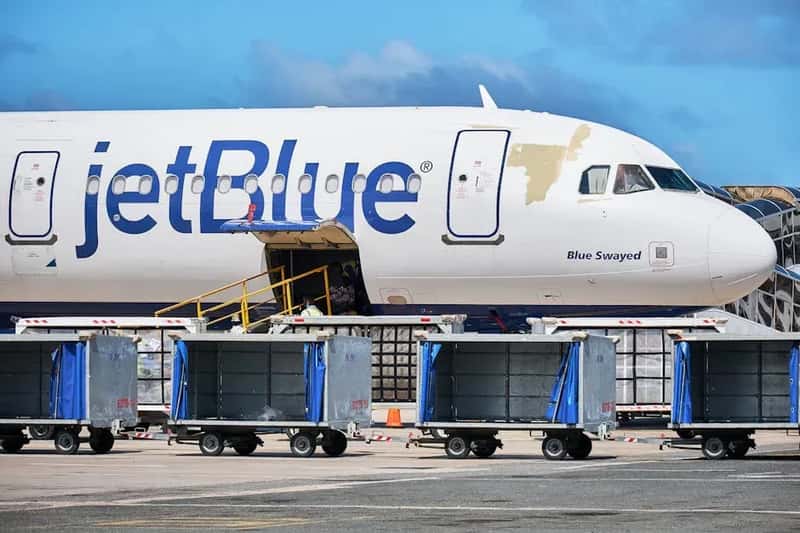
JetBlue was once the airline that travelers actually liked. It had legroom, friendly staff, and a personality. Somewhere along the way, things came apart. JetBlue held the third worst complaint ratio among major U.S. carriers in 2024, at 10.4 complaints per 100,000 passengers. That’s a significant gap from where it once stood in public perception.
JetBlue is struggling financially, posting a $795 million loss in 2024 and a further $208 million loss in the first quarter of 2025. When an airline is hemorrhaging money like that, it tends to show in the experience. Route cuts, staffing pressures, and reduced service quality tend to follow financial distress like a shadow. JetBlue has been struggling to return to sustained profitability after the COVID-19 pandemic, managing to post a profit in just two of the past nine quarters.
JetBlue recently cancelled flights to Miami International Airport as it continues to strip away unprofitable routes. For passengers who relied on those routes, that’s not an inconvenience, it’s a disruption that puts off entire travel plans. It’s hard to stay loyal to an airline that keeps retreating from the map.
5. United Airlines: Bigger Isn’t Always Better
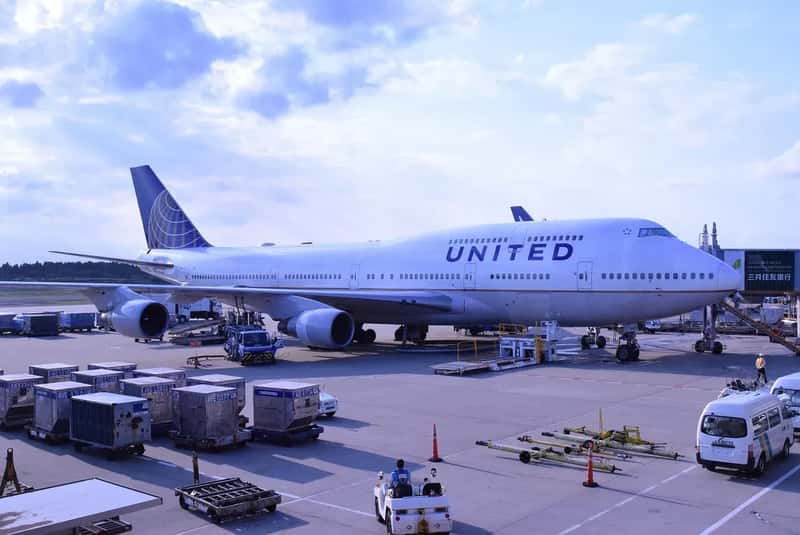
United Airlines is one of the biggest carriers in the world, but size alone doesn’t earn goodwill from passengers. United Airlines ranks third in a global dissatisfaction index with a score of 54. Despite improvements in its fleet and operations, United’s size amplifies every problem, with average review ratings of 3.3 out of 10 placing it near the top of the dissatisfaction chart.
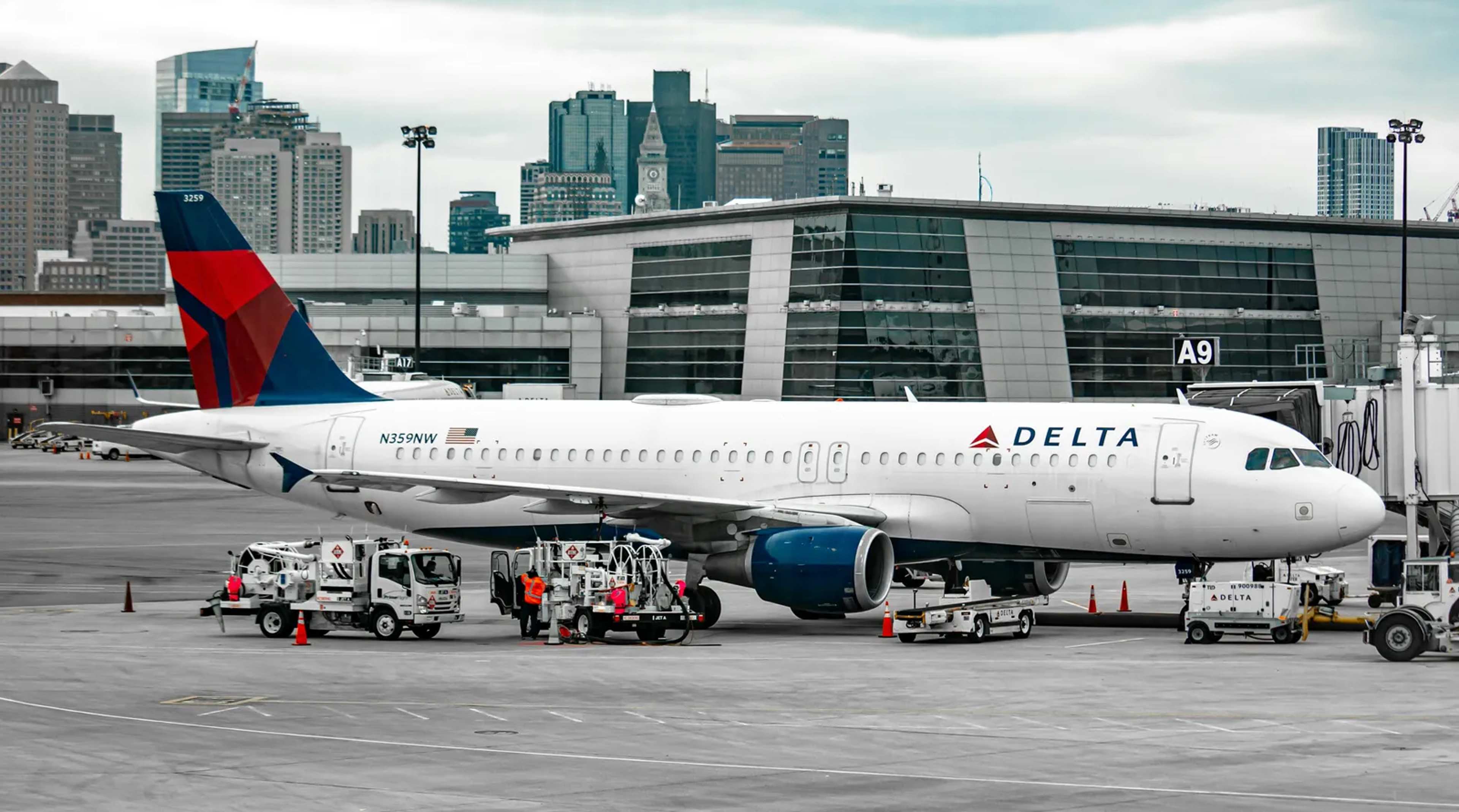
Think of it like a large restaurant chain. Even if nine out of ten locations run smoothly, the sheer volume of people walking through the doors means thousands of unhappy customers at any given time. United operates at that scale, and the complaint volume reflects it. The passenger count of massive airlines like American, United, and Delta can help an airline dilute poor performance numbers over more flights, more passengers, and more aircraft, but that argument doesn’t comfort someone stranded at an airport.
In 2024, airlines including United experienced 437 tarmac delays of more than three hours on domestic flights and 61 tarmac delays of more than four hours on international flights, the most in one year since the Tarmac Delay Rule took effect in 2010. United’s sheer route scale means it contributes meaningfully to those numbers. Passengers who’ve sat sweating on a tarmac for three-plus hours often make their “never again” decision right there on the runway.
6. Allegiant Air: Operational Oddities and Hidden Fee Fatigue
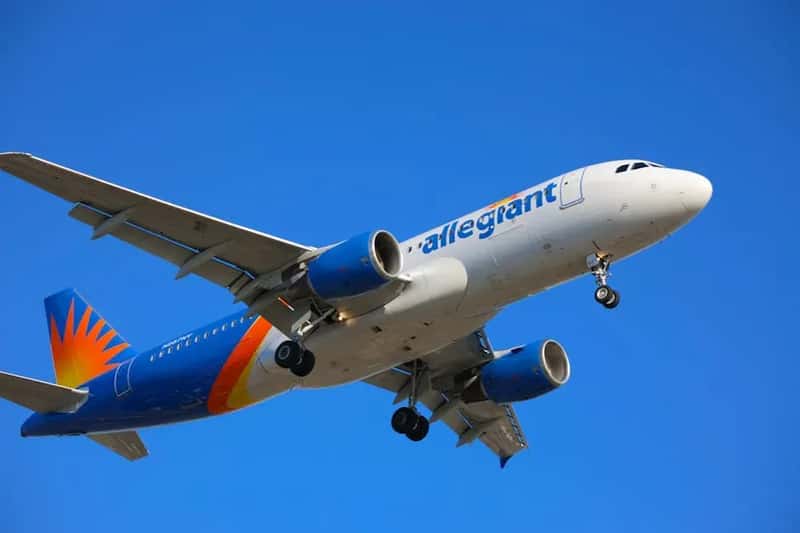
Allegiant Air is a strange case. On some metrics, it genuinely performs well. Allegiant Air reported the nation’s lowest number of bag mishandling complaints in 2024, according to an extensive PIRG study, and the same study found that Allegiant Air didn’t bump a single passenger all year, a feat that most competing airlines cannot claim. That’s legitimately impressive, almost unbelievable by industry standards.
So why does it land on a list like this? Because performing well operationally doesn’t cancel out the frustration passengers feel at checkout. What keeps Allegiant down is hidden fees for baggage and a general lack of services, and travelers shouldn’t expect complimentary snacks on this budget carrier, where even food comes at a cost. Allegiant made recent headlines when it got priced out of LAX due to rising operating costs.
There’s something almost comical about an airline that doesn’t lose your luggage but still leaves you feeling cheated. It’s like a hotel that makes the perfect bed but then charges you a resort fee for the pillow. Allegiant serves a very specific type of traveler, and for everyone else, the experience often falls short of expectations.
7. Alaska Airlines: A Trust Setback After a Safety Scare
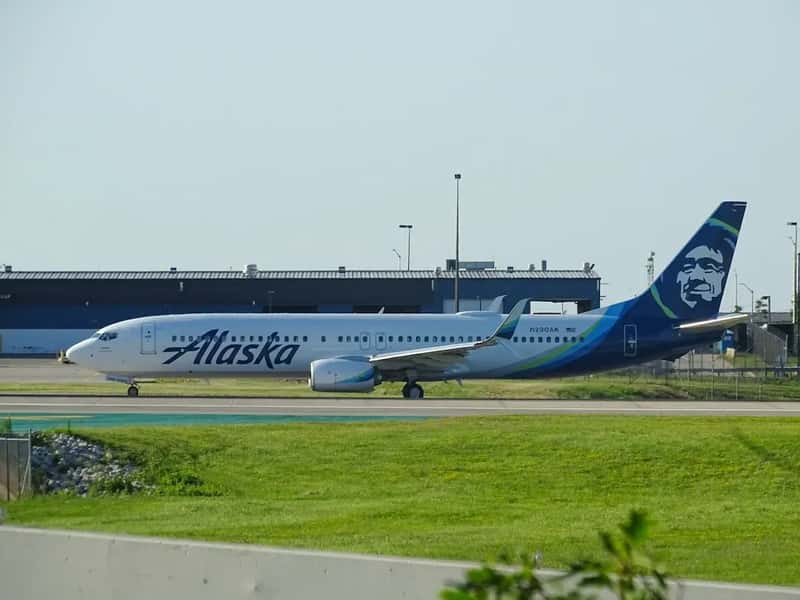
Alaska Airlines had been a genuine standout. It earned top customer satisfaction scores and was known for reliability. Then came a defining and deeply unsettling moment. Last year, Alaska was number one in customer satisfaction, but unfortunately, due to the MAX 737 accident in early 2024, its rating dropped 7%, from 82 to 76. A single incident can undo years of goodwill, especially when it involves aircraft safety.
Passengers who had trusted Alaska without question suddenly found themselves second-guessing whether the seat they booked was truly secure. That’s an almost impossible psychological gap to close quickly. It’s like finding out your most reliable friend made one catastrophic mistake. The trust is still there, sort of, but it’s cracked in ways that take time to repair.
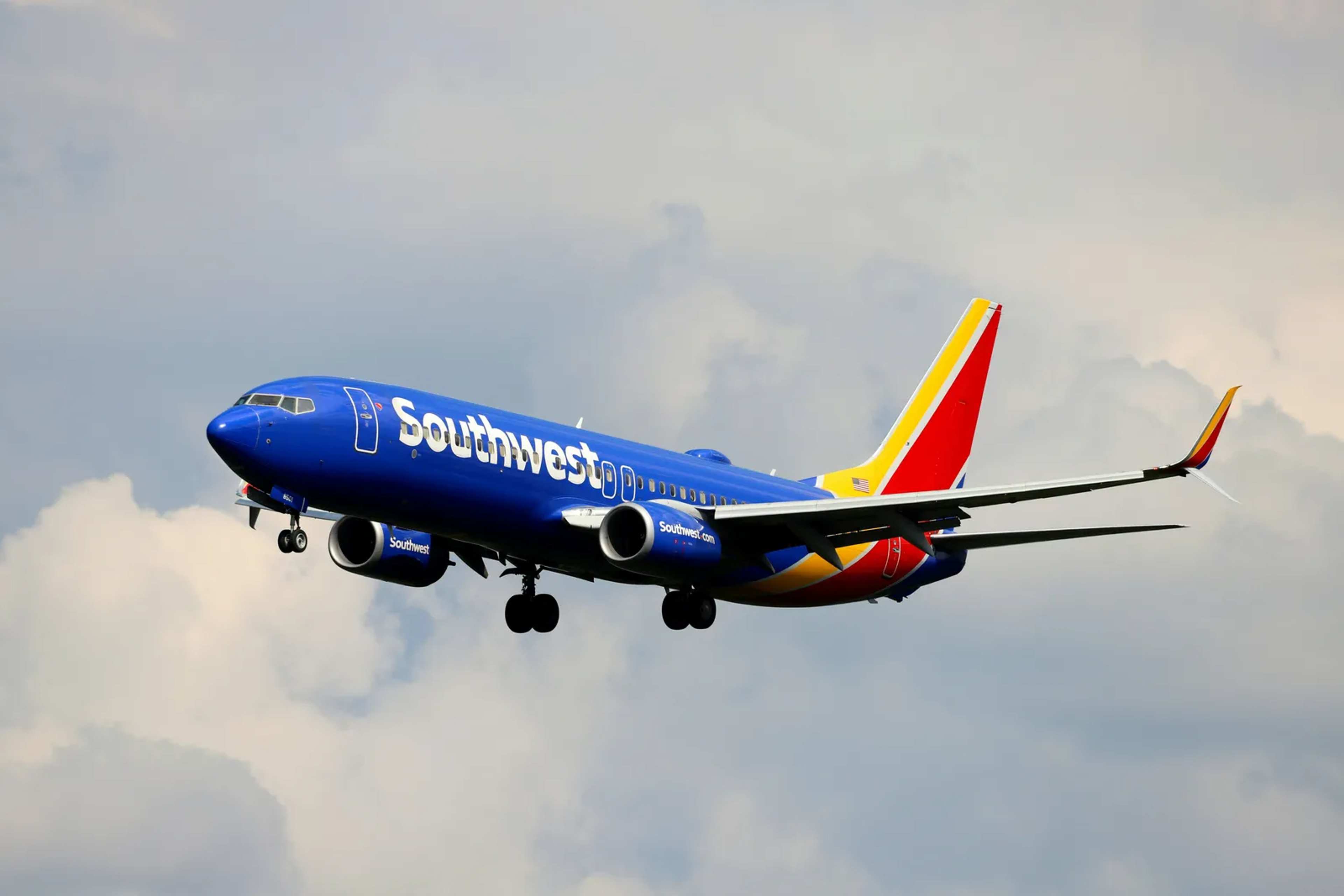
Despite the drop, Alaska still sits toward the more favorable end of the complaint spectrum. Southwest had the best complaint ratio at 1.5, followed by Alaska at 2.6 and Hawaiian at 3.8. Still, for travelers who had sworn by Alaska before the 2024 safety incident, the airline now carries a complicated reputation that not everyone is ready to forgive.
8. A Growing Industry-Wide Crisis: Tarmac Delays and Mishandled Bags
It’s worth zooming out for a moment, because the frustration Americans feel isn’t always directed at one single airline. It’s an industry-level problem that makes people swear off multiple carriers in a single year. Airlines in 2024 experienced 437 domestic tarmac delays of more than three hours, the most in one year since the Tarmac Delay Rule took effect in 2010, up from 289 delays the previous year.
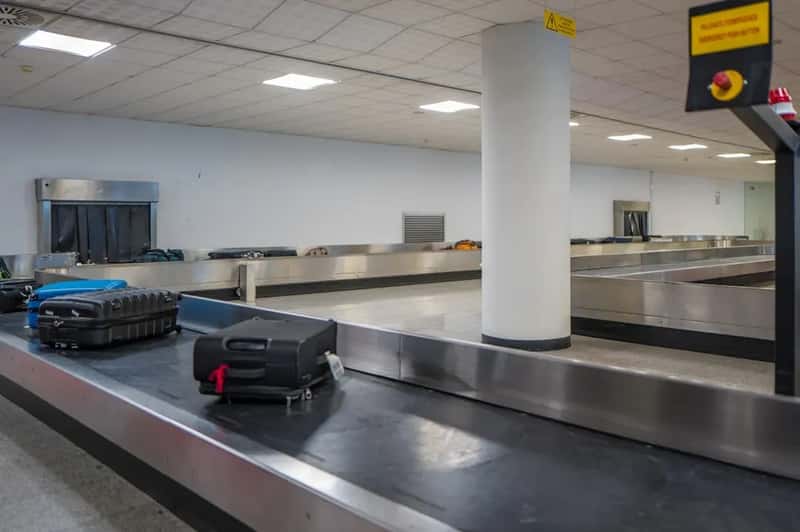
Among the top 10 airlines and their partner airlines, about 2.7 million checked bags, wheelchairs, or scooters were mishandled, generally meaning they were lost or damaged. Two point seven million. That’s not a rounding error, that’s an epidemic. If your grandmother’s wheelchair goes missing after a flight, you’re not choosing that airline again, ever.
Complaints against U.S. airlines increased by nearly 9% in 2024, even though the volume of passengers increased by only 4% compared with 2023. What this tells us is that the problem isn’t simply more people flying. The experience itself is getting worse at a rate that outpaces passenger growth. That’s a systemic issue, not a seasonal blip.
9. The Loyalty Program Trap: When Perks Turn Into Punishments
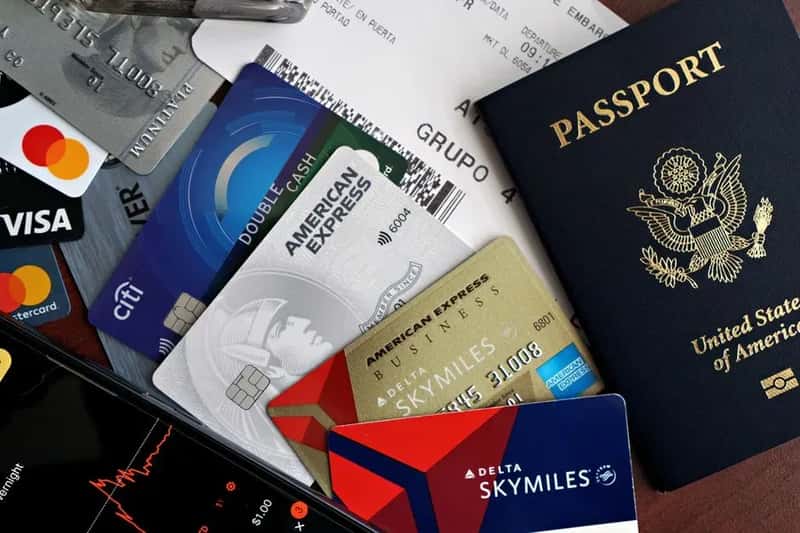
For millions of Americans, airline loyalty programs are a major reason they keep flying with the same carrier. So when those programs change in ways that feel punitive, the emotional fallout is real and lasting. American Airlines is a textbook example. American announced that passengers purchasing basic economy tickets would no longer earn AAdvantage miles or Loyalty Points beginning December 17, 2025, and while passengers retained access to amenities including complimentary carry-on bags and entertainment, the elimination of mileage accrual removes any loyalty incentive for those booking the airline’s cheapest tickets.
Frequent business flyers felt this especially hard. Some frequent flyers criticized the move, arguing it removes one of the few incentives for budget-conscious business travelers who fly often but whose companies won’t pay for anything more than basic economy, making status and points what makes traveling for work worth it. That’s a very real reality for millions of workers who rack up miles not by choice but by necessity.
Loyalty program changes were a key factor in satisfaction declines, and with business travelers, satisfaction declined 6% industry-wide, with this group particularly affected by operational issues and loyalty program changes. It’s a cruel irony. The passengers most valuable to airlines are also the ones most likely to notice and resent when the goalposts get moved on them.
10. What the Data Tells Us About the Future of Air Travel
Here’s the uncomfortable truth for every airline on this list. The passengers who say “never again” aren’t just venting on social media. They’re filing formal complaints, and those complaints are being tracked, analyzed, and acted upon at the regulatory level. Airlines now face added pressure under new rules adopted in 2024 that require them to provide automatic refunds to customers when their flights are canceled or significantly delayed. That’s a major shift in accountability.
Complaints lodged against U.S. airlines hit another record in 2024, and last year marked the fourth year in the last five that complaints against U.S. carriers increased to new highs, with travelers sounding off about problems including canceled flights, lost baggage, and stalled refunds. The era of passengers quietly accepting bad service appears to be ending. The remainder of 2025 and beyond is a question mark now that air traffic controller shortages are creating chaos at Newark Liberty International Airport and various other airports at different times.
I think it comes down to a simple truth. Flying is not cheap, not comfortable, and not forgiving when things go wrong. Passengers have options, and increasingly, they’re exercising them by walking away from carriers that can’t keep their promises. The Wall Street Journal noted that no airline in its 2025 rankings cracked the 80% mark for on-time arrivals, with the average across all measured carriers sitting at 76.45%. Until that number improves, “never again” will remain a phrase heard far too often at America’s airport gates.
Conclusion
The airlines on this list haven’t all committed unforgivable sins. Some have had bad years. Some are trapped in financial spirals. Some just never quite figured out what passengers actually need. What they share is a gap between what travelers expect and what they consistently deliver, and in 2026, Americans are less willing than ever to close that gap on their own.
The data from U.S. PIRG, the Department of Transportation, and multiple independent satisfaction studies all point in the same direction. Complaints are up, delays are up, patience is down. The airlines that will survive and thrive are the ones willing to treat a passenger not as a seat to fill, but as a person making a real choice.
So before you click “book,” it might be worth asking yourself: has this airline earned your trust yet? What would it take for you to give one of these carriers another shot?