South America has long promised adventure seekers breathtaking landscapes, ancient ruins, and vibrant cultures that seem straight out of a dream. Yet beneath the glossy travel brochures and Instagram-worthy backdrops lies a harsh reality that thousands of American tourists have learned the hard way. Recent travel advisories and crime statistics from 2024 through 2026 paint a troubling picture, with certain countries experiencing unprecedented safety challenges that have left visitors wishing they’d chosen another destination entirely.
While tourism across South America continues to grow in some regions, the continent faces stark disparities in security. In 2021 alone, there were 55,100 gun-related homicides in South America, according to a 2023 global study published by the United Nations. This reality check matters because American travelers often venture to these destinations expecting manageable risks similar to those back home, only to encounter dangerous situations that no amount of research could have fully prepared them for.
Venezuela: The Level 4 Disaster Zone
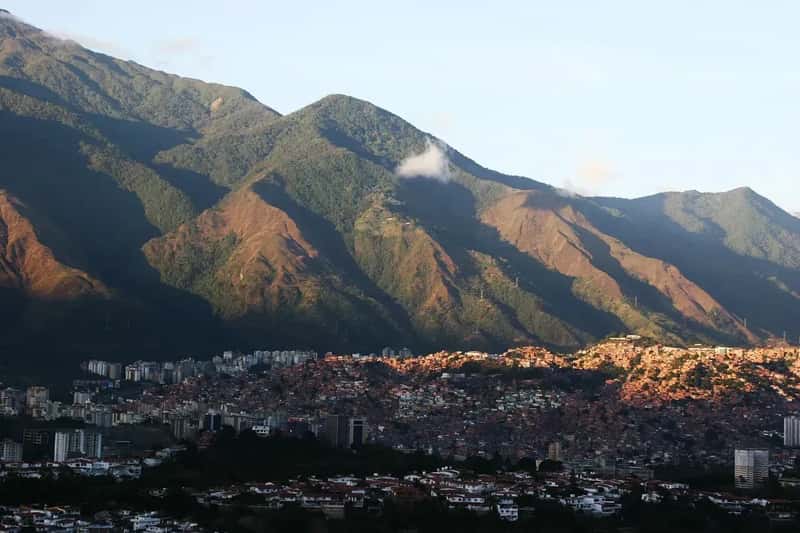
The U.S. Department of State has issued a Do Not Travel warning, citing the high risk of wrongful detention, torture in detention, terrorism, kidnapping, arbitrary enforcement of local laws, crime, civil unrest, and poor health infrastructure. This represents the most severe travel advisory level possible. Venezuela has been designated as having a very high risk of wrongful detention, with nine Americans wrongfully detained as of early 2025. These aren’t just statistics on paper – they represent real people trapped in Venezuelan prisons with no consular access and no clear path to freedom.
What makes Venezuela uniquely terrifying is the complete absence of American diplomatic support. In March 2019, the U.S. Department of State withdrew all diplomatic personnel from U.S. Embassy Caracas and suspended operations. All consular services, routine and emergency, remain suspended until further notice. The U.S. government has no ability to provide emergency services or consular assistance to U.S. citizens in Venezuela. Venezuela has one of the highest homicide rates in the world, and kidnappings are a serious concern. Even basic necessities like medicine and food remain in short supply throughout the country, making any visit a potential nightmare.
Colombia: Violence Behind the Tourist Façade
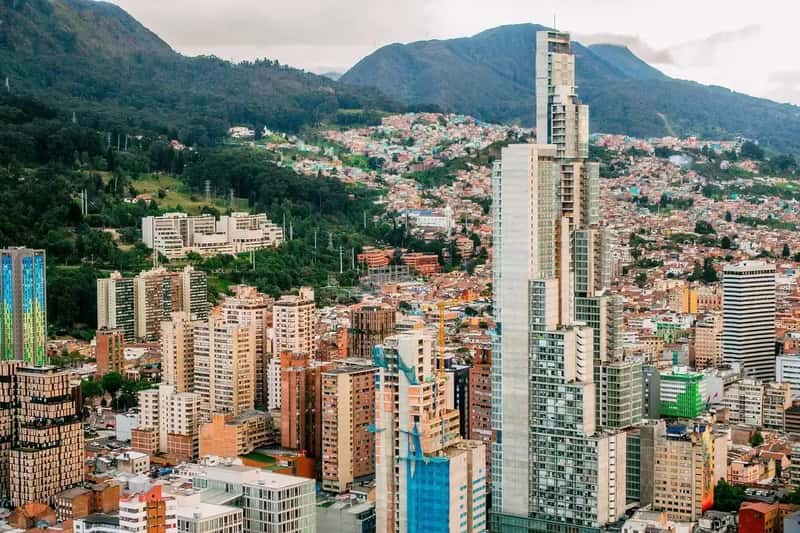
Colombia has spent decades trying to rebrand itself as a safe, welcoming destination, yet the reality on the ground tells a different story. The U.S. State Department has Colombia at a level-3 (reconsider travel) status, primarily because of crime and terrorism. The latest Global Peace Index has ranked Colombia as the least-safe country in South America, placing it 140th out of 163 countries and citing high levels of homicides, access to weapons, internal conflict, and displaced people. These rankings aren’t arbitrary – they reflect documented patterns of violence that directly impact tourists.
In 2024, numerous tourists reported being victims of violence when traveling in Colombia, and Medellin was once again on track to become the crime capital of the continent. U.S. nationals are particularly concerned as they are perceived to have money and make for easy targets. Popular scams include the use of scopolamine powder, which renders victims suggestible and compliant during robberies. The threat isn’t limited to major cities either, as Colombia registered around 26 homicides per 100,000 residents in 2025, with Bogotá, Cali, and Medellín seeing notable spikes in robberies targeting foreigners.
Ecuador: South America’s Shocking Crime Spike

Perhaps no country has experienced a more dramatic safety deterioration than Ecuador. Ecuador recorded South America’s highest homicide rate in 2023, a shocking statistic for a country holding only a Level 2 advisory. The numbers tell a devastating story of rapid decline. Between 2021 and 2025, homicide rates surged from 14 to more than 45 per 100,000 people, placing it among the fastest deteriorating environments globally. This represents more than a tripling of murders in just four years, driven primarily by drug cartel violence.
In early 2024, armed masked men took an entire TV station hostage. The incident shocked the world and revealed just how emboldened criminal organizations have become. Ecuador’s murder rate spiked dramatically in 2023, and Guayaquil is the most dangerous city in the country. American tourists who ventured to Ecuador expecting the relatively safe destination it once was have found themselves navigating a country where gang violence erupts without warning and where certain cities have become genuine no-go zones even for locals.
Peru: Protests, Crime, and Crumbling Infrastructure
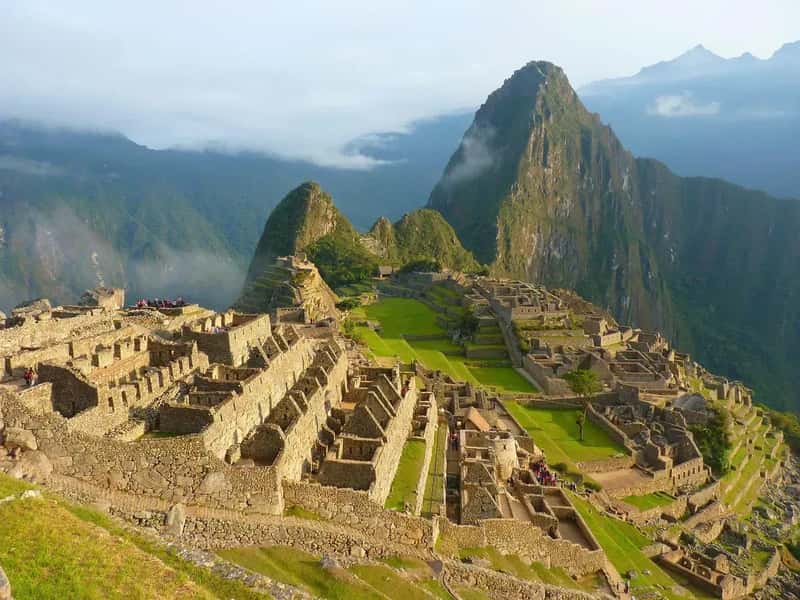
Peru holds a special place in traveler hearts thanks to Machu Picchu, yet the journey to reach this iconic destination has become increasingly fraught with danger. Crime complaints reached new heights with more than 160,000 in 2022 – up 33% from 2021. The U.S. government has issued a level 2 travel advisory due to crime, including daylight robberies and the risk of kidnapping. These aren’t isolated incidents occurring in remote areas – they’re happening in broad daylight in areas frequented by tourists.
Political instability adds another dangerous layer to travel in Peru. Peru’s Level 2 advisory stems from ongoing demonstrations that directly threaten tourists visiting Machu Picchu, the legendary UNESCO site attracting up to 5,600 visitors daily during peak season. Road blockades during protests can strand travelers for extended periods in remote mountain areas. In 2025, authorities logged roughly 2,500 violent robberies nationwide and a homicide rate of 8 per 100,000. Demonstrations occasionally disrupt travel, especially around Lima and Cusco, with protests in 2024–25 resulting in 60+ injuries near major transit hubs. American tourists have found themselves trapped for days without food or medical supplies during these blockades.
Brazil: Favela Violence and Tourist Targeting
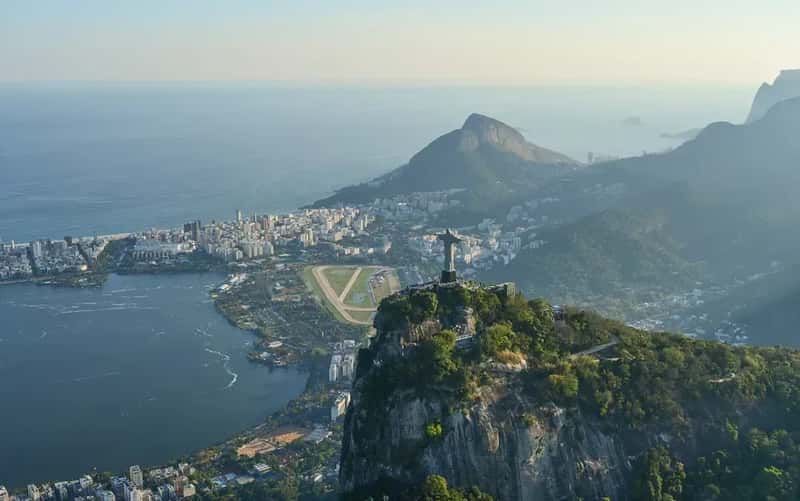
Brazil’s stunning beaches and carnival celebrations draw millions of visitors annually, yet the country struggles with persistent violent crime that regularly spills into tourist areas. In 2025, national crime reports showed approximately 22 homicides per 100,000 inhabitants, though some states, like Bahia and Rio de Janeiro, recorded numbers above 35 per 100,000. These elevated rates in popular tourist destinations mean visitors face substantially higher risks than the national average suggests.
Brazil has income inequality, poverty, crime, and police brutality that make certain areas, known as favelas, dangerous for both those who live there and those who dare to visit. Street theft, armed assaults, and express kidnappings occur in crowded areas, especially near beaches and transport hubs. Favelas remain highly dangerous, and tourists often become targets due to visible valuables. Despite warnings, some tourists still attempt to visit these informal settlements, often with tragic consequences. The country’s sheer size means that while some regions remain relatively safe, others descend into chaos without travelers realizing they’ve crossed an invisible danger line.
Guyana: Small Country, Massive Danger
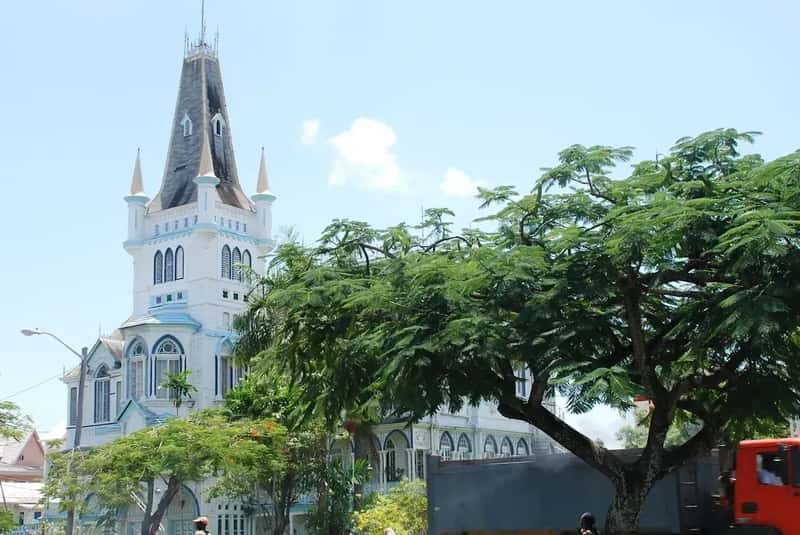
Most Americans couldn’t locate Guyana on a map, which makes it all the more alarming that this small nation has emerged as one of South America’s deadliest destinations for travelers. Most Americans couldn’t find Guyana on a map, yet it’s become one of South America’s deadliest destinations where even police can’t protect you. This small nation earned a Level 3 advisory as violent crime including murder and armed robbery surges. The Level 3 designation means Americans should seriously reconsider any plans to visit.
Georgetown’s capital harbors no-go zones like Tiger Bay and Albouystown where robberies, sexual assaults, and homicides spike even during daylight. What makes Guyana uniquely troubling is governmental inability to help: local police lack resources to respond effectively to serious crimes, leaving travelers completely vulnerable during emergencies. The State Department reissued this warning in May 2025. For American tourists accustomed to at least some level of law enforcement protection, Guyana represents a true worst-case scenario where you’re genuinely on your own if something goes wrong.