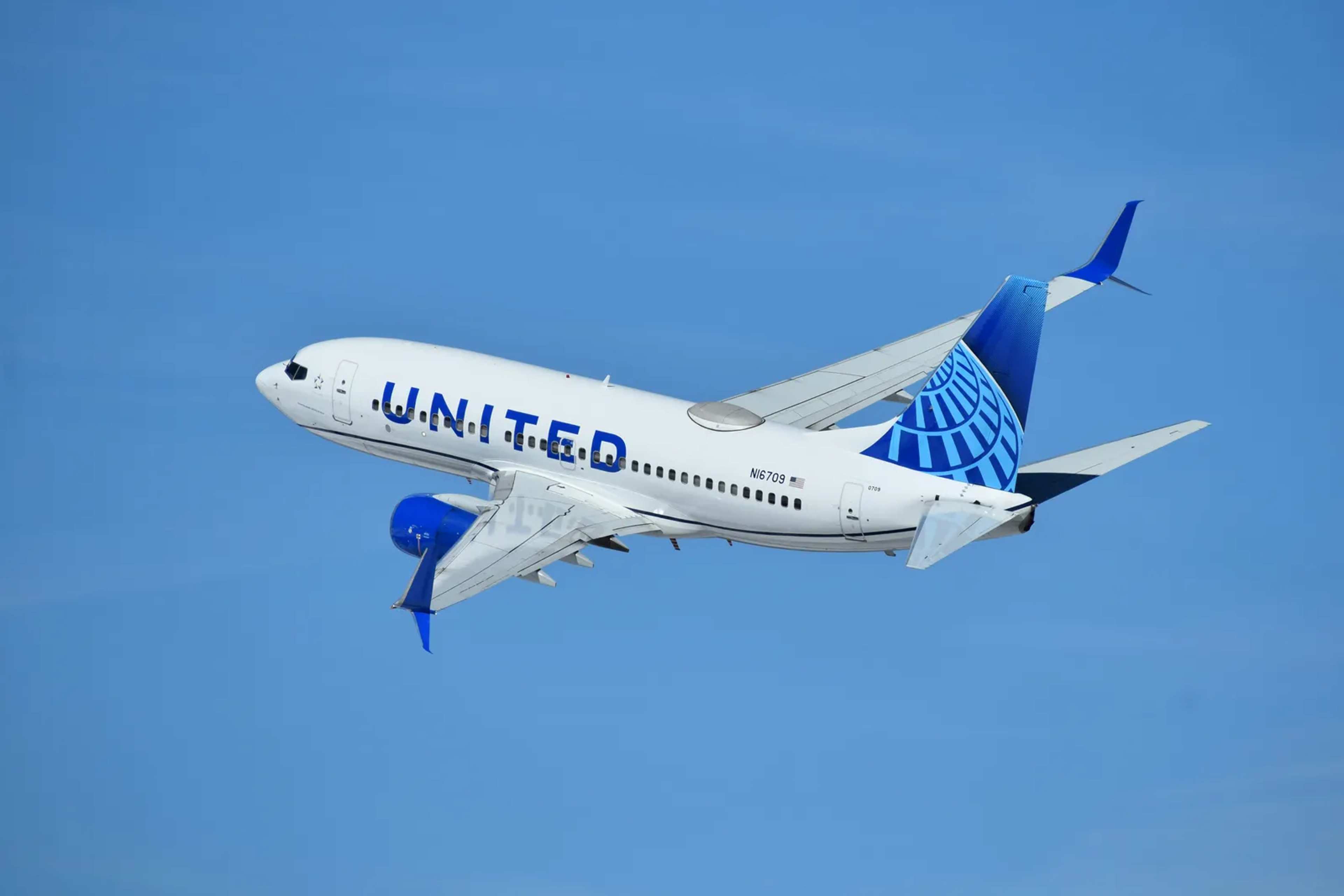
Airline ticket prices have risen sharply in recent months, with average fares in June running 27 percent higher than the same period a year earlier. The increase stems largely from higher oil prices tied to developments in the Middle East, and carriers have passed those costs along to passengers. With the 2026 holiday travel season approaching, data now show similar upward pressure on fares for Thanksgiving, Christmas and New Year’s travel.
Global Events Shape Ticket Costs
Conflict in Iran lifted global oil prices, raising the expense of jet fuel for carriers around the world. Airlines responded by adjusting fares rather than absorbing the added expense. The result has been a sustained lift in the cost of both domestic and international travel that shows little sign of easing in the near term.
Executives at major U.S. carriers have noted that passengers continue to purchase tickets at the new price levels. United Airlines reported its busiest month ever in July, and its chief financial officer stated that the airline has not observed any measurable drop in demand despite the higher fares. JetBlue’s president made a similar observation, noting that carriers must cover their costs even when increases are unwelcome to customers.
Pricing Trends for Key Travel Periods
Fresh analysis of 2026 holiday fares reveals consistent premiums compared with 2025 levels. Round-trip domestic tickets for Thanksgiving travel are running nearly 13 percent higher. Fares for the year-end period between December 18 and January 3 show an 18 percent increase on domestic routes and a 19 percent rise on international itineraries.
These figures come from data compiled by Points Path and reviewed by travel analysts. The pattern suggests that the cost pressure observed earlier in the year has carried forward into the busiest travel windows of the calendar.
| Travel Window | Domestic Increase | International Increase |
|---|---|---|
| Thanksgiving | Nearly 13% | Not specified |
| Dec 18 – Jan 3 | 18% | 19% |
Booking Windows and Last Year’s Patterns
Historical pricing data indicate that Thanksgiving fares typically rose month by month beginning in July, with the steepest increases occurring around mid-September. Travelers who waited past Labor Day weekend last year encountered noticeably higher prices. For Christmas and New Year’s travel, fares started elevated and remained so, offering little benefit to those who delayed.
Airfare specialist Katy Nastro of Going.com has warned that waiting in hopes of a decline carries particular risk this year because prices are already elevated. The practical consequence is that many travelers may face higher outlays if they postpone decisions into the fall.
Options When Prices Move After Purchase
Travelers who book now and later see fares decline have several avenues to capture savings. Airlines generally permit changes or cancellations that result in flight credit rather than a full cash refund, provided the original ticket is not a basic-economy fare. Price-tracking services can also monitor bookings and assist with re-ticketing when lower fares appear.
Those planning to use loyalty points face a similar dynamic. Most U.S. airline programs allow cancellation of award tickets with miles and taxes refunded, enabling rebooking at a lower rate if award pricing drops. Dynamic pricing means award levels often track cash fares, so early action can still prove useful even when points are involved.
The combination of higher baseline costs and limited relief from waiting has shifted the calculus for many travelers. Acting before the traditional peak booking window closes offers one of the clearer paths to managing expenses for the coming holiday season.