You walk through those revolving doors, luggage in tow, maybe a little jet-lagged or buzzing with excitement. You hand over your ID and credit card. Simple, right? Here’s the thing – while you’re focused on getting your room key, the person behind that desk is reading you like an open book. And they’re doing it fast.
Experienced front desk staff have seen thousands of guests walk through their doors. They’ve sharpened their instincts to a degree that might honestly surprise you. Before you even finish spelling your last name, they’ve already made a number of quiet observations. Be prepared to discover what they really notice about you.
1. Your Energy and Mood the Second You Walk In
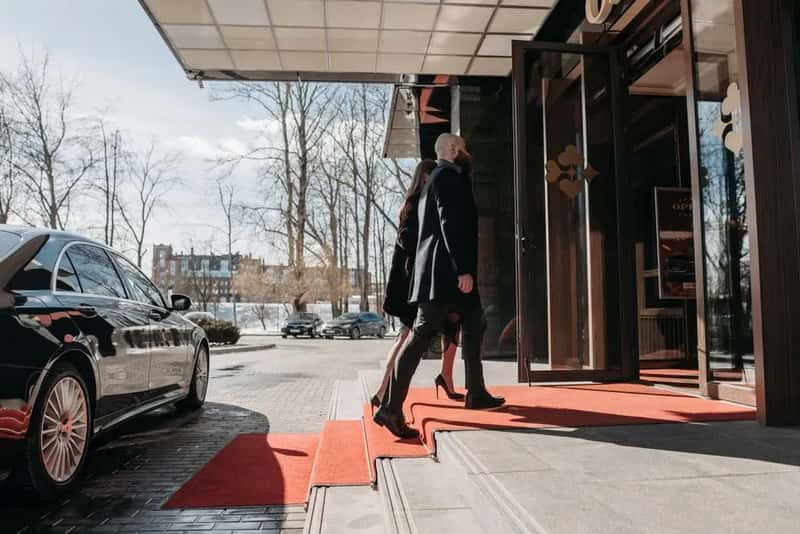
The moment you walk through those doors, your body language tells a story. Hotel staff are trained to read this story instantly. Are you slumped forward with exhaustion? Striding confidently? Frantically scanning the lobby? All of it registers.
Anticipatory service means picking up on what guests might want before they ask, and it starts with being observant – recognizing cues like tired eyes or a hurried arrival. These little signs let staff offer help, such as a quick check-in for weary travelers or extra towels if a family checks in. It’s not guesswork. It’s professional attentiveness.
People draw their initial opinion about a person they’ve just met in less than four minutes, and much of this opinion is based on their conscious and subconscious observation of that person’s nonverbal cues. Hotel staff are no different – and arguably, they are more practiced at it than almost anyone.
2. Whether You’re a Seasoned Traveler or a First-Timer

Experienced travelers know what information the desk needs. They don’t fumble with confirmation numbers. New travelers ask different questions – they want to know about parking they’ve already paid for, and they’re surprised by standard holds on their credit card. That contrast is impossible to miss.
A hotel manager noted that staff can spot business travelers instantly. These guests skip small talk, know exactly what they need, and rarely complain about minor issues. Leisure travelers want connection and local insights. Neither approach is wrong, but staff adjust their service style accordingly.
3. How You Treat the Very First Staff Member You Encounter
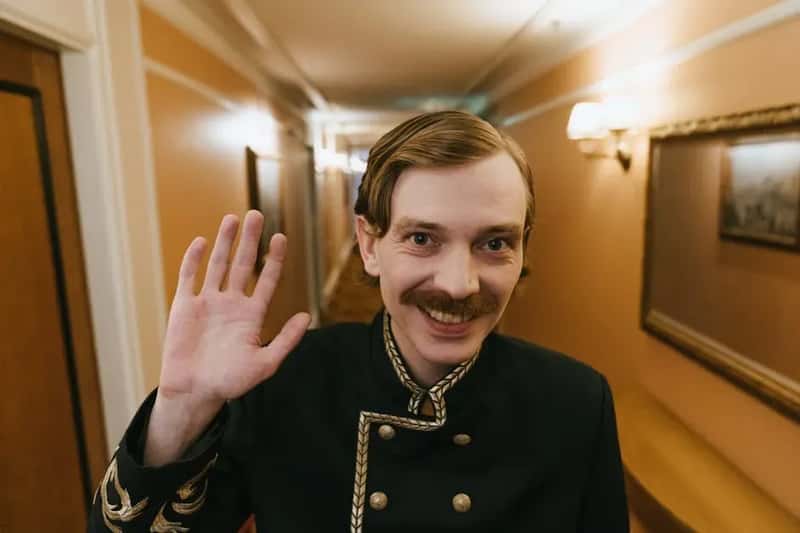
Word spreads faster than gossip at a church picnic. The guest who barely acknowledges the doorman often becomes the one making unreasonable demands at 2 AM. In hotels, staff communicate constantly. The valet, the bellhop, the person holding the door – they are all part of the same team.
Staff members communicate about guests constantly. Treat the valet poorly, and the front desk knows before you reach the lobby. Honestly, it’s a little like being on a reality show where everyone is watching but nobody tells you the cameras are rolling.
Training staff to recognize and respond to guest emotions enhances service quality. Employees who can empathize with guests, handle complaints effectively, and adapt to different personalities contribute to a more satisfying guest experience. That empathy, though, runs both ways – guests who extend basic courtesy tend to receive noticeably warmer service throughout their stay.
4. Your Relationship Status and Group Dynamics
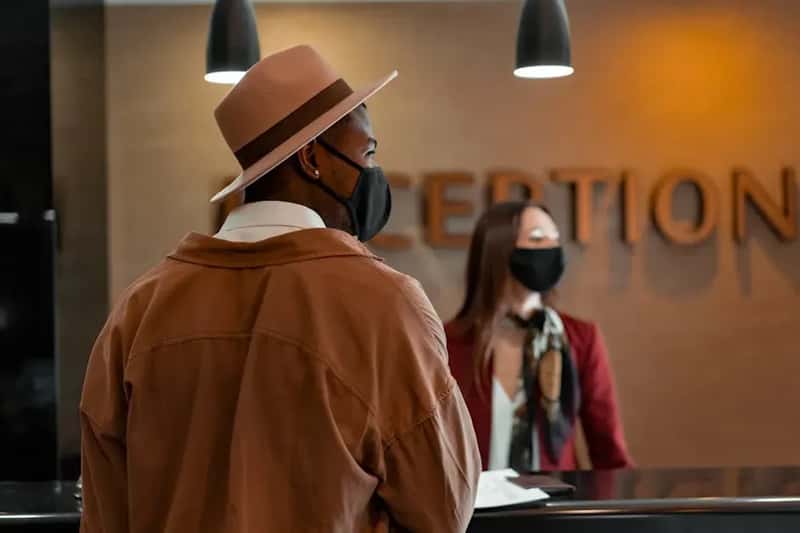
Hotel staff can spot relationship tension faster than a therapist with a PhD. The way couples stand together or apart at the desk tells a story. One concierge noted that she knows within ten seconds whether a couple is celebrating or barely surviving. That sounds dramatic, but anyone who has worked in hospitality for years will tell you the same thing.
When families or groups check in, hotel staff quickly identify the decision-maker. Sometimes it’s obvious – one person handles everything while others wait. But often the real dynamics are more subtle: the spouse who silently vetoes room assignments with a look, or the adult child managing aging parents while maintaining their dignity.
Staff members become skilled at reading these undercurrents. They learn who to address with questions and who needs to feel included. They notice when someone feels dismissed or overlooked. This awareness shapes how they communicate with your group throughout your stay.
5. Your Loyalty Status and Booking History

The moment your name hits the property management system, a world of information opens up. Properly utilizing the property management system allows staff to keep records of repeat guests – for example, a guest who travels monthly and likes high floors. If the repeat guest at check-in is given a high-floor room without asking because the system reminded staff of that preference, that creates a personalized guest experience.
Hotels now leverage AI and guest data to analyze behavior and preferences, enabling everything from personalized welcome messages to tailored activity recommendations. This means that even before you open your mouth, a thoughtful front desk agent already has a snapshot of who you are, what you like, and what you’ve complained about before.
Almost 80% of guests cite personalized amenities as a key reason for returning to a hotel, and this number rises to 89% among Gen Z travelers. So loyalty profiles aren’t just about points – they are a direct window into your preferences, and staff use that window immediately.
6. Your Relationship With Money
Hotel staff notice whether you wince at the mention of valet parking. They see if you immediately ask about free breakfast or happy hour times. One front desk manager explained that guests who are comfortable financially tend to ask different questions entirely – they focus on experiences rather than expenses.
It’s restaurant recommendations instead of the nearest supermarket. Spa availability rather than gym hours. Spa availability rather than gym access. Your relationship with money broadcasts itself through tiny, unconscious behaviors. Staff pick up on all of it, and they calibrate their upselling and service offers accordingly.
Front desk staff have a powerful opportunity to grow hotel revenue through smart recommendations at check-in. Upselling from the hotel front desk – such as suggesting room upgrades, late check-out options, or premium services – can produce significantly more income than offers made only before arrival. In fact, upselling interactions at the front desk can generate five to nine times more revenue than pre-arrival upsells. Your energy around price literally shapes the conversation.
7. What Your Phone Behavior Reveals

Let’s be real – most of us are glued to our phones. Staff notice if you’re frantically texting (probably late for something), taking photos of everything (tourist or influencer), or keeping your phone tucked away (might actually want to relax). Each of those signals tells a very different story.
The person who walks up to the desk while still on a call, holding up one finger as if to say “just a second” – yes, they notice that too. They notice. And they remember. It’s one of those small moments that seems insignificant to the guest but lands quite differently with the person behind the desk.
8. Your Luggage and What It Says About Your Trip

Staff notice if you’re struggling with overpacked bags (first-time traveler?), rolling in with just a backpack (business regular?), or arriving with specialty cases for equipment (here for an event?). Luggage is, in a funny way, a kind of travel resume. It announces your purpose before you say a word.
Think of it like this – a person arriving with a single sleek carry-on and a laptop bag is almost certainly not on vacation. Someone dragging in three overflowing suitcases and a stroller is telling a completely different story. Small gestures, like leaving a handwritten welcome note or remembering favorite room preferences, can turn a regular stay into something special. These actions show genuine care, creating a sense of comfort and belonging. Recognizing what kind of trip you’re on helps staff provide exactly that kind of care.
9. Your First Impression and How It Shapes Your Entire Stay
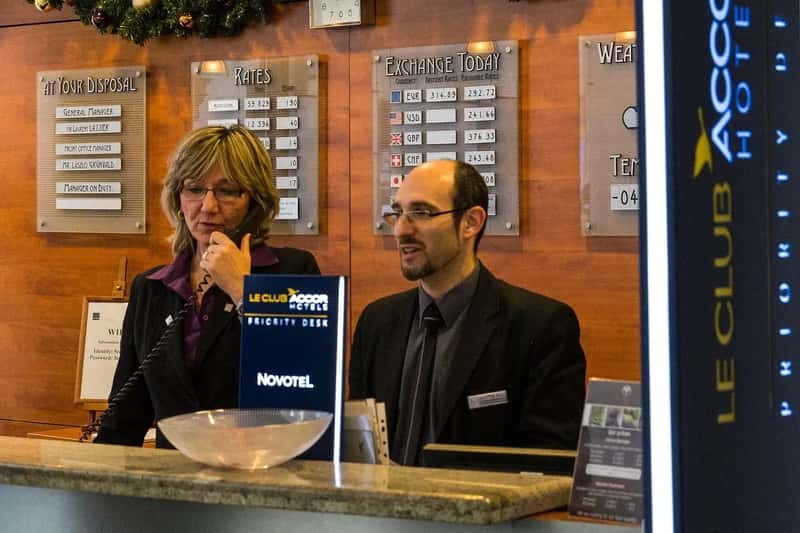
With 78% of guests saying their first impression at check-in shapes their overall perception, reception staff remember if you mentioned you’re celebrating something special, notice if you seem stressed about a delayed flight, and adjust their approach accordingly. That’s not a small number – it’s practically everyone.
First impressions shape how guests evaluate everything else. A friendly, efficient welcome creates a “halo effect,” where guests interpret the entire stay more positively – even if small issues arise later. The opposite is also true: a stressful check-in can color every subsequent experience.
Research consistently shows that front desk quality contributes between 20 and 40% of total guest satisfaction, making it a key operational focus for hotels aiming to improve experience, loyalty, and reviews. In other words, those first thirty seconds carry enormous weight – far more than most guests ever realize.
10. Whether You’re Likely to Be a Problem Guest
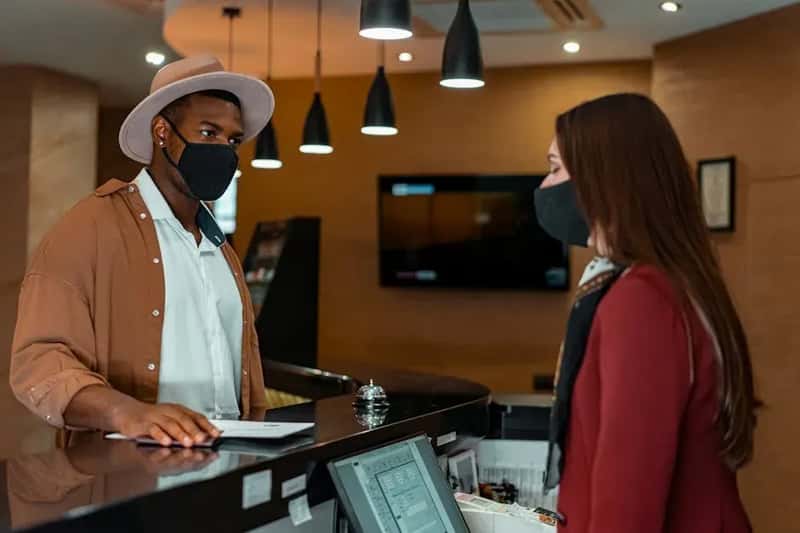
A concierge mentioned that she can predict which guests will call the desk repeatedly. They’re usually the ones with printed itineraries who ask about backup plans for their backup plans. Meanwhile, guests who show up without reservations rarely call for anything. There’s a certain irony there, isn’t there?
It’s hard to say for sure exactly how accurate these gut-reads are, but experienced hotel staff consistently report the same patterns. Hotel employees should be trained in active listening, allowing them to detect subtle cues in a guest’s behavior or tone. This skill is essential in conflict resolution, where understanding a guest’s frustrations and addressing them with empathy can transform a negative situation into a positive one.
According to the AHLA’s 2025 Report, roughly a third of guests consider quick, easy check-in a key driver of positive guest experience. So when things do go sideways, how a guest reacts at that very first hurdle is another telling signal that shapes how staff prepare for the rest of the visit. Patience at the desk goes a longer way than most people think.
The Takeaway: Your Check-In Tells a Whole Story
Most of us walk into a hotel thinking we’re fairly anonymous. Just another face, another reservation number, another swipe of the card. The reality is far more fascinating. Hotel staff are like highly trained observers. They’ve seen thousands of guests walk through those doors, and they’ve developed an almost supernatural ability to read people instantly.
None of this is meant to make you feel scrutinized. Not in a judgmental way, mind you – but as professionals who need to anticipate needs and ensure everyone has a great stay. The observations are in service of hospitality, not surveillance.
Still, it’s worth pausing next time you approach that front desk. Take a breath. Put the phone down for thirty seconds. Say a genuine hello to the person who held the door. A warm greeting, use of the guest’s name, and calm professionalism create lasting positive impressions. Guests remember tone and body language more than procedures. That works in reverse too – and the staff will remember yours. What would you change about how you walk through that door?