Most people like to think of themselves as perfectly reasonable hotel guests. You check in, you sleep, you check out. Simple, right? Well, hotel staff across the world would beg to differ. Behind those polished smiles and crisp uniforms, there is a whole conversation happening about guest behavior, and it is not always flattering.
The hospitality industry is under more pressure than most outsiders realize. Knowing what actually goes on behind the front desk, inside the housekeeping cart, and in the manager’s office might just change the way you travel forever. Here’s what hotel staff really notice about you the moment you walk through those doors.
1. Snapping Your Fingers or Clicking at Staff

Hotel guests have gone too far, with rude behavior toward staff becoming a growing and documented concern across the industry. Snapping fingers, clicking, or waving staff over like they are flagging down a taxi is, without any doubt, one of the fastest ways to brand yourself as “that guest.” It signals disrespect before a single word has been spoken.
In a survey of fellow travelers in the United States, more than half of respondents said they found guests who are rude to hotel staff to be the most annoying behavior of all. Hotel staff notice it instantly and, while they will smile and serve you regardless, the impression you make in those first seconds tends to stick with the entire team for the duration of your stay. Honestly, a simple “excuse me” costs nothing.
2. Making Demands That Violate Hotel Policies Outright
If a guest makes an unreasonable demand, such as requesting an immediate room change when the hotel is at full capacity, staff must politely explain the situation while offering alternatives. Providing realistic timelines and demonstrating a willingness to assist can often turn a dissatisfied guest into a more understanding one.
Annoying hotel guests often include those with incessant demands, unreasonable expectations, or a knack for finding fault in every aspect of their stay. Think of it like going to a restaurant and demanding a dish that is not on the menu and then complaining when it cannot be made. Though often not malicious in intent, these actions can strain the patience of hotel staff and disrupt the tranquility of the hotel environment.
3. Creating Excessive Noise and Ignoring Quiet Hours

Hotel guests have gone too far with poor etiquette that ruins the experience for others, including loud behavior in shared spaces, which undermines the meticulously crafted atmosphere luxury hotels design for travelers who notice the details. Noise complaints are one of the most consistently reported issues across hotels of every category.
Many hotels employ a three-strikes system where, after three consecutive complaints, a guest will be removed from the property without a refund, giving guests three warnings before they face serious consequences for noise disturbance. Hotels try to encourage guests to keep noise down with friendly signs, often implementing quiet hours from 10 pm to 8 am, encouraging guests to refrain from loud music or having visitors. Ignoring those boundaries puts you squarely on the difficult guest radar.
4. Dismissing or Belittling Housekeeping Staff
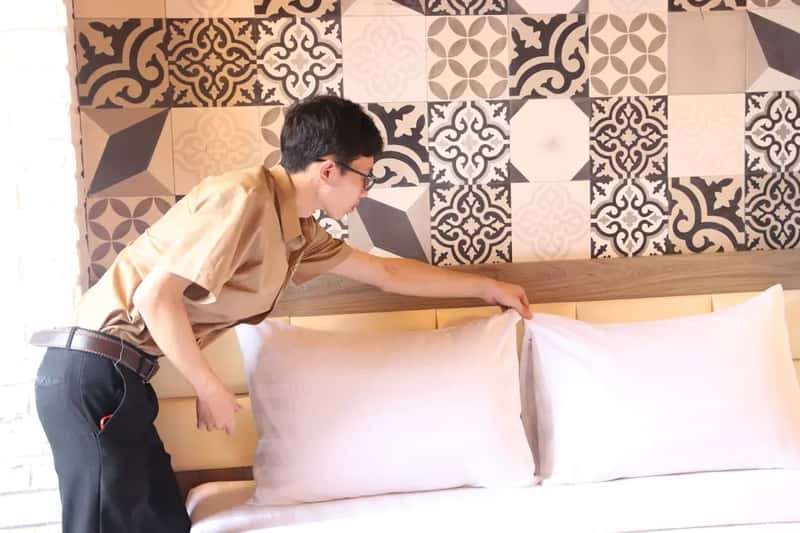
Housekeeping staff are at the heart of a hotel’s daily operations, and their role extends far beyond maintaining rooms and public areas, as they often encounter challenging situations from demanding guests to unusual service requests. Yet housekeeping is frequently the department guests treat with the least courtesy. It is a pattern that does not go unnoticed.
Professionalism and discretion play a crucial role in handling sensitive situations, as guests may request complete privacy or need assistance with unexpected personal issues, and housekeeping staff are expected to maintain confidentiality and ensure guest comfort without overstepping boundaries. When guests treat housekeepers rudely, dismiss them, or make them feel invisible, it ripples through the whole team. The ability to handle difficult guests with grace is a mark of excellence in hospitality, and housekeeping staff who demonstrate patience and professionalism contribute directly to positive reviews and long-term hotel success.
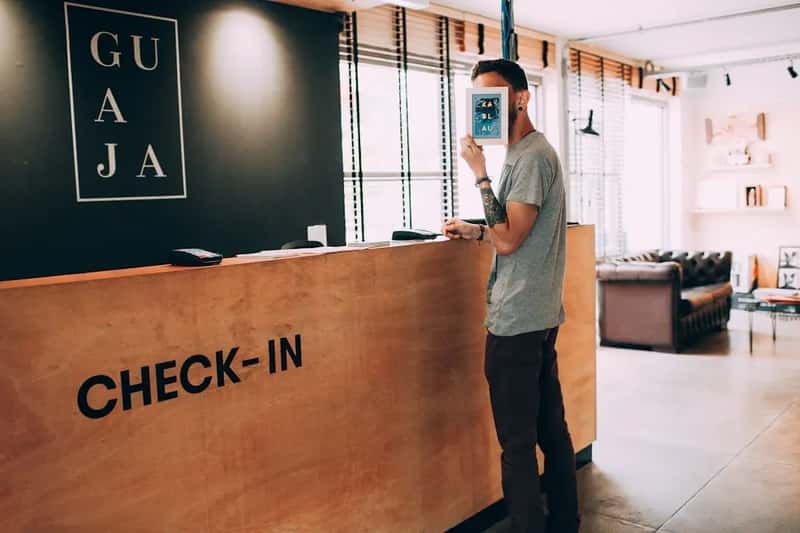
5. Ignoring Staff at Check-In and Being Glued to Your Phone
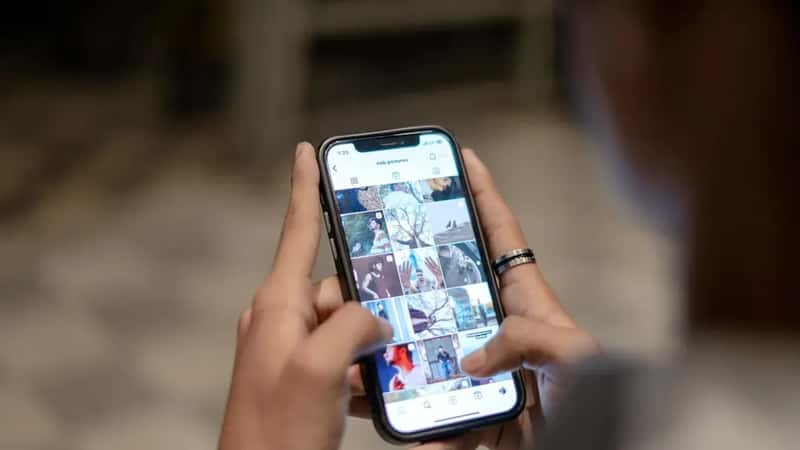
Here’s the thing: hotel staff train extensively to make your arrival feel warm and personal. According to a 2024 report by the American Hotel and Lodging Association (AHLA), guests ranked “staff interactions” among the top three reasons they would leave a positive review for a hotel. Yet some guests spend the entire check-in process on their phone, barely acknowledging the person helping them.
Exceptional customer service is easily one of the most important parts of running a great hotel. When a guest refuses to make eye contact or keeps holding up a hand to signal “wait” while scrolling through Instagram, it creates an awkward, deflating dynamic for the staff member. The initial interaction sets the tone, and remaining calm and professional, even when a guest is not, works because guests often mirror the emotional state of the staff. That mirroring works both ways.
6. Lying About or Exaggerating Problems to Get Freebies
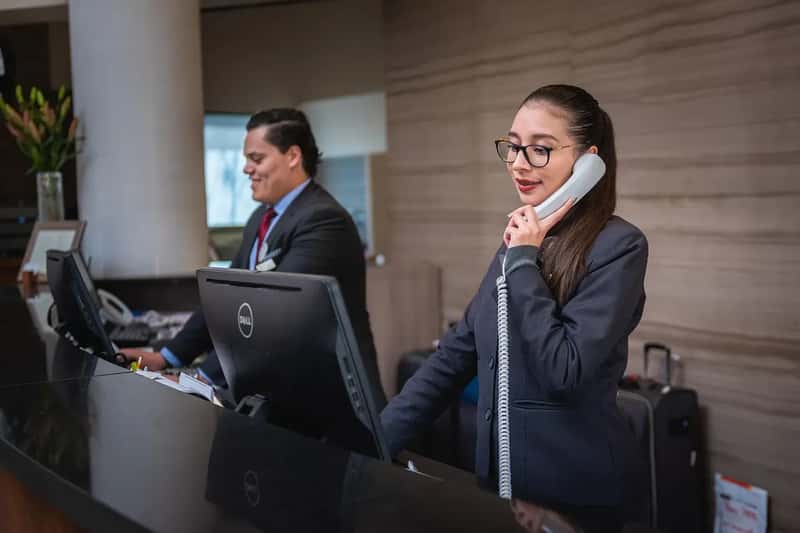
Whether it is the persistent complainer, the unjustifiably angry customer, or those rare instances that may even warrant eviction, these situations test the limits of professionalism and patience in the hospitality industry. A particularly frustrating pattern for hotel staff is the guest who manufactures or wildly exaggerates a problem specifically to receive complimentary services or discounts.
If a hotel gives a credit or comp for behavior that is not genuinely warranted, it risks encouraging the same behavior on future visits or at other properties. Experienced staff can often spot the difference between a genuine complaint and a manufactured one. These guests often do not realize the impact of their behavior, so the challenge lies in addressing their concerns without escalating the situation, with strategies including actively listening and offering solutions within the hotel’s policies and capabilities.
7. Being Disruptive Toward Other Guests in Shared Spaces

Disorderly guests can quickly disrupt the environment of a hotel, leading to issues such as negative reviews, decreased staff morale, and potential legal problems. Pool areas, lobbies, restaurants, and elevator banks are shared spaces, not extensions of your private suite. Guests who monopolize lounge chairs, speak at full volume on video calls, or let their children run unchecked through corridors create friction for everyone around them.
According to Axonify’s 2024 survey, nearly half of frontline hospitality managers have had to ask a guest to leave or ban a guest from returning within the last year due to their poor treatment of other guests or workers. That is a striking number. Poor management of these situations not only affects the immediate experience of other guests but can also have long-term repercussions on the hotel’s reputation. Staff are absolutely watching, and they are keeping records.
8. Taking Out Personal Stress or Travel Frustrations on Hotel Staff
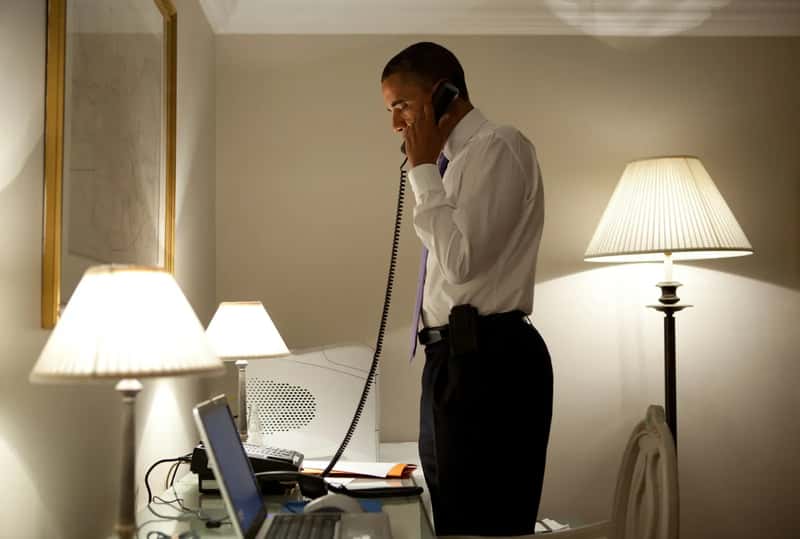
Before diving into solutions, it’s essential to understand what can lead a guest to become difficult: unmet expectations, personal issues where guests carry external frustrations into their interactions, and communication barriers where misunderstandings escalate minor issues. A delayed flight, a lost bag, a screaming toddler in the seat ahead of you, none of that is the hotel’s fault. Still, front desk staff absorb the aftermath of those travel disasters every single day.
The hospitality industry has one of the highest burnout rates among service-oriented sectors, with nearly half of hospitality frontline managers in the U.S. feeling burned out, and 68% of those managers reporting that their team members have directly told them about feeling burned out too. The person checking you in may already be running on fumes. Burnout in hospitality is rising mainly due to ongoing staff shortages, increasing workloads, wage stagnation, and more frequent challenging guest interactions. Taking your frustration out on them does not speed anything up. It only makes an already hard job harder.
The Bigger Picture: Why This All Matters More Than You Think

A December 2024 survey found that nearly two thirds of hotels are still dealing with staffing challenges stemming from the onset of the COVID-19 pandemic, according to the 2025 State of the Industry report by the American Hotel and Lodging Association (AHLA). Hotel teams are stretched thin, running harder than most guests ever realize, and they are doing it with a smile on their faces.
Hotels are facing an increase in rude and disruptive guest behavior, and setting clear expectations and understanding the niche of the property are becoming crucial for maintaining decorum and guest satisfaction. Some hotels have begun enforcing stricter behavior standards as a direct response. Sometimes hotels have to “fire” the customer, and if a guest has a history of combative behavior, it may be wise to suggest they would be more comfortable at another property, as trying to retain disruptive guests creates undue stress for employees and can cost more than the value of their business.
The irony, when you think about it, is that guests who behave poorly rarely get better service. They get the same professional service as everyone else, because that is what trained hotel staff do. What they lose is the genuine warmth, the quiet upgrade, the extra mile that staff willingly go for guests who treat them like human beings.
What kind of guest do you want to be remembered as?