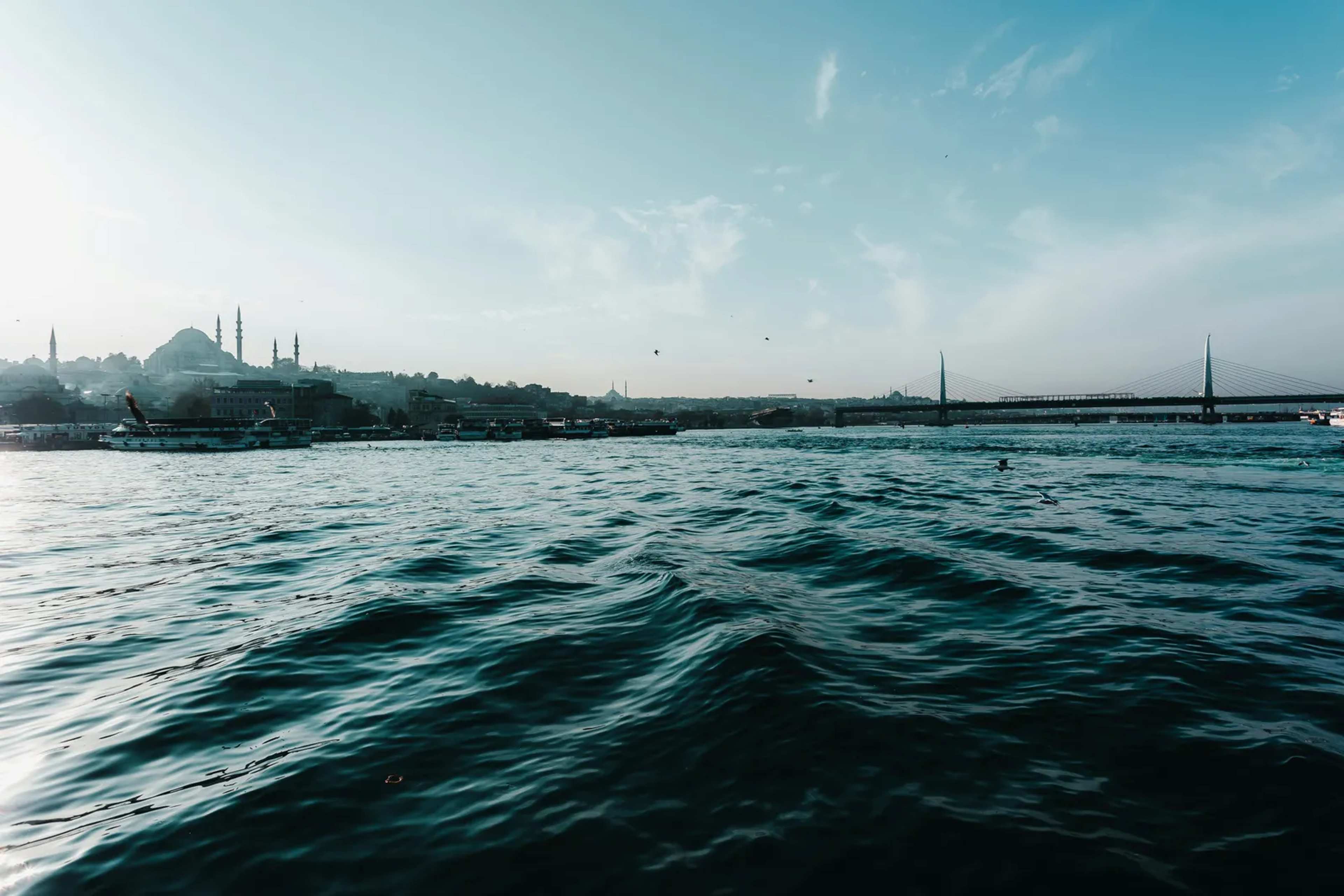
I stayed in Bristol for almost a month, in the middle of summer. Long enough to stop behaving like a visitor, but not so long that the city became background noise. Before really diving in, I did one smart thing: I spent time at the city museum on the harbor—the M Shed—which lays out Bristol’s history, contradictions, and character with refreshing clarity. Just outside, moored along the water, the replica of the Matthew was there to extend that narrative into the open air: in 1497 the original ship carried Venetian explorer John Cabot—Giovanni Caboto—from Bristol to the coasts of North America, marking one of the earliest European voyages to the American continent since the Norse. It was so absurd and disarming to see what looked like a historical vessel equipped with a modern motor and effortlessly sliding away from the harbor, that I interpreted this sight as a sign of welcome and I immediately raised my expectations about a city that clearly knows how to hold history and reinterpret it with confidence.
My mind was set: I didn’t just want to see Bristol. I wanted to step into its different identities and try them on, one by one. Bristol, I quickly realized and as the Matthew suggested, is not a city with a single face. It’s a collection of moods, histories, and gestures. So I approached it that way: by deciding how I wanted to feel, and then going to the place that embodied that feeling best.
When I Wanted to Feel the Weight of the Industrial Age
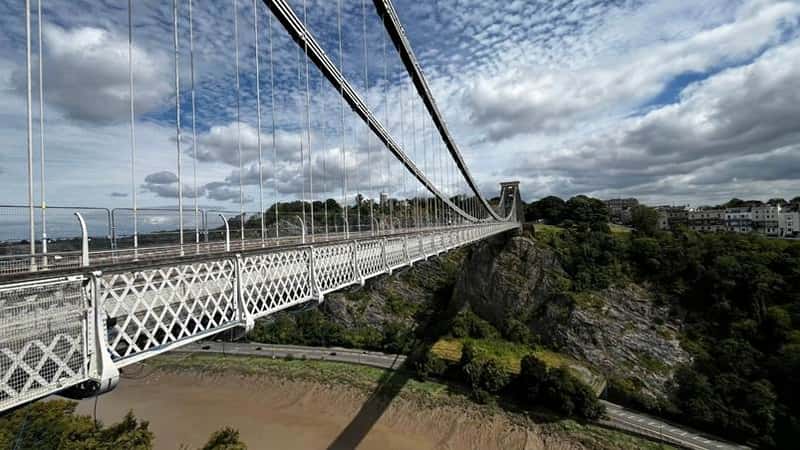
First, I wanted to feel the ambition and nerve of Britain at the height of the Industrial Revolution, so I walked straight to the Clifton Suspension Bridge. The height hit me immediately, the exposure is real, and the sense of daring is intentional. Designed in the 19th century and completed in 1864 after Isambard Kingdom Brunel’s death, the bridge feels like an unfinished dream turned into a collective triumph.
This was the era of iron, steam, and absolute faith in progress—and the bridge still carries that momentum. Railways were slicing through the countryside, factories were reshaping cities, and infrastructure had become the physical language of progress. Suspended above the Avon Gorge, I felt plugged into a time when engineering was bold, visible, and theatrical. This wasn’t just a way across the river; it was a declaration of confidence in human ingenuity. On one side of the bridge, a beautifully curated shop translates its structural bravado into smart design objects and prints—a small but perfect reminder that in Bristol, great engineering doesn’t become nostalgia.
When I Wanted to Paint Like It Was the 19th Century
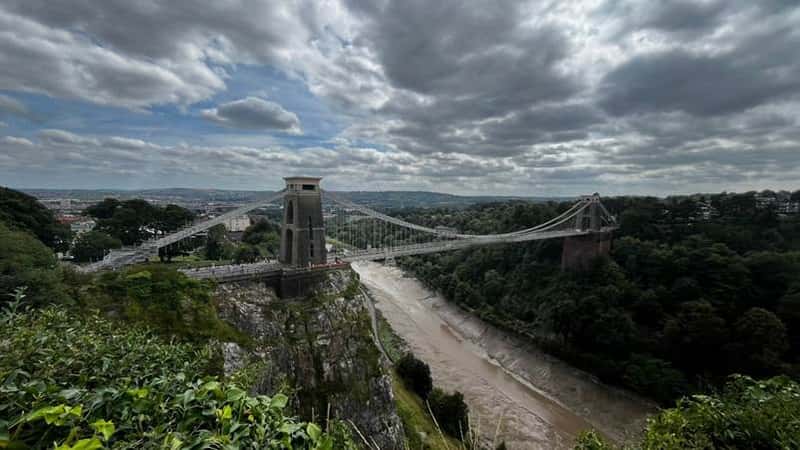
On days when I wanted something quieter, more contemplative, I went down into the Avon Gorge itself, right below the bridge. Walking there, sketchbook energy fully activated, I felt like a painter working en plein air, chasing light and form rather than landmarks.
The gorge is dramatic but not theatrical. It’s all texture: rock, water, vegetation, wind. A protected herd of feral goats lives on the steep cliffs, introduced decades ago to help manage vegetation and now carefully monitored. Seeing them balanced impossibly on sheer rock faces, completely at ease where humans feel small and temporary, adds another layer to the experience.
When I Wanted to Be a Proper English Lady (Briefly)
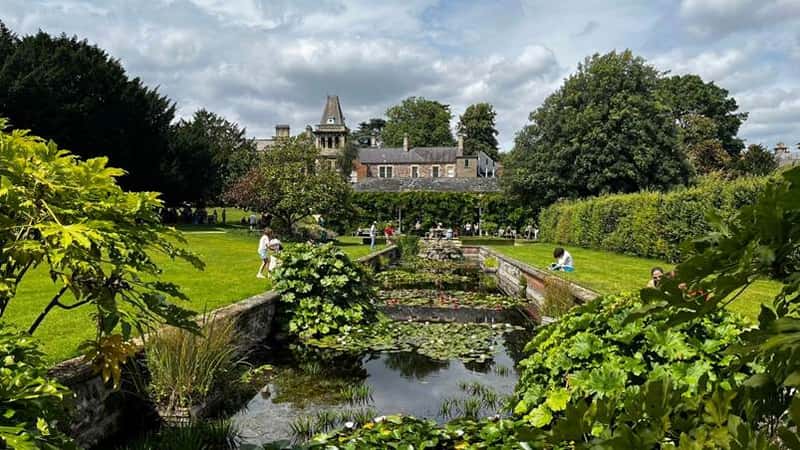
At some point, I realized I wanted to feel like a very composed, slightly eccentric English lady taking tea in a garden. Naturally, I went to Goldney House. Its gardens are elegant and restrained, laid out in the 18th century as part of a merchant’s estate, at a time when Bristol was thriving on trade and maritime wealth.
But the real surprise is hidden below: the grotto. Lined with shells, glass, and minerals, it’s theatrical, strange, and deeply charming. Standing there, I thought: ok, so this is what happens when rational architecture meets a playful imagination. Built in the mid-1700s as a private curiosity, it’s lined with shells, glass, minerals, and semi-precious stones arranged in intricate patterns—an extravagant, almost surreal expression of Enlightenment-era fascination with nature, science, and ornament.
How to Get There (and Move Around Like a Local)
Reaching Bristol is refreshingly straightforward, which partly explains why it feels so plugged into the world. The city has its own airport, Bristol Airport, with direct connections to many European cities and easy links via London for international travelers. From the airport, buses and taxis bring you into the city center in about 30 minutes. Coming from London, the train is often the most pleasant option. Direct services from Paddington Station reach Bristol Temple Meads in roughly 90 minutes, delivering you straight into the heart of the city. Temple Meads itself is an architectural statement—industrial, historic, and very much in character.
Once you’re in Bristol, the best way to move around is on foot. It’s a city of hills, yes, but also of walkable distances, especially if you’re staying centrally. Buses cover most areas efficiently, and for longer stretches, ride-hailing apps are widely used. I walked a lot—up to Clifton, down into the Avon Gorge, across neighborhoods—and that, more than anything, helped me feel anchored. If you want to explore the surroundings—Ashton Court, the gorge, or nearby countryside—having a car can help, but it’s not essential. Bristol rewards slow movement. The more you move through it at human speed, the more it opens up.
More Moods to Come
By the time I started recognizing familiar corners and developing small routines—where to stop for coffee, which streets felt best in the early evening—I realized I had only scratched the surface of Bristol’s emotional range. The city kept offering new ways of being: more layered, unexpected, sometimes contradictory in the most interesting ways. This first set of moods gave me a framework, a way to read Bristol through experience rather than checklist. But there’s more to explore—different atmospheres, different energies, different versions of the city waiting to be stepped into. I kept following that instinct, one mood at a time. It you want to know more, stay tuned for Part 2.