A weekday morning on the lower paths of Fushimi Inari used to feel like a walk through a quiet shrine. Today it can feel more like a queue with scenery. Kyoto has always drawn admirers, yet the past few years have changed how a visit actually plays out.
Some of those changes are physical, like fuller buses and narrower sidewalks. Others are written into law, city ordinances and small signs on private lanes. Here is what has shifted since 2024, and what the record says about why.
A National Surge Sets the Stage
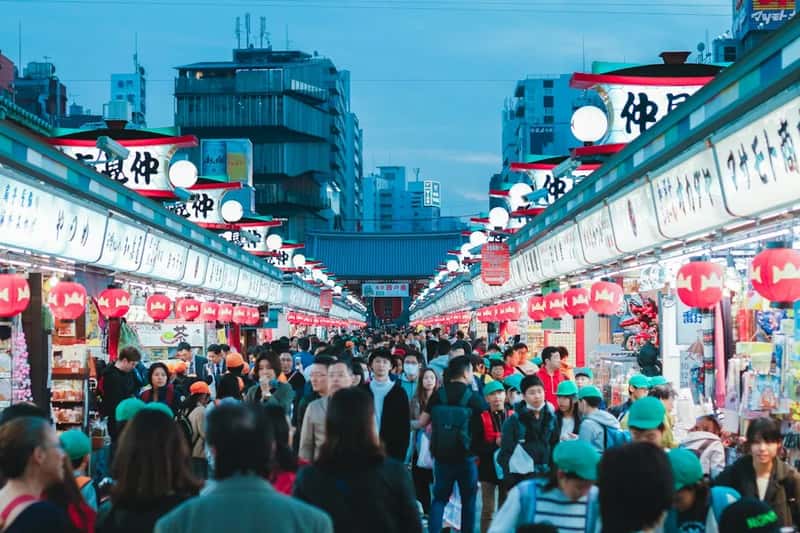
Kyoto’s crowds start with a national number. Japan welcomed 42,683,600 international visitors in 2025, up from 36.86 million in 2024.[1] That is a jump of several million people in a single year, and Kyoto sits on nearly every first time itinerary.
The pace has cooled a little in 2026. The first six months brought 21,084,800 visitors, 2.0 percent fewer than the same period of 2025.[2] Even so, that is still more than twenty one million arrivals in half a year, so the pressure on popular cities has not gone away.
Numbers That Show Kyoto’s Scale
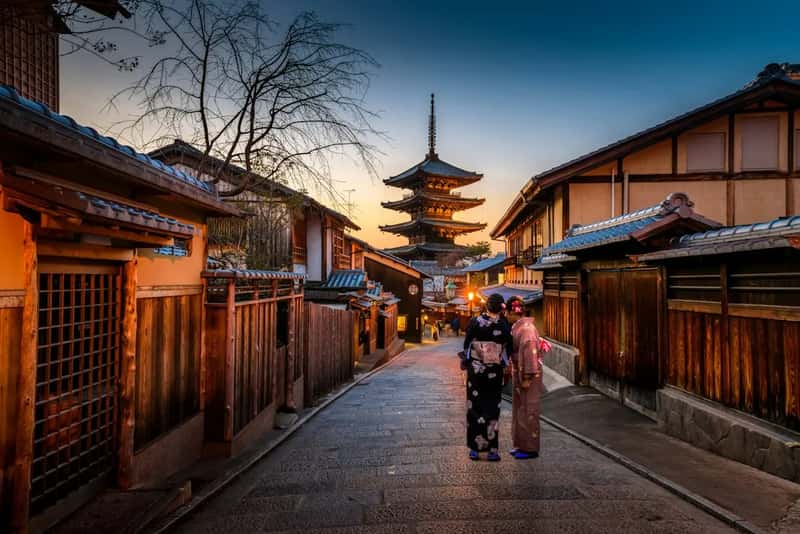
Kyoto is not a huge city. One travel commentary puts its population at just over 1.5 million, with more than 50 million annual visitors.[3] Visitor counts of this kind usually include domestic travelers as well as people from abroad, so they shouldn’t be read as an overseas only figure.
Still, the ratio explains a lot. A few famous districts absorb most of the attention, so the strain lands on the same handful of streets, temples and bus stops. Residents feel that concentration far more than any citywide average would suggest.
Fushimi Inari and Arashiyama at Peak Hours
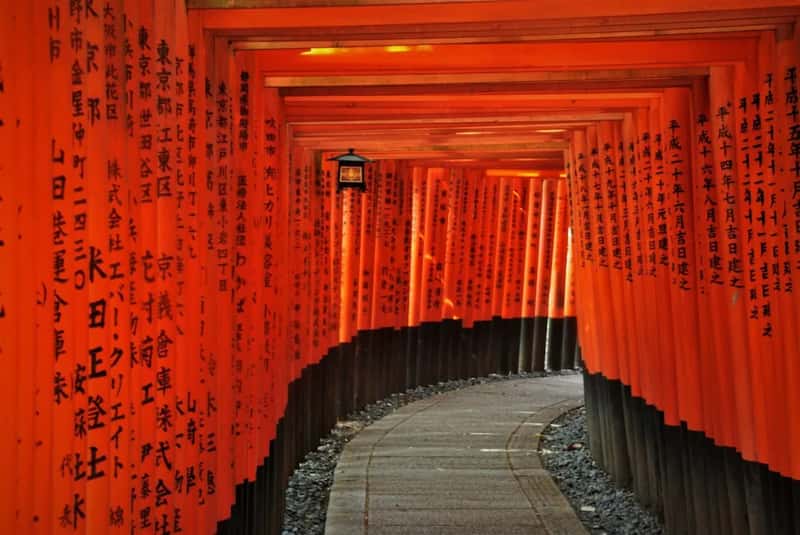
The best known sites now come with a timing strategy. One 2026 guide to overtourism reports that crowds at Fushimi Inari start building from 7 AM and peak until sunset.[4] The same guide describes the Arashiyama Bamboo Grove path as narrow and shoulder to shoulder from 9 AM onward.[4]
These are descriptions from a travel blog rather than official counts, so treat them as a rough guide. They do match the wider picture, though. Early mornings and late evenings are when many visitors now try to catch these places at something close to their intended pace.
Who Fills the Shops and Streets
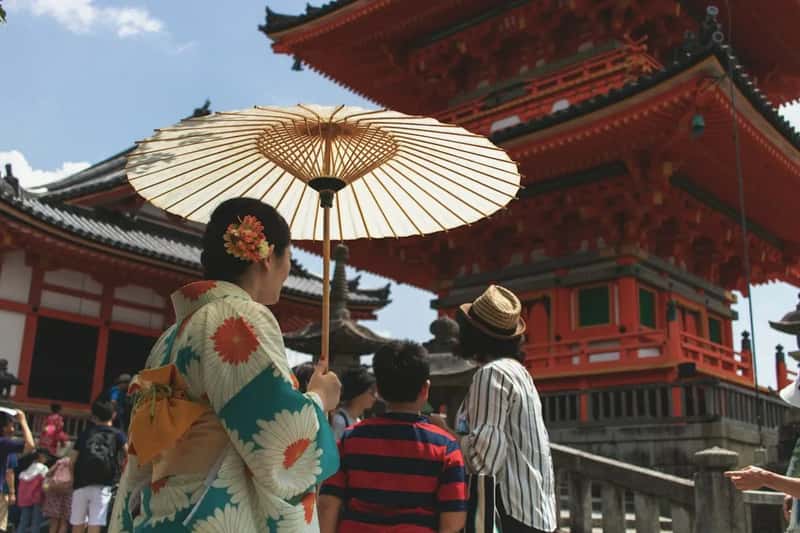
The crowds have also changed who Kyoto’s businesses serve. Shopkeepers around Fushimi Inari Taisha report that roughly 80 to 90 percent of their customers are from overseas.[5] In other words, the shops there now serve mostly foreign visitors, with Japanese customers making up only a small share.
That shift affects more than sales. It changes the languages on menus, the products on shelves and the feel of the streets near major shrines. For Japanese travelers who once treated Kyoto as a classic autumn trip, the city can feel like a different place.
Gion Draws a Line on Private Alleys
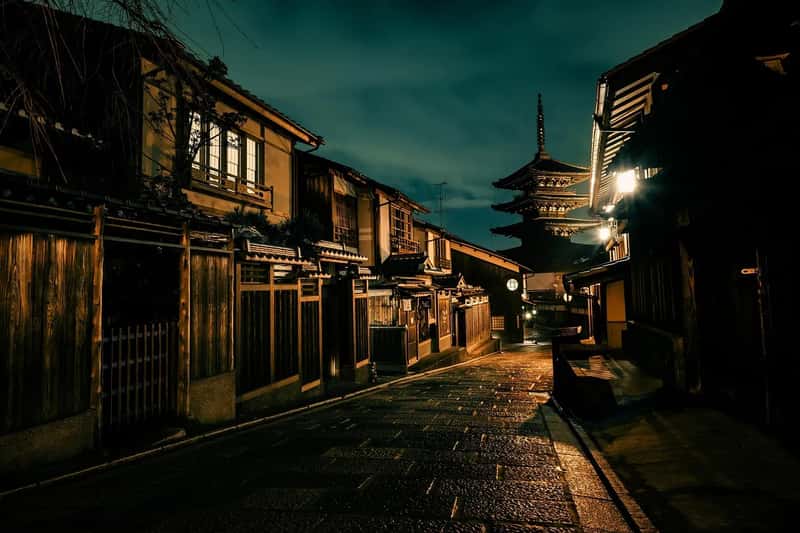
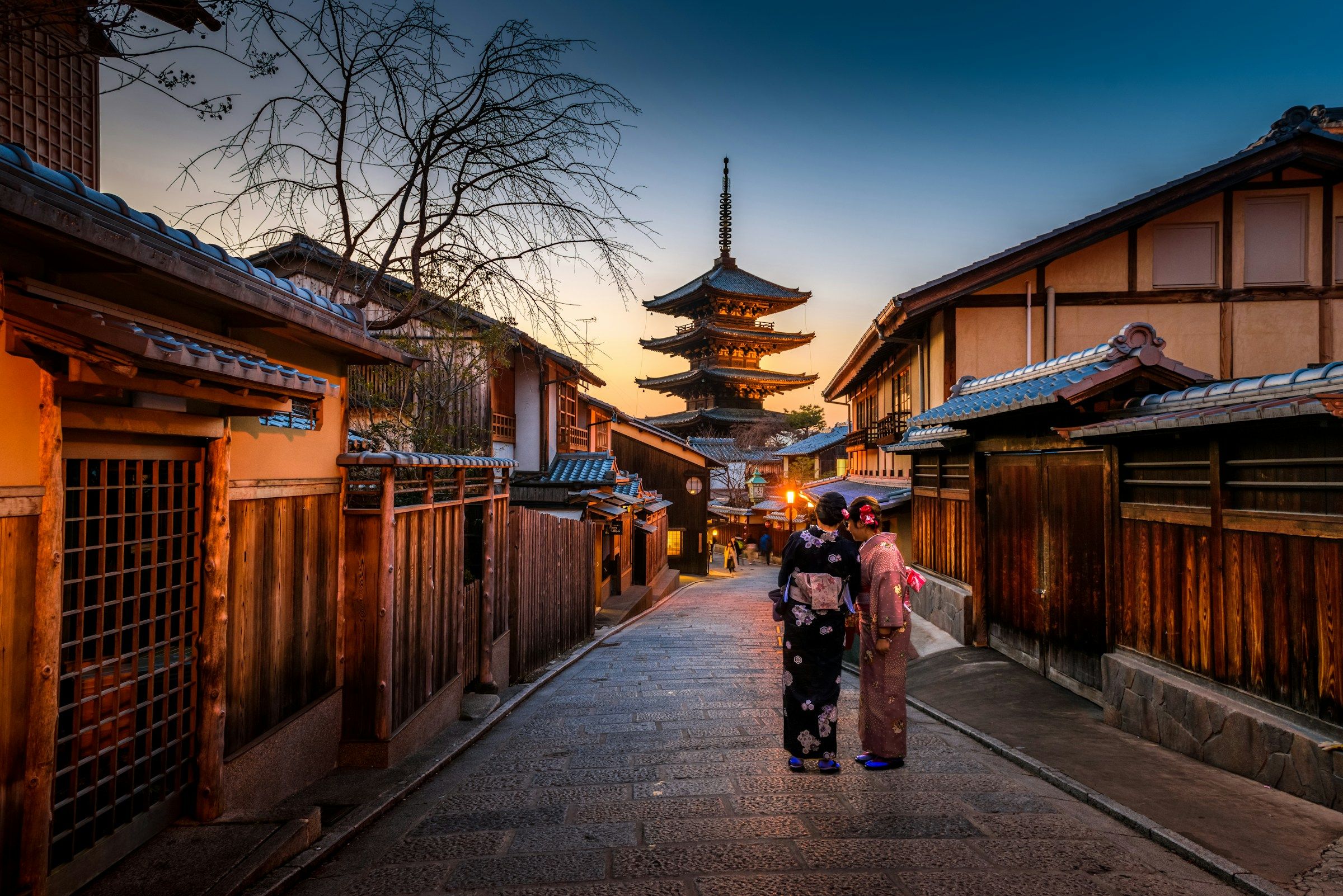
Nowhere has the tension been sharper than Gion. Residents and shop owners there forbade photography on private roads, with a ¥10,000 fine beginning October 25, 2019.[6] Later, multilingual signs were installed beside private roads from April 2024, warning trespassers of a ¥10,000 penalty.[7]
Gion has not been closed to visitors. The ban applies to private alleys within the Hanamikoji area, not the main public streets.[8] The reasoning is about safety and privacy, since the narrow roads can easily become overcrowded, especially with tourists who follow maiko and geiko.[9]
A New Five Tier Hotel Tax
On March 1, 2026, Kyoto changed what it costs to sleep in the city. The Ministry of Internal Affairs and Communications gave its approval after Kyoto’s city assembly endorsed the proposal.[10] The tax is charged per person, per night, and the rate depends on the room price.
Under the new structure, stays under 6,000 yen a night carry a 200 yen tax, while rooms of 100,000 yen or more carry 10,000 yen.[11] In between, the rates rise to 400, 1,000 and 4,000 yen. Children under 12 are exempt.[12]
Where the Extra Revenue Is Meant to Go
The city has said openly what the money is for. Officials have been explicit that tourists must bear the cost of countermeasures against overtourism.[13] The city’s own stated aim is to further promote harmony and compatibility between civic life and tourism.[14]
The scale of the change is large. Revenue is projected to nearly double, from 5.9 billion yen to 12.6 billion yen a year.[13] Since the old rates had stayed put since October 2018, this is the first major revision in almost eight years.
Buses, Slopes and Ways to Get Around
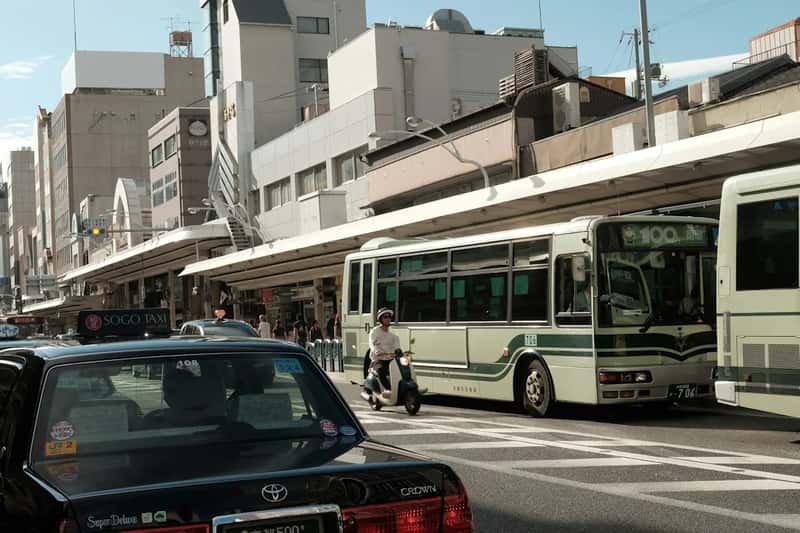
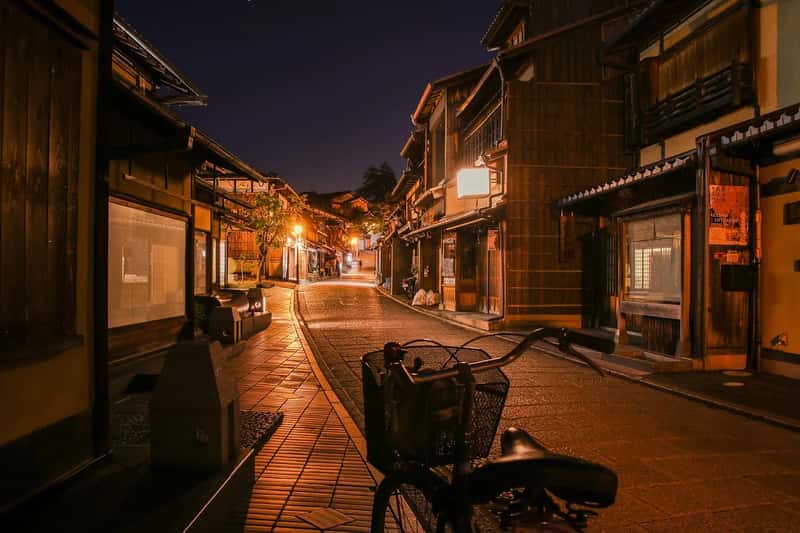
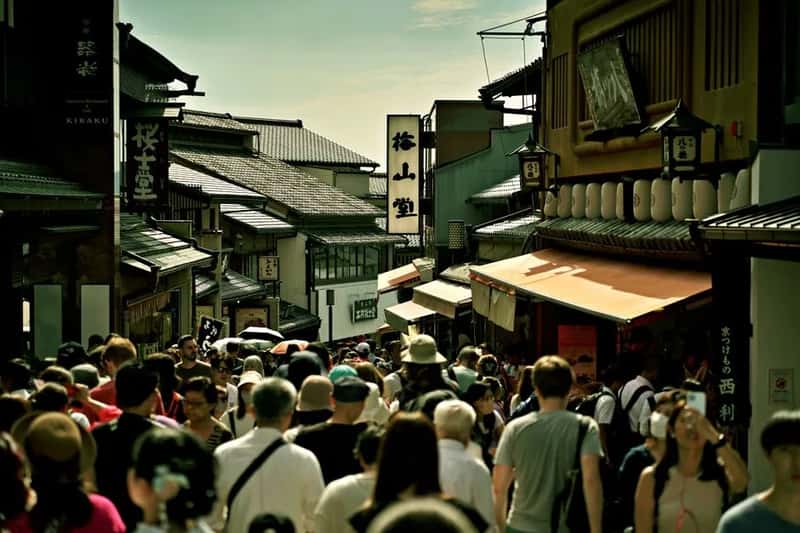
Getting around has become part of the experience too. Kyoto’s crowding shows up on public buses, along scenic streets like Sannenzaka and Ninenzaka, and at ancient temples.[15] Locals and visitors often share the same bus lines, which is where the strain is most visible.
The city has tried some practical fixes. These include special sightseeing buses that cater to tourist needs.[15] Meanwhile, visitors are being nudged to spread out, since authorities are encouraging travellers to explore different regions, travel during quieter periods and enjoy lesser known attractions.[16]
Etiquette Becomes Part of the Itinerary
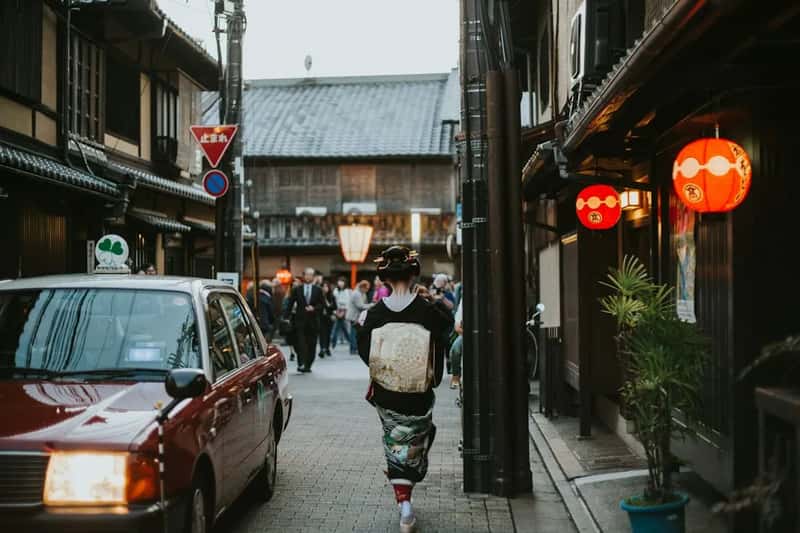
Visiting Kyoto now comes with a short list of manners. The city has released an etiquette guide for Gion, and its rules include not stopping in the middle of the street, not touching paper lanterns, not entering private property, not smoking on the street, and not photographing geisha or maiko without permission.[17]
Other advice is practical rather than legal. One traveler review suggests booking a morning walking food tour at Nishiki Market,[18] which gets very crowded in the afternoon.[18] Small habits like these are now part of how many people plan a day in the city.
What Comes Next for Kyoto Visitors
Kyoto now charges more to stay overnight, and the city has said the funds will go toward managing crowds. The tax has been in effect since March 2026, so its effects on the visitor experience are still developing.
Arrivals across Japan remain above twenty million for the first half of 2026, even with a small decline. Private alley rules in Gion, fines of ¥10,000 and the five tier hotel tax are all in place for anyone planning a trip.