Luxury travel used to feel like something reserved for the wealthy. Private villas, five-star resorts, first-class flights – all of it seemed out of reach for the average traveler. But here’s the thing: that’s changing fast. Smart travelers are finding ways to experience high-end vacations without draining their savings accounts. They’re staying in stunning properties, dining at acclaimed restaurants, and flying in comfort, all while spending a fraction of what you’d expect.
The secret isn’t about cutting corners or settling for less. It’s about knowing where to look and how to play the system. From leveraging credit card rewards to timing bookings just right, there are strategies that can turn a dream getaway into reality. Let’s dive into how everyday travelers are unlocking luxury experiences without the luxury price tag.
Mastering Credit Card Rewards Programs

Credit card points have become one of the most powerful tools for affordable luxury travel. Many travelers are racking up hundreds of thousands of points simply by using the right cards for everyday purchases. The key is choosing cards with generous sign-up bonuses and spending requirements you can actually meet.
Some premium travel cards offer enough points after initial spending to cover an entire international flight in business class. Others focus on hotel stays, giving you free nights at properties that would normally cost hundreds per night. The trick is understanding which programs offer the best value for your travel style.
What makes this strategy so effective is the compound effect. Using multiple cards strategically, paying off balances monthly, and timing big purchases around bonus periods can accelerate point accumulation dramatically. People are literally flying to Europe in lie-flat seats and staying in luxury resorts for the equivalent of a modest vacation budget.
Booking During the Sweet Spot

Timing matters more than most people realize. Luxury hotels and resorts have predictable pricing patterns, and savvy travelers have figured out exactly when to strike. The window between three and six months before travel often yields the best rates, before last-minute pricing kicks in.
Shoulder season travel is another game-changer. Visiting destinations just before or after peak season means you get the same five-star property, the same amenities, sometimes even better weather, but at rates that can be 40-60% lower. A beachfront resort in the Maldives that costs $1,200 a night in December might be $450 in November.
Flash sales and mistake fares create unexpected opportunities too. Airlines and hotels occasionally release deeply discounted rates, sometimes by accident. Travelers who follow deal alert services have scored business class flights to Asia for coach prices and luxury hotel stays for motel rates.
Leveraging Bidding and Upgrade Systems

Many airlines now offer bidding systems where you can name your price for an upgrade to business or first class. If you bid strategically, you might pay an extra $200-400 to upgrade a flight that would have cost $2,000 more if booked directly in premium class.
Hotels have similar systems through platforms that let you bid on room upgrades. You might book a standard room but bid on a suite upgrade. Often, especially midweek or during slower periods, hotels accept surprisingly low bids because the rooms would otherwise sit empty.
The psychology here works in your favor. Hotels and airlines would rather sell an upgrade cheaply than have empty premium seats or rooms. It’s basically found money for them. Travelers who understand this dynamic are consistently experiencing luxury for substantially less.
Using Luxury Travel Auction Sites
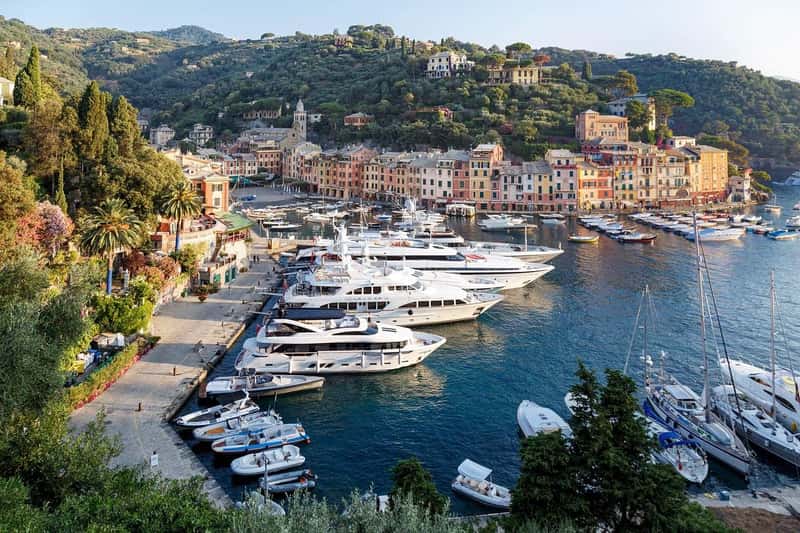
Specialized auction platforms have emerged where travelers can bid on vacation packages at luxury properties worldwide. These aren’t sketchy operations but legitimate marketplaces where resorts list unsold inventory at steep discounts.
A week at a luxury villa in Tuscany that normally runs $5,000 might start at $1,500 in an auction. The catch is flexibility. You might need to travel during specific windows, but if your schedule allows it, the savings are remarkable. Some travelers report getting 70% off standard rates.
The best results come from bidding strategically. Setting a maximum budget, bidding at the last moment, and being open to alternative dates all improve your chances. People are landing stays at properties they never thought they could afford.
Booking Through Luxury Travel Agents

This might sound counterintuitive, but specialized luxury travel agents often secure better deals than booking directly. They have relationships with properties that include perks like room upgrades, resort credits, free breakfast, and spa treatments that aren’t available to the public.
Many luxury hotel chains have preferred partner programs with select travel agencies. Booking through these partners costs the same as booking directly, but you get hundreds of dollars in added value. It’s essentially free money that makes your stay significantly more luxurious.
Virtuoso and other luxury consortia connect travelers with these benefits. A $500 per night hotel room booked through the right agent might come with $100 daily resort credit, free breakfast worth $80 per day, and a room upgrade. That’s $260 in added value per night without spending extra.
Renting Luxury Homes During Off-Peak Times

Vacation rental platforms have opened access to incredible properties that rival or exceed five-star hotels. Private villas with pools, beachfront estates, and mountain chalets become surprisingly affordable when split among a group or booked during slower seasons.
A luxury villa in Bali that accommodates eight people might cost $400 per night off-season. Split eight ways, that’s $50 per person for accommodations that would cost $300-500 per night per person at a comparable resort. The experience is often better too, with private space, local authenticity, and complete flexibility.
Last-minute bookings on these platforms can yield incredible deals. Owners would rather accept a lower rate than have their property sit empty. Travelers with flexible schedules are finding 50% discounts just by booking a week or two before arrival.
Taking Advantage of Error Fares and Glitches

Every so often, airlines accidentally publish fares at wrong prices. Business class tickets to Asia get listed at economy prices. First class transatlantic flights pop up for $500 instead of $5,000. These mistakes usually get corrected within hours, but savvy travelers jump on them immediately.
Following social media accounts and websites dedicated to finding these deals is essential. When a mistake fare drops, you have to act fast. Book first, ask questions later. Most of the time, airlines honor these tickets even after discovering the error.
I know it sounds crazy, but people really are flying in luxury cabins for absurd prices through these glitches. It requires vigilance and flexibility, but the payoff can be extraordinary.
Using Points and Miles for Aspirational Travel

Beyond credit card rewards, airline and hotel loyalty programs themselves offer paths to luxury. Consistently flying one airline alliance or staying with one hotel chain accumulates elite status and points that unlock premium experiences.
The magic happens when you transfer points between programs strategically. Credit card points often transfer to multiple airline and hotel partners. Finding sweet spots where point values are highest lets you book luxury for fewer points than expected.
Some travelers have mastered this to an art form, flying first class internationally multiple times per year while earning middle-class incomes. It requires research and planning, but the system is absolutely accessible to anyone willing to learn it.
Booking Luxury Hotels on Third-Party Platforms

Hotels sometimes offer their best rates through third-party booking sites rather than direct booking. While you might miss some loyalty benefits, the savings can be substantial enough to make up for it. Luxury hotels in major cities often appear on these platforms at rates 30-40% below published prices.
Secret hotel deals, where the specific property isn’t revealed until after booking, offer even deeper discounts. You select the star rating, neighborhood, and amenities, then book blind. The gamble usually pays off, especially in competitive markets where multiple luxury options exist.
Combining these third-party bookings with cashback portals adds another layer of savings. Getting 8-12% back on an already discounted luxury hotel booking means you’re paying roughly half of what walking into the same property would cost.
Traveling Like Locals in Luxury Destinations

Some destinations offer luxury experiences at dramatically lower prices than others. Bali, Portugal, Croatia, and parts of Southeast Asia provide five-star accommodations and services for what you’d pay for three-star in Paris or New York.
A luxury spa resort in Bali might cost $150 per night with full breakfast, infinity pools, and stunning views. The same caliber property in the Caribbean would be $600-800. The experience is equally luxurious, just in a destination where your money stretches further.
This geographic arbitrage lets travelers enjoy the luxury lifestyle without the typical price tag. Combine it with the other strategies here, and you’re looking at genuinely transformative travel experiences on realistic budgets.
Conclusion

Luxury travel isn’t just for the ultra-wealthy anymore. The combination of reward programs, strategic booking, timing, and knowing where to look has democratized access to experiences that once seemed impossible. Smart travelers are flying in premium cabins, staying at world-class properties, and creating memories that rival anything money alone could buy.
The key is treating travel planning like a skill worth developing. It takes some effort upfront, but the returns are extraordinary. What seemed like dream vacations become achievable goals when you understand the system. Have you tried any of these strategies? What luxury destination would you target first?