Every seasoned traveler has a strategy. Some swear by the window seat, others live and die by the aisle. But when I started asking travel professionals, flight attendants, and aviation researchers the same simple question – where should you actually sit? – they all circled back to the same warning. There is one spot on the plane that consistently earns the title of worst seat, and it is not always the one most people assume. Knowing which seats to avoid could genuinely change the quality of your entire trip.
The Back Row: The Spot Every Expert Agrees You Should Skip
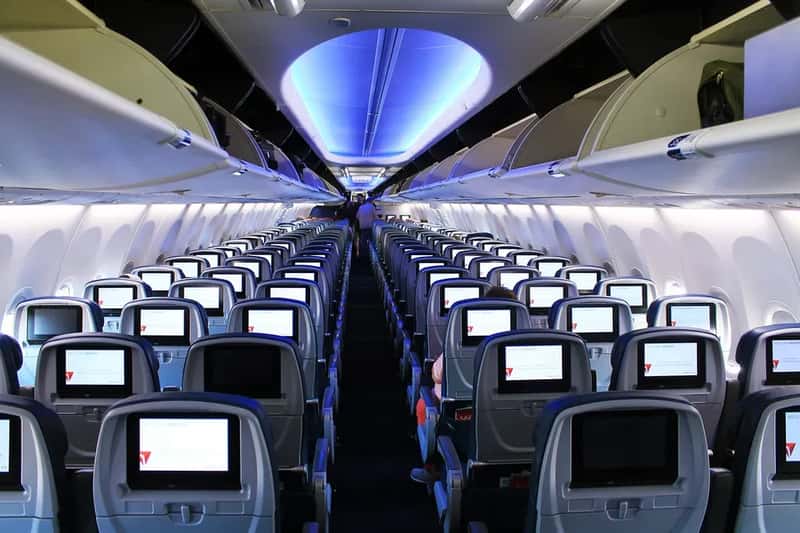
The worst seats are generally “in the last row of the aircraft,” according to David Duff, former Content Specialist at SeatGuru. “The seats there more than likely have limited recline, and the proximity to the lavatory and galley are going to be bothersome since you are dealing with noises, smells, people queueing to use the lavatory, and the flight crew opening and closing storage compartments and chatting.” That is already a long list of complaints before you even consider what you are missing. Many times, the windows are also missing at those seats, and on top of all that, you are going to feel turbulence more toward the back of the plane – and being in the back also means you are one of the last ones off, which is not ideal if you are trying to make a tight connection.
Sam Argyle, Managing Director at Alternative Airlines, says passengers often overlook other seating factors that have a far greater impact on comfort, noise, movement, and even post-flight fatigue. “Most flyers focus on avoiding the middle, but the back of the aircraft – near toilets and galleys – tends to be consistently worse for comfort,” Argyle said. “You get engine noise, foot traffic, odours, and you’re the last to get off the plane.” It is a combination of problems that adds up fast, especially on a long-haul flight where rest is critical.
Why the Middle Seat Is Miserable – But Not the Worst
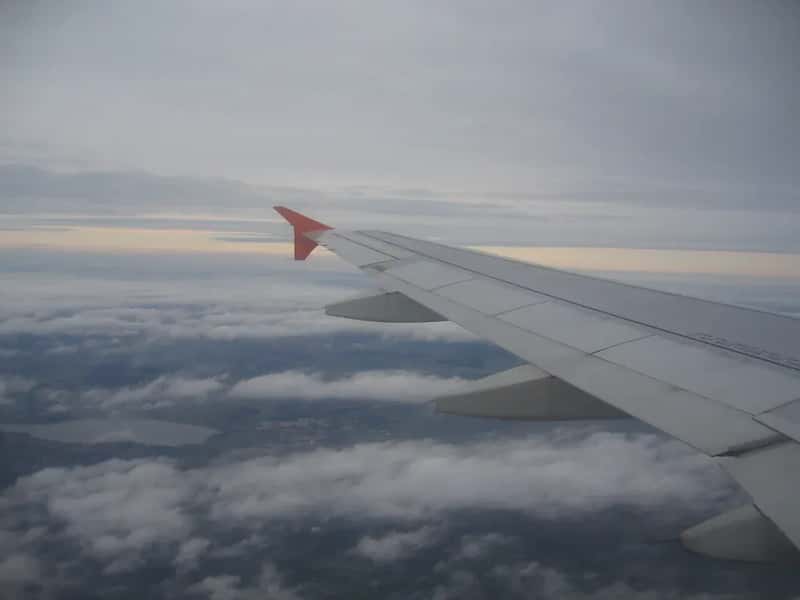
Most passengers, roughly two thirds, prefer a window seat, while about a third prefer an aisle seat, and a remarkably low fraction – under two percent – actually prefer a middle seat. That survey, conducted in June 2024 by Upgraded Points across more than 3,100 U.S. passengers, tells you everything you need to know about what passengers feel when they are sandwiched between two strangers. More than half of passengers say their seat neighbor often infringes on their personal space during the average flight.
Middle seats have long had a bad reputation, but travel experts say they may not actually be the biggest comfort issue on board. The back row takes that title, precisely because it layers every disadvantage together: no recline, maximum noise, maximum smell, and maximum turbulence sensation. Seats in the back get worse the further back you go. The last row does not recline, so you will be forced to sit upright for the entire flight, and those seats are also closest to the lavatories.
Turbulence Is Not Equal Across the Cabin
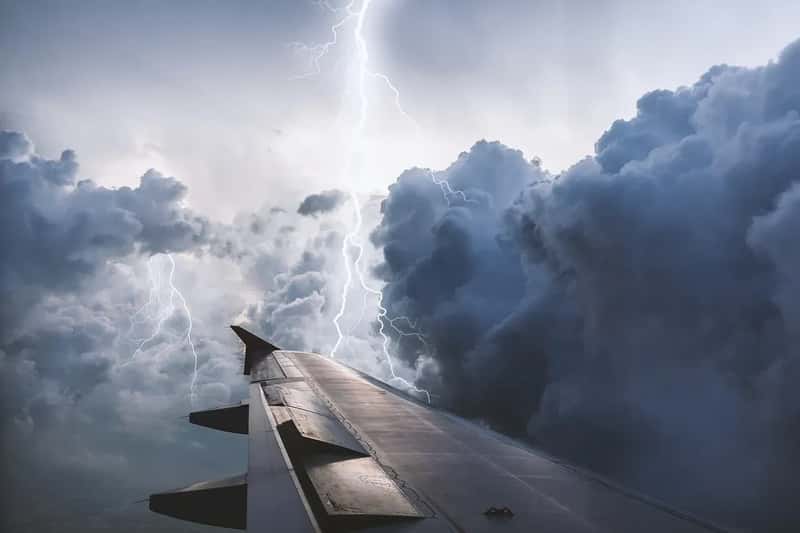
Seats towards the back of the plane tend to experience more turbulence than those towards the front, and those who experience motion sickness should avoid seats in the back at all costs. Seats in the back are away from the wings, which causes a more turbulent ride. This is a physics issue, not just a comfort preference. Midship cabins are the stateroom of choice for cruise ship passengers looking to lessen the effects of rough seas, and those rooms are ideal for reducing motion for the same reason over-wing seats tend to be the calmest spot on an airliner – they are closest to the vessel’s center of gravity.
The back rows also feel more turbulent, especially during landing or in bad weather, because the back of the plane is behind the wings, so it will experience more movement – and passengers who are afraid of flying or prone to motion sickness should avoid these seats. Flight attendants who spoke to travel experts at Alpine Elements confirmed this observation directly. Flying earlier in the day also helps, as turbulence tends to be less frequent in the early morning. As the day progresses, heat from the sun can create thermal currents and instability in the atmosphere, especially over land, which can make afternoon and evening flights a bit bumpier.
The Seat in Front of the Exit Row Is a Hidden Trap
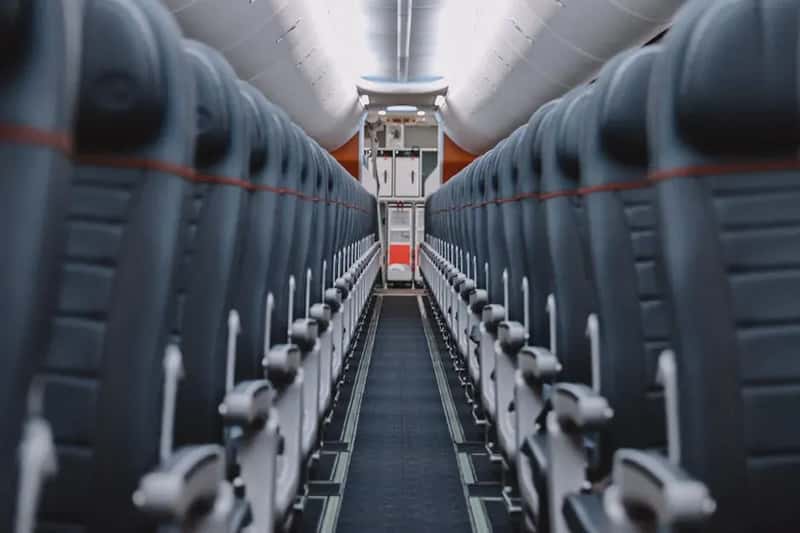
Travel writers and experts steer clear of the seats one row in front of the exit row, since these seats have their recline mechanisms disabled so they do not block the emergency exits if people need to leave the plane in a hurry. This surprises many travelers who pick that row hoping for a slightly calmer experience. To ensure that exit rows remain clear for emergencies, the row in front of the exit row is lined with seats that do not recline, or recline only very slightly – and for safety, it makes perfect sense.
A flight attendant posted on Reddit confirming that the row directly in front of the exit row will not recline. It makes sense from a safety perspective, since you want people to access the emergency exits as easily as possible if something goes wrong onboard. Some people argue you should never recline anyway, so the non-reclining factor would not be a problem, but it is certainly nice to at least have the option. On overnight or long international flights, being stuck upright is a legitimate hardship that compounds fatigue significantly.
Bulkhead Seats Look Appealing – Until They Are Not
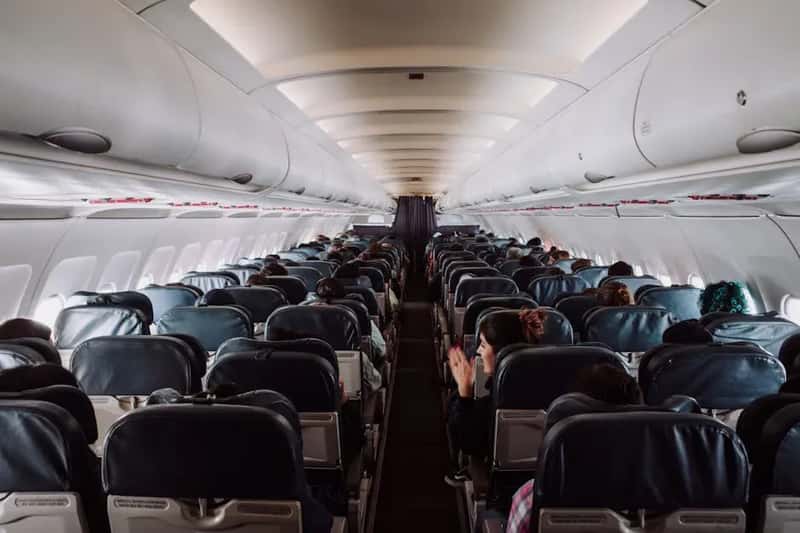
Bulkhead seats are seats behind a wall on the plane, generally in the first row of the main cabin, though they can appear in other spots. While they do offer benefits such as being towards the front of the plane, they have serious drawbacks. Since there is a wall in front of bulkhead seats, there is no place to store personal items or bags in front of you, meaning all of your bags and personal items must go in the overhead bin. For anyone who likes to reach into their bag mid-flight, that becomes genuinely frustrating. On some planes, the overhead bin space above bulkhead seats is taken by the crew, which may mean you have to store your bags many rows behind your actual seat. If that happens, you could potentially have to wait for everyone else to deplane before retrieving your bags – completely defeating the purpose of sitting in the first row.
On larger airplanes with two aisles, the bulkhead positions are often where the bassinet travel cribs can be set up. As a result, if you select these seats you may end up being moved to make way for a baby, even at the last minute, leaving you with a reduced choice. And if you are the sort of person to be annoyed by babies crying or fussing, you should steer clear of the bulkhead entirely. It is a seat that routinely gets marketed as a premium option but delivers a mixed experience at best.
How to Actually Find a Good Seat Before You Book
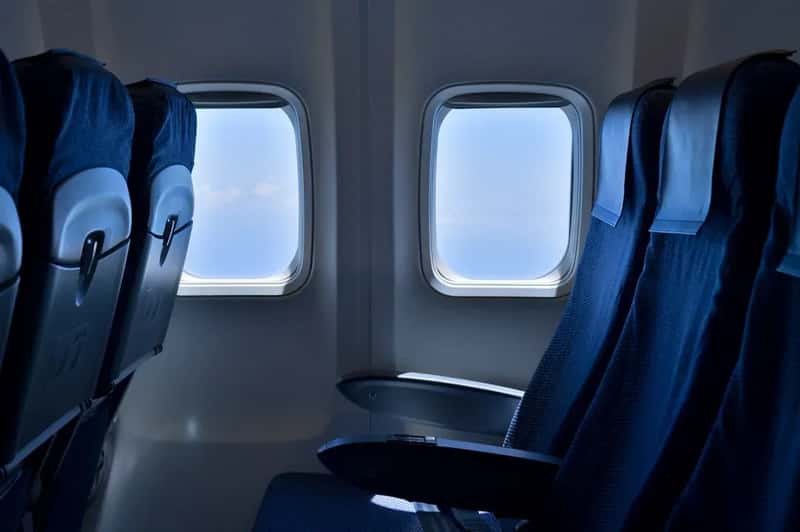
The window seat is ideal for those who want to enjoy the view and be somewhat isolated, offering a surface to lean on when sleeping and avoiding the issue of someone climbing over you to go to the toilet. However, if you are the kind of passenger who gets up frequently or likes a quick escape to the aisle, the aisle seat is a much better choice. Aisle seats offer more legroom to stretch out, especially useful on long-haul flights, but you have more chance of getting bumped into by passengers and crew. Neither option is universally better – it depends entirely on your flying habits.
Seat pitch and width are two of the most important, and often most misunderstood, factors. Research shows short-haul economy seat widths can be as little as 15.5 inches, while long-haul cabins typically range between 16.2 and 18 inches. Airlines are not required to follow any standards for minimum airplane seat pitch, so this can greatly affect your seat comfort, especially if someone reclines their seat back. Tools like seat map websites let you inspect these specs before booking, and checking them takes only a few minutes – time that is well worth spending when you have a long flight ahead. Seat layouts can be checked when booking or on dedicated websites that display the configuration of nearly every commercial aircraft in service.