Canceling a cruise feels a bit like admitting defeat. You’ve picked the dates, maybe told friends, and a cabin is waiting with your name on it. Still, once I looked closely at what’s happening across the industry in 2026, the decision turned out to be easier than I expected.
This isn’t a claim that cruising is dangerous or that nobody should sail. It’s a look at the evidence on health, crowding, port restrictions, emissions and money, so you can decide whether your own booking still makes sense.
The Outbreak Numbers Gave Me Pause
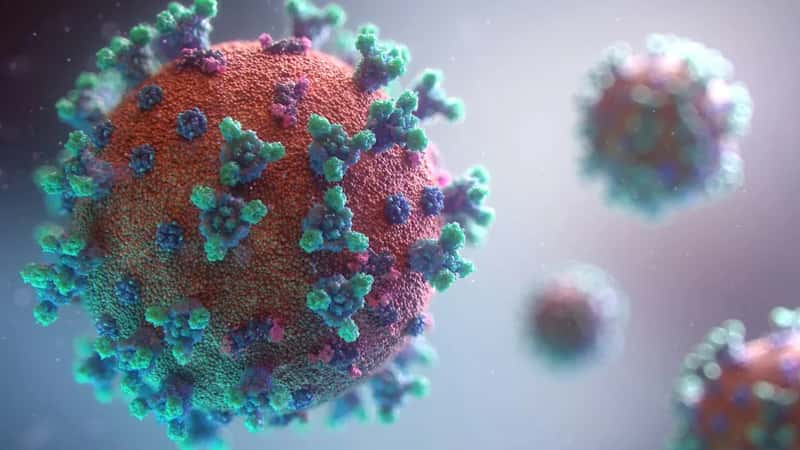
One analysis of CDC data counts 23 posted cruise ship gastrointestinal outbreaks in 2025, up from 18 in 2024 and 14 in 2023.[1] Norovirus caused 18 of those 23.[1] A tracker built on the CDC’s Vessel Sanitation Program list shows nine outbreaks posted so far in 2026: five confirmed norovirus, two E. coli, and two still listed as unknown.[2]
Individual voyages can be rough. The Caribbean Princess left Fort Lauderdale on April 28, 2026, and the final count was 102 passengers and 13 crew sick.[3] Princess Cruises has had three outbreaks this year, spread across three different ships.[2] The year also opened with a Holland America sailing on the Rotterdam, where nearly 90 passengers and crew fell ill.[4]
What Those Numbers Do and Don’t Mean
The list needs context. The CDC posts an outbreak when 3% or more of passengers or crew report gastrointestinal symptoms.[1] So a posted outbreak can mean a small share of a very large ship. One tracker notes the post-pandemic rise may partly reflect higher passenger volumes and improved reporting.[5]
There’s also a reporting question. One food safety publication reports that HHS eliminated the civilian staff of the Vessel Sanitation Program in April 2025, leaving roughly a dozen people.[6] I can’t verify how that affects the program day to day. Still, it makes me cautious about reading a quiet list as a clean bill of health.
Record Crowds Are the New Normal
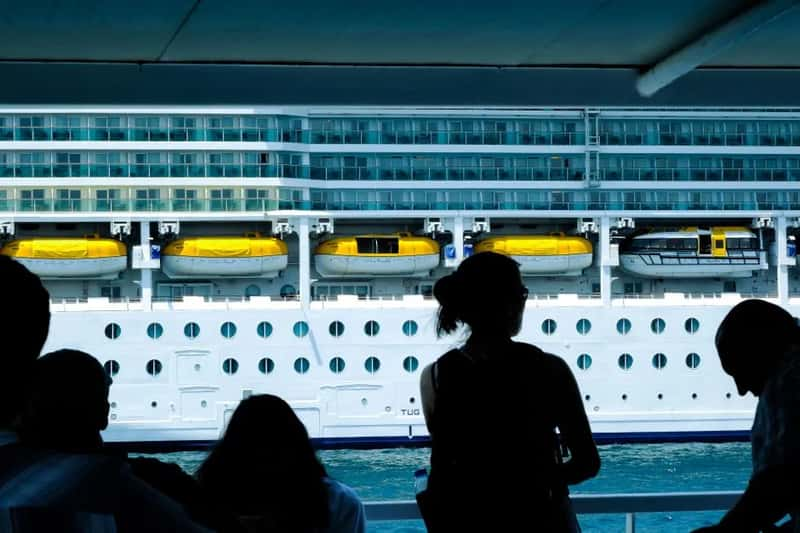
Cruising has never been busier. CLIA reported a historic high of 37.2 million global passengers in 2025.[7] The group expects 38.3 million to sail in 2026.[8] That’s the fourth straight year of growth.
The growth isn’t slowing soon. CLIA projects 42.1 million passengers in 2029, with 81 new ships on order between now and 2036.[8] More ships don’t automatically mean a more crowded experience on board. Even so, if your idea of a good vacation is a quiet deck and an uncrowded shore day, this trend works against you.
Ports Are Pushing Back
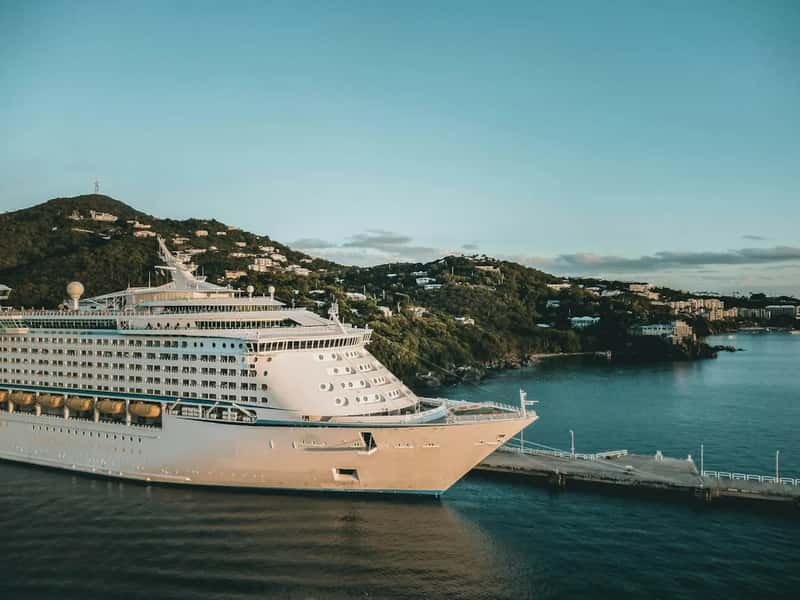
Many popular destinations are tired of the crowds. Amsterdam’s passenger terminal is limited to 100 ocean-cruise calls a year from 2026.[9] The city has set a longer-term goal of ending sea cruises by 2035.[9] Barcelona will cut its cruise berths from seven to five in 2026.[10]
The limits aren’t only in Europe. Bar Harbor, Maine voters approved a cap of 1,000 cruise passengers ashore per day, and a federal court ruled in February 2024 that the town can legally impose it.[11] Santorini has an 8,000-passenger daily ceiling.[9] One industry outlet says cruise companies now have to understand individual destination rules rather than rely on traditional port capacity assumptions.[9] For travelers, that means itineraries can shift, and the port you’re dreaming about may feel quite different from the brochure.
The Environmental Cost Is Hard to Ignore
Air pollution around ports is one of the most cited concerns. A Transport & Environment study found that Europe’s 218 cruise ships emitted as much sulphur oxides as 1 billion cars in 2022, despite the 2020 sulphur cap.[12] Reporting on the analysis put the total at 509 tons, up from 465 tons in 2019, because dozens of ships were added to fleets after 2019.[13]
Some caution is fair. Transport & Environment is an advocacy group, and Carnival has strongly disputed the conclusions of an earlier T&E report, calling it inaccurate and misleading.[14] The car comparison covers sulphur oxides specifically, not total climate impact, and the figures are from 2022. Cities are acting regardless. Air pollutants from cruise ships fell 80% in Venice after its ban on large ships[12], and Amsterdam will require ships at its terminal to use shore power only by 2027.[15]
The Money Question and the Fine Print
A low advertised fare is only the starting point. Gratuities, drink packages, specialty dining, Wi-Fi and shore excursions can add a lot, and so can flights and a hotel night before departure. I’d add up the realistic total before deciding a cruise is still a bargain. That total is the number to compare with other kinds of vacation.
If you’re thinking of canceling, read the terms before doing anything else. Cancellation penalties on most cruise bookings rise as the sailing date gets closer, so waiting usually costs more. Check your final payment date and ask whether you’d get a refund or only a future cruise credit. Travel insurance typically covers only the reasons listed in the policy, and optional cancel-for-any-reason coverage generally reimburses just part of what you paid, so read yours closely.
When Keeping Your Booking Still Makes Sense
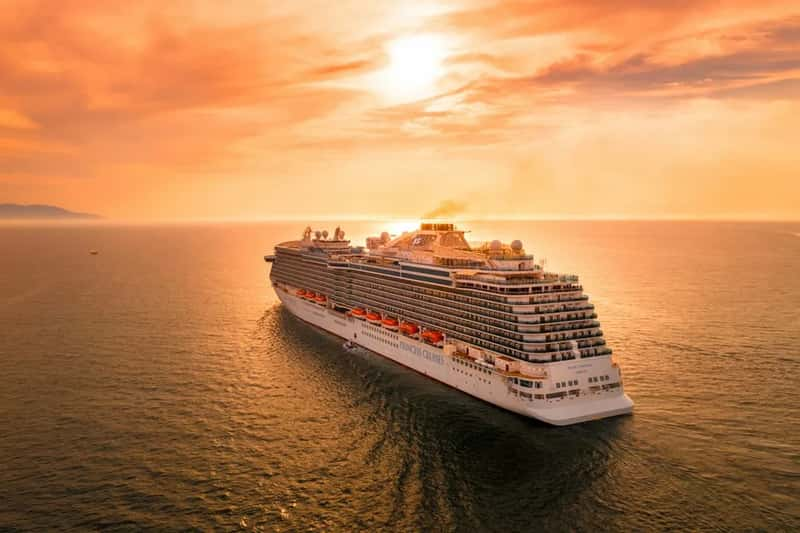
Plenty of people love cruising, and the data shows it. CLIA says nearly 90% of cruisers intend to sail again.[7] About 31% of passengers are first-timers.[16] CLIA is the industry’s own trade body, so I take those figures as a sign of satisfaction rather than a neutral verdict. Still, they’re a useful reminder that many travelers have a good time.
If you decide to stay booked, a few habits help. Wash your hands often with soap and water, since hand sanitizer is less effective against norovirus.[5] Check the CDC outbreak list for your ship before you sail. Think harder about the trip if anyone in your group is especially vulnerable to dehydration from stomach illness. Also look at whether your ports have new limits that might change your itinerary.
Conclusion
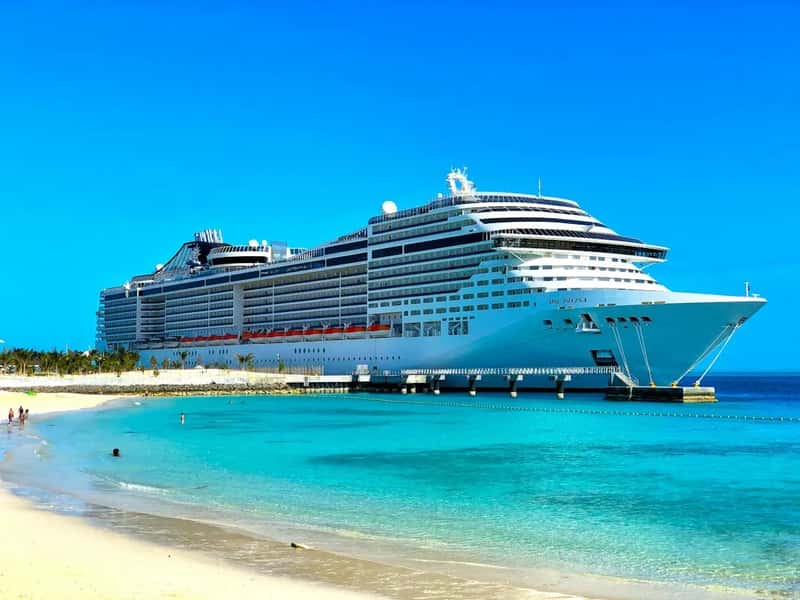
None of these reasons settles the question alone. Outbreak counts are rising, but they’re measured against record passenger volumes and a 3% reporting threshold. Ports are tightening limits, emissions research raises real questions, and the fine print can cost you more than you’d expect. Together they gave me enough doubt to cancel, and they might do the same for you.
The best time to ask whether a trip still fits is before the penalty schedule gets steep. A cruise should feel like a vacation you chose, not one you’re just too far into to leave.