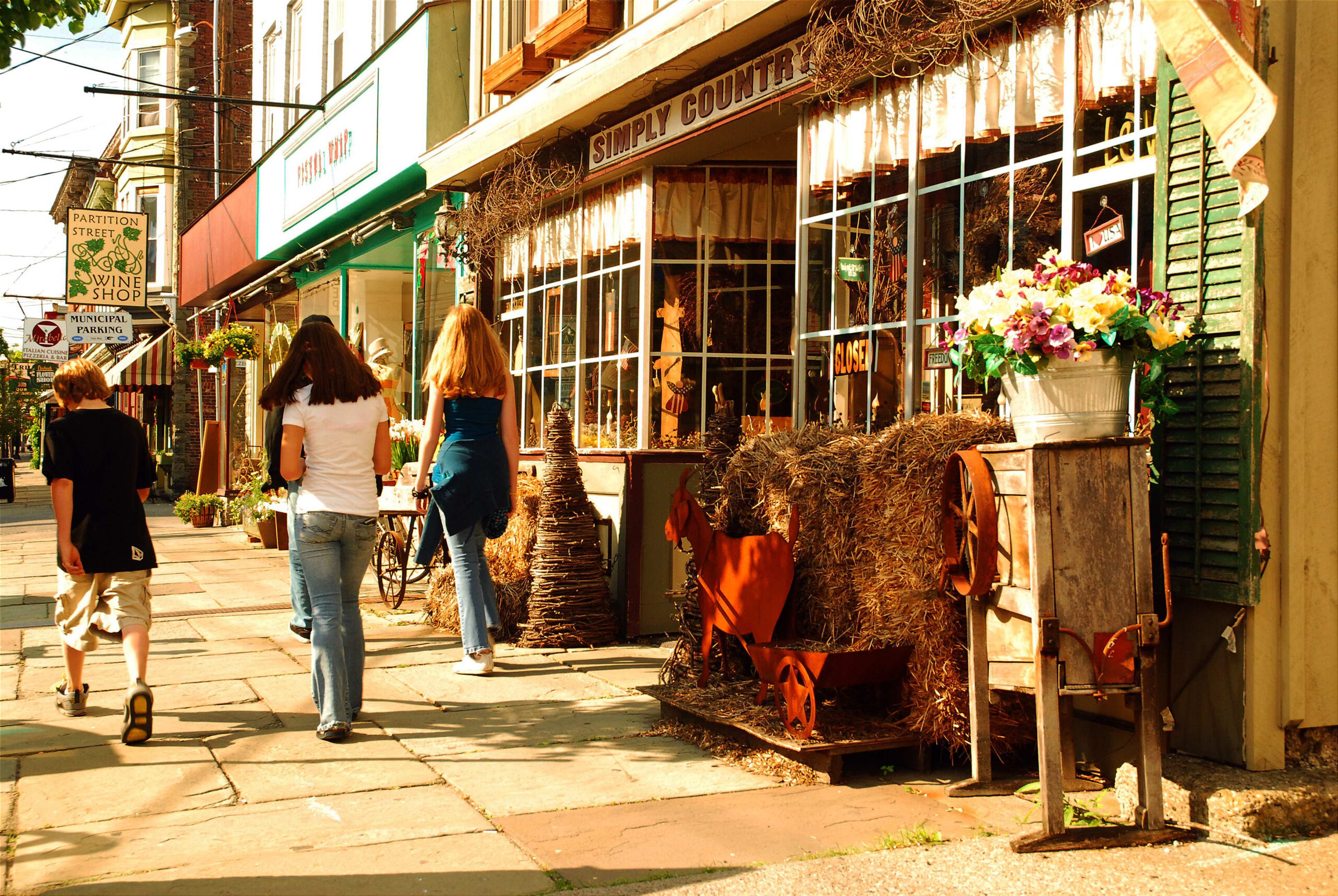
You are standing in front of something ancient and beautiful.
Your phone is already out.
The shutter fires before your eyes fully open.
The moment is captured. The moment is gone.
There is a specific kind of homesickness that hits you in the middle of a foreign city – not for a place, but for yourself. The version of you who used to look up. The version who let things land. We travel to escape the person we’ve become at home, then drag that person – anxious, screen-addicted, chronically performing – to every cathedral, canyon, and cobblestone alley we’ve paid good money to see.
We rush through airports, tick off attractions, capture photos, share them on social media, and return home feeling like we need another holiday to recover. The identity we wear online has become the lens through which we experience everything offline. The distance between who you are when you’re documented and who you are when no one is watching is so vast. It is time to put down your phone and experience travel as it should be, away from the constant nagging of the online world.
1. The Pocket Rule

It sounds almost insultingly simple.
Put the phone in your pocket. Leave it there.
Smartphones, typically used in an automatic or experientially avoidant way, can undermine mindfulness development, leading to a decreased capacity for presence. That’s not a lifestyle opinion. That’s research. And yet we keep reaching – compulsively, automatically – for the rectangle that promises connection while quietly severing us from where we actually are.
The pocket rule isn’t about willpower. It’s about interrupting the automation. The reach is a reflex now. A nervous tic. A way to signal to the world – and to ourselves – that we are important, that we are busy, that we belong to something larger than this single unrepeatable moment in front of us.
When you leave the phone in your pocket for the first thirty minutes of a walk through a new city, something odd happens. Your eyes start doing what they used to do before they had competition. They drift. They linger. They catch the way light falls on a worn doorstep and hold it there, in the dark wet brain, where memories are actually made.
The pocket is not a punishment. It is permission.
2. The Sensory Inventory
Most of us arrive at a destination already filtered.
We have seen the Instagram version. The travel blog version. The version with the perfect sunset and no scaffolding. By the time we get there in person, we are comparing reality to a curated hallucination – and reality always loses.
The antidote is the sensory inventory. Stop. Stand still. Name five things you can hear. Name four things you can smell. Name three textures within arm’s reach.
Deeply observing the details of a local market, focusing on the sounds of a new city, or consciously tasting each component of a dish pulls you from your head into your senses, alleviating anxiety and enriching memory formation. This is not a wellness platitude. It is neurological fact. The sensory channels that get crowded out by screen-checking are the same ones responsible for long-term autobiographical memory. You don’t remember what you photographed. You remember what you felt.
The inventory is free. It requires no signal. It costs you thirty seconds and pays back in years of vivid recall. A city remembered through its smell is a city that is truly yours.
3. The Timed Window
Cold turkey doesn’t work for most people. That’s not weakness – it’s psychology.
FOMO and withdrawal symptoms often peak within the first 24 to 48 hours, manifesting as phantom phone vibrations, compulsive reaching for devices, and anxiety about missing important updates. You feel the ghost buzz. You reach for nothing. Your hand finds only fabric and air.
The timed window is a more honest approach. You designate two moments per day – morning coffee, evening wind-down – when you check messages and nothing more. Outside those windows, the phone is an emergency tool, not a companion. You are not abandoning the world. You are scheduling your relationship with it.
Pausing social media apps reduces comparison anxiety and improves life satisfaction and emotion regulation, and new surroundings make it easier to break habits tied to social media sites. The geography is working in your favor. The new city is already pulling you toward the unfamiliar. Let it. Use the strangeness of the place to create distance from the compulsion. It is easier to put the phone down in Lisbon than in your living room, precisely because Lisbon does not look like the setting in which your anxious habits were formed.
4. The Analog Map
Here is a small, radical act.
Buy a paper map. Ask someone on the street for directions. Let yourself get a little lost.
Travel disrupts the automatic pilot mode that many of us operate in, forcing us to become more aware and present. The simple act of navigating a new city, trying unfamiliar foods, or engaging with different cultures can stimulate our brains in ways that routine rarely does. GPS eliminates this entirely. It makes you a passenger in your own journey, a pair of eyes pointed at a moving dot rather than a person moving through space.
The analog map forces you to read the city rather than follow it. You look for landmarks. You ask questions. You make wrong turns that become right ones. And in the process, you build a cognitive map of the place – a spatial memory that lives in the body and not just on a screen. Years from now, you will remember the alley you stumbled into. You will not remember the route the algorithm chose for you.
Getting lost is not a failure. It is a feature.
5. The Journal Swap
I left my phone in the hotel room in Porto once. Not as an experiment. As an accident.
I was already three blocks away before I realized. My first instinct was to turn back. My second was to keep walking. I chose the second, and it cost me nothing except the safety of the familiar weight in my pocket.
What I had instead was a small notebook and a pen. I sat in a square I would never have stopped in if I’d been navigating by screen. I wrote down what I saw. An old man feeding pigeons with the solemn attention of someone performing a sacred duty. A child dragging a red coat in the dirt, furious about something magnificent. I wrote in shorthand. I wrote badly. I didn’t care.
Simply sitting in a bustling café observing life and journaling trains you to be comfortably alone in public – a simple act with profound confidence-building effects. The notebook never autocorrects you. It never suggests a filter. It holds what you give it without judgment and gives it back to you, months later, smelling faintly of wherever you were.
The swap is not a downgrade. It’s an upgrade in disguise.
6. The Slow Meal
Food eaten while scrolling is not a meal. It is a transaction.
The table is one of the most psychologically rich environments a traveler can occupy, and one of the most squandered. We eat fast, photograph the plate before we taste it, and leave having consumed calories but not the experience.
Whether you’re learning from local artisans or joining community meals, these experiences demand your full presence and attention in ways that create genuine fulfillment. The rich sensory engagement of meaningful conversations that arise from cultural exchange provides a depth of experience that no digital entertainment can match.
The slow meal is a discipline of attention. You put the phone face down before the food arrives. You notice the color of the broth. You listen to the ambient sound of the room – the clatter, the language you don’t speak, the strange music with no hook. You let yourself be uncertain and undocumented and entirely there.
Food tastes better when you’re truly present for it. This is not sentimentality. It is biology. Mindful eating activates taste receptors more fully, slows digestion, and registers satisfaction more accurately. The slow meal feeds you on multiple levels simultaneously.
7. The Conversation Without Exit
We have learned to half-listen.
We maintain eye contact while our thumbs hover. We nod at the right moments. We are technically present. But the part of us that would have been moved – genuinely changed by someone else’s story – is watching the corner of the screen instead.
Eye contact and physical presence trigger oxytocin – the bonding hormone – in ways no text message ever could. That exchange cannot happen through a lens. It requires both parties to be unguarded, unfiltered, and unrecorded.
The conversation without exit means you go in with no escape hatch. No glance at the screen when the silence stretches. No performance of busyness when the exchange becomes vulnerable. You let the conversation go where it goes.
Without screens between you, face-to-face connection improves. Couples report more intimacy, families engage more deeply, and group travelers often say they feel closer after shared tech-free experiences. The stranger at the next table who becomes something more. The local guide who tells you something no algorithm would surface. These are the encounters that restructure your interior – quietly, permanently, without notification.
8. The Awe Pause
Awe is a slow emotion. It needs room to arrive.
We have built a travel culture designed to prevent it. We move too fast, document too quickly, and share before we’ve fully processed. The awe pause is a deliberate counter-move: you arrive somewhere extraordinary and you make yourself wait before you do anything else.
Without digital distractions, travelers become more attuned to their surroundings – landscapes, wildlife, local culture – and report greater satisfaction and place attachment. That “place attachment” is not incidental. It is the feeling of being changed by somewhere. It is the reason certain cities live inside you for decades. And it is almost entirely incompatible with documenting in real time.
Mindful travel means being fully present – not rushing, not numbing, not escaping. It means observing your surroundings with curiosity, noticing how you feel, and allowing yourself to experience the journey as it unfolds, moment by moment. The awe pause is the physical manifestation of that instruction. Stand still. Let the thing be big. Let it make you feel small. Let that feeling do its work before you reduce the whole experience to a rectangle of light.
9. The Permission to Forget
We photograph obsessively because we are afraid of forgetting.
But the cruel irony is that heavy documentation actually impairs memory formation. When you outsource remembering to your camera, your brain disengages from the work of encoding the experience. The capacity for mindfulness is strongly associated with psychological well-being, but smartphones, typically used in an automatic or experientially avoidant way, can undermine this development, leading to a decreased capacity for mindfulness.
The permission to forget is the most counterintuitive habit on this list. It means accepting that you will not remember everything. That some things will dissolve. And that this is not a tragedy – it is the natural metabolism of experience. What survives the forgetting is what mattered most. The brain is not a hard drive. It is a curator.
A twenty-year study found that travel generates more sustained happiness than material things, with spending money on experiences leading to more lasting happiness than material possessions. The experience does not vanish when the photo does. It sediments. It changes your baseline. It comes back to you, years later, in the smell of a certain coffee or the angle of late afternoon light – and it is more real then than any image ever was.
10. The Return to Your Own Eyes
This is the heaviest one.
Every other habit on this list points here. Every put-down phone, every unanswered notification, every slow meal and analog map and quiet pause in front of something old and enormous – all of it is in service of this single, difficult, necessary thing.
You have been seeing the world through borrowed eyes for a long time. Through the aesthetic of influencers. Through the validation of likes. Through the preemptive framing of how this moment will look to someone scrolling at home in the dark. Consciously limiting social media scrolling is crucial. Comparing your real, raw journey to others’ curated highlights can distort your experience and trigger feelings of inadequacy.
Returning to your own eyes means asking: what do I actually find beautiful? What moves me, specifically, not in general? What would I stop for if no one were watching?
Digital-free tourism is a phenomenon that emerges as a solution to technostress and pathologies derived from digital hyperconnection. But it is more than that, too. It is an identity experiment. A way of discovering what your preferences are when they have not been shaped by what other people reward. You might find that you don’t care about the famous vista everyone photographs. You might find that you are moved by something smaller – a rusted gate, a hand-painted sign, the way an old woman carries her groceries with the dignity of someone who has survived something immense.
That discovery – of your own actual taste, your own genuine response – is the most valuable souvenir you can bring home.
Research published in the Journal of Travel Research found that there were initial anxiety, frustration, and withdrawal symptoms among many of the travelers who went phone-free, but later growing levels of acceptance, enjoyment, and even liberation. Liberation. That word does not appear accidentally. It is what is waiting on the other side of the compulsion. Not deprivation. Not loss. Something closer to recognition. The sensation of meeting yourself in a place you had to travel a long way to reach.
You will walk out of a cathedral one afternoon with your phone in your pocket and the light will be doing something to the stones that no camera could have caught anyway. You will stand there in it. You will let your nervous system register what it is registering. And then you will walk on, carrying it – not as a file, not as a post, but as something that happened to you, something that is now part of what you are.
The world was always this textured. This specific. This quietly available to anyone willing to simply look.
You just needed to put the thing down long enough to find out.