Spending half a year wandering through Europe’s most celebrated cities opened my eyes to what truly makes a place feel like home. From the bustling canals of Amsterdam to the sun-soaked streets of Barcelona, each destination offered its unique charm. Yet after months of exploring cobblestone streets and navigating foreign metros, one city captured my heart in a way I never expected. Copenhagen didn’t just impress me with its stunning architecture or world-class dining scene; it revolutionized my understanding of urban living itself.
The Unexpected Champion of Walkability

When most people think of Europe’s most walkable cities, they immediately picture places like Venice or Florence. Copenhagen consistently ranks among Europe’s most walkable cities, with walking distances averaging just 20 minutes between major attractions. What struck me most wasn’t just the compact layout but how thoughtfully the city was designed for pedestrians.
Copenhagen has been developed with pedestrians in mind, featuring ample sidewalks and pedestrian lanes. Walking through Strøget, the world’s longest pedestrian shopping street, felt like strolling through a living museum where every storefront told a story. No motor vehicles are allowed in Strøget, the long series of pedestrian streets that run down the middle of Copenhagen.
A Cycling Paradise That Changed My Perspective
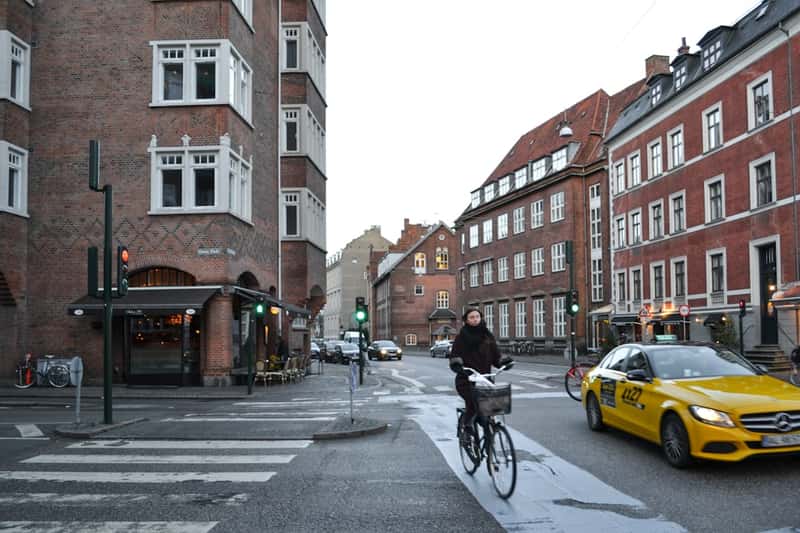
More than half of the city’s residents commute by bicycle along the city’s 250 miles of bike lanes, with almost as many people commuting by bicycle in the greater Copenhagen area as in the entire United States. This statistic initially seemed impossible until I experienced it firsthand. The seamless integration of cycling infrastructure made every journey feel effortless and safe.
The Revolutionary Five-Minute City Concept
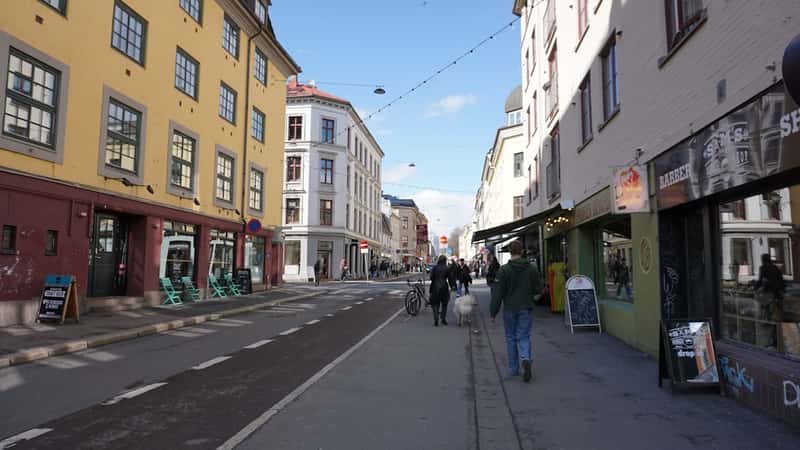
City planners in Nordhavn have developed an ambitious concept based on the “15-minute city” model, aiming to create a five-minute neighborhood. This wasn’t just urban planning jargon; it was a lived experience that redefined convenience. Schools, parks, recreation areas, cafes, restaurants, and a lovely waterfront are all within roughly five minutes of residents’ homes.
Experiencing this firsthand meant never feeling rushed or stressed about daily errands. Everything I needed was genuinely within a short walk, creating a sense of community and connection I’d never encountered in other major cities.
A Global Recognition of Excellence
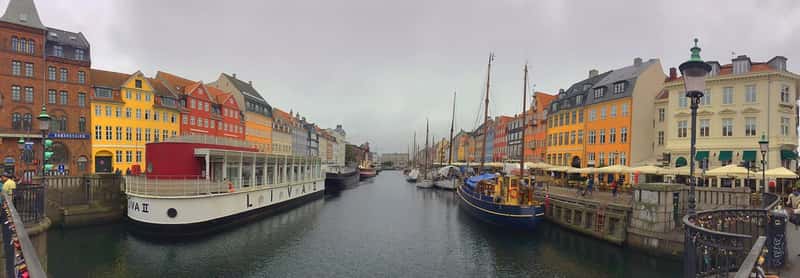
Copenhagen consistently ranks among the top cities in global liveability indices, with Vienna typically holding the top position. This recognition didn’t surprise me after months of experiencing the city’s exceptional quality of life firsthand. Scoring a flawless 100 in stability, Copenhagen benefits from low crime rates, an effective legal system, and widespread public trust in institutions.
The combination of safety, efficiency, and genuine warmth from locals created an environment where I felt completely at ease exploring every neighborhood, from the trendy Vesterbro district to the historic Nyhavn harbor.
Cultural Richness Meets Modern Innovation
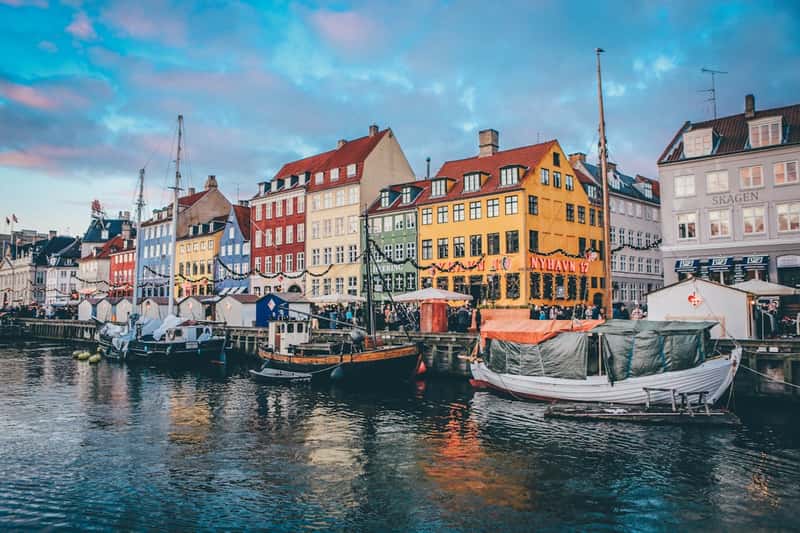
Scoring 95.4 in culture and environment, Copenhagen reflects its dual identity as both a cultural capital and a green city, with institutions such as the Royal Danish Theatre and the National Gallery. The city’s cultural offerings never felt overwhelming or touristy; instead, they integrated naturally into daily life.
Walking past centuries-old churches on my way to cutting-edge design museums became routine. The effortless blend of historical preservation and modern innovation created a unique atmosphere that felt both timeless and forward-thinking.
Sustainability as a Way of Life
More than 70% of its hotel rooms are certified eco-friendly, and infrastructure like CopenHill demonstrates the city’s creative approach to climate challenges. This wasn’t greenwashing; it was a comprehensive approach to sustainable living that made environmental consciousness feel natural and achievable.
The Perfect Balance of Hygge and Ambition
With the ubiquity of 37-hour workweeks, Copenhagen has been called the world’s happiest city. This emphasis on work-life balance wasn’t just policy; it was palpable in the city’s rhythm and energy. Cafes weren’t filled with stressed-out workers frantically typing; instead, people genuinely seemed to enjoy their surroundings.
The Danish concept of hygge became real during long summer evenings in Tivoli Gardens or cozy winter afternoons in neighborhood cafes. This wasn’t a tourist experience but a genuine way of life that prioritized contentment and community connection over endless productivity.
A Digital Nomad’s Dream Destination
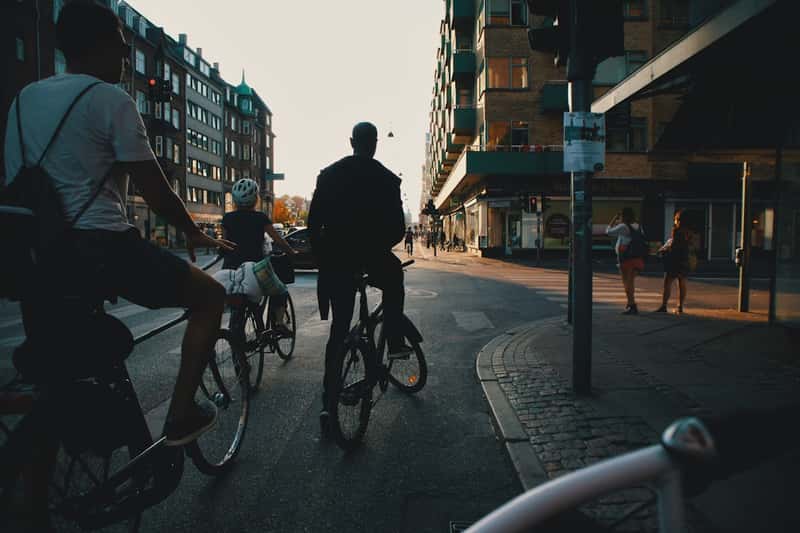
Copenhagen ranks 13th in urban mobility, excelling in sustainable transport with extensive cycling infrastructure and a reliable 24/7 public transit system. For someone working remotely, the combination of excellent internet infrastructure and effortless transportation created the perfect work environment.
The city’s compact size meant I could easily explore different neighborhoods for co-working sessions, each offering its unique atmosphere while maintaining consistent connectivity and amenities. Copenhagen is very walkable and bikeable, with excellent internet infrastructure and widespread internet access across coworking spaces and cafes.
Why Copenhagen Won My Heart

Copenhagen’s urban area population is approximately 2.4 million people, yet it never felt crowded or impersonal. The city’s design prioritized human-scale development that fostered genuine connections and community engagement. Every interaction, from morning coffee runs to evening canal walks, felt meaningful and authentic.
After six months of European exploration, Copenhagen stood out not for its famous landmarks or Instagram-worthy moments, but for making everyday life feel extraordinary. The seamless integration of sustainability, culture, innovation, and human-centered design created an urban environment that felt less like a place to visit and more like a place to truly live.
Copenhagen taught me that the best cities aren’t necessarily the most famous or historically significant; they’re the ones that make daily life feel effortless and joyful. In a world where urban living often means compromise, Copenhagen proved that thoughtful planning and genuine commitment to quality of life can create something truly special. What do you think makes a city feel like home? Tell us in the comments.