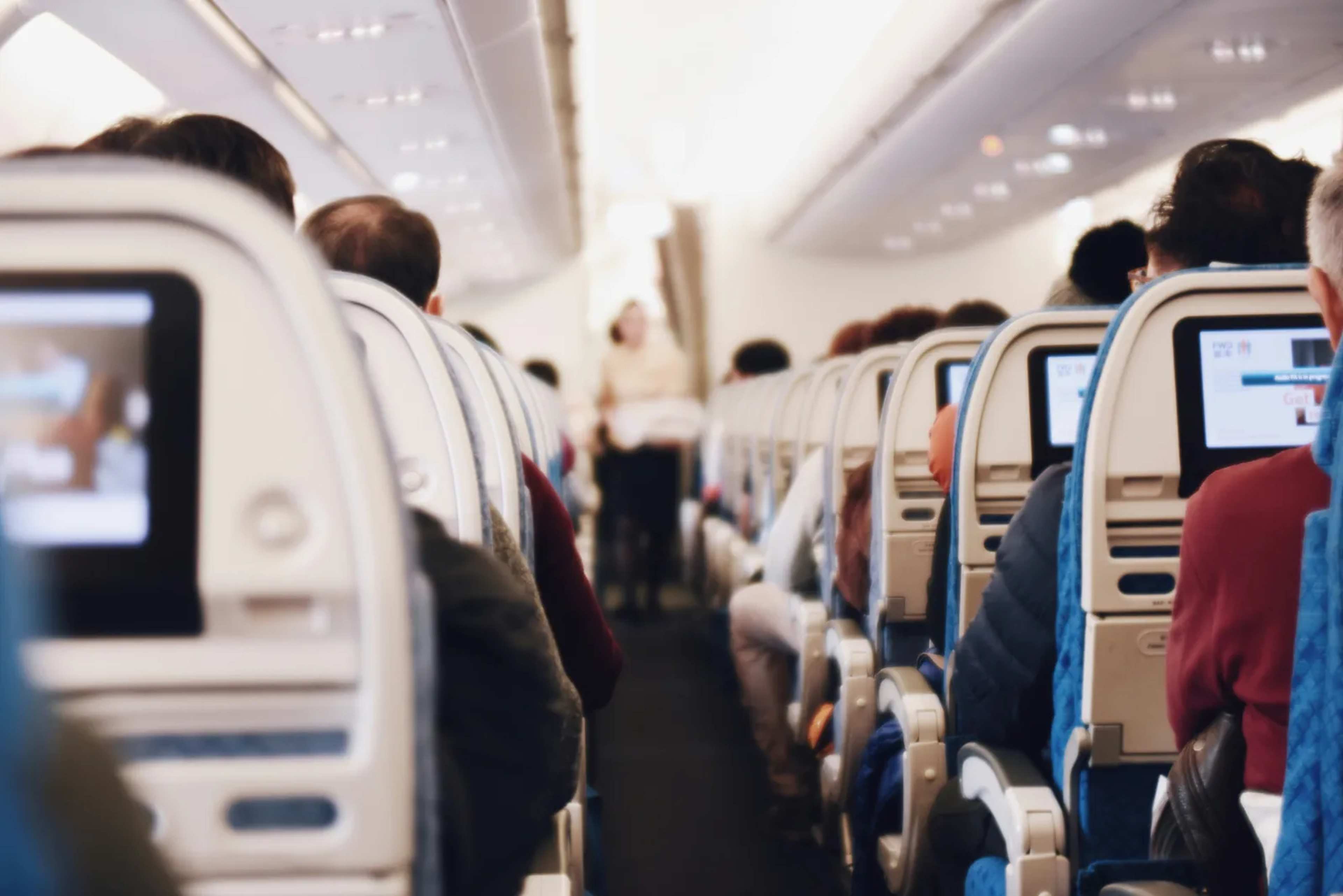
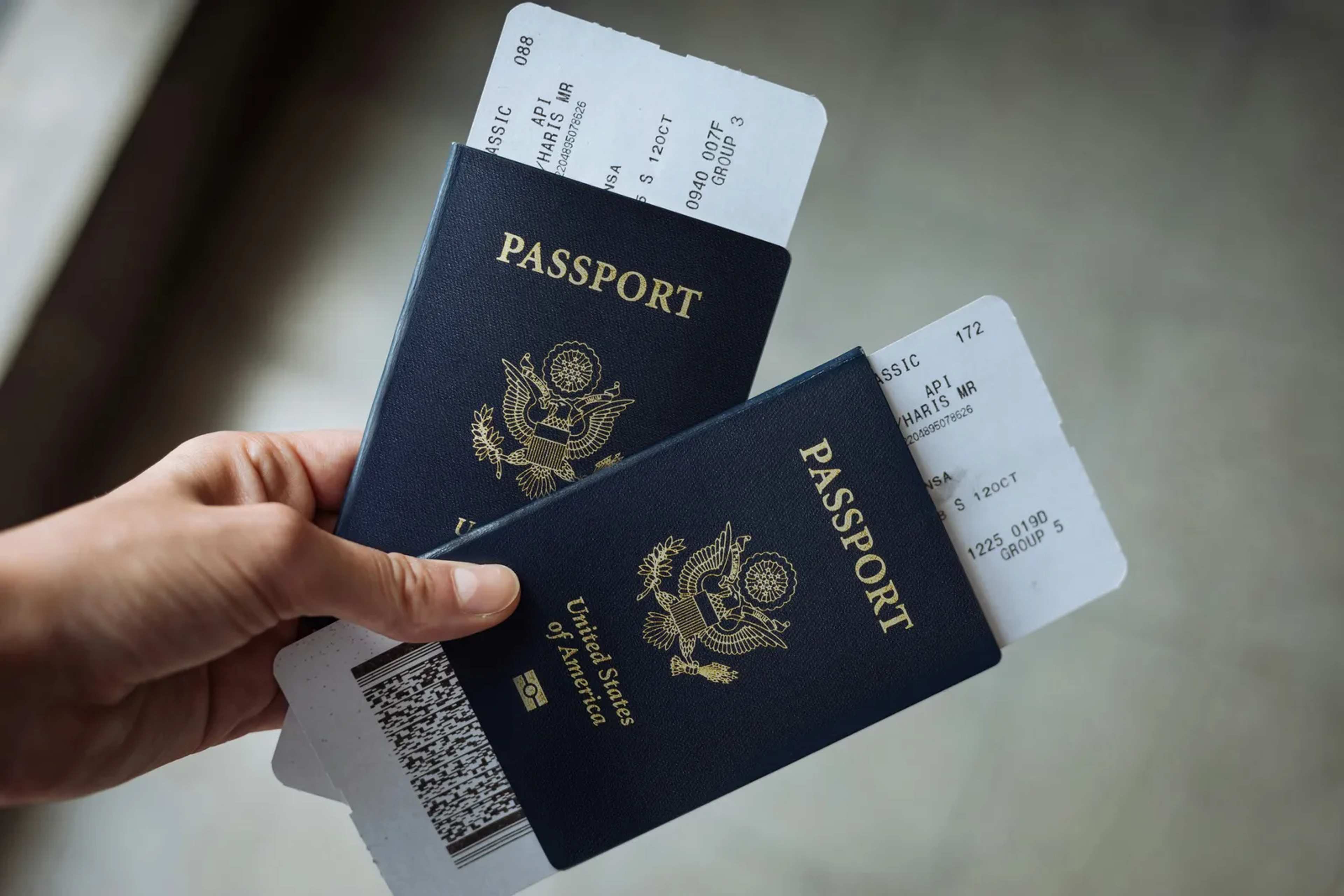
You land at 6 AM.
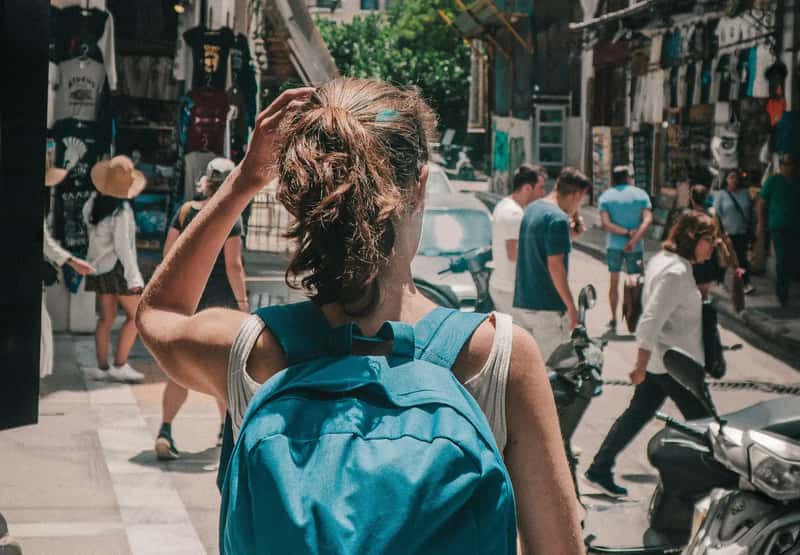
The city smells wrong.
The sidewalk moves at the wrong speed.
Someone stops dead in front of you to check their phone, and something in your chest ignites – a clean, white heat that feels completely disproportionate to the moment.
You are not an angry person. You keep telling yourself that. But here, in this foreign grid of unfamiliar streets and unreadable faces, you are a live wire walking through a crowd that doesn’t know it. In transit, your curated self dissolves. What’s left is something older, more animal. Something that scans every face for threat and reads every delay as catastrophe.
1. The Amygdala Doesn’t Know You’re on Vacation
Here is the first, uncomfortable truth.
Your brain does not understand tourism.
The amygdala, the section of the brain that processes emotions in hyperspeed and serves as an alarm system, sends out a distress signal the moment the environment feels unresolved. And a new city – with its unfamiliar transit maps, its alien sonic landscape, its crowds moving according to rules you haven’t yet internalized – reads to your oldest neural architecture as precisely that. Unresolved. Potentially dangerous.
The wiring is so efficient that the amygdala and hypothalamus start this cascade even before the brain’s visual centers have had a chance to fully process what is happening.
You don’t choose to tense. You just do.
The slow pedestrian isn’t the problem. They are simply the final pixel in a picture your brain has been painting all day – a picture of a world that is not yet safe.
2. The Hypervigilance Hangover
You checked your flight information four times before boarding.
You memorized the exit rows.
You tracked the gate change with the intensity of someone defusing a device.
None of that was irrational. But it compounds.
When the stress response system gets “stuck,” the body remains in a constant state of readiness for danger. Heart rate stays elevated, muscles remain tense, breathing becomes shallow, and stress hormones like cortisol and adrenaline continue circulating at high levels.
By the time you hit the street outside the airport, you are not a traveler. You are a person whose entire nervous system is still braced for turbulence. The city sidewalk is just another runway. And anyone moving slower than your internal emergency speed is, to your flooded biology, an obstacle between you and safety.
People experiencing hypervigilance often report feeling “wired but tired,” having racing thoughts but poor focus, or feeling disconnected from themselves and others.
That disconnection is not jet lag. That is the cost of arrival.
3. The Temporary Identity
Who are you when nobody knows your name?
When the hotel keycard is the only thing tethering you to a specific room number in a specific building in a city that doesn’t know you exist?
Identity, it turns out, is partly environmental. Our sense of self is scaffolded by the familiar. The corner we walk around every morning. The neighbor who nods. The grocery store where we know which aisle holds the coffee. Remove those scaffolds and the self becomes porous, reactive, vigilant.
Survival mode is another term for continuous, unresolved stress, also known as chronic stress. All human beings have experienced stress at one point or another, but in survival mode, stress has been prolonged to a degree where a person feels unable to relax.
The traveler’s identity becomes provisional.
They carry themselves lightly, because lightness is the only luggage that fits.
But lightly does not mean calmly. Lightly, in a foreign city, often means tensely – a tautness held just beneath the surface, invisible until someone stops moving on a sidewalk and all that held tension finds its exit point.
4. The Cortisol Clock
The chemistry is not metaphor. It is literal and relentless.
When you experience stress, your brain releases two kinds of stress hormones: cortisol and adrenaline. Both of these hormones, which are released by the adrenal glands, prepare your body to fight or to flee.
Now imagine that mechanism running on a low, persistent hum for twelve straight hours. The overnight flight. The customs line. The cab that took a route you couldn’t follow. The hotel lobby that smelled institutional and strange.
When stress becomes constant, cortisol can stay elevated longer than it should. Over time, that can affect your sleep, mood, weight, heart health, and immune system.
By the time you are walking that new city’s street, your cortisol clock has been ticking since departure. Every minor friction – a wrong turn, a menu you can’t read, a currency you keep miscounting – adds another tick. The slow pedestrian doesn’t start the fire. They simply step into a room that was already burning.
This is the part nobody puts in the travel brochure.
5. The Exit Strategy
I remember standing on a bridge in a city I’d wanted to visit for years. It was everything I’d imagined – the light, the architecture, the low hum of a foreign language washing over me like water.
And I was furious.
At nothing. At everything. At the couple who stopped to take a photograph directly in the center of the footpath. At the child who ran across my line of sight. At myself, for being unable to simply exist in the moment I had paid money and vacation days to be inside.
What I didn’t know then, and understand now, is that my brain had been running its own emergency protocol for forty-eight hours. If the sympathetic nervous system – in charge of fight or flight – is always activated, it becomes impossible for the brain to prioritize anything else. The brain is trained to look for imminent danger.
The bridge was beautiful. My amygdala didn’t care about beautiful. It cared about exit routes.
The anger wasn’t about the couple with the camera. The anger was the sound of a system that had been running too hot, for too long, finally finding a pressure valve.
6. The Senses That Won’t Stand Down
In a new city, everything is louder.
Not acoustically. Neurologically.
Extra oxygen is sent to the brain, increasing alertness. Sight, hearing, and other senses become sharper. This is the brain’s gift in a crisis. In travel, it becomes a form of slow torture. Every advertisement in a language you half-recognize. Every siren that sounds slightly different from the sirens back home. Every crowd noise that your pattern-recognition machinery cannot quite categorize.
Hyperarousal is a state in which your senses are heightened and your thoughts, emotions – and even some bodily processes – work overtime.
You notice everything. You process nothing.
This is High-Resolution Survival Mode made sensory. The world arrives in 4K and your brain, already overwhelmed, starts filing everything under the same heading: potential threat. The slow pedestrian is filed under the same heading as the unexpected street closure. As the restaurant where the menu made no sense. As the hotel room that smelled like someone else’s life. Same file. Same heading. Danger-adjacent.
7. The Rational Brain Goes Offline
You know the pedestrian is not a threat.
The knowing doesn’t help.
The amygdala hijack occurs when your amygdala responds to stress and disables your frontal lobes. That activates the fight-or-flight response and disables rational, reasoned responses. In other words, the amygdala “hijacks” control of your brain and your responses.
Your frontal lobes – the part of you that reads novels, considers other people’s inner lives, remembers that slow pedestrians are human beings having their own unremarkable Tuesday – get crowded out. They don’t disappear. They just get shouted down by something older and louder.
A hyperaroused person loses much of their capacity for rational thought and instead becomes braced for action, either defending against or evading danger.
This is the precise mechanism behind travel irritability. It is not character. It is not who you are. It is the architecture of a nervous system doing exactly what it was built to do – protecting you, even when protection is the last thing you need.
8. The Social Stress Multiplier
New cities are also social environments. And social environments carry their own specific cortisol tax.
You don’t know the unwritten rules. You don’t know which side of the escalator is for standing and which is for walking. You don’t know if eye contact here means friendliness or challenge. You don’t know where to look on the subway.
Neuroscience studies have shown that when our brain perceives threats in our social environment – to our status or autonomy, for example – it reacts in the exact same way it does to physical threats: it triggers the “fight or flight” stress response.
The new city is a continuous social evaluation. Every interaction is an examination you haven’t studied for. That stress response causes us to over-focus on perceived threats, making us easily distracted or reactive. Afraid to be seen as weak, we become aggressive or defensive.
The pedestrian who moves slowly isn’t just slow. They are, to your threat-scanning brain, another social data point that doesn’t compute. Another variable in an environment that has given you nothing but variables since you arrived.
9. The Wired-But-Tired Paradox
You should be exhausted. You are exhausted.
But sleep won’t come.
You lie in the hotel room and the ceiling is wrong. The air conditioning sounds wrong. The ambient light from the gap under the door is the wrong color. Your body is running on fumes and your brain is refusing to let you stop.
The brain’s natural rhythm of engagement and rest becomes disrupted, creating a persistent state of internal chaos.
This is the wired-but-tired paradox of travel. The very state that makes you volatile on the street – the heightened alertness, the sense-sharpening flood of stress hormones – is the same state that makes sleep impossible, which compounds the very problem it was meant to solve.
Living in a prolonged state of high alert and stress, when there isn’t any real reason for it, can be detrimental to your physical and mental health.
The traveler becomes their own enemy. Alert enough to be irritable. Too alert to rest. Too tired to regulate. The slow pedestrian, encountered on day three of this spiral, doesn’t stand a chance.
10. The Return That Never Quite Happens
Here is the heaviest part.
For some travelers, the survival mode doesn’t turn off when they get home.
The bed is familiar. The coffee order goes back to being easy. The neighbor nods. And yet something residual remains – a low-frequency readiness, a hair-trigger that was calibrated in foreign streets and never fully recalibrated back.
Persistent stressful situations can cause a stress-rewiring of the brain, to where stress is expected and exists as a default state.
The frequent traveler, the one whose calendar is a sequence of departures with brief domestic interludes, begins to carry the survival mode with them like a second passport. They are never fully home because home, neurologically, requires a sustained period of safety signals that constant movement denies them.
Many people are unable to find a way to put the brakes on stress. Chronic low-level stress keeps the HPA axis activated, much like a motor that is idling too high for too long.
The slow pedestrians back home start to bother them, too.
And that is how you know the city has followed you.
There is a version of this story that ends with solutions. Breathing exercises. A twenty-minute sit in a park – and research does confirm that a nature experience produced a measurable drop in cortisol levels, with the efficiency of stress reduction greatest between twenty and thirty minutes. Sleep hygiene. Mindfulness. All valid. All genuinely helpful. But they address the symptom without sitting with what the symptom means.
The anger at the slow pedestrian is not a character flaw to be corrected with a deep breath. It is a dispatch from your interior. It is your nervous system, in its blunt and ancient way, telling you that it has been navigating unmarked territory for too long without a rest. That the map has been uncertain. That the ground has been provisional. That it is very, very tired of scanning for exits in rooms that were never dangerous to begin with.
What the slow pedestrian gives you, if you can hold still long enough to receive it, is not an obstacle. It is an involuntary pause. A forced deceleration in a body that has forgotten how to move at a human pace. The pedestrian doesn’t know they are offering you anything. They are simply moving through their city, at their speed, inside their own ordinary Tuesday. But in their unhurried footfall, in the gentle, infuriating fact of their slowness, there is something you have been running too fast to find. You were looking for the city. The city was waiting for you to stop.