Wealth concentration across the globe reveals fascinating patterns about how money and power are distributed in 2026. While billions of people struggle with daily expenses, a select few nations consistently mint billionaires at astonishing rates. These countries have become factories for extreme wealth, creating individuals whose fortunes can rival entire national economies.
The landscape of global wealth has shifted dramatically over the past decade. Traditional powerhouses maintain their dominance while emerging markets have surged into the top ranks. Let’s explore which nations are and what’s driving their success.
United States: The Undisputed Champion of Billionaire Creation
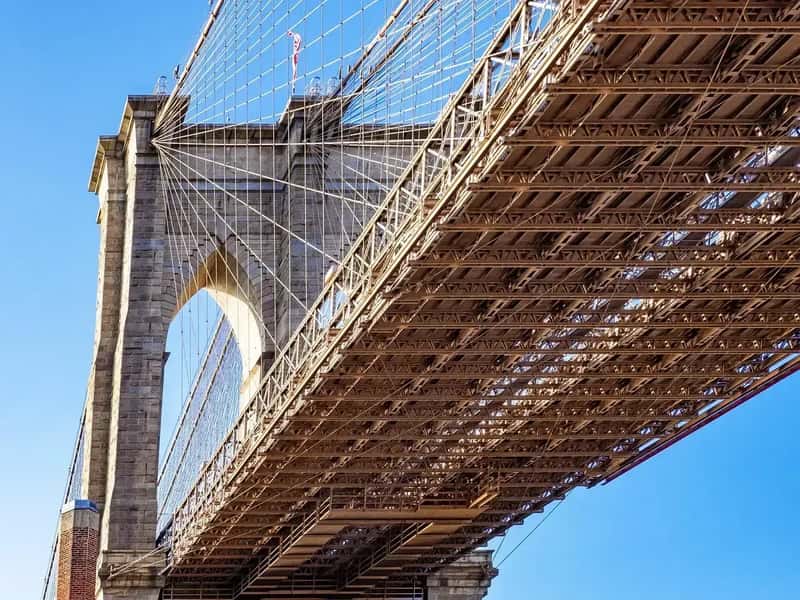
With 870 billionaires, the US leads the world in the number of billionaires as of 2025, according to Straits Research. That number represents a staggering increase from previous years and shows no signs of slowing down. The combination of deep capital markets, a robust startup ecosystem, and favorable business conditions creates an environment where fortunes can balloon to unprecedented levels.
The majority of billionaires in the United States come from the financial and investment industry, which includes fintech, hedge funds, private equity, banking, and venture capital. This industry dominates with 464 billionaires, accounting for 15% of the list, and added approximately $400 billion in wealth over the past year alone. Technology giants and innovation-driven sectors continue to mint new billionaires, while established industries maintain their wealth-generating capacity.
What’s particularly striking is that billionaires comprise just 0.002% of the population, yet own more wealth than the bottom half of American households. This concentration has sparked ongoing debates about wealth inequality, though it hasn’t slowed the creation of new fortunes. The American Dream, for a tiny fraction, still produces spectacular results.
China: The Rising Dragon’s Billionaire Boom
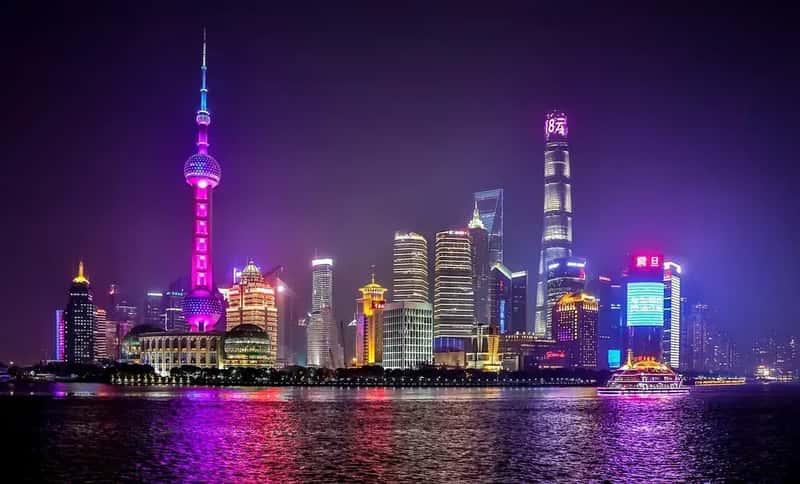
China comes in second with 823 billionaires, representing a massive shift in global economic power over the past two decades. The country’s rapid industrialization and embrace of market-oriented reforms created unprecedented opportunities for wealth accumulation. From humble beginnings, China has transformed into a billionaire-producing powerhouse that rivals the United States.
The technology sector, specifically the TMT (Technology, Media, and Telecom) space, continues to produce the most number of billionaires in China. Manufacturing continues to be a powerful industry for wealth creation, but real estate and finance also make substantial contributions. The sheer scale of China’s domestic market allows entrepreneurs to build enormous fortunes without even expanding internationally.
Interestingly, the combined net worth of China’s 450 billionaires is $1.7 trillion, considerably less than their American counterparts. The average Chinese billionaire controls less wealth than their US peers, though the gap continues to narrow as Chinese companies expand globally.
India: The Pharmaceutical and Industrial Powerhouse
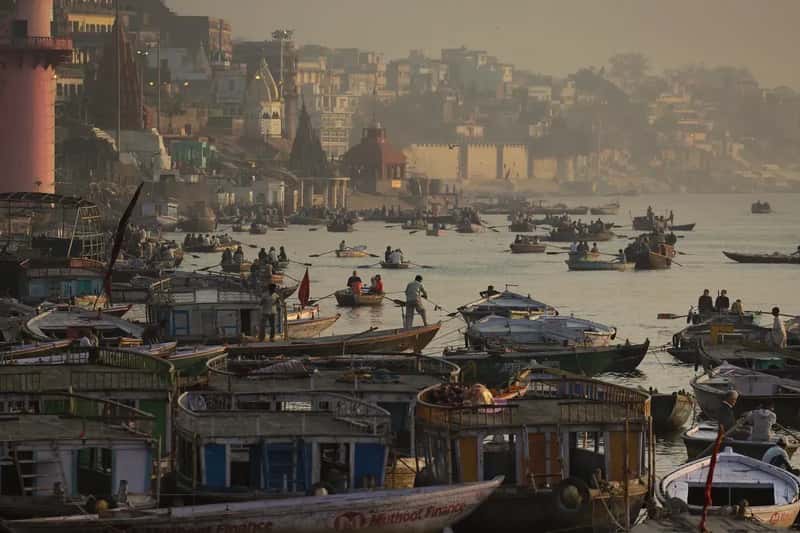
India in third place with 284 billionaires represents one of the most dramatic success stories in recent years. The country has leveraged its massive population, growing middle class, and entrepreneurial culture to create extraordinary wealth for a select few. Family-run empires remain common, passing wealth through generations while continuously expanding their reach.
In India, the industrial products sector leads in billionaire creation, followed by the pharmaceuticals industry. The country’s strength in generic drug manufacturing has created numerous fortunes, while its industrial base continues to expand rapidly. IT services and technology sectors also contribute significantly to the billionaire count.
India’s billionaire scene has an interesting cultural element too. Luxury goods account for 56% of billionaires’ wealth, while experiences account for 44%. Younger Indian billionaires are known for extravagant expenditures like booking theatres or hosting celebrity events. The nouveau riche culture manifests differently here than in more established wealth centers.
United Kingdom: Finance, Fashion, and Old Money
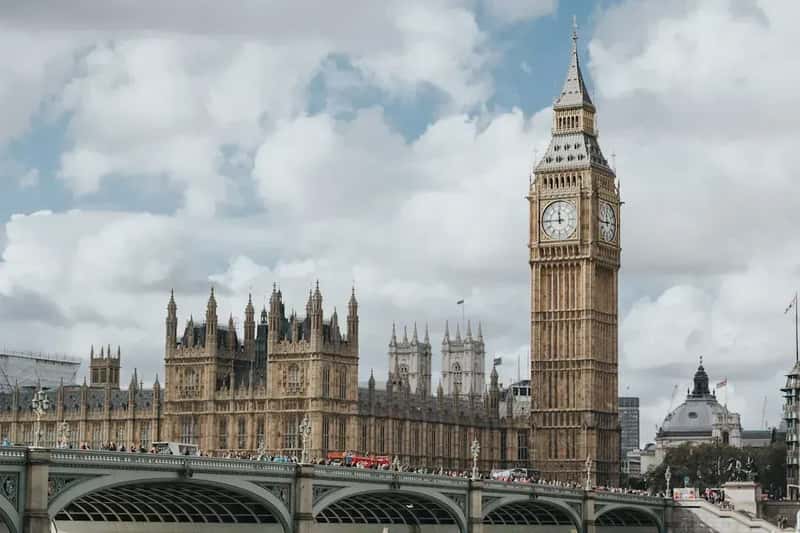
The United Kingdom in fourth place with 150 billionaires maintains its position as a global wealth hub despite Brexit uncertainties. London’s status as a financial center attracts both homegrown and international billionaires, creating a concentration of extreme wealth in one city. The combination of old aristocratic wealth and new tech fortunes creates a unique billionaire ecosystem.
The United Kingdom, especially London, is home to a mix of old wealth and new tech fortunes. From luxury brands to fintech startups, the UK’s billionaire community spans industries. Access to international markets and a favorable legal framework help attract and retain billionaires. The country’s regulatory environment and historical ties to global commerce continue to serve it well in the billionaire-creation business.
In the UK, spending is concentrated on philanthropy, real estate, and luxury, reflecting a more traditional approach to wealth management compared to emerging markets. British billionaires often maintain lower profiles than their American counterparts, preferring discretion to ostentation.
Germany: Engineering Excellence Meets Family Business Tradition
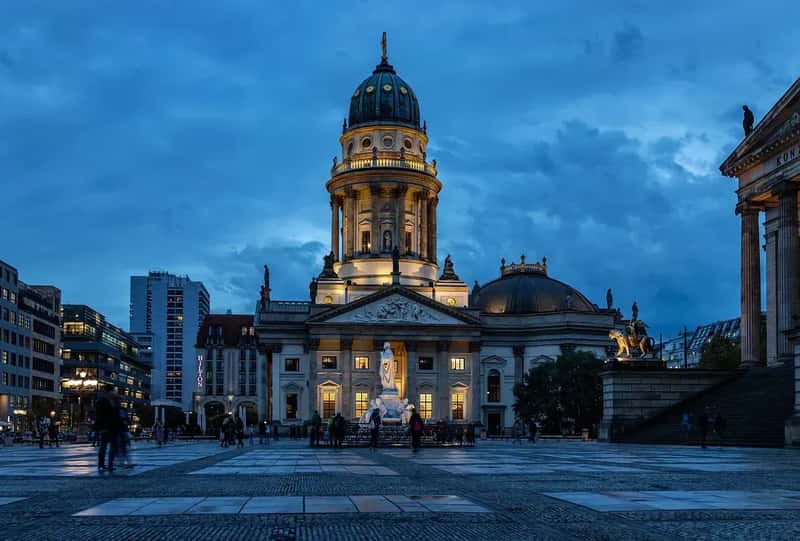
Germany in fifth with 141 billionaires showcases how traditional industries can generate extraordinary wealth. The country’s reputation for quality manufacturing, engineering prowess, and automotive excellence has created numerous fortunes spanning generations. Many German billionaires inherited family businesses and expanded them globally.
German billionaires usually make their fortunes in the manufacturing, retail, and grocery sectors. Software and pharmaceuticals are also quite important. The Mittelstand tradition of medium-sized family companies has proven remarkably effective at generating and preserving wealth across generations. These businesses often operate below the radar but dominate global market niches.
German billionaires tend to be more private and prioritise long-term investments compared to their more flashy international peers. This understated approach reflects cultural values that prize substance over style, though the wealth itself remains very real.
Switzerland: Banking, Pharma, and Concentrated Wealth
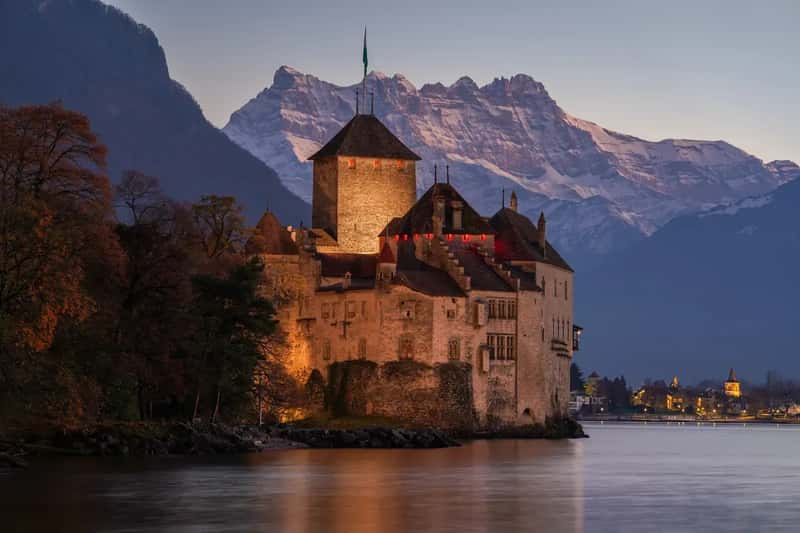
Switzerland (116) billionaires occupy a nation with a population of less than nine million people, creating one of the highest concentrations of extreme wealth anywhere. The country’s banking secrecy laws, political stability, and favorable tax environment have long attracted the ultra-wealthy. Beyond serving as a haven for foreign billionaires, Switzerland produces its own through pharmaceuticals and luxury goods.
Switzerland’s financial sector dominates, though pharmaceuticals, chemicals, and food & beverage industries also contribute. Companies like Nestlé, Roche, and various private banking institutions have created numerous fortunes. The small nation punches far above its weight in global wealth creation.
Switzerland’s appeal extends beyond just favorable tax treatment. Its quality of life, security, and central European location make it ideal for managing vast fortunes. Many billionaires establish residence there not just for financial reasons but for the lifestyle it offers their families.
Russia: Natural Resources and Oligarch Fortunes
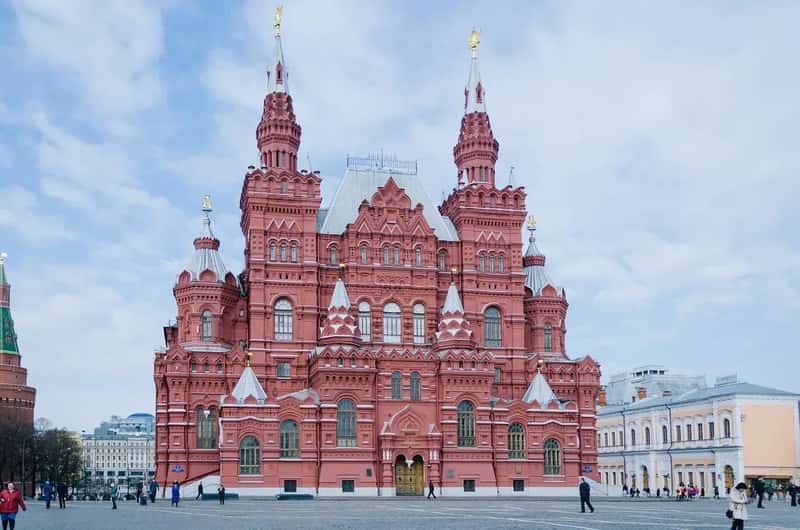
Russia (89) billionaires represent a unique case where natural resource extraction drives most extreme wealth. Russia maintains its place among the top countries with the most billionaires, despite sanctions and economic instability. Most fortunes stem from energy, heavy industry and natural resources. While political tensions have affected market access, the total number of billionaires remains high.
The Russian billionaire class emerged primarily from the chaotic privatization of the 1990s when state assets were sold at bargain prices. Those who secured control of oil fields, gas reserves, and mineral deposits became extraordinarily wealthy almost overnight. The close relationship between business and government creates both opportunities and risks for Russian billionaires.
International sanctions have complicated life for Russian billionaires, restricting their ability to move money and access Western markets. Nevertheless, rising energy prices and domestic market opportunities continue to sustain their fortunes, even as some have seen their wealth decline in recent years.
France: Luxury Goods and Family Dynasties

France (72) billionaires reflect the nation’s dominance in luxury goods and fashion. The LVMH empire alone has created multiple billionaire fortunes, with Bernard Arnault frequently ranking among the world’s richest individuals. French savoir-faire in wine, spirits, fashion, and cosmetics translates into enormous global businesses.
The luxury sector’s resilience, even during economic downturns, provides stable wealth generation for French billionaires. Wealthy consumers worldwide continue purchasing premium French products regardless of economic conditions. This creates predictable cash flows that compound into massive fortunes over time.
Beyond luxury, France’s strong aerospace industry, pharmaceutical sector, and retail empires contribute to its billionaire count. Family businesses remain common, with wealth passing through carefully structured inheritance arrangements that preserve fortunes across generations.
Italy: Fashion, Food, and Industrial Heritage
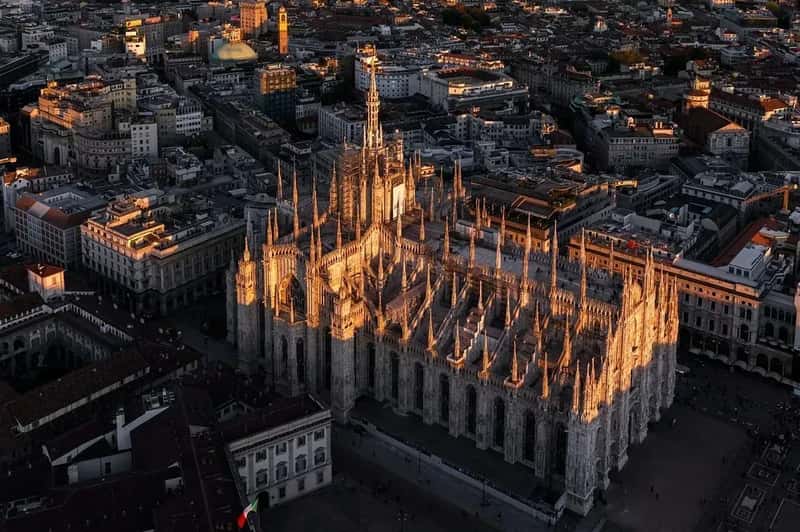
Italy (69) billionaires built their fortunes on the nation’s reputation for style, quality, and craftsmanship. Fashion houses, luxury car manufacturers, and food companies dominate the billionaire landscape. Names like Ferrari, Prada, and Ferrero represent not just businesses but cultural icons that command premium prices worldwide.
Italian billionaires often maintain strong ties to their family businesses and regional roots, even as their companies expand globally. This local attachment shapes both business strategies and philanthropic activities. The combination of artisanal tradition with modern business practices creates a distinctive wealth-building approach.
Italy’s economic challenges, including slow growth and high debt, haven’t prevented its billionaire class from thriving. Global demand for Italian luxury goods and the country’s strong manufacturing base in specific niches continues generating new fortunes, particularly in northern regions.
Brazil: Latin America’s Billionaire Leader
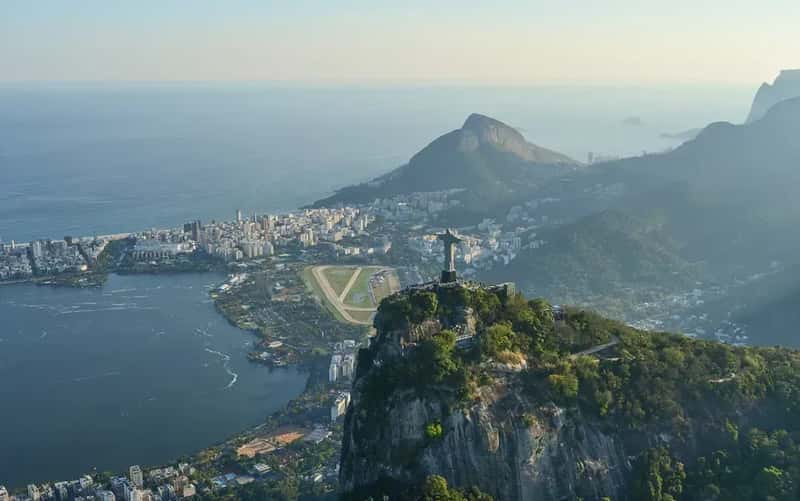
Brazil (67) billionaires make it the clear leader in Latin American wealth creation. Brazil leads Latin America in billionaire count. Natural resources, agriculture and banking drive wealth here. Though economic swings are common, the country continues to produce ultra-wealthy individuals who invest both at home and abroad.
The country’s vast agricultural lands, mineral resources, and large domestic market create multiple pathways to extreme wealth. Banking and finance sectors also contribute significantly, as financial institutions serving nearly a quarter-billion people generate substantial profits. Infrastructure and construction businesses have created additional fortunes.
Brazilian billionaires face unique challenges from economic volatility, currency fluctuations, and political uncertainty. Those who successfully navigate these risks, however, can build enormous fortunes by capitalizing on opportunities that more stable markets don’t offer. The wealth gap in Brazil remains among the world’s largest, with billionaires controlling resources that dwarf what average citizens will see in lifetimes.
Conclusion
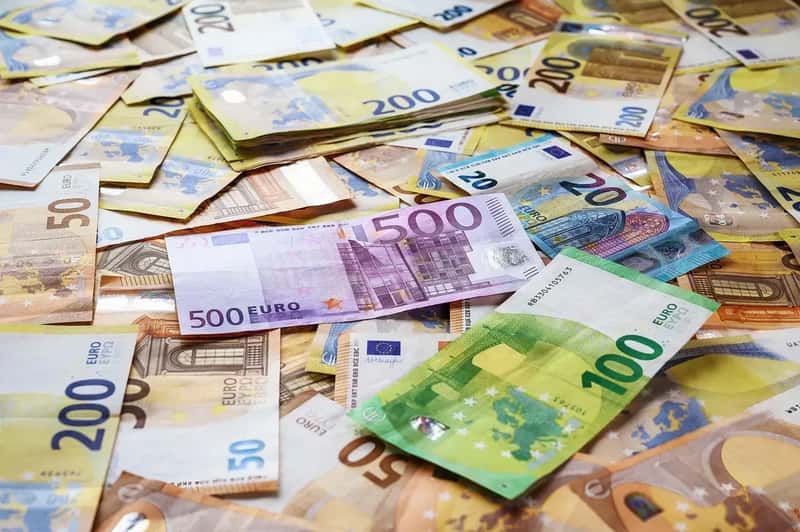
The geography of billionaire creation reveals how economic power concentrates in specific nations with the right combination of market size, regulatory environment, and industry strengths. Together, the ten countries with the most billionaires have 2002 billionaires, about 76% of the global total, demonstrating just how concentrated extreme wealth remains globally.
These ten nations have built ecosystems that not only create billionaires but attract them from elsewhere. Their success reflects deeper trends about globalization, technological change, and how modern capitalism rewards those positioned to capture value at scale. Whether this concentration continues or other nations join the ranks depends on how economic conditions evolve in the coming years.
What patterns do you see emerging from this list? Share your thoughts about which countries might climb the rankings next.