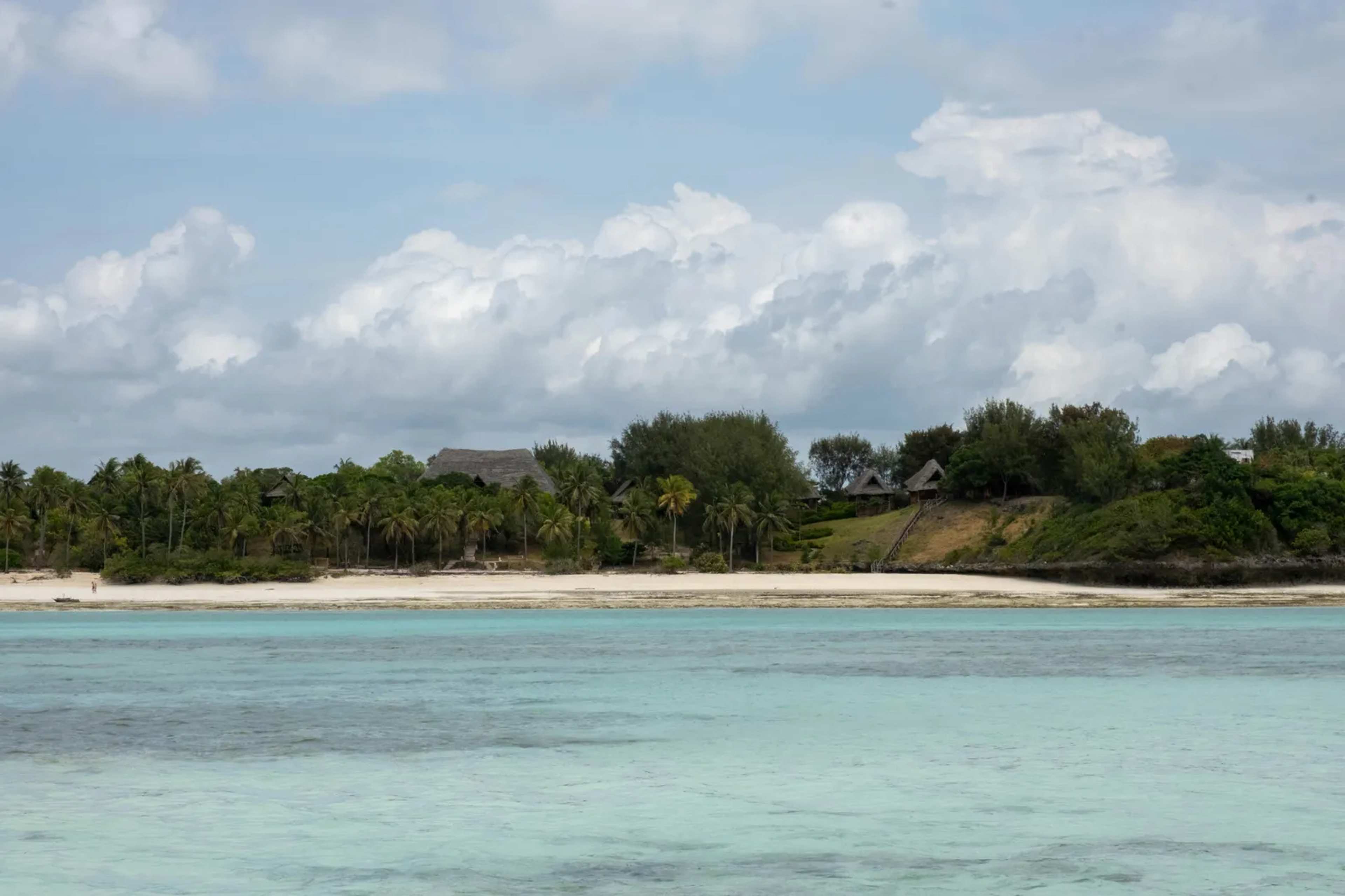
When development of Cancún began in January 1970, Isla Cancún had only three residents, all caretakers of a coconut plantation[1]. Few places on the Caribbean coast have changed so quickly, and a long gap between visits makes the contrast sharper.
If your last trip was in the 1990s, the beaches will probably feel familiar. Much of what surrounds them has been reshaped, from the size of the city to how people arrive. Here are six changes worth knowing about before you book again.
The City Is Several Times Bigger
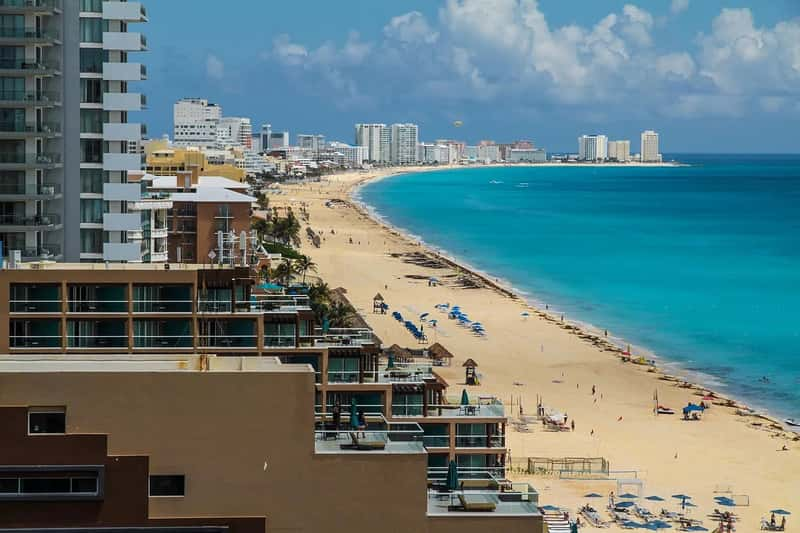
Cancún was still a young city in the 1990s. In 1990, the population exceeded 160,000[2], and it had been only about 30,000 in 1980[3]. One recent estimate puts the 2026 population at roughly 1.09 million[2].
That’s an estimate rather than a census count, so treat it as a ballpark. Still, it shows how far the growth has gone. Most residents live on the mainland, since downtown holds most of Cancún’s population and all of its schools and public service buildings[4]. A visitor who only saw the hotel strip in the ’90s may be surprised by how large the everyday city behind it has become.
The Airport Handles a Staggering Crowd
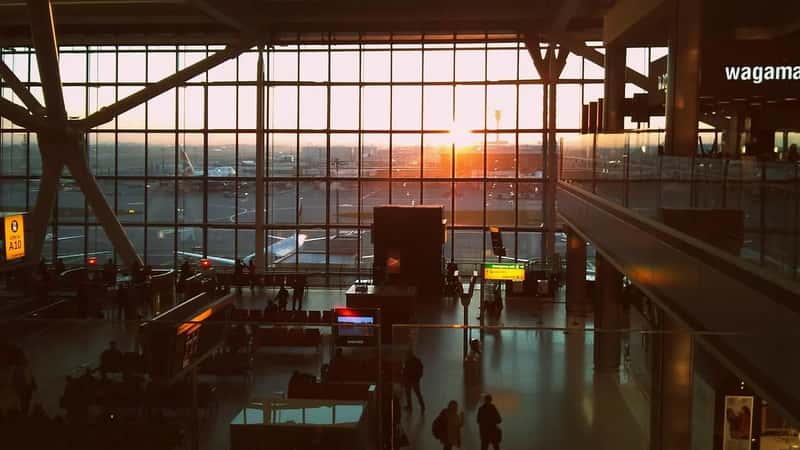
Cancún International Airport is now the busiest in Latin America for international passengers[5]. In 2025 it handled about 29.3 million passengers, 19.4 million of them international[5]. That was a slight step down from roughly 30.4 million in 2024.
The building has grown to match. It has four passenger terminals, more than any other airport in Mexico[5]. If you remember a simple arrival and a short walk to a taxi, expect a much larger operation now.
A Train Now Starts at the Airport
The Tren Maya is one of the biggest additions to regional travel. The railway begins at Cancún International Airport and heads southwest toward Palenque, Chiapas, using two routes that circle the peninsula[6]. Nothing like it existed in the ’90s.
The rollout came in stages. The Campeche to Cancún section began operating on December 15, 2023, and the final segment, from Escárcega to Chetumal, opened on December 15, 2024[6]. Service has also been reported between Playa del Carmen and the airport. Schedules and fares can change, so check current details before planning a day trip around it.
Sargassum Is Now Part of Trip Planning

Seaweed reports are now a routine part of choosing when and where to stay. Sargassum season in Cancún typically peaks between June and August[7]. In 2026, one tracking site noted that the year saw atypical early arrivals[8].
Location inside the Hotel Zone matters a lot. The northern stretch, roughly kilometers one to eight, usually sees lighter loads because it faces the sheltered Bahía de Mujeres[9]. The southern end faces the open Caribbean and is more exposed. Cleanup is constant, and a travel guide citing the mayor says the city removed a historic 16,000 tons from the coastline in early 2026[10], though that figure comes from a secondary source.
Cancún Now Shares the Spotlight with Tulum
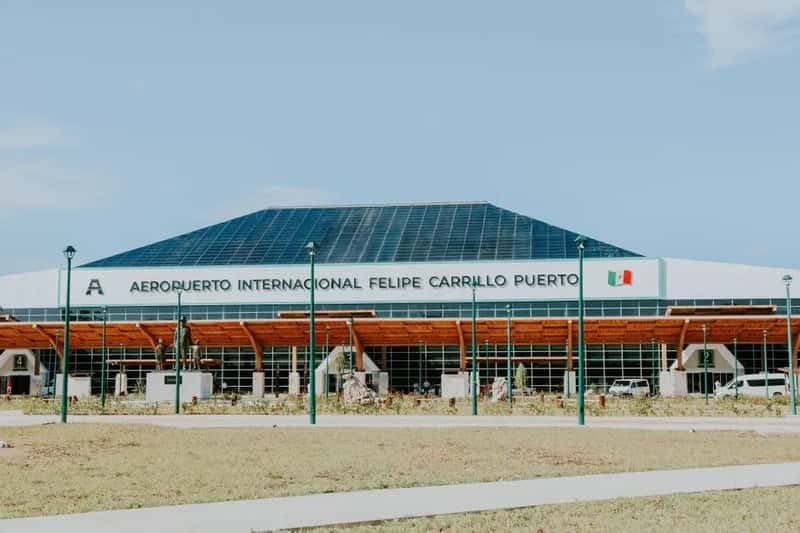
The region no longer revolves around one airport. The new Tulum International Airport opened in March 2025[11], and about 1 million passengers had already chosen to fly into it by mid year[12]. That gives travelers another way into the Mexican Caribbean.
Cancún’s own numbers softened a little as a result. From January to May 2025, 9,100,124 international travelers arrived, down from 9,760,165 in the same period of 2024[12]. Yet demand held up in the slow season, with October 2025 international traffic nearly identical to October 2024[11]. The destination is spreading out more than it is shrinking.
The Visitor Mix Looks Different
Cancún remains an American favorite, though the picture is broader than it once was. In 2025, the airport received 9,119,458 international air visitors by country of residence[13]. The United States led with about 5.35 million, followed by Canada with roughly 1.66 million[13].
Canada’s share is notable because its visitor count rose 10.8 percent over 2024[13], about one tenth. One caution on the data is that airport figures count air arrivals, not unique visitors, so someone who lands in Cancún and stays in Tulum is still counted[14]. The Hotel Zone itself drew nearly 10 million tourists in 2024[15], a long way from the days when the first hotel built for tourists opened in September 1974[15].