There was a stretch of American life, right after the war, when the open highway became something like a national pastime. Gas was cheap, station wagons were roomy, and a new network of two lane roads promised adventure just past the state line. Families packed coolers, pinned paper maps to the dashboard, and set out chasing billboards that promised wonders just a few more miles ahead.
Some of those destinations have faded into memory, but a surprising number are still standing, still drawing crowds, and still recognizable to anyone who made the trip decades ago. Here are nine spots that, if you visited them, almost certainly meant your family was deep into a classic 1950s road trip.
Wall Drug, South Dakota

Long before it became a sprawling roadside empire, Wall Drug was a struggling drugstore that Ted Hustead purchased in the tiny South Dakota town of Wall in 1931, though it was his wife Dorothy who hit upon the idea that changed everything[1]. That idea was simple: hundreds of people drove past Wall every day on the main route across South Dakota, battling dusty roads and summer heat, so why not give them a reason to stop and maybe buy something once they were inside[2].
The gimmick that pulled them in was free ice water, advertised on hand painted highway signs styled after the old Burma Shave ads. By the 1950s, families driving toward Mount Rushmore were watching for those signs for miles, and the habit stuck. Today Wall Drug still offers the same free ice water that made it famous, drawing in more than 2 million visitors each year to a town of fewer than a thousand year round residents[3].
Mount Rushmore, South Dakota
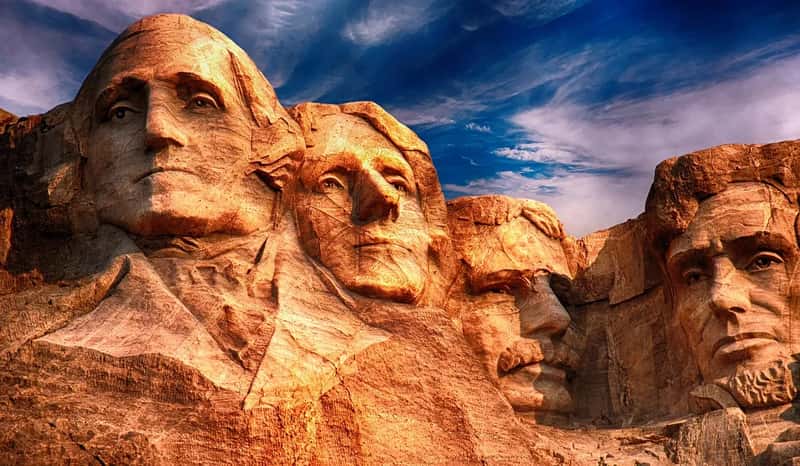
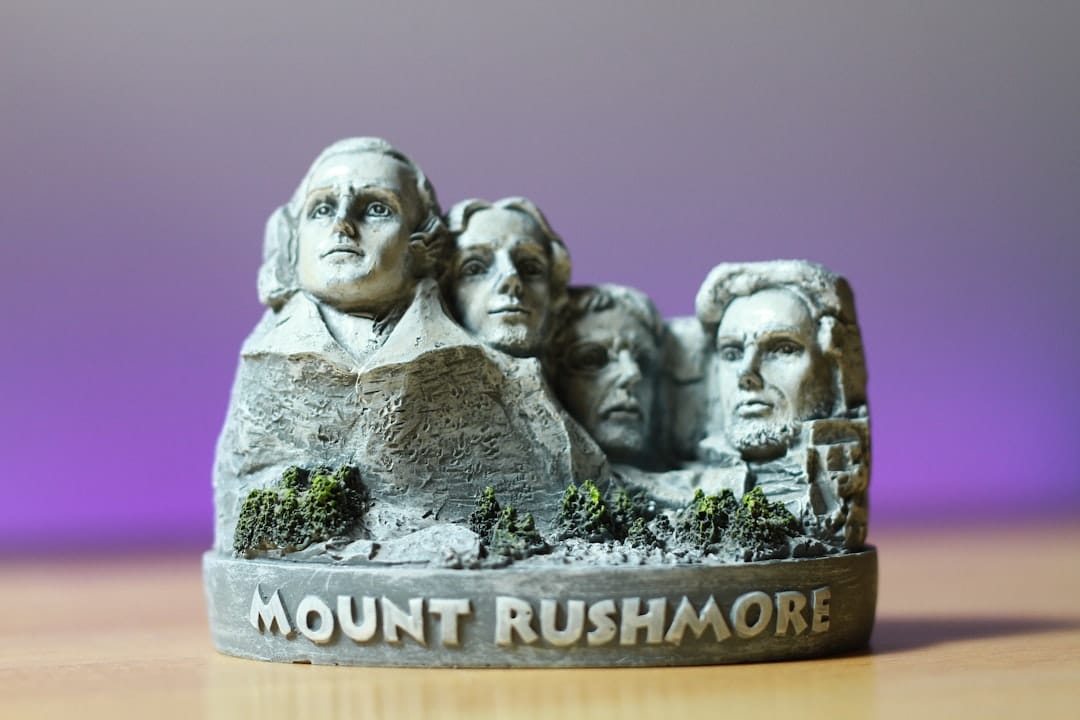
By the time postwar families were loading up the car, Mount Rushmore had already become one of the country’s must see stops. The sculpture, designed by Gutzon Borglum, had begun in the 1920s and was finally completed in 1941, with the four presidential faces representing key chapters of American history[4]. For 1950s travelers, it was one of the few places where a family could stand in front of something that felt genuinely monumental after days of flat highway driving.
The site had its own local celebrity greeting visitors during that era, too. From the late 1950s into the early 1970s, Ben Black Elk, a well known Lakota holy man, personally greeted visitors to Mount Rushmore[5]. Kids who posed for photos with him in faded family albums were, whether they knew it or not, part of a very specific slice of road trip history.
Disneyland, Anaheim, California
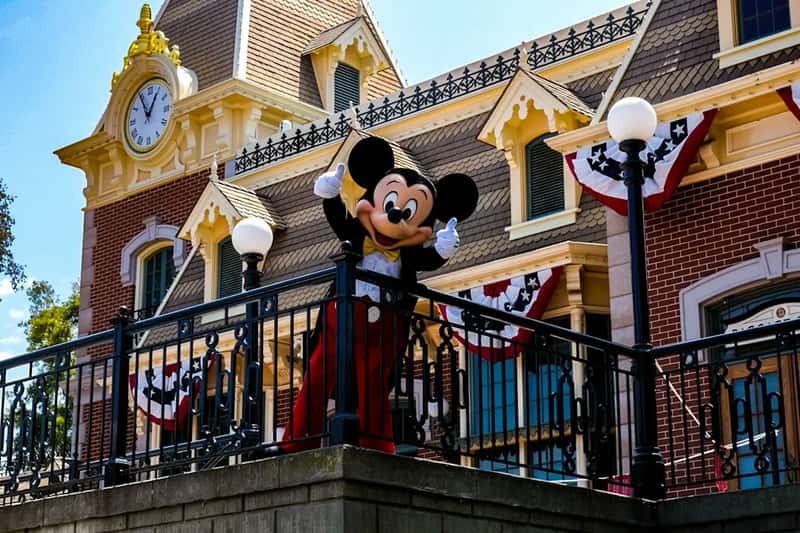
Disneyland’s opening in the summer of 1955 turned it almost instantly into the ultimate cross country destination for families with a station wagon and a dream. The park opened on July 17, 1955, with a televised press preview on ABC, and the inauguration drew nearly 30,000 guests on the first day alone[6]. Opening day was famously chaotic, remembered by some as “Black Sunday” because of overcrowding and mechanical hiccups, but that did nothing to slow the crowds.
Within its first year the park had become a genuine phenomenon. Disneyland welcomed its one millionth guest on September 8, 1955[7], only weeks after opening, and attendance kept climbing from there. For countless 1950s families, a trip west to Anaheim was the biggest vacation they would ever take, and the snapshots in front of Sleeping Beauty Castle still turn up in shoeboxes today.
South of the Border, South Carolina
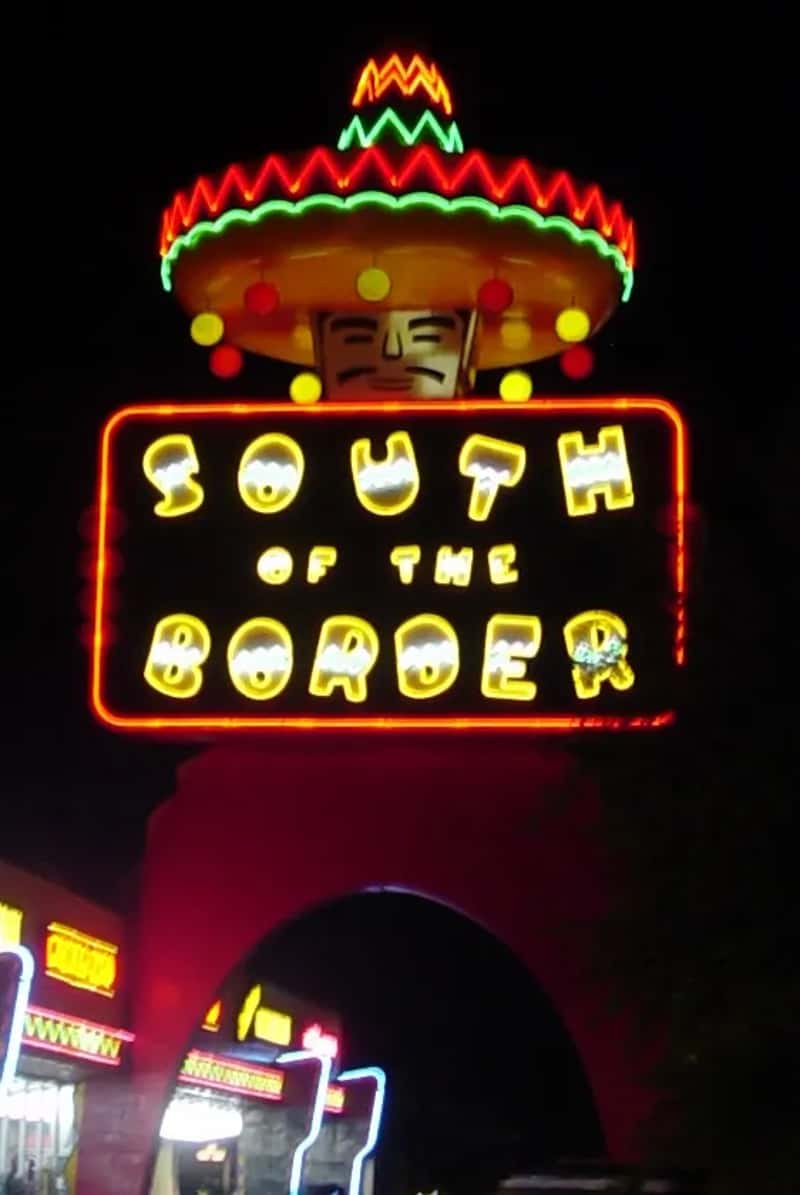
Anyone who drove Interstate 95 through the Carolinas in that decade remembers the barrage of billboards long before they remembers the place itself. Located in Dillon, South Carolina, the attraction was born in 1950 as a simple beer stand called South of the Border Depot[8], sitting conveniently next to a dry county line. From there it grew into something much bigger and much harder to ignore.
The advertising campaign was the real genius of the place. In the early 1950s the owner began a relentless billboard campaign rivaling the old Burma Shave ads, luring road weary travelers with punny slogans and a smiling mascot named Pedro[9]. Families who groaned at every corny sign along the highway usually ended up pulling off anyway, which was exactly the point.
Niagara Falls, New York
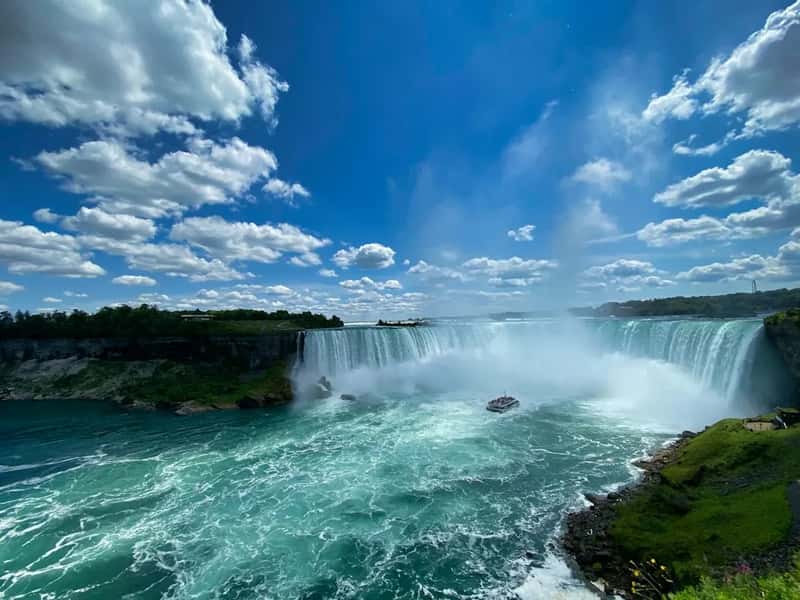
Niagara Falls had already been a honeymoon destination for a century by the time the 1950s road trip boom arrived, but the postwar highway network made it accessible to ordinary families in a way it never had been before. A day at the falls became a rite of passage for kids growing up in the Northeast and Midwest, complete with rain slickers on the Maid of the Mist boat and souvenir shops lining the streets above the gorge.
What made Niagara Falls such a natural fit for the era was its combination of natural drama and roadside convenience. Families could see genuine, thundering scale without hiking or camping gear, then be back in the car for the next leg of the trip within a few hours. That mix of spectacle and efficiency is a big part of why it stayed on so many family itineraries well into the decade.
Grand Canyon National Park, Arizona
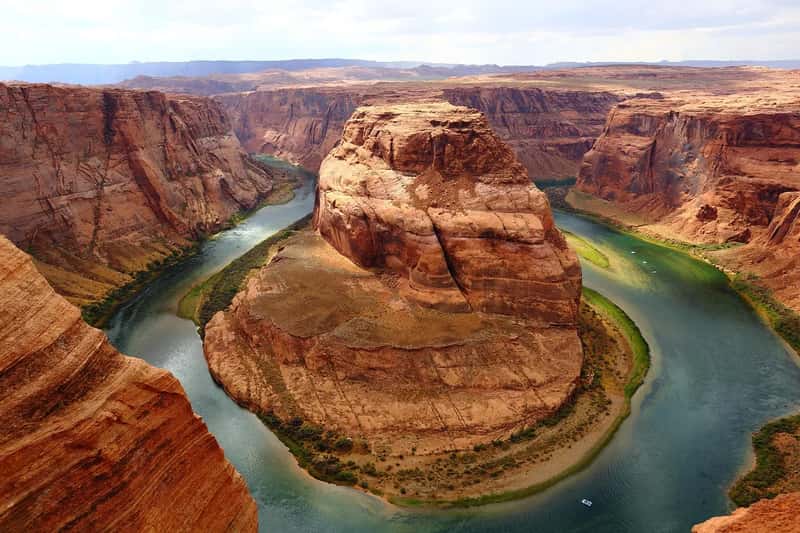
For families driving the Southwest, the Grand Canyon represented the payoff after long stretches of desert highway with little else to look at. The park had been established decades earlier, but it was the rise of car culture and improved roads in the 1950s that turned it into a mainstream family stop rather than a destination reserved for the truly adventurous. Station wagons lined the rim overlooks as parents tried to keep restless kids from wandering too close to the edge.
The canyon’s appeal for road trippers was almost architectural in how it worked on visitors. There was no ramping up to it, no gradual reveal from the highway. Families would walk from a dusty parking lot to a viewpoint and suddenly be looking at something too large to photograph properly with a box camera, which is exactly why so many 1950s vacation slides show blurry, awestruck attempts anyway.
Yellowstone National Park, Wyoming
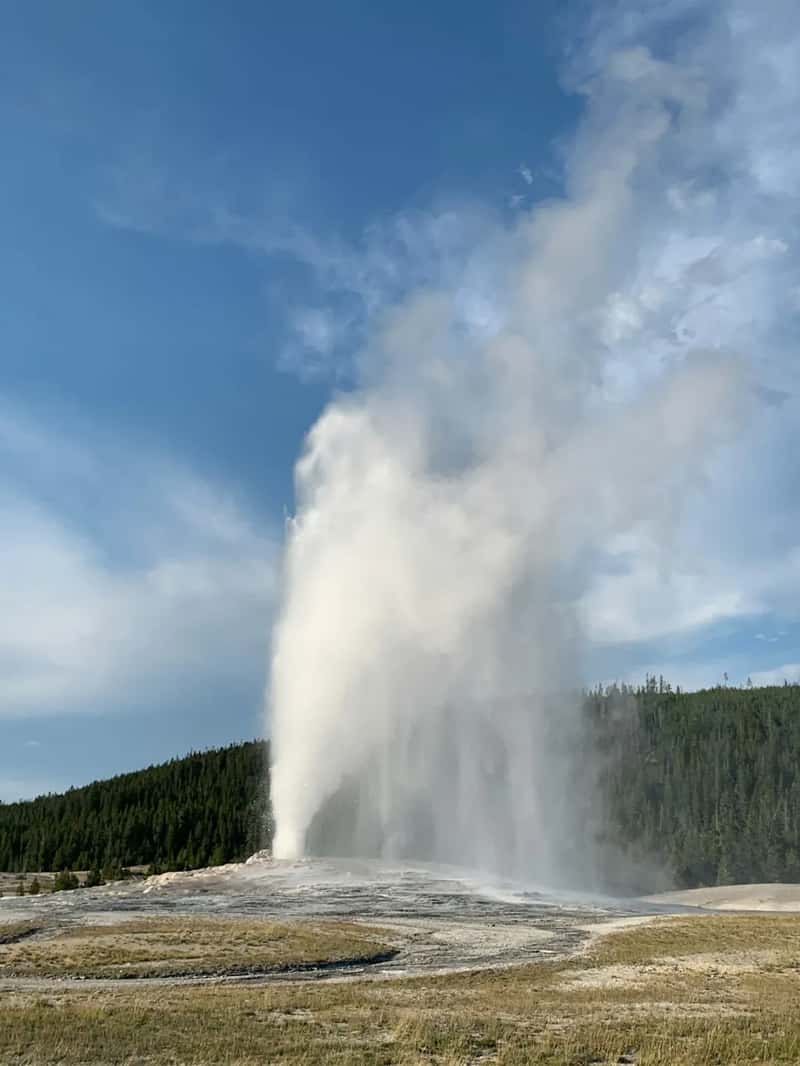
Yellowstone occupied a special place in the postwar road trip imagination, partly because it demanded more commitment than a quick roadside stop. Reaching it meant days of driving through several states, which made it a natural centerpiece for longer family vacations rather than a detour. Old Faithful, predictable and dramatic in equal measure, became the geyser every kid wanted timed to erupt the moment their family arrived.
Wildlife sightings were as much a part of the Yellowstone story as the geothermal features, and not always in a good way. Bears wandering close to cars looking for handouts were common enough in that era to become something of a running joke in family photo albums, before park rules eventually clamped down on the practice for obvious safety reasons. For many families, a trip to Yellowstone was the single biggest vacation of their childhood, the one story that got retold for years afterward.
Rock City Gardens, Georgia
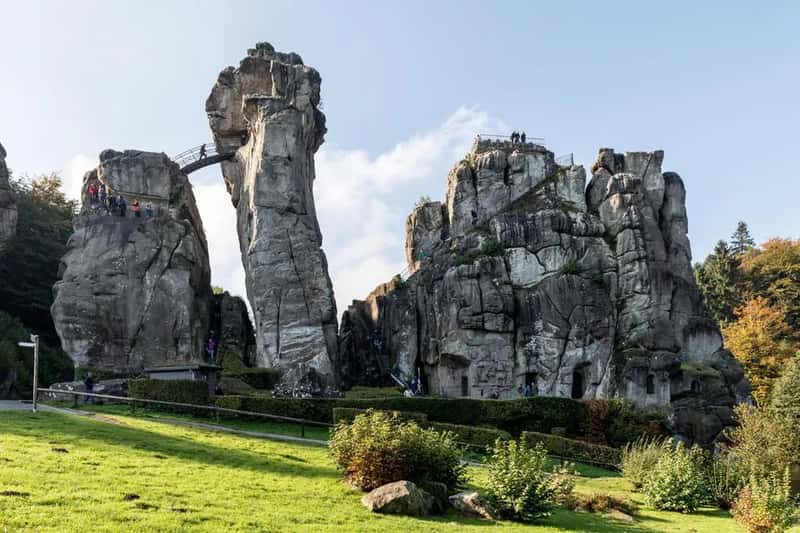
Long before GPS, Rock City relied on one of the most persistent advertising campaigns in American roadside history to get itself noticed. The phrase “See Rock City,” painted on barn roofs across dozens of states starting in the 1930s, had become so ubiquitous by the 1950s that families joked about spotting the signs before they ever set foot near the attraction itself. It sat atop Lookout Mountain near Chattanooga, Tennessee, close enough to that city to make it an easy stop for anyone driving through the region.
The draw was a mix of natural rock formations, gardens, and a view that supposedly let visitors see seven states at once on a clear day. Families walked narrow paths between towering sandstone formations, crossed a suspension bridge that felt genuinely daring to kids at the time, and finished with a stop at Fairyland Caverns, a lit up display of storybook scenes carved into a cave. It was exactly the kind of quirky, slightly theatrical stop that defined roadside tourism in that decade.
Wisconsin Dells, Wisconsin
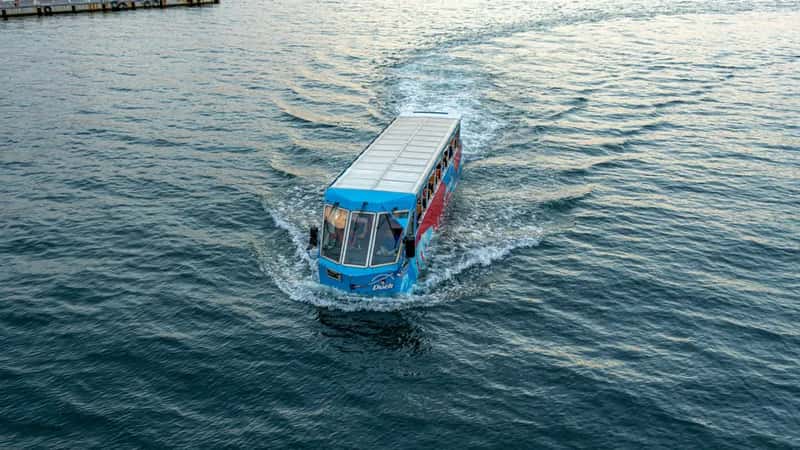
For families in the Midwest who could not easily reach the Grand Canyon or Yellowstone, the Wisconsin Dells offered a scaled down version of scenic drama much closer to home. Sandstone bluffs carved by the Wisconsin River gave the area a genuinely striking landscape, and the region built a whole tourism identity around boat tours through the narrow gorges. Duck boat tours, adapted from surplus World War II amphibious vehicles, became a signature attraction that let families experience both water and land in a single ride.
The area also became known for water ski shows that drew crowds throughout the summer season, a form of entertainment that fit perfectly with the family vacation crowds looking for something to do in the evenings. What made the Dells so appealing to postwar families was its accessibility. It did not require the multi day commitment of a western national park, yet it still delivered the sense of having gone somewhere genuinely different from home.
Taken together, these nine stops sketch out a fairly clear picture of what a family road trip looked like in the 1950s. There was always a mix of genuine natural wonder and unapologetic roadside kitsch, often within the same afternoon of driving. Billboards did a lot of the persuading, station wagons did the hauling, and a handful of destinations, some grand and some gloriously silly, became the shared backdrop for an entire generation’s childhood memories.