Anyone who has stood in a two hour line just to snap a photo of a canal, a waterfall, or a temple gate knows the feeling. The place looks exactly like the postcard, except for the crowd of a thousand other people trying to get the same shot. That tension between wanting to see the world’s most stunning corners and watching those same corners buckle under the weight of everyone else’s curiosity has become one of the defining travel stories of the mid 2020s.
By the summer of 2026, that tension has turned into policy. Cities, mountains, ancient ruins, and national parks across the globe are rewriting the rules of who gets in, when, and at what price, and the reasons behind those changes reveal a lot about what happens when a beautiful place becomes too popular for its own good.
Venice Turns Entry Into a Ticketed Event
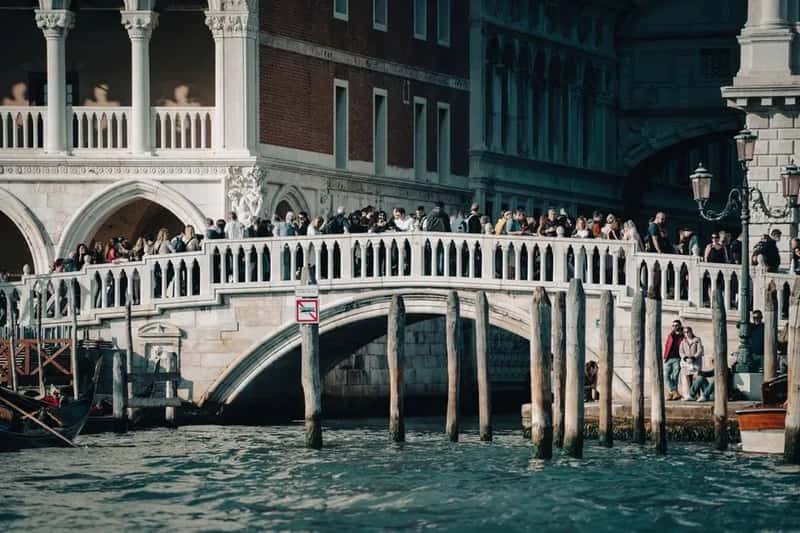
Venice has spent years experimenting with ways to thin out its day trip crowds, and in 2026 the city pushed that experiment further than any other place on earth. Venice became the first city in the world to introduce a direct access fee for tourists entering the historic centre, with visitors aged 14 and over required to pay a fee of €5 if they book at least four days in advance, or €10 if they pay closer to the date. The charge only applies on the busiest days, but those days now stretch across most of spring and early summer.
Venice’s council confirmed that its daytripper fee, introduced in summer 2024, returned again in 2026, with the number of days the levy is in place extended to 60, compared to 54 in 2025. Beyond the entry fee, the city has been quietly reshaping its relationship with cruise tourism too. Cruise ship passengers have been diverted from the Giudecca Canal, and large vessels are being restricted from docking near the historic center. For a city built on water and stone that was never designed for modern crowd sizes, the shift from open access to a booking system marks a genuine turning point.
Barcelona’s Housing Fight Spills Into the Streets

Barcelona’s overtourism story is less about queues and more about who can afford to live there. Water pistols and smoke grenades were used in a rally denouncing the 22.3 million foreign tourists who flooded the Catalonian capital between July and August, and despite tourism representing over 10% of the city’s GDP, it has also encouraged landlords to drive housing prices up in response to the influx of demand. That anger has translated directly into policy, with the regional government pushing through steep tax increases.
Barcelona’s tourist tax doubled on 1 April 2026, reaching a maximum of €12.00 per person, per night for five star hotel guests, operating as two layers, a regional Catalan rate plus a city surcharge. The city is not stopping there. Officials are also pushing for more regulations, including a ban on short-term rentals by 2028. A quarter of the new tax revenue is earmarked specifically for housing relief, a direct acknowledgment that the crowds and the rent crisis are tangled together.
Amsterdam Bets on Fewer, Higher Spending Visitors
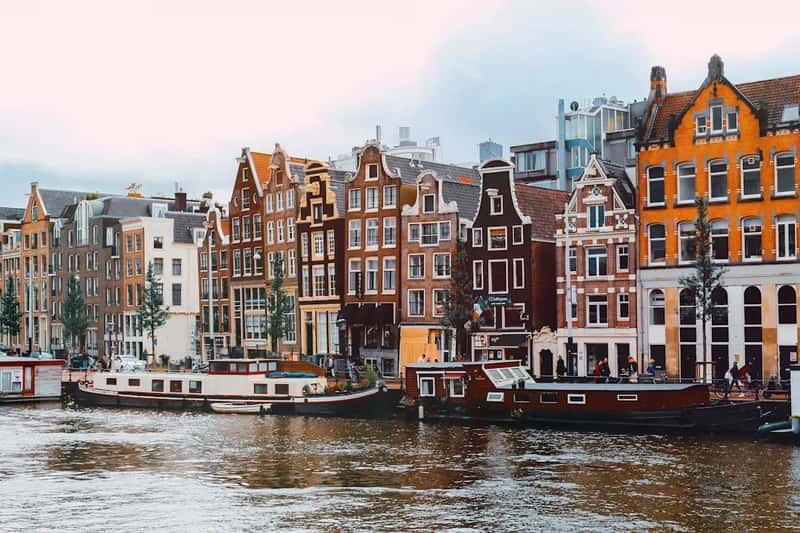
Amsterdam has taken a slightly different approach, leaning almost entirely on price rather than caps or bans. The municipality implemented the tourist tax at a record rate in 2024, setting it at 12.5 percent of the lodging price, meaning guests pay a significant portion of their accommodation cost back to the city. On top of that municipal charge, the Dutch national government layered on a new national tax increase.
The Dutch national government also raised the value added tax for accommodation from nine percent to twenty one percent on 1 January 2026, obliging hotels and short stay providers to charge the higher rate, which together with the municipal tax created one of the highest tax burdens for tourists in Europe. The city has also frozen new hotel construction and is steadily reducing cruise ship arrivals, betting that fewer overnight visitors paying more will do less damage than the previous model of unrestricted growth.
Japan’s Sacred Mountain Gets a Gate
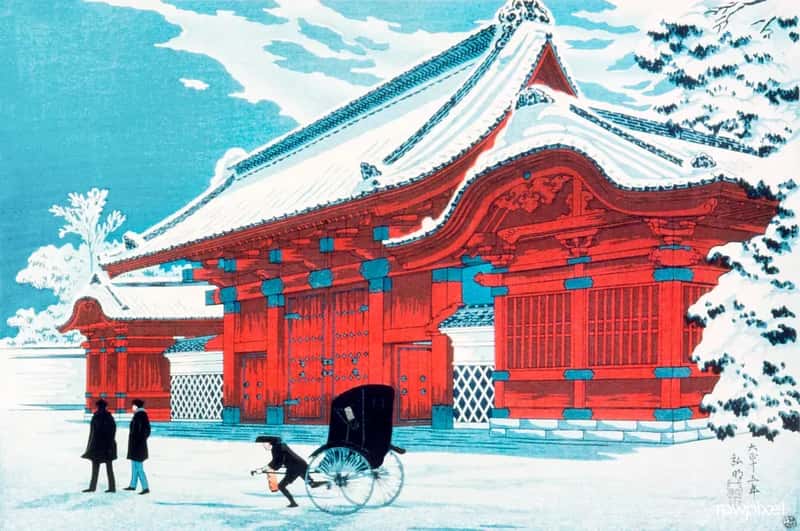
Mount Fuji spent years as a symbol of overtourism gone wrong, with hikers climbing at midnight and littering the trail just to catch a sunrise photo. Japan responded with hard numbers rather than gentle suggestions. The 2026 rules include a 4,000 yen hiking fee per person per trip, gate closure from 14:00 to 03:00 the following day except for mountain lodge guests, and a maximum of 4,000 climbers per day, excluding those staying at lodges.
The measures extend well beyond the mountain itself. Civil servants in the town of Fujikawaguchiko erected a black wall to try to stop tourists from deluging the town to take photos in front of Mount Fuji, and the city of Fujiyoshida canceled its cherry blossom festival to ease locals’ concerns, aiming to deter some of the 200,000 annual visitors who come during that time. Kyoto followed a similar path, and the city introduced a higher accommodation tax in 2026, the highest in the country, with a maximum tax of 10,000 yen per night. The message from Tokyo is consistent: the country still wants visitors, just fewer of them concentrated in the same handful of spots at the same time.
Machu Picchu Plans a Decade Ahead
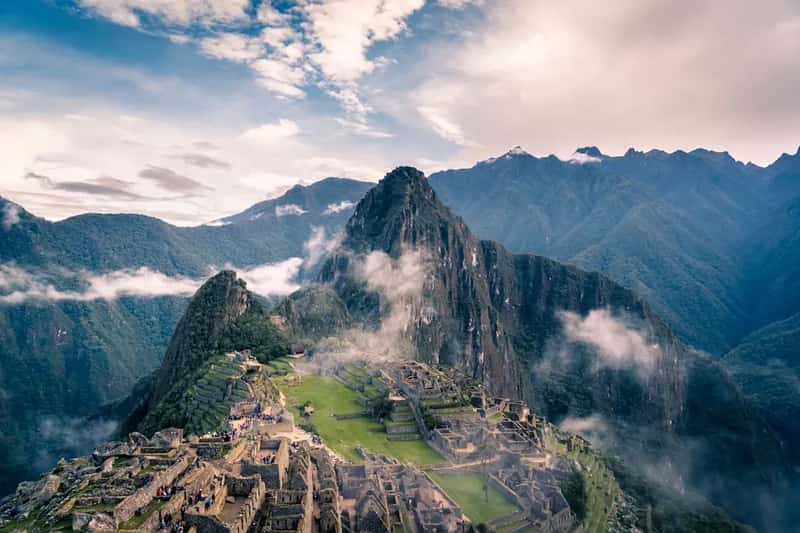
Peru’s most famous ruin has long struggled with a basic problem, ancient stone paths were never engineered for modern crowd volumes. The government’s response is a plan that stretches years into the future rather than a single season. The Peruvian government approved its master plan for Machu Picchu through 2031 to curb overtourism at the site, including stronger visitor controls, defined circuits, conservation priorities, and greater community involvement.
Daily numbers are already capped, with Peru restricting visitor numbers at Machu Picchu to approximately 5,000 per day, requiring entrants to buy permits and tour in guided groups, enforced via checkpoints. Part of the strategy also involves spreading tourism dollars further afield. Crucially, the strategy also supports diversifying tourism beyond Machu Picchu, encouraging travelers to explore the wider Sacred Valley and surrounding regions. The hope is that fewer feet on the Inca Trail translates into a longer lifespan for a site that has already outlasted five centuries.
The Canary Islands Say “Enough”
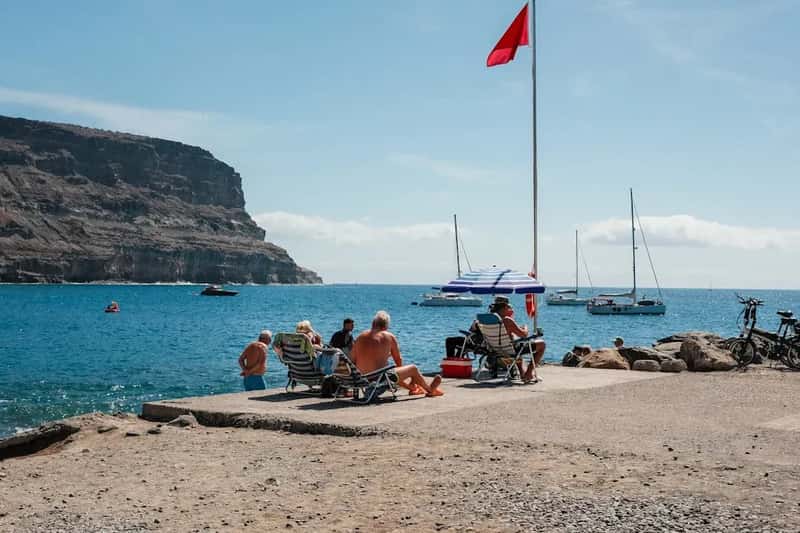
Few places illustrate the imbalance between visitors and residents as starkly as the Canary Islands. The archipelago received 7.8 million visitors in the first half of 2025 alone, while the islands are home to just 2.2 million residents. That ratio, roughly three and a half visitors for every resident, has pushed local frustration into open protest.
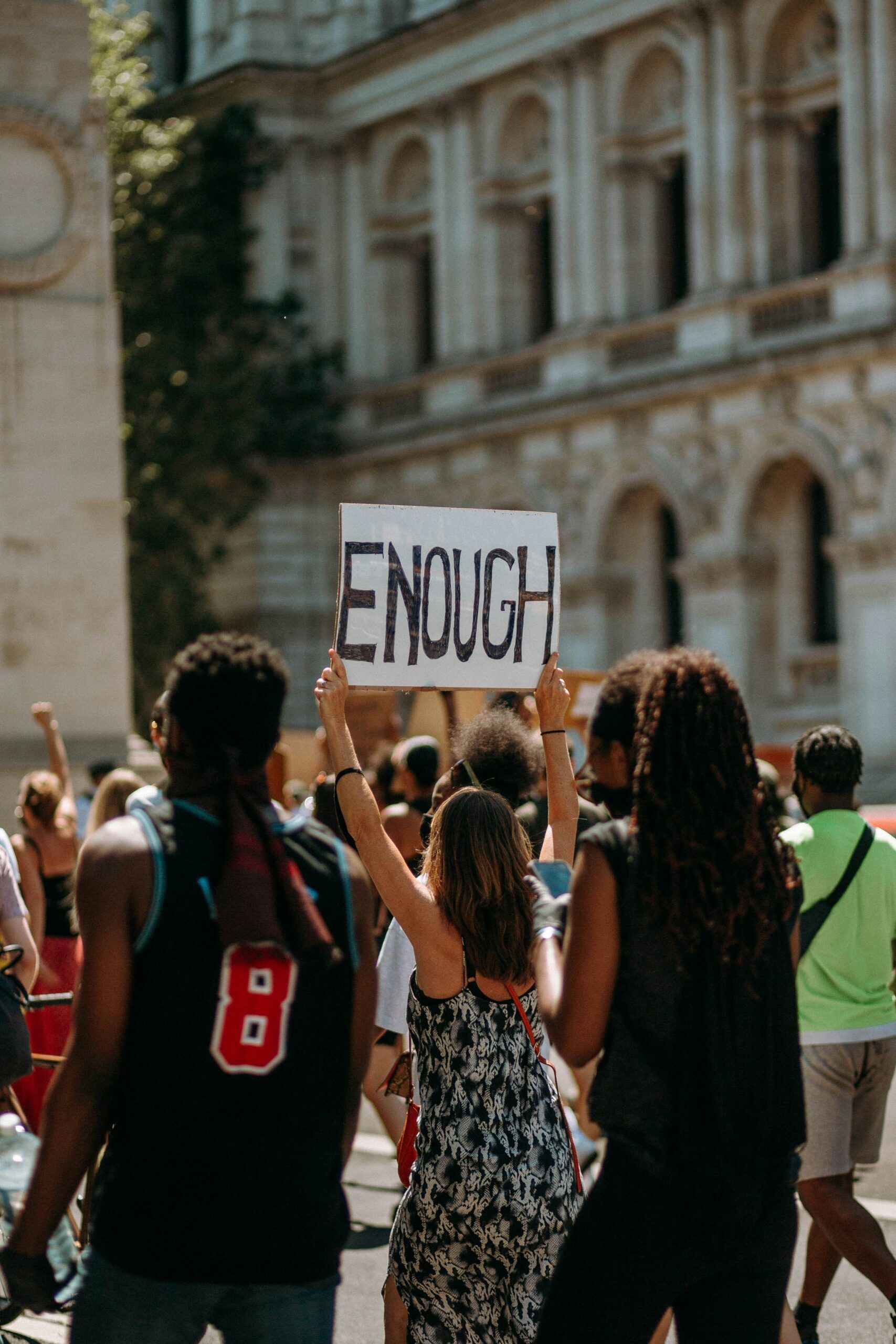
Under the banner “Canarias tiene un limite,” meaning the Canaries have a limit, thousands protested across all seven islands. The backlash has been noticed well beyond Spain’s borders too. TimeOut reported that both Tenerife and Lanzarote have been placed on travel “No Lists” by publications citing overtourism, environmental fragility, and infrastructure strain. New eco taxes for hiking in Tenerife’s volcanic national park add another layer, with the goal of funding trail upkeep while nudging visitors toward less fragile corners of the islands.
Protests Spread Across Southern Europe

What started as scattered demonstrations has become a coordinated seasonal event. On June 15, 2026, coordinated anti-tourism protests were planned in more than 16 cities across Spain, Italy, Portugal, and France, including Barcelona, Mallorca, Bilbao, Ibiza, Valencia, Venice, Naples, Palermo, and Lisbon. The organizing network behind these demonstrations has been building for years, not months.
The protests are organized by the Southern European Network Against Touristisation, a coalition founded in 2017 that held a strategy workshop in Barcelona with 120 delegates from more than a dozen cities, with tactics ranging from peaceful marches to the water pistol demonstrations that made international headlines in Barcelona in 2024. Beyond Spain, similar frustration has surfaced in Italy. Naples saw protests over lack of housing and growing short term rental numbers, with one resident warning that if growth continues unchecked, in five years half of Italy’s cities of art could become inaccessible, calling Rome, Florence, and Naples already suffocated by tourism almost to the point of no return. The protests are not really anti tourist so much as anti unmanaged tourist, a distinction that matters when policymakers decide what to do next.
America’s National Parks Face Their Own Reckoning
The overtourism conversation is not confined to Europe or Asia. American national parks have wrestled with record crowds for years, and 2026 brought a surprising reversal in how some of them respond. The US Department of the Interior announced that entry reservations would no longer be required at Yosemite National Park in California, Glacier National Park in Montana, and Arches National Park in Utah, systems that had been instituted specifically as a solution to severe overtourism issues.The early results have not been reassuring. Yosemite recorded nearly 100,000 more visitors than at the same point last year, and Memorial Day weekend brought entrance waits of an hour and a half or more, no available parking by mid morning, and cars parked illegally on meadows and road shoulders. Meanwhile, the broader system keeps setting records regardless of policy shifts. In 2024, national parks hit a record 331.9 million visits, continuing a steady climb from roughly 290 million a decade earlier. The Yosemite experiment suggests that removing crowd controls does not make crowds disappear, it just moves the congestion from a booking website to the entrance gate.
Quality Over Quantity Becomes the Global Playbook
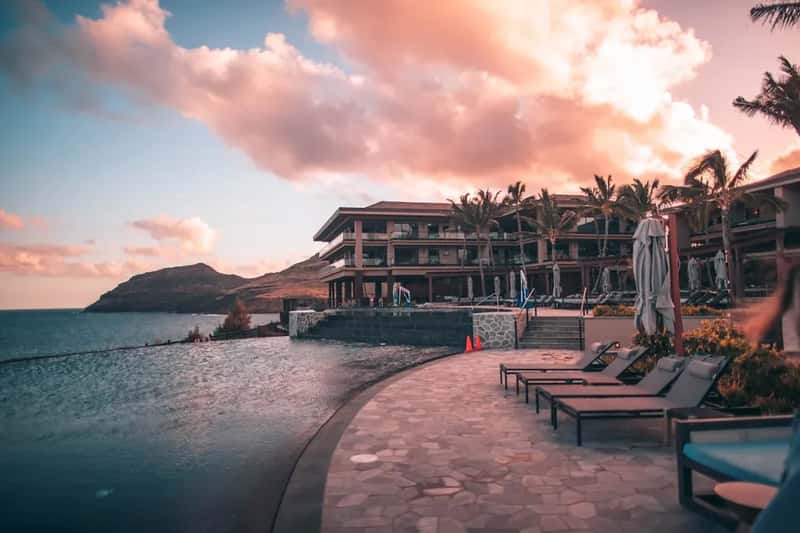
Across nearly every destination mentioned so far, a similar economic logic keeps surfacing, one that European officials have started calling quality tourism. The European Travel Commission reported that travel expenditure across Europe rose 9.7% in 2025 while visitor arrivals grew just 3.2%, and in Spain international tourist spending reached €15.4 billion in the first two months of 2026 alone, up 6.9% year over year, while visitor numbers increased just 2%. In plain terms, destinations are trying to earn more from fewer people rather than simply absorbing endless growth.
The idea is spreading well beyond Europe’s borders. Bhutan has required visitors to pay a Sustainable Development Fee of US$200 to 250 per day, a high value tax that directly funds infrastructure and conservation while limiting bulk tourism. Whether every destination can pull off this balancing act is an open question, since raising prices without genuinely improving crowd management risks simply pricing out budget travelers while doing little to actually reduce the strain on fragile sites.
What This Means for Where You Travel Next
None of this points toward the end of travel as we know it, but it does mean spontaneity is becoming a luxury rather than a default. Booking a day trip to Venice, a Fuji ascent, or a Machu Picchu visit now typically requires planning weeks or months ahead rather than showing up and buying a ticket at the gate. The days of cheap, spontaneous, peak season trips to overcrowded hotspots are numbered, and travelers who plan ahead will pay less and enjoy more.
There is also a quieter shift happening in traveler behavior itself, separate from any government mandate. Skyscanner’s 2026 travel trends report, based on data from over 22,000 travelers, found that nearly a third experienced negative effects from overtourism and roughly a third are now actively seeking quieter destinations. That instinct, choosing a lesser known coastline over a famous one, or visiting in April instead of July, may end up doing more to protect these places than any single tax or entry fee ever could.