You’re scrolling through your travel photos from a decade ago, remembering the thrill of jetting off to new places. The spacious seats. The manageable crowds. The excitement that didn’t come with a nagging feeling of stress. Maybe I’m romanticizing the past, but honestly, there’s a reason why travel feels more exhausting these days.
While we’re all still eager to explore the world, the reality is that getting there and enjoying it has become a lot harder. From the physical discomfort on planes to the overwhelming swarms at popular destinations, modern travel comes with baggage that goes beyond what you pack. The good news is you’re not imagining things. The bad news? These trends show no signs of slowing down. Let’s dive in and see what’s really going on.
Shrinking Airplane Seats Are Squeezing Out Comfort
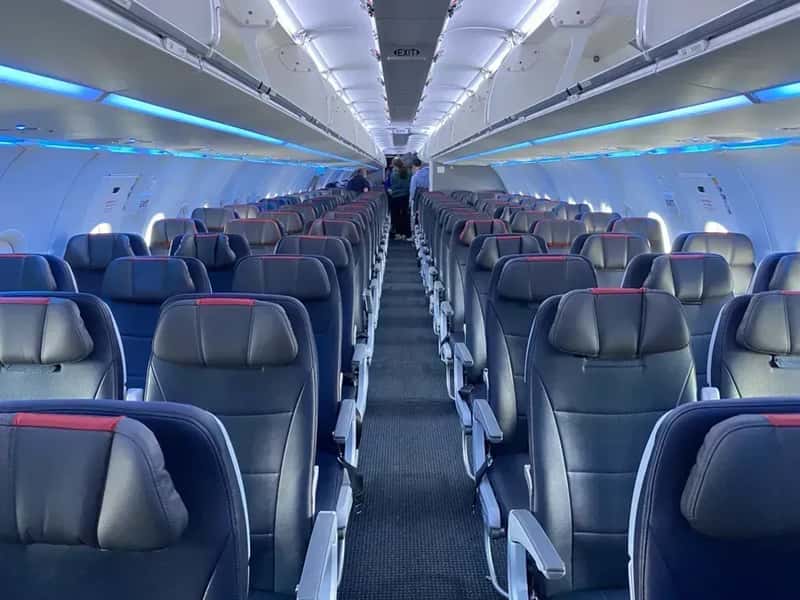
The average legroom has decreased from 35 inches to a cramped 28 inches on low-cost carriers, and seat width has also shrunk by as much as four inches over the past 30 years. It’s not your imagination. Airlines have been quietly squeezing more passengers into each plane for years, and your knees are paying the price.
Major carriers like American, Delta, Southwest, and United have each lost between 2 and 5 inches of legroom and around 2 inches of seat width since the 1980s. Here’s the thing: airlines discovered they could fit more seats by making them slimmer and closer together. Less than half of U.S. airline passengers can reasonably fit in economy seats as of 2022, according to passenger rights organizations. When the Federal Aviation Administration opened up public comments about this issue, they received more than 26,000 overwhelmingly negative responses.
Ticket prices jumped a whopping 25% from 2023 to 2024, yet you’re getting less space than ever before. The strategy is transparent: make standard seats uncomfortable enough that passengers pay extra for slightly more legroom. Airlines now charge premiums for what used to be normal seating, creating a tiered system where comfort is a luxury purchase rather than a standard feature.
Overtourism Is Ruining Popular Destinations
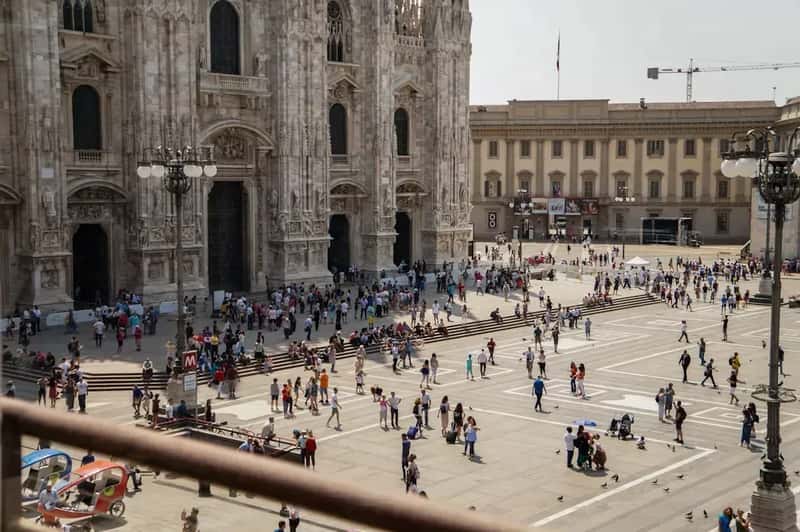
Remember when you could enjoy the Trevi Fountain without elbowing through a thousand other tourists? Those days are fading fast. Santorini reports up to 18,000 cruise passengers overwhelming the island daily, straining resources for its 15,000 residents, while Barcelona’s 32 million annual visitors are driving up housing costs and disrupting local life.
The problem has become so severe that destinations are fighting back. Venice introduced a €5 fee for visitors accessing the city centre during peak travel season in 2024, and Athens capped Acropolis visitors at 20,000 per day. These aren’t just inconvenient regulations. They’re desperate attempts to save beloved places from being loved to death.
The UN World Tourism Organization reports 790 million international tourists in the first seven months of 2024, an 11% increase from 2023. The issue isn’t just the crowds themselves. It’s what they bring: rising prices for locals, environmental damage, diluted cultural experiences, and the transformation of authentic neighborhoods into tourist traps. When you finally reach that bucket-list destination, you might find yourself more stressed than inspired, fighting for space to take the same photo everyone else is taking.
Travel Costs Keep Climbing Higher
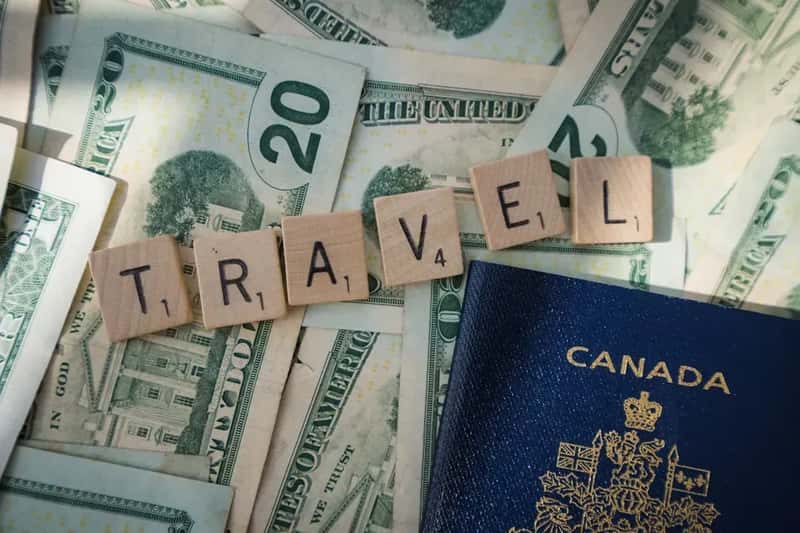
Let’s be real: travel was bleeding wallets dry. From flights and hotels to destination taxes, travelers were paying more, and the trend continued into 2025. Hotel costs have soared 10% since 2019 as a result of both increased demand and inflation, and if you think switching to vacation rentals will save you money, think again.
A Deloitte 2024 summer travel survey stated that 31% of respondents claim it’s too expensive to travel right now, up from 24% in 2023. The sticker shock doesn’t end there. Airfare inflation has reached 42 percent annually, according to Consumer Price Index reports, far outpacing general inflation rates. Even dining out while traveling has become pricey. December 2025 food prices away from home were 50.5% higher than they were in November 2015.
Here’s what frustrates travelers most: you’re paying significantly more for objectively worse experiences. Smaller seats. Crowded destinations. Hidden fees at every turn. The value proposition of travel has fundamentally shifted, and not in our favor. While some destinations like Asia and the Caribbean are showing price decreases, overall travel expenses continue their upward march, making that dream vacation feel more like a financial sacrifice than an adventure.
Flight Delays and Cancellations Are More Common Than Ever
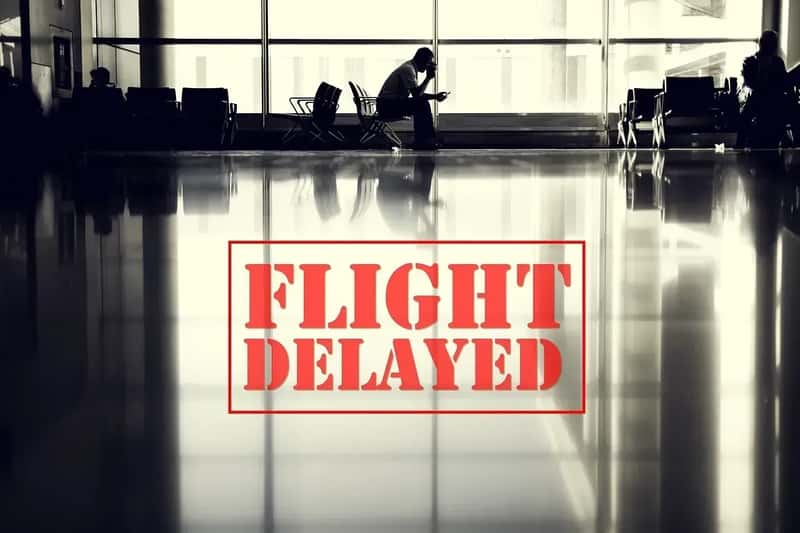
Picture this: you’ve taken time off work, arranged pet care, and packed your bags. Then you get the notification. Delayed. Again. Or worse: cancelled. In 2024, about 1,531,080 flights were delayed nationwide, representing roughly 20.3% of all scheduled domestic flights, while 1.4% of flights were cancelled, higher than the 1.3% cancellation rate in 2023.
The summer of 2024 was particularly brutal. July saw the highest proportion of disrupted flights at 33%, affecting 31.6 million passengers. Remember the CrowdStrike outage? That single day in July became the most disrupted travel day of the entire year. Airlines experienced 437 tarmac delays of more than three hours on domestic flights in 2024, up from 289 in 2023, marking the highest number since regulations took effect in 2010.
Think about what this really means. Nearly one in four flights doesn’t arrive on time. Your careful planning, your connections, your first day at your destination – all potentially thrown into chaos. A total of 236 million passengers had a delayed or canceled flight in 2024, making disruptions the norm rather than the exception. Airlines blame weather, staffing shortages, and air traffic control issues, yet passengers are left scrambling to salvage their trips while losing precious vacation time sitting in airports.
Hidden Fees Are Draining Your Travel Budget

You’ve found what looks like an amazing flight deal. Then comes the reality check. Seat selection? That’s extra. Checking a bag? Pay up. Want to board early enough to actually find overhead bin space? Another fee. Want to print your boarding pass at the airport? Some budget carriers will charge you for that too.
Airlines advertise lower fares through basic economy seats that offer few frills, and those low base fares typically come with upcharges in the form of ancillary fees to check bags, to guarantee an aisle seat or to secure early boarding. This unbundling strategy makes comparison shopping nearly impossible because the advertised price bears little resemblance to what you’ll actually pay.
Hotels aren’t innocent either. Resort fees, cleaning fees, parking fees, early check-in fees, late checkout fees – the list goes on. You think you’re booking a room for $150 per night, but by checkout, you’ve somehow spent $200 per night after all the add-ons. These fees often don’t appear until the final booking stages, creating a bait-and-switch scenario that leaves travelers feeling manipulated and frustrated. The advertised price becomes almost meaningless, just a lure to get you invested in the booking process before hitting you with the real cost.
The Environmental Guilt of Frequent Flying
Here’s the uncomfortable truth that more travelers are grappling with in 2026: our wanderlust has consequences. Tourism accounts for 8% of carbon emissions globally, and transport accounts for roughly a quarter of energy-related carbon dioxide emissions, with flights producing 13.9% of transport emissions.
The rise of extreme day trips and quick international jaunts has made this worse. Flying internationally for just a single day, the opposite of slow travel, puts unnecessary strain on destinations that receive little benefit from the fleeting visits, beyond its environmental impact. Social media influencers make it look glamorous to fly to Italy for pasta and return the same day, but taking multiple short flights a year is the worst thing you can do if you’re trying to reduce your carbon footprint.
This creates a genuine moral dilemma for conscientious travelers. We want to explore the world, experience different cultures, and create memories. Yet we’re increasingly aware that every flight contributes to climate change, which disproportionately affects communities that contribute the least to the problem. Some travelers are shifting to train travel or choosing closer destinations, while others are extending trips to justify the carbon cost. Still, the guilt lingers, adding a psychological weight to travel that didn’t exist a generation ago. We’re caught between our desire to see the world and our responsibility to protect it.
Finding Joy in Travel Again

Travel doesn’t have to be miserable, even with these trends working against us. Smart travelers are adapting: booking off-season, choosing less crowded destinations, paying for extra legroom when budgets allow, and building extra time into itineraries for inevitable delays. Some are embracing slow travel, spending more time in fewer places to offset both carbon emissions and costs.
The key is adjusting expectations and planning accordingly. Research destinations dealing with overtourism and consider alternatives. Book flights with realistic connection times. Budget for the hidden fees you know are coming. Arrive at the airport earlier than you think necessary.
Travel in 2026 requires more patience, more money, and more strategic planning than it used to. The spontaneity and ease of past decades have given way to a more complicated reality. Yet despite the challenges, millions of us keep booking those flights and planning those trips. We adapt because the alternative – never experiencing new places, cultures, and perspectives – feels worse than dealing with cramped seats and crowds. The question isn’t whether these trends will continue, but whether we’re willing to work around them to keep exploring. What would you change about modern travel if you could?