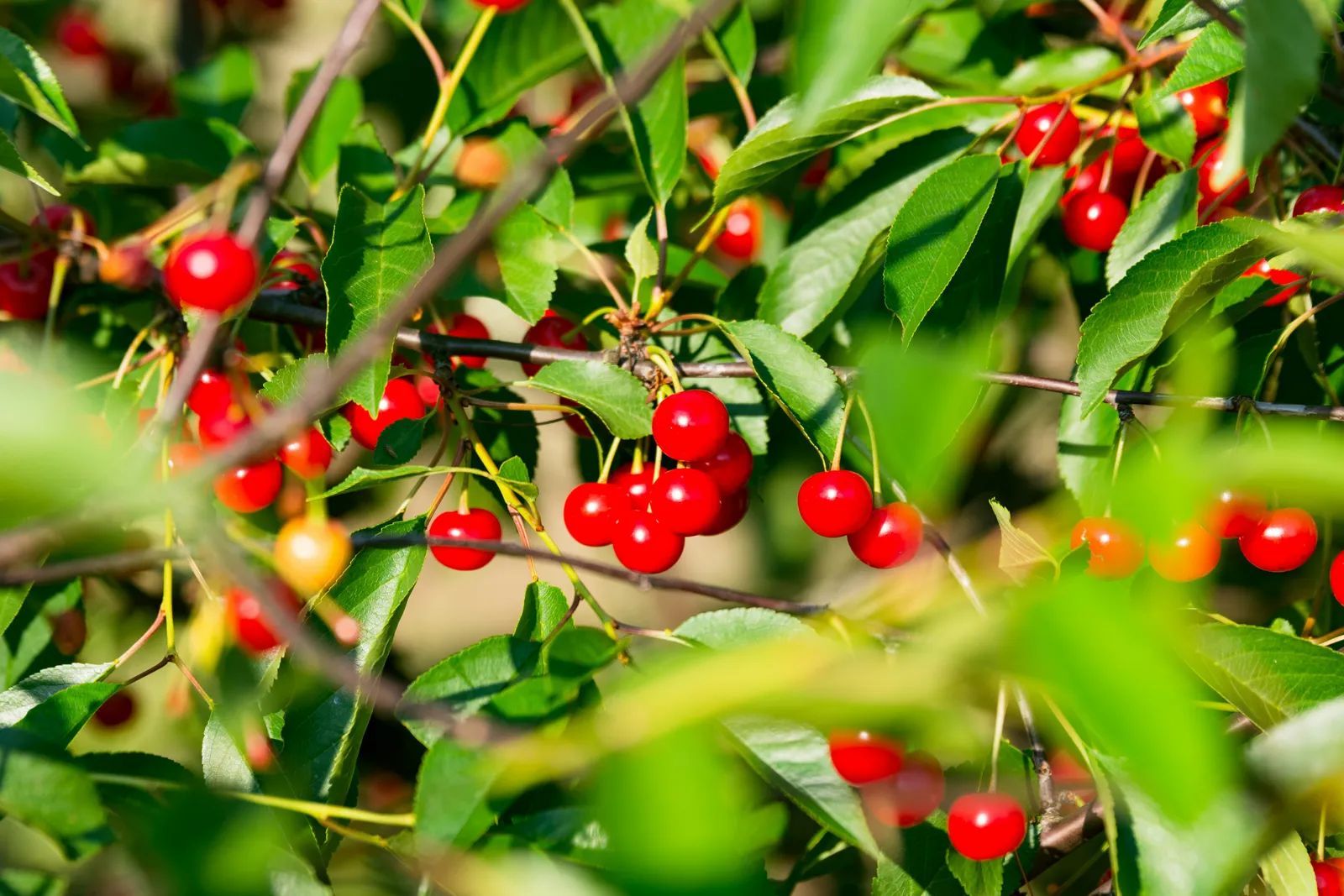
Maraschino cherries sit in many pantries and refrigerators as a simple garnish for drinks and desserts, yet their storage rules depend heavily on the brand and whether the jar has been opened. Unopened jars remain shelf-stable for extended periods in a cool, dry spot, while opened supermarket versions require refrigeration to maintain quality. The most detailed guidance comes from manufacturer labels and general food storage references rather than cherry-specific government charts. ([1])
Unopened Jars Offer Extended Pantry Life
Standard supermarket jars of maraschino cherries carry instructions to keep them in a cool, dry place between 40 and 80 degrees Fahrenheit, though labels rarely list an exact expiration window. This approach aligns with common pantry practices for similar preserved items. Luxardo, a premium brand, provides clearer data on its product sheet, listing a three-year shelf life for several jar sizes. The sheet does not specify storage conditions or the starting point for that timeframe. General guidance for unopened canned fruit offers the nearest official comparison. Extension services list high-acid canned goods, including fruits, at 12 to 18 months when stored properly. These figures come from broader USDA-based charts and do not address maraschino cherries directly.
Opened Jars Require Refrigeration for Safety
Once opened, standard supermarket jars belong in the refrigerator according to multiple store-brand labels. This step helps slow any changes in the syrup and cherries. No manufacturer or government source supplies a precise timeframe for opened maraschino cherries. The closest comparison comes from opened canned fruit guidance, which suggests 5 to 7 days in one reference and 2 to 4 days in another. Luxardo guidance for opened jars remains limited. One retailer listing recommends keeping the jar closed in a cool, dry place without freezing, though users should always check the specific label on their product. Following any printed instructions and using clean utensils each time provides the most practical approach.
Key Differences Between Common Types
Bright red supermarket cherries typically contain corn syrup, high fructose corn syrup, artificial color such as Red 40, and preservatives including potassium sorbate and sodium benzoate. Some also list sulfur dioxide as a sulfite that must be declared on labels. Naturally colored options like those from Tillen Farms avoid dyes and corn syrup, relying instead on vegetable and fruit concentrates. These versions still direct users to refrigerate after opening. Luxardo cherries stand apart by using no preservatives or thickening agents, with natural color instead of artificial dyes. Their longer unopened shelf life reflects this formulation, though opened handling still follows label directions.
Recognizing When a Jar Has Turned
Signs that warrant discarding a jar include a leaking or bulging lid, liquid that spurts upon opening, or a foul odor. These indicators appear in general packaged food guidance from extension services. Additional cautions include visible mold on the cherries, syrup, or lid underside, along with bubbling, a sour smell, slimy texture, or cloudy syrup. A normal appearance alone does not confirm safety, so any doubt calls for replacement rather than tasting. Sugar crystals in the syrup represent a normal texture change from cold storage rather than spoilage. Slight color fading in the cherries also falls into the quality category and does not automatically signal a problem.
| Type | Unopened | Opened |
|---|---|---|
| Standard supermarket jar | Cool, dry place (40-80°F) | Refrigerate |
| Luxardo | 3 years per product sheet | Follow label; cool, dry spot advised by some retailers |
| Tillen Farms | No specific unopened guidance | Refrigerate and serve cold |
Maraschino cherries reward careful attention to their condition and storage method. Checking the jar before each use and replacing it when uncertainty arises keeps the garnish reliable for cocktails and desserts alike.