Mexico has always been one of the world’s most visited countries, and 2026 has turned into an especially busy chapter in that story. Between a summer that just wrapped up hosting World Cup matches, new digital entry procedures, fresh tourist taxes in several states, and a currency that has behaved nothing like most people expect, the Mexico you land in this year may look a little different from the one you remember from a few years ago.
None of this means travelers should think twice about booking a trip. It simply means a bit of homework beforehand goes a long way. Here’s what has actually changed, region by region and rule by rule, so your plans line up with reality rather than outdated blog posts.
The FMM Tourist Permit Just Got More Complicated
For years, most visitors landing in Mexico could count on an automatic 180-day tourist stamp with barely a question asked, but that has changed. In 2026 Mexico modified how visitor permits are issued at ports of entry, and instead of automatically granting the maximum 180-day stay, immigration officials now generally determine the length of the permit based on each traveller’s stated plans and supporting documentation. That means you could walk away with fewer days than you expected depending on your itinerary and what evidence you have on hand.
For the vast majority of visitors, this shift is a non-issue. For a standard beach vacation or a week-long city break, this shift is unlikely to cause problems. The people who should pay closer attention are long-stay travelers, digital nomads, or anyone planning to string together back-to-back tourist permits. One detail that trips people up: the FMM allows a maximum stay of 180 days, but that number is not guaranteed, since the immigration officer at your point of entry decides how many days to grant, and there is no appeal process.
Passport, Visa, and Digital Entry Rules Still Trip People Up
For all visitors, the passport must be valid for at least 6 months after the intended date of entry, and if you’re flying rather than driving across a land border, passport cards cannot be used for international flights, so anyone flying into Mexico must have a valid passport book. As for who needs an actual visa rather than just the FMM permit, currently only 69 countries enjoy visa-exempt status for Mexico, and American travelers are among the fortunate ones, welcomed without the need for a tourist visa in 2026 and able to enjoy up to 180 days of visa-free stay.
The paperwork itself has also gone digital in many places. Mexico is transitioning to digital processing, which has changed how the FMM is issued, especially for those arriving by air, and at major airports including Cancun, Tulum, and Mexico City, the old paper tourist card has mostly disappeared, though the immigration permission itself still exists, just handled digitally now. Land crossings work differently, though. Land border crossings work differently, so don’t assume the digital shift applies everywhere, since an FMM is required to travel anywhere in Mexico and it must be stamped at an INM office at the border to be valid. Overstaying isn’t treated lightly either, as overstaying isn’t a minor inconvenience, with fines running approximately 44 USD per day of overstay paid at the airport or border when you exit.
A Patchwork Safety Picture: Reading State-by-State Advisories
Mexico’s safety situation is genuinely uneven, and treating the whole country as one block misses the point entirely. Mexico is the only country where the U.S. State Department publishes a separate advisory level for each of its 32 federal entities, using a 1–4 scale where every individual state gets its own level. The U.S. State Department has updated its Mexico travel advisory ahead of the 2026 FIFA World Cup, maintaining a Level 2 warning citing crime, terrorism and kidnapping concerns.
As of mid-2026, six states remain under a Level 4 “Do Not Travel” advisory: Colima, Guerrero, Michoacán, Sinaloa, Tamaulipas and Zacatecas. Several additional states, including Baja California, Chihuahua, Guanajuato and Jalisco, are classified as Level 3, meaning Americans should reconsider travel. The picture brightens considerably for classic beach destinations, though. On the safer end, Yucatán and Campeche are the only states at Level 1, while their immediate neighbour Tabasco is Level 2. Worth noting too, as of early 2026 there has been added concern in Jalisco following the killing of Mexican drug lord Nemesio “El Mencho” Oseguera Cervantes in February 2026 and retaliatory violence by his cartel in and around Guadalajara, though Mexican President Claudia Sheinbaum has insisted there are “no risks.”
Tourist Taxes Are Popping Up in More Places Than Ever
If there’s one thing that genuinely surprises returning visitors this year, it’s how many small fees have stacked up. The federal DNR, or Visitor Permit fee, applies to anyone staying longer than seven days or arriving via air or sea, and in 2026 the fee is 983 MXN, about 54 USD, up from 861 MXN in 2025. Most flyers won’t notice, though, since if you’re flying into Mexico, the fee is usually already included in the cost of your airline ticket, so you won’t need to pay anything separately upon arrival.
State-level fees are a different story and usually aren’t bundled into your booking. In Quintana Roo, the state government confirmed that the Visitax, the tourist tax introduced in 2021, will not increase in 2026, meaning visitors will continue paying the current rate of 285 pesos. Down the coast, Baja California Sur increased its “Embrace It” tax from 470 to 488 Mexican pesos per person as of January 1, 2026, applying to travelers over 12 who stay more than 24 hours in areas including Los Cabos, Cabo San Lucas, La Paz and Loreto. Puerto Vallarta has joined the trend too, since the city introduced a 160 MXN tax, about 8.50 USD, for foreign visitors including those arriving by cruise ship, and after being originally challenged in court, it has now been approved and is being enforced starting in 2026.
The Peso’s Surprising Strength Changes the Travel Math
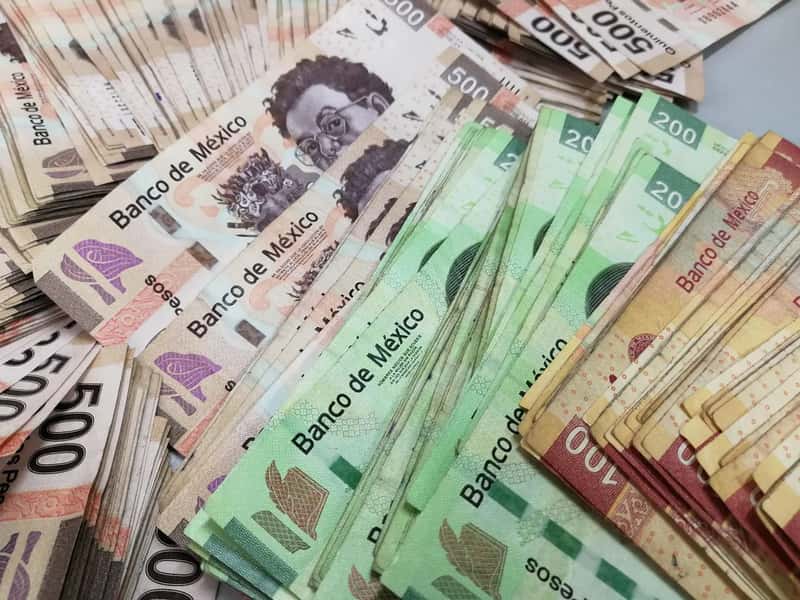
Currency planning matters more in Mexico this year than it has in a while, largely because the peso hasn’t behaved the way most forecasters expected. Currency planning matters more in Mexico than in many destinations because the peso has been unusually volatile, and after a strong run in 2025, the peso appreciated almost 16% against the dollar, defying the expectations of many economists. That strength carried into this year as well. That strength has largely continued into 2026, and by mid-summer the Mexican peso was trading little changed at around 17.5 per USD, as broad US dollar weakness was offset by uncertainty surrounding the USMCA review.
For everyday travelers, the practical takeaway is simple. A stronger peso makes Mexico a slightly more expensive destination than it was a few years ago, so it pays to check the current rate close to departure rather than relying on outdated conversion math, and confirming the exchange rate, keeping a mix of small and large peso notes, and using bank-affiliated ATMs will save both money and time. It’s also worth knowing where not to change money. Airport exchange kiosks offer the worst rates, with margins of 8 to 15 percent below the mid-market rate common at Cancún and Mexico City airports, and it’s worth declining any offer to pay in your home currency at a card terminal since accepting dynamic currency conversion is a trap that catches even experienced travelers.
Digital Immigration, SIM Registration, and New Bans

Mexico has rolled out a handful of administrative changes this year that catch first-time visitors off guard. In another major change, Mexico has introduced a mandatory phone registration process, meaning if you buy a local SIM card you will need to register it with your passport, a requirement introduced to prevent extortion and fraud. The deadline already passed for existing numbers, since SIM cards that are not registered by June 30, 2026 will be suspended and can only make emergency calls to 911.
Transportation rules have shifted too, particularly around the country’s newest rail line. Mexico’s Tren Maya is now fully operational, and passengers need to follow new guidelines: international tourists pay higher fares than locals, there are restrictions on carry-on baggage and alcohol consumption, and pets require a liability waiver and vaccination certificate before boarding. Broadly speaking, Mexico is strengthening its restrictions on international travel with several significant measures, including increased tourist taxes, a new computerized immigration system, tighter entry regulations, and new bans, all put in place to finance long-term infrastructure and guarantee improved safety and sustainability.
Mexico’s World Cup Summer Just Wrapped Up

If you’ve been noticing extra buzz around Mexico this year, the World Cup is a big reason why. The 2026 FIFA World Cup was jointly hosted in 16 cities, 11 in the United States, 3 in Mexico, and 2 in Canada, with the tournament played from June 11 to July 19 and consisting of 104 matches. The host cities in Mexico were Guadalajara, Mexico City, and Monterrey, marking the third time the World Cup has taken place in Mexico after 1970 and 1986. Mexico City’s Centro Histórico, built over the remains of Aztec Tenochtitlan, brings together the Zócalo, Metropolitan Cathedral, and the Templo Mayor archaeological site within a few blocks.
The tournament has just concluded, with Spain beating Argentina 1–0 after extra time to win the 2026 FIFA World Cup on July 19. Travelers heading to any of the three Mexican host cities in the weeks after the final should still expect some residual effects. Expect ongoing construction, heavier crowds than usual, and a security posture that may stay elevated even now that the matches are over. Airport upgrades tied to the tournament are also still finishing up in places, since a major expansion at Cancún International Airport centered on Terminal 1 and Terminal 4 aimed at increasing capacity, with the Terminal 1 reconstruction estimated to be completed around mid-2026, timed to align with the FIFA World Cup.
Cruise Passengers Face a New, Smaller Fee Than Expected
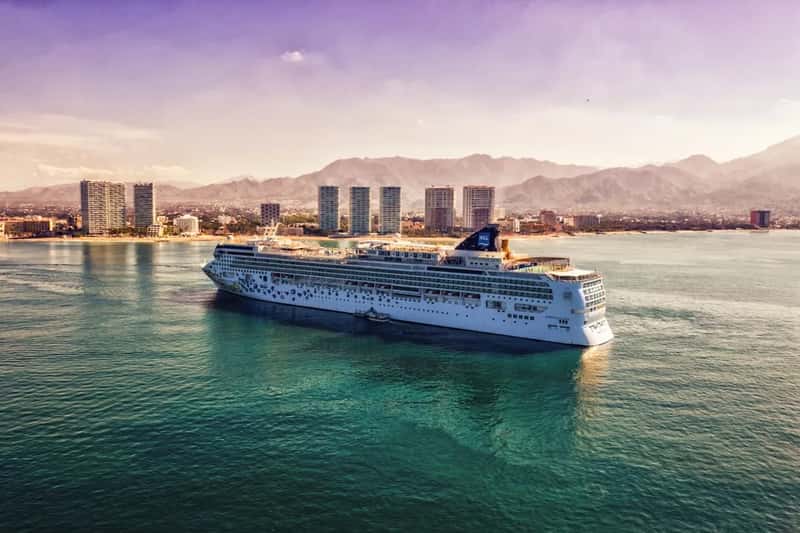
Anyone sailing to Mexico this year should know about a fee that almost caused a much bigger headache. Initially set at $42, Mexico’s cruise passenger tax is now $5, effective July 1, 2025, a move the Florida-Caribbean Cruise Association praised as aiming to boost local economies and tourism. That number is rising gradually, though. The rate will increase to $10 on Aug. 1, 2026, $15 on July 1, 2027, and $21 on Aug. 1, 2028.
The original proposal had raised real alarm in the industry. Mexico’s Congress initially approved a $42 head tax in November, scheduling implementation for Jan. 1, before delaying it to July after receiving cruise industry backlash. The stakes for local economies were significant, since the change would have been particularly damaging to states like Quintana Roo where cruise tourism represents 40% of GDP. For travelers, the practical upshot is that this fee is small enough to barely register on a typical cruise budget, and it’s usually folded into your fare rather than collected separately at the pier.
Getting Around Safely: Transportation Habits That Still Apply

Regardless of what’s changed on paper, some ground-level safety habits remain just as relevant in 2026 as ever. Do not hail taxis on the street; use trusted ride-sharing apps, or book taxis through your hotel or an authorized taxi stand known as a “sitio.” Ride-sharing apps like Uber and Cabify are available and generally safe to use, but if you are using a taxi or ride-sharing app, confirm the driver’s license plate number and vehicle type to make sure you are getting into the right vehicle.
Intercity travel deserves a bit more caution too. Travel between cities only during daylight, and for inter-city travel, first-class or “executive” buses are most direct and most reliable. It’s also smart to register your trip before you fly. Enrolling in a government travel alert program before departure is free and genuinely useful, since it puts you on a direct line to your embassy if conditions change mid-trip. That’s a small step that costs nothing and can make a real difference if plans go sideways.
Putting It All Together for Your 2026 Trip
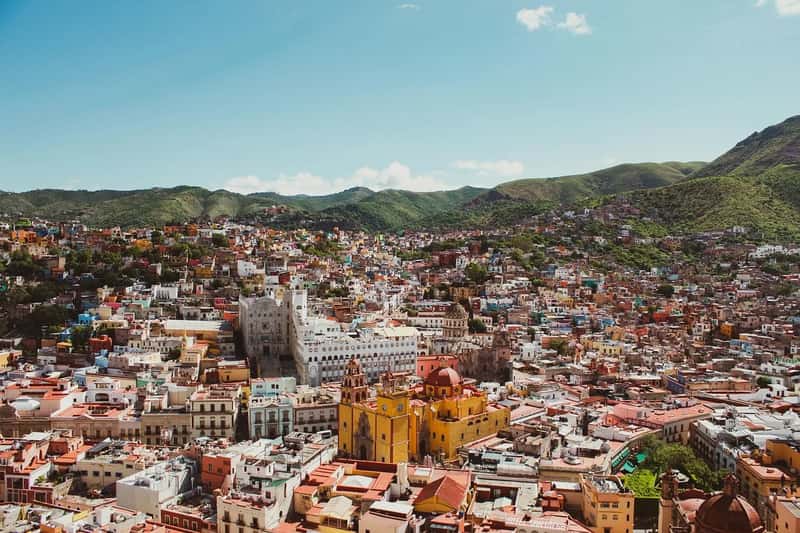
None of these changes should scare anyone away from Mexico. The country remains an enormous and varied destination, from colonial cities in the highlands to reef-lined coastlines, and the vast majority of trips still go smoothly for the tens of millions of tourists who visit each year. What’s different in 2026 is mostly administrative: a few more fees to budget for, a slightly less automatic tourist permit, a peso that’s stronger than it used to be, and a bit more digital paperwork tied to phones and immigration records.
The smartest move for anyone booking a Mexico trip this year is simply to check the specifics for your exact destination rather than relying on general assumptions. A week in Yucatán looks nothing like a trip through a Level 4 state, and a Los Cabos itinerary now comes with a different fee schedule than one built around Cancún. Do that homework, and Mexico in 2026 still delivers everything that’s made it one of the world’s most rewarding places to visit.