Every year, thousands of North Americans reach the same fork in the road. One path leads south, toward warm beaches, colonial plazas, and a currency that used to stretch much further than it does today. The other leads north, toward universal healthcare, familiar language, and winters that some retirees genuinely look forward to. Neither path is simple anymore, and the rules for both have shifted enough in the past year that older advice no longer applies cleanly to either country.
This comparison isn’t really about which country is objectively “better.” It’s about matching a retiree’s income, health needs, and tolerance for paperwork to a place that can actually deliver on its promises. Mexico and Canada sit at almost opposite ends of the retirement spectrum, and understanding why requires looking past the postcard version of each.
Two very different immigration doors
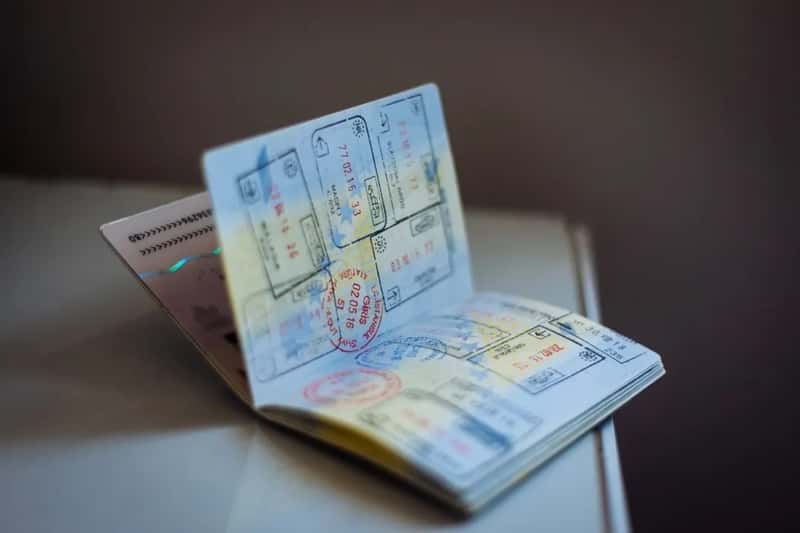
Mexico never had a formal “retirement visa” either, but it built something close to one through its temporary and permanent residency categories based on proven income or savings. As of 2026, qualifying for temporary residency generally requires demonstrating around US$4,400 per month in 2026 in income, while permanent residency requires roughly US$7,400 of monthly income or a total balance of around US$300,000 in savings. Those numbers rose sharply after Mexican consulates shifted their calculations to a new inflation linked formula in mid 2025.
Canada offers no equivalent path at all. As one recent guide puts it plainly, Canada does not issue retirement visas, and unlike Portugal, Panama, or Costa Rica, Canada’s immigration system has no passive retiree category. Retirees without Canadian children or grandchildren are largely stuck with six month visitor stays, since applicants aged 45 or older receive zero points for age out of a possible 100 to 110 points under the Express Entry system that handles most economic immigration.
The price of everyday life

The cost gap between the two countries is not subtle. One 2026 comparison found that living in Mexico is significantly cheaper than living in Canada, with day to day living expenses in Canada more than 50 percent higher when rent is included. A single retiree in Mexico can expect to spend around $950 to $1,000 USD, depending on the city and lifestyle, with couples closer to a couple thousand dollars a month.
Across the border, the math looks quite different. A single person in Canada typically spends roughly $2,000 to $2,100 USD per month, while a family may need $4,500 USD or more to cover basics. Housing drives most of that gap, since rent in Toronto or Vancouver can run two or three times what a comparable apartment costs in most Mexican cities.
Healthcare, two very different philosophies

Canada’s system is genuinely excellent on paper, ranking 4th out of 110 countries in the 2025 CEOWORLD Health Care Index. The catch for retirees is access and timing. A 2025 Fraser Institute report found a median wait time of 28.6 weeks from referral by a family doctor to consultation with a specialist to actual treatment, and that figure has nearly tripled since the 1990s.
Mexico takes the opposite approach: fast and affordable, but layered. Legal residents can join the public IMSS system for around $90 to $95 monthly for seniors aged 60 to 79, while a private plan for a retiree in their sixties typically runs between $1,500 and $3,500 annually. Most long term expats end up blending both, using private hospitals for speed and public coverage as a backstop.
Climate and the daily rhythm of life

Mexico’s geography does a lot of heavy lifting here. The country ranges from a warm climate with a constant sea breeze, a hot and dry semi arid or desert climate, or cool highland evenings that call for a jacket year round, which means retirees can essentially pick their weather. That flexibility, packed into one country, is rare.
Canada offers something different entirely: four distinct seasons, dramatic scenery, and a slower, quieter cadence in smaller towns. For retirees who genuinely enjoy snow, changing leaves, and a defined winter, that’s a feature rather than a flaw. For anyone chasing warmth, though, most of the country simply can’t compete with Mexico’s year round options outside a narrow strip of coastal British Columbia.
Safety, real numbers versus perception
Canada consistently scores well on global security measures, ranking 14th in the 2025 Global Peace Index, with low crime rates, stable politics, and strong social support systems contributing to that reputation. It’s a country where personal safety rarely factors into a retiree’s daily decision making.
Mexico’s safety picture is more regional than national, and the places retirees actually choose tend to be outliers in a good way. Mérida, for instance, is frequently ranked one of the safest cities in Mexico, with colonial architecture and a low cost of living to match. The lesson for anyone comparing the two countries is that Mexico’s national statistics and its retiree hotspots often tell very different stories.
Where retirees actually put down roots

Certain Mexican towns have become almost synonymous with foreign retirement. Lake Chapala and its neighbor Ajijic form the largest expat community in Mexico, with a mild climate year round and affordable living, while San Miguel de Allende, Puerto Vallarta, and the Riviera Maya each draw their own loyal followings for slightly different reasons.
In Canada, retirees gravitate toward smaller, calmer cities rather than the expensive metros. Places like Ottawa and Victoria are known as some of the best places to retire in Canada, offering a gentler pace than Toronto or Vancouver without sacrificing amenities entirely. Quebec City and Montreal add a European flavor for retirees who want culture and history within a manageable budget.
Taxes and the paperwork nobody enjoys

Cross border finances get complicated no matter which direction a retiree moves. Under the Canada US tax treaty, US Social Security benefits paid to a Canadian resident are taxable only in Canada, though 15 percent of the benefit amount is exempt from Canadian tax, which softens the blow somewhat for American retirees who settle north of the border.
Mexico’s tax situation depends heavily on where a retiree’s income originates and whether they’re classified as a Mexican tax resident. As one 2026 guide notes, retiring in Mexico comes with a lot of perks, but freedom from taxes isn’t one of them, since it depends on where your income comes from and whether you’re considered a Mexican tax resident. Most retirees in both countries eventually hire a cross border accountant, and it’s rarely money wasted.
Language and the shape of daily culture

Canada offers a genuine comfort advantage for English speaking retirees. Outside Quebec, there’s no new language to learn, and as one guide puts it, retirees benefit from strong infrastructure and cultural familiarity, since roads, public transit, utilities, and systems work, and you won’t need to learn a new language unless you choose Montreal.
Mexico asks more of newcomers linguistically, but it softens that demand with sheer numbers. More than 2 million U.S. and Canadian citizens have moved to Mexico for a better life, and that scale has produced English speaking clinics, bilingual real estate agents, and entire neighborhoods where Spanish, while useful, isn’t strictly required for daily survival.
Which country actually wins for retirees
The honest answer depends on income more than almost anything else. Mexico’s 2026 rule changes mean it’s no longer the budget destination it once was, but as one analysis concluded, if your monthly income clears $4,400, Mexico remains a strong choice, especially if you value proximity to the US. Below that threshold, the calculation gets harder, and some retirees are now looking at other Latin American countries instead.
Canada, meanwhile, suits a narrower but very specific group: retirees with Canadian children or grandchildren, a comfortable pension already in Canadian or US dollars, and a genuine preference for cold winters over warm beaches. It rewards patience and paperwork far more than it rewards spontaneity. Neither country is wrong for retirement; they’re simply built for different kinds of retirees.
Final thoughts
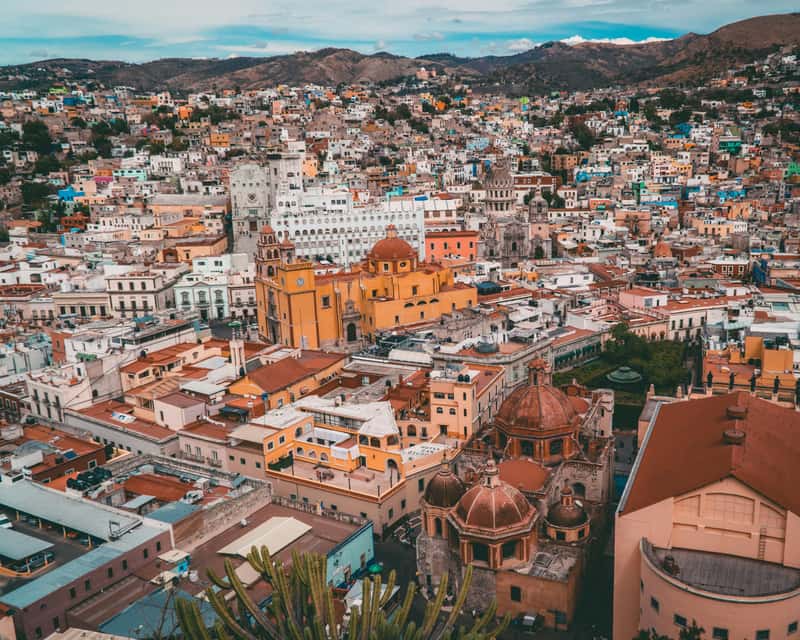
Choosing between Mexico and Canada isn’t really a contest with a single winner. It’s closer to matching a personality and a bank balance to a system that was never designed with retirees specifically in mind. Mexico rewards flexibility, warmth seekers, and people comfortable with a bit of bureaucratic friction in exchange for a lower cost of living. Canada rewards those who already have roots there, who value a public safety net over speed, and who don’t mind trading beach weather for reliability. The right answer isn’t in a ranking. It’s in a retiree’s own priorities, income, and family ties, weighed honestly rather than romantically.