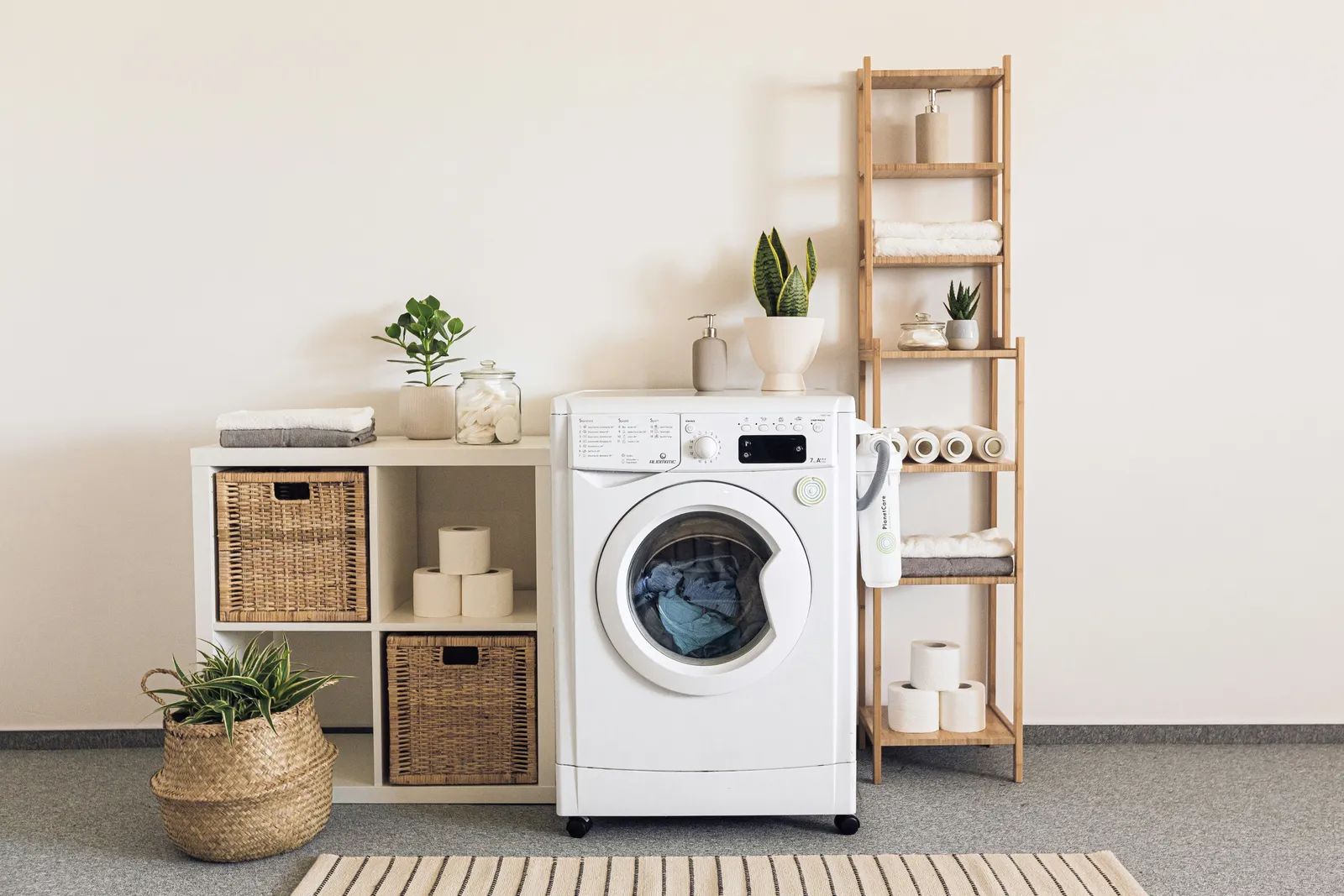
You finish a hot cycle expecting clean, fresh towels only to pull out fabric that carries a persistent damp odor. The problem often stems from microbial buildup that thrives in the warm, moist areas of a washing machine that stay hidden from view. Research on household appliances has documented how frequently fungi settle into these spots, turning routine laundry into a source of frustration.
Visible Clues in the Gasket and Drawer
Front-loading machines collect water, lint, and residue in the rubber door seal after every cycle. Pulling back the folds often reveals black, green, or brown spots along with a slimy film that signals ongoing growth. The detergent drawer and the space behind it deserve the same close inspection, as dark specks and accumulated gunk appear there regularly. Top-loaders require checking the underside of the lid, the tub rim, and any dispensers for similar signs. A musty or sour smell from the machine or freshly washed clothes provides an early warning, though odor alone does not confirm mold. Bacteria and detergent residue can produce comparable scents, so visual confirmation remains essential before taking further steps.
Why Temperature and Residue Matter
Machines that run most often at lower temperatures show higher rates of fungal presence compared with those using hotter cycles. Residue from detergent and fabric softener creates an environment where microbes settle more readily. This pattern emerged in examinations of dozens of household units, underscoring how everyday habits influence long-term machine condition. The association does not prove causation, yet it explains why periodic hot cleaning cycles help limit buildup. Manufacturers differ on the best approach, so checking the model manual first avoids unnecessary risks.
Cleaning Without Causing New Problems
Start by emptying the drum and wearing gloves along with eye protection. Wipe accessible areas such as the gasket, door glass, and drawer with warm water and detergent, then scrub the drawer itself in the sink. Follow the manufacturer’s specific guidance on any cleaner, whether a bleach solution for certain brands or an oxygen-based product for others. Never combine bleach with ammonia, vinegar, or other acids, as dangerous gases can form. Run the hottest allowed cycle or the designated tub-clean setting, add an extra rinse if available, and finish by drying the gasket and leaving the door open. Larger or recurring issues may require professional service, especially when leaks or water damage appear nearby.
Simple Habits That Limit Regrowth
Leaving the door and drawer open after each load allows air to circulate and surfaces to dry. Wiping the seal with a dry cloth after every use and unloading clothes promptly prevents moisture from lingering. Using the correct detergent amount and running a deep clean roughly once a month or every thirty cycles further reduces the chance of recurrence. A dehumidifier helps in persistently damp laundry rooms. These small adjustments address the moisture that mold requires while keeping the machine in better daily condition. The result is laundry that smells fresh again without repeated frustration.