There’s something about a long car ride in the 1970s that no GPS or podcast can replicate. The windows rolled down, the AM radio crackling, and a brown paper bag on the back seat filled with snacks that Mom had carefully chosen before the trip. Although the 1970s were an era of political turmoil and hard economic times, packaged snacks became a bigger part of the American household, and there were plenty of interesting treats to choose from. Road trip snacking had a rhythm all its own back then, and the snacks that came along for the ride tell a story about who we were as a country. By the 1970s and 1980s, fast food was fully embedded in road trip culture, but convenience store snacks also played a major role in shaping the food culture of the era. These are three of the most memorable snacks that moms across America tucked into the car for those long summer drives.
1. Twinkies – The Golden Sponge Cake That Went Everywhere
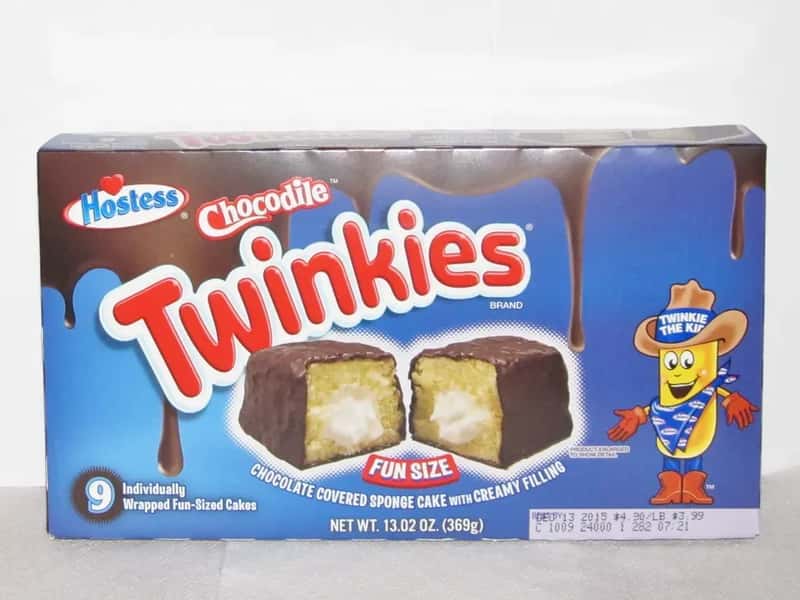
Twinkies are snack cake royalty in America. Invented in 1930, this simple cream-filled cake appeared on supermarket shelves across the country and was featured in famous movies like “Ghostbusters” and “Zombieland.” By the time the ’70s rolled around, Twinkies weren’t just a lunchbox item – they were a full-blown cultural phenomenon. With their bright packaging and promise of sweet satisfaction, Twinkies became synonymous with a quick, delightful snack-time fix, with Hostess selling millions annually. For millions of kids wedged in the back seat of a wood-paneled station wagon, spotting that familiar yellow package was basically a signal that the trip had officially begun.
The 1970s and 1980s saw Hostess continuing to ride the wave of American snack culture, and they didn’t just focus on taste – ads highlighted how their snack cakes were fortified with vitamins and iron. That kind of marketing made Moms feel a little better about tossing them into the travel bag. The iconic “Twinkie the Kid” mascot was created in the early 1970s, debuting in 1971 through a television campaign that featured spots aired during Saturday morning cartoons, quickly becoming a staple on Twinkies packaging and helping to solidify the snack’s cultural status in American pop culture. Today, Twinkies are still being produced at roughly 400 million per year, a testament to just how deeply that golden sponge cake is woven into American memory.
2. Pringles – The Stackable Chip Built for the Road

Pringles, introduced in the late ’60s, gained immense popularity in the 1970s. Their unique saddle shape and packaging – a can instead of a bag – set them apart from traditional potato chips, and the novelty of their design and the variety of flavors made Pringles a favored snack of the decade. For anyone who’s ever tried eating a regular bag of chips on a bumpy highway, you’ll understand immediately why the Pringles can was practically a miracle invention for travel. Pringles entered test markets in the Midwest in 1968, rolling out nationally in the early 1970s, with advertising from the beginning focused on how different they were – unlike messy chip bags, Pringles came in a clean, resealable tube. That resealable tube was genuinely a game-changer when you were sharing snacks across three rows of seating.
The story of Pringles begins in the mid-20th century, when Procter & Gamble sought to address consumer complaints that chips were too greasy and that half the bag was filled with broken pieces. In 1956, P&G chemist Fredric J. Baur was hired to solve this problem with food science, spending years experimenting until he designed a new type of chip with an unusual saddle shape known as a hyperbolic paraboloid – a shape that allowed chips to be stacked neatly in a column, protecting them from breakage and eliminating wasted space. In the 1970s, the U.S. Food and Drug Administration ruled that Pringles could not be called “potato chips” since they weren’t made from sliced potatoes, forcing Procter & Gamble to market them as “potato crisps.” Despite the label debate, nobody in the back seat cared about FDA classifications – they just wanted another chip.
3. Fruit Leather – The Healthier Option That Still Felt Like a Treat
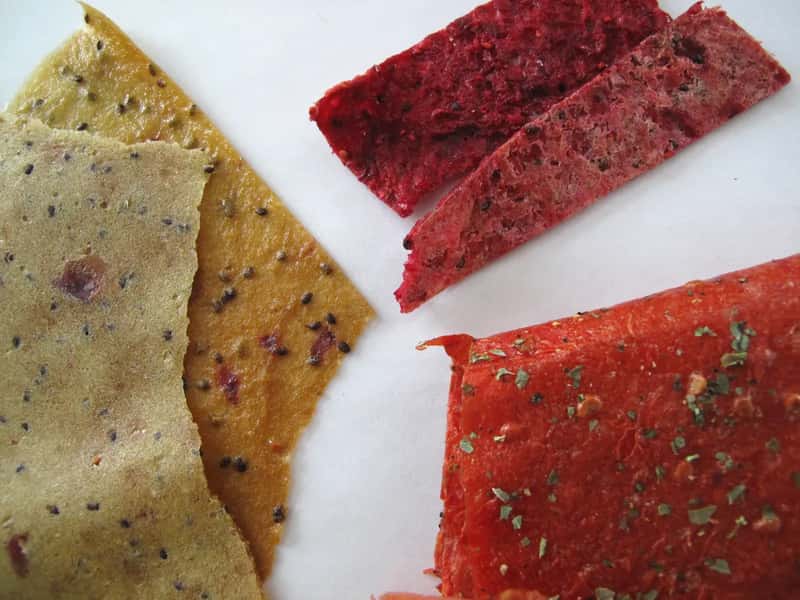
Fruit leather emerged as a healthier snack alternative in the ’70s. These chewy, dried fruit strips offered a convenient and somewhat nutritious option for a quick snack, and their natural sweetness and portability made them popular among health-conscious consumers and kids alike. For mothers who felt a twinge of guilt tossing nothing but processed snack cakes into the travel bag, fruit leather was the perfect compromise – sweet enough to keep the kids happy, practical enough to earn parental approval. It didn’t make a mess, didn’t melt in the heat, and fit neatly in a purse or glove compartment without any trouble at all. These strips of compressed, dried fruit were the quiet hero of the ’70s road trip snack bag.
As American families traded time for money, the snack-food sector found new ways to meet their demands, turning out new and more tempting products faster than ever. In the 1960s and ’70s, about 250 new high-calorie snack foods were added to shelves every year. Fruit leather managed to cut through that noise by offering something a little more wholesome, which was increasingly important as the country began to think more carefully about what it was eating. Food memories stick because they come with people, routines, and small rewards. That’s probably why so many people who grew up in the ’70s still associate the sweet, slightly sticky texture of fruit leather with the smell of warm vinyl seats and the sound of a highway stretching out ahead of them.