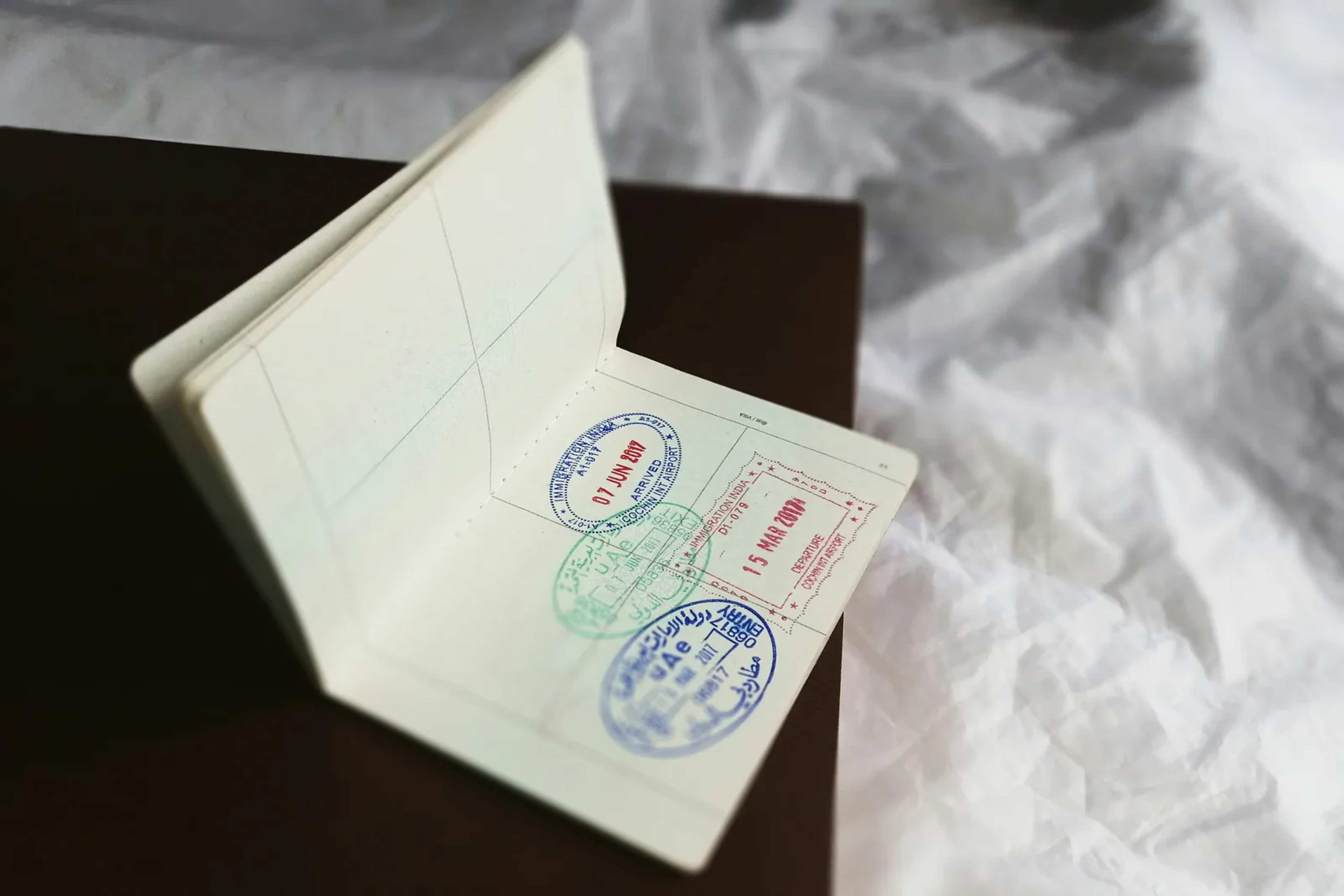
My mom keeps a small notebook by her recliner, and lately she’s been filling it with memories from her childhood road trips and family vacations. Over Sunday dinner last month, she read off a list of nine travel moments that defined getting somewhere back in the 1970s, and honestly, half of them made me realize how much has quietly disappeared. Some of these details surprised even her grown kids, who assumed travel had always looked roughly the way it does now.
Dressing up for a flight like it was a special occasion
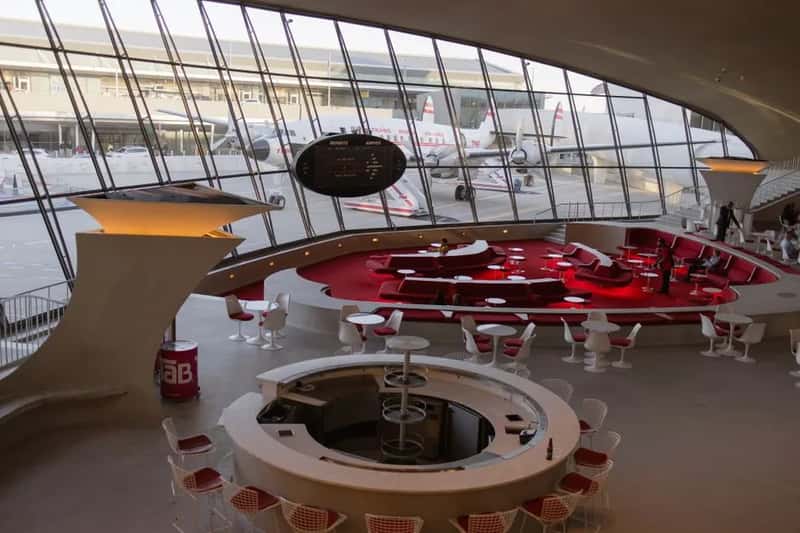
Flying in the 1970s still carried the tail end of what’s often called the golden age of air travel, a stretch running from the 1950s into the early part of that decade when boarding a plane meant putting on your best clothes. People showed up to the airport expecting to have a glamorous experience, and everyone looked the part, with women wearing their best dresses and men typically donning a suit and tie.[1] It wasn’t just about looks either. Flight crews were treated almost like celebrities moving through the terminal.
Part of the reason people made such an effort was cost. In the 1950s and 1960s, a domestic round-trip ticket could easily cost the equivalent of one thousand to four thousand dollars or more in today’s dollars.[2] That kind of price tag meant a flight wasn’t something you did casually, so passengers treated it with the same respect they’d give a wedding or a big dinner out. By the time deregulation hit in 1978, that formality had already started fading fast.
Walking straight to the gate with no security line in sight
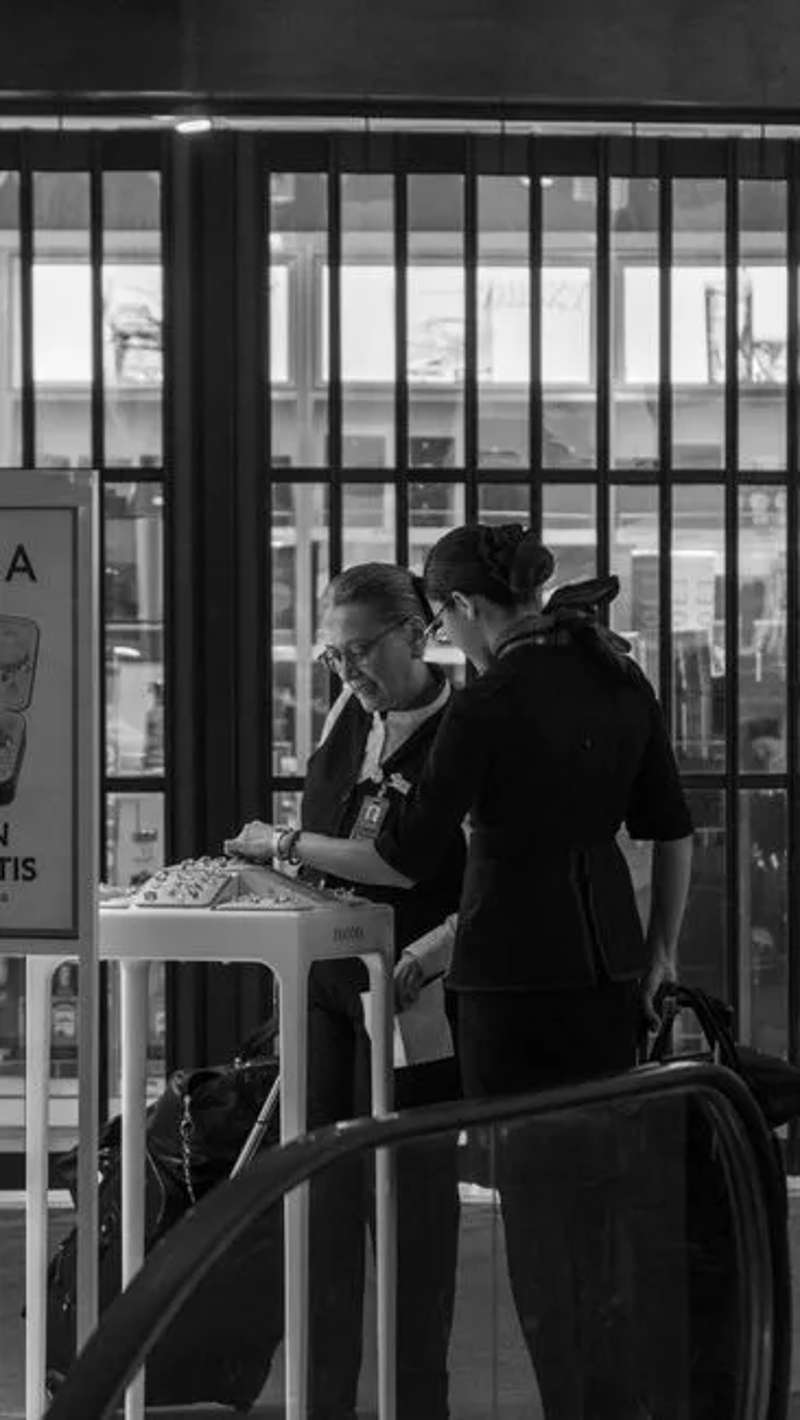
This is the one that tends to shock younger listeners the most. For most of the decade, there was no real security checkpoint separating the terminal from the gates, and friends or family could walk you all the way to the plane door. That changed abruptly. Starting on January 5, 1973, the FAA required that all carry-on luggage had to be X-rayed for weapons and passengers needed to be scanned by a metal detector.[3]
Even after that rule kicked in, the setup looked nothing like today’s sprawling checkpoints. There still wasn’t a separate security area at the airport.[3] The new rules came directly out of necessity rather than caution, since hijackings occurred, on average, once every five days globally[4] during the years leading up to the change. Once the screening became routine, the era of casually strolling to the gate was over for good.
Snapping a Polaroid and watching the picture appear
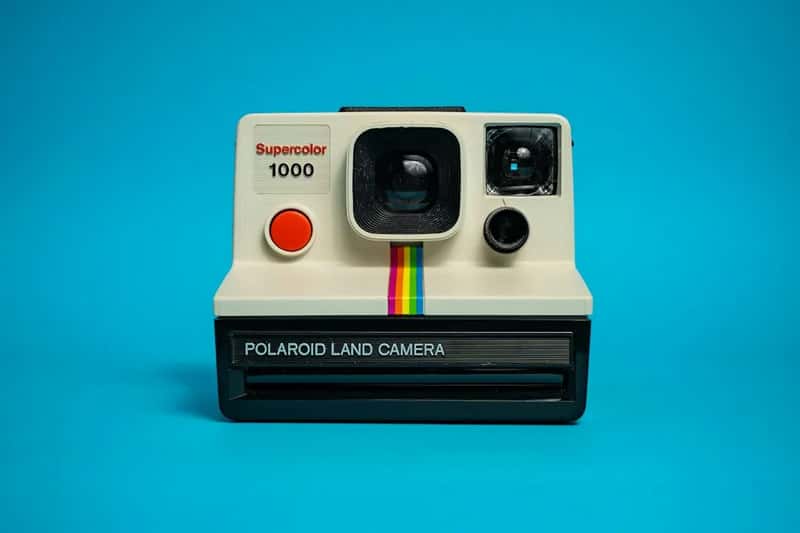
Nothing captured a 1970s vacation quite like the Polaroid SX-70. A major technological milestone occurred in 1972 with the introduction of the SX-70 Land Camera, the first fully integrated instant SLR camera using self-developing integral film.[5] Families passed the camera around at scenic overlooks and motel pools, waiting for the image to slowly develop in front of them.
The camera wasn’t cheap when it first launched, but Polaroid eventually made instant photography available to nearly everyone. Not until the forty dollar Model 1000 OneStep using SX-70 film became the best-selling camera of the 1977 Christmas shopping season did its technology become truly popular.[6] That white-bordered square photo, slightly overexposed and a little washed out, is still instantly recognizable as a piece of 1970s nostalgia.
Pulling into a motel lit up by a glowing neon sign
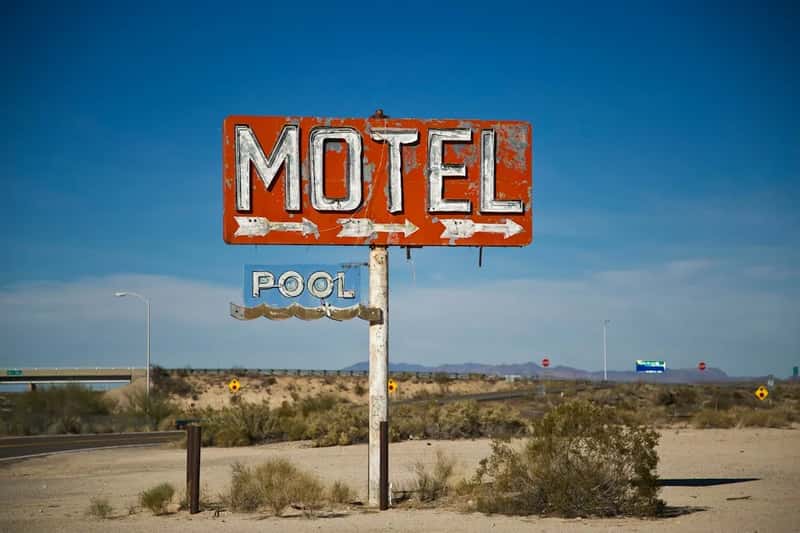
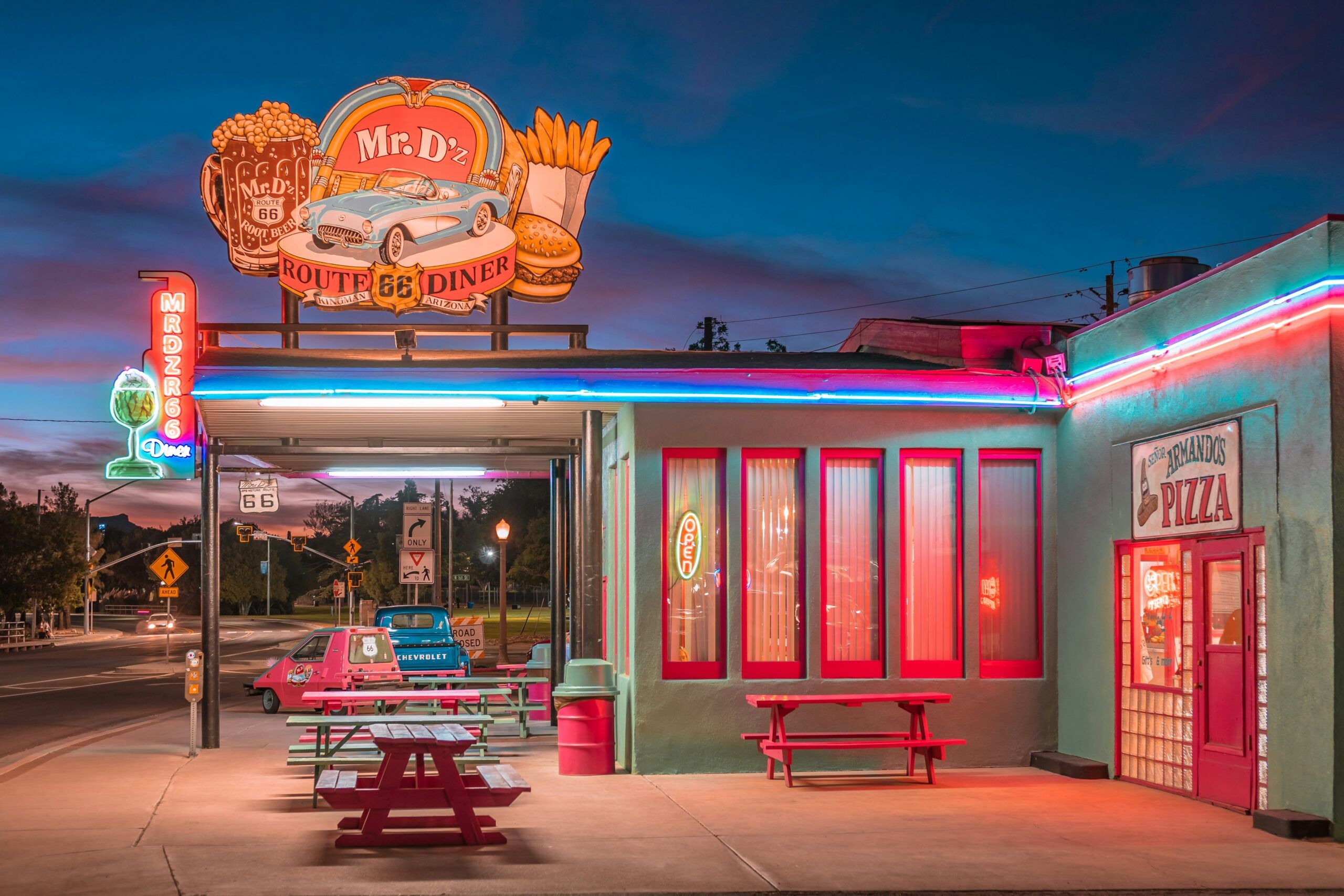
Before chain hotels standardized everything, independent motels competed for attention with elaborate neon signage visible from a mile down the highway. According to preservation historians, from the 1920s until about 1970, neon signs were very popular.[7] Families driving cross country would spot a glowing arrow or a flashing vacancy sign and decide right then to pull off for the night.
That era started slipping away just as the decade began. Then came interstates and airplanes, and the neon signs became as obsolete as the independent roadside motels they advertised.[7] Many of those small motels simply couldn’t compete once traffic patterns shifted to bypass the old highways entirely, and the glowing signs that once lit up small town main streets slowly went dark one by one.
Riding for hours in the back of a station wagon
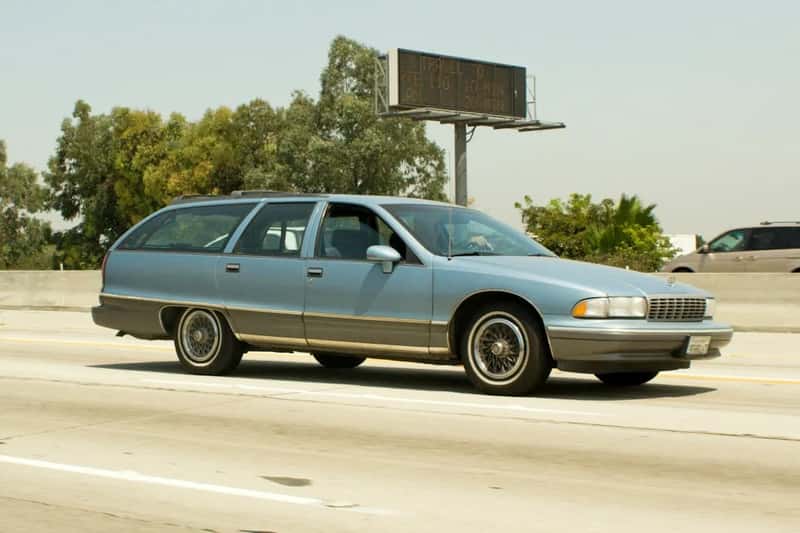
Long before minivans or SUVs existed, the family station wagon was the default vehicle for a cross-country vacation. Kids piled into the way-back seat, often without a seatbelt in sight, surrounded by suitcases, coolers, and whatever snacks survived the first hour on the road. The wood paneling on the sides became such a signature look that it’s still instantly associated with the decade.
These trips often followed the still-developing interstate highway system, which had been under construction since the 1950s but continued expanding well into the 1970s. Rest stops were simpler then, sometimes just a picnic table and a water fountain rather than a full plaza of fast food chains. The drive itself was part of the vacation, not just a means of getting to one.
Mailing a postcard to let everyone know you’d arrived
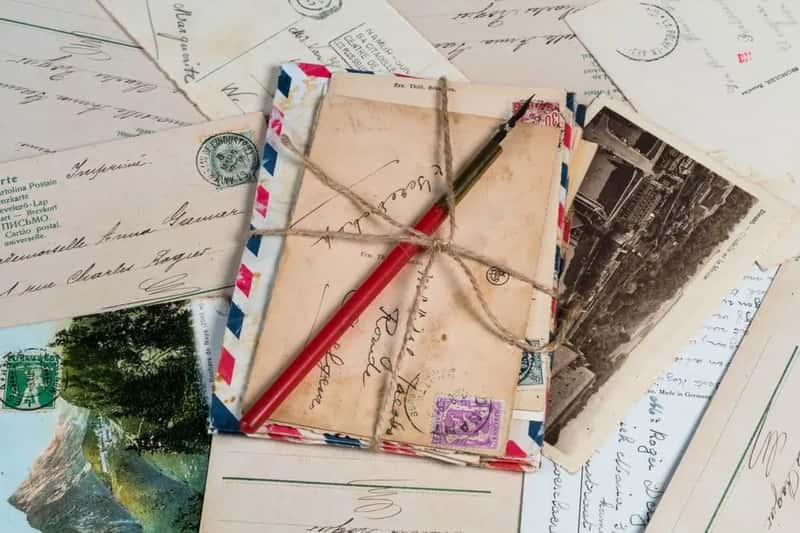
Before texting or social media, a postcard was often the only signal back home that a trip was going well. Travelers picked them up at gas stations, gift shops, and motel lobbies, usually featuring a slightly oversaturated photo of whatever landmark was nearby. Writing one out and finding a mailbox became its own small ritual on any family trip.
The catch, of course, was timing. A postcard mailed from a national park or beach town might not arrive until well after the family had already returned home, which occasionally made for confusing phone calls from relatives asking about a trip that had ended weeks earlier. Still, that slight delay was simply how travel communication worked, and nobody thought twice about it.
Stopping at a drive-in or roadside diner for a quick meal
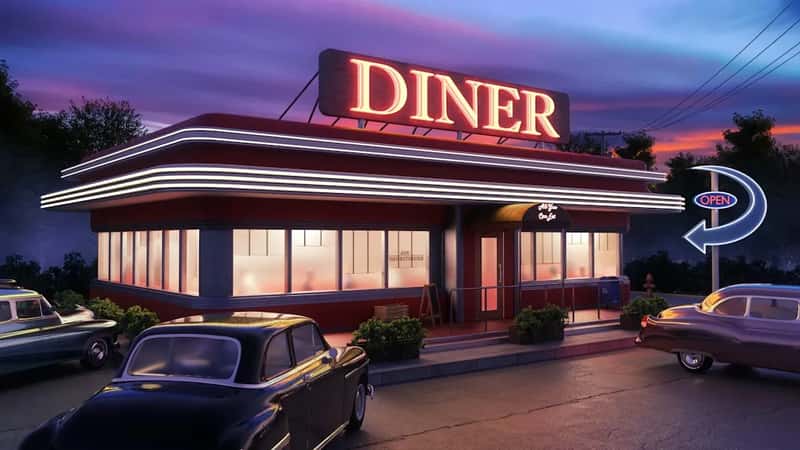
Fast food existed in the 1970s, but the roadside diner and the classic drive-in still held plenty of ground, especially along older highway routes. These spots were usually family owned, with a laminated menu, a counter with stools, and a waitress who might remember regular travelers by name if they passed through often enough. Ordering a burger and a milkshake at a roadside stop felt like part of the regional flavor of a trip, not just a pit stop for food.
Many of these diners sat right alongside the same motels advertised by those glowing neon signs, forming a kind of informal travel corridor along routes like the old US highways. As interstate travel expanded, plenty of these small diners lost business to chain restaurants clustered near new highway exits. The ones that survived often became beloved local landmarks precisely because they hadn’t changed much at all.
Camping in a heavy canvas tent at a national park
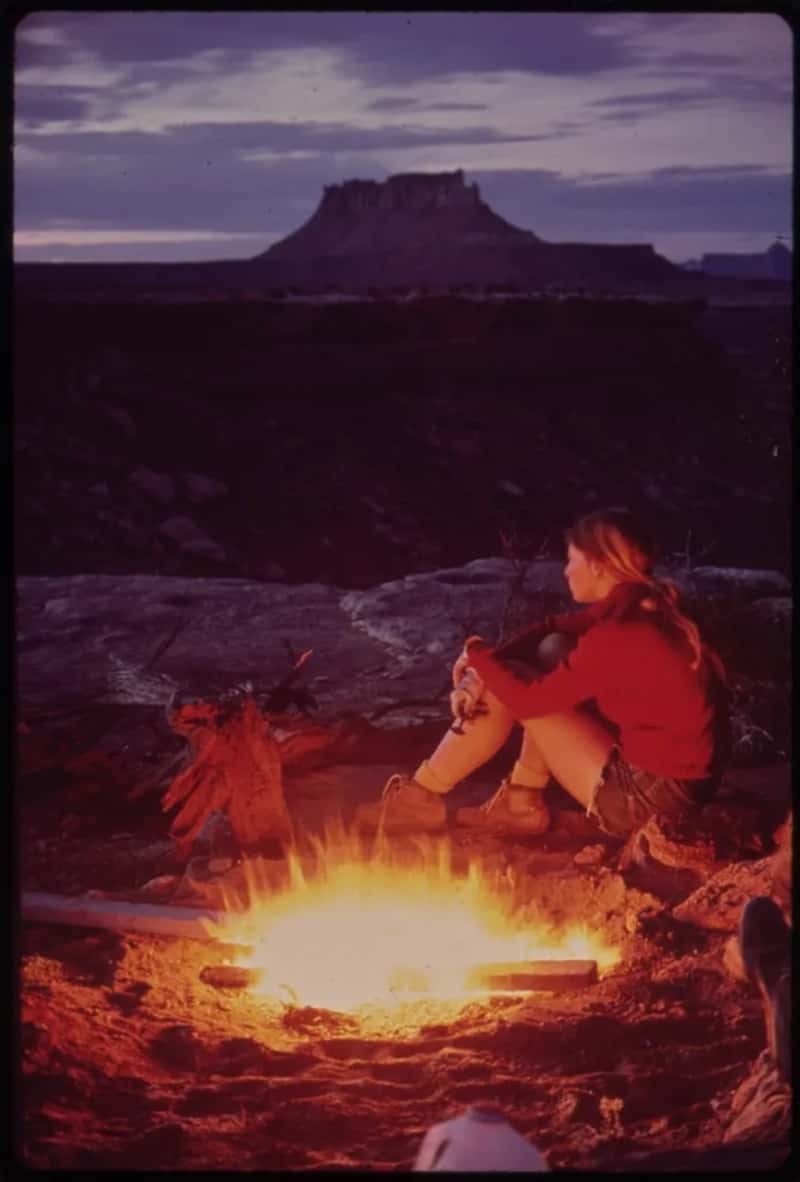
Camping gear in the 1970s looked nothing like today’s lightweight, easily packed setups. Canvas tents were bulky, heavy, and often required serious effort to pitch correctly, sometimes with metal poles that seemed designed to test a family’s patience. National parks saw a surge in visitors during this decade as more Americans embraced car camping as an affordable vacation option.
Coolers were simple metal or heavy plastic boxes, sleeping bags were thick and far from compact, and cooking usually meant a basic propane stove or an open fire. There wasn’t much in the way of climate-controlled comfort, but that was sort of the point. A camping trip in that era was as much about roughing it together as a family as it was about seeing scenery.
Navigating entirely by paper road maps
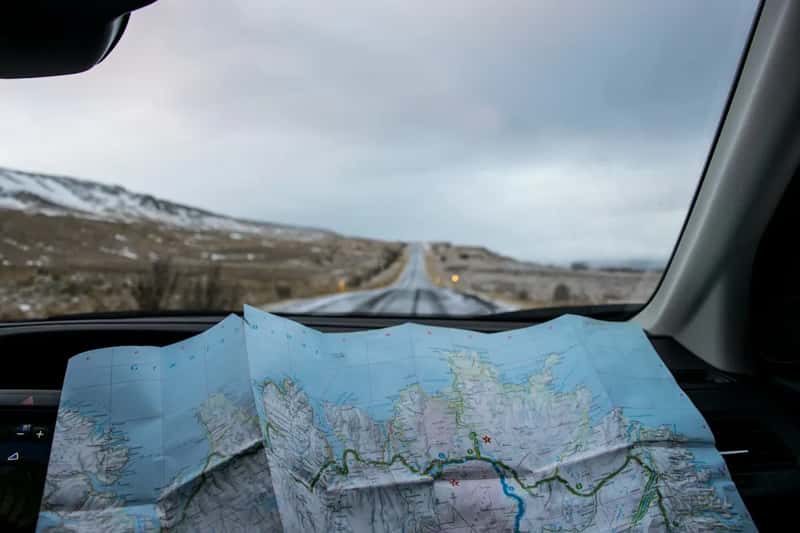
GPS didn’t exist yet, so every family road trip depended on a glovebox full of paper maps, usually picked up free at gas stations. Someone in the front seat, often a parent or an older sibling, held the navigator role, tracing routes with a finger and calling out upcoming turns. Folding the map back up correctly afterward was practically its own skill.
Gas station attendants were also a common source of directions, since full-service stations were still standard in much of the country before self-service pumps became widespread. Asking a local for directions when a map didn’t quite match reality was a normal part of travel, sometimes leading to detours that turned into unexpected discoveries. That kind of improvisational navigation is almost unimaginable now, when a wrong turn gets corrected within seconds by a phone.