In Zimbabwe’s Lower Zambezi Valley, economic pressures have long shaped daily life for many families. Nyaradzo Auxilia Hoto grew up in the village of Huyo, where her household relied on growing and selling vegetables to survive. Limited funds cut short her schooling after secondary level, and an early marriage brought further hardship before she returned home with her young daughter. Her selection in 2017 for a new ranger program marked a decisive shift. ([1])
Life Before the Uniform
Hoto’s early years centered on the family garden and market sales. Money remained tight, and she could not pursue further education despite strong school performance. She hoped marriage would improve her situation, yet nearly four years with an abusive husband left her seeking safety. She moved back to her parents’ home and resumed garden work to support herself and her child. Community expectations added another layer of difficulty. Many residents viewed ranger duties as unsuitable for women, particularly tasks that involved confronting potential threats in the bush. Hoto weighed these doubts against the chance for steady income and a different future.
The Recruit Walk That Changed Everything
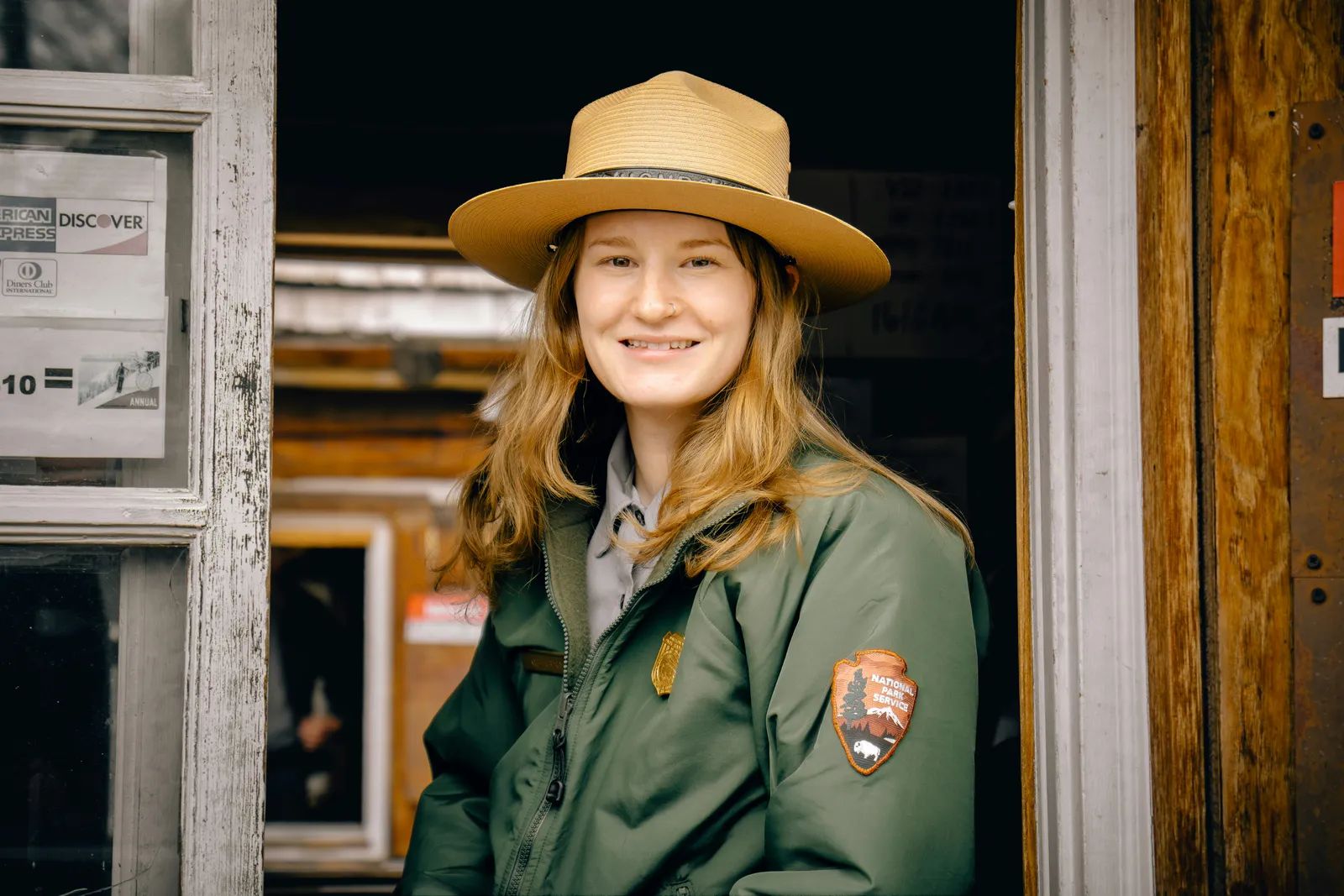
The International Anti-Poaching Foundation launched Akashinga in 2017 to recruit and train local women as wildlife rangers. Hoto was one of 16 selected from about 100 applicants. The program offered structured training and a salary, rare prospects in her area. One early milestone stood out. The new recruits walked through town in their fresh uniforms to open bank accounts ahead of their first paychecks. “We were very proud,” Hoto recalled. That simple errand signaled financial independence and public recognition of their role.
Progression to Leadership and Further Study
Hoto advanced quickly within the program. She rose to ranger sergeant and began leading patrols of other women. The experience prompted her to resume formal education. In 2023 she earned a degree in wildlife, ecology and conservation. She now serves as a biodiversity officer with Akashinga. Her responsibilities include monitoring wildlife and supporting protection efforts across the area. The timeline from 2017 recruit to university graduate and officer shows how targeted training can alter career trajectories for women in rural Zimbabwe. The Akashinga model continues to draw participants despite initial skepticism from some community members. Hoto’s record demonstrates measurable steps from subsistence work to a professional conservation position.