Turkey carries centuries of imperial memory in its stone streets, tiled domes, and timber houses, and nowhere is that more obvious than in the cities the Ottomans built, ruled from, or simply loved. Long before Istanbul became the empire’s glittering capital, other Anatolian and Thracian towns were shaping the architecture, cuisine, and rhythms of daily life that later spread across three continents.
This gallery-style journey moves through eleven cities where Ottoman heritage is not tucked away in museums but woven into everyday life, from working bazaars to mosques still open for prayer. Each destination tells a different chapter of the same six-hundred-year story.
1. Istanbul: The Imperial Heart of the Empire
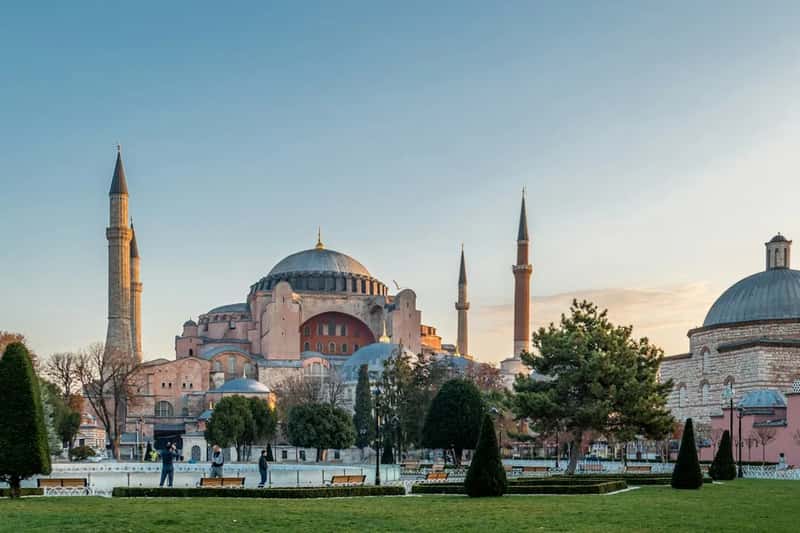
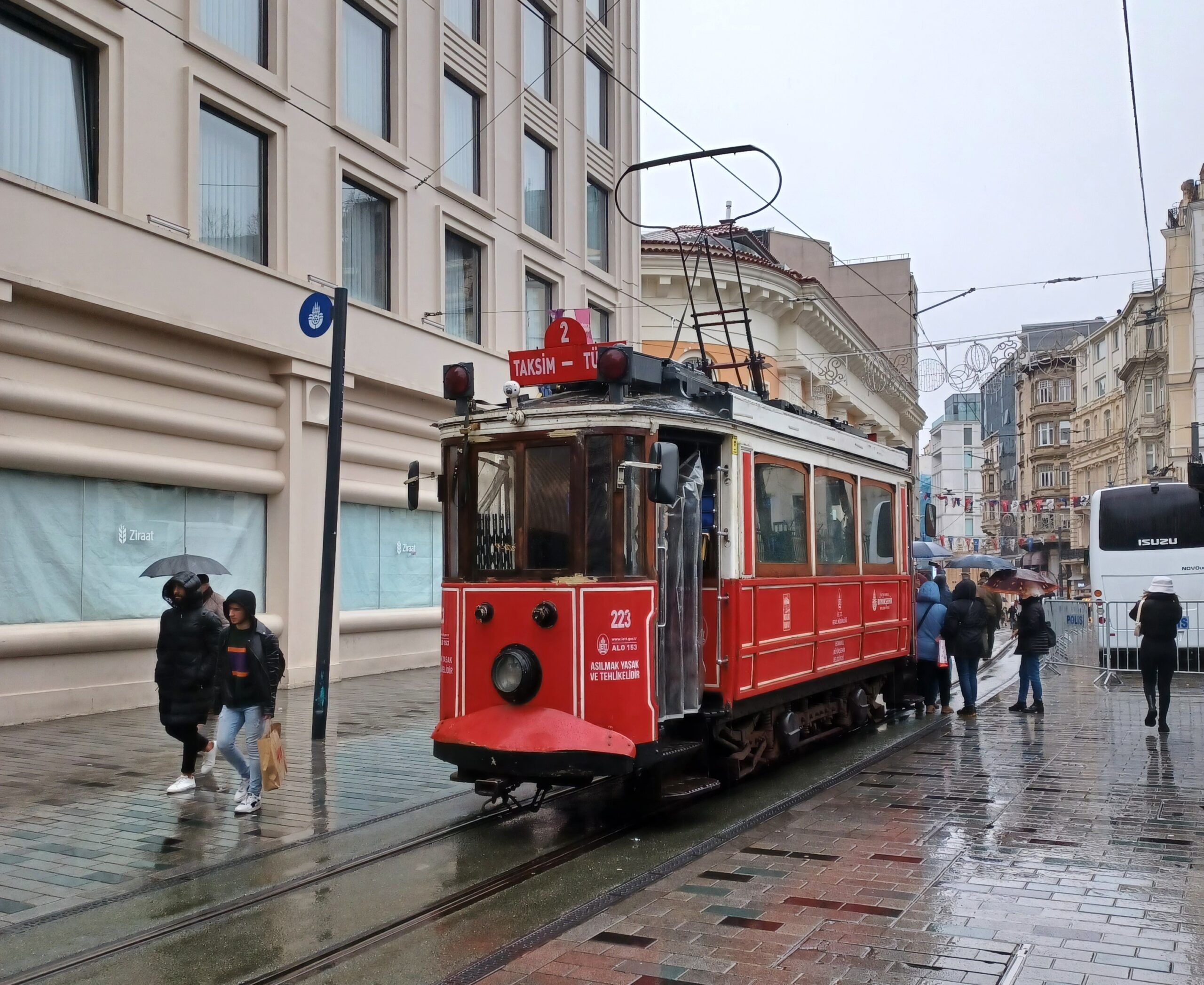
Istanbul became the Ottoman capital in 1453 after Mehmed II’s conquest, and it remained the political and spiritual center of the empire for nearly five centuries. Topkapi Palace served as the administrative nucleus and royal residence for generations of sultans, while Hagia Sophia, converted from a Byzantine cathedral into a mosque, became a symbol of Ottoman continuity and ambition. Walking through the Grand Bazaar or the Süleymaniye Mosque complex today still gives visitors a tangible sense of the city’s imperial scale and confidence.
What makes Istanbul distinct from the other cities on this list is the sheer density of layered history packed into one metropolis. Ottoman mosques, hammams, and caravanserais sit alongside Byzantine walls and modern skyscrapers, creating a city where six centuries of Ottoman rule feel compressed into a handful of neighborhoods. Few places on earth let travelers cross from imperial court life to bustling street markets within a single afternoon.
2. Bursa: The Empire’s First Capital
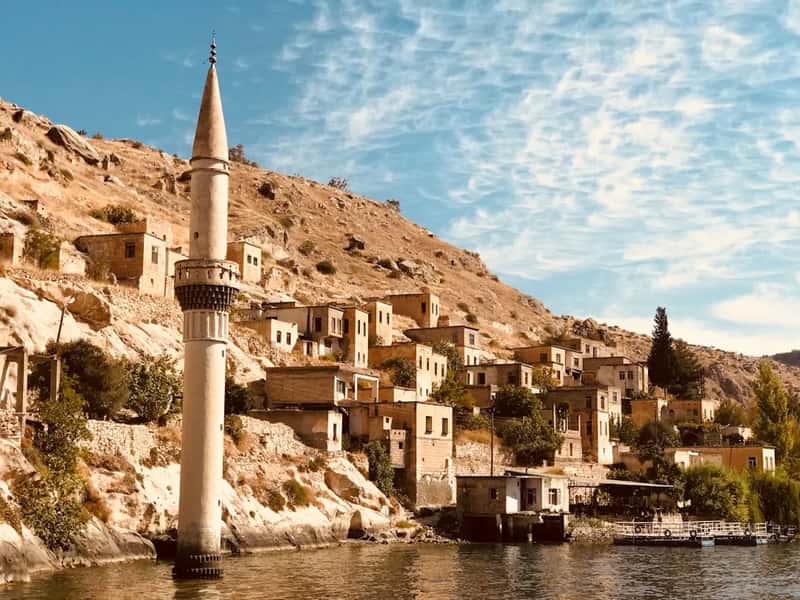
Bursa holds a foundational place in Ottoman history as the state’s first official capital. Orhan made Bursa the first official Ottoman capital and it remained so until 1366, when Edirne became the new capital.[1] The city’s early sultans built their religious and civic complexes here, and from its capture by Sultan Orhan in 1326 until the relocation of the Ottoman capital to Edirne in the mid-14th century, Bursa was the political, religious and cultural center of the rising Ottoman state, with the architectural style that would become recognizable across the Ottoman world first developed here[2].
UNESCO recognized this legacy in 2014 by inscribing Bursa and the nearby village of Cumalıkızık as a joint World Heritage Site. The site illustrates the creation of an urban and rural system establishing the Ottoman Empire in the early 14th century, embodying the key functions of the social and economic organization of the new capital which evolved around a civic centre.[3] Beyond the monuments, Bursa is also credited as the birthplace of İskender kebab, a small but telling reminder that Ottoman heritage lives on at the dinner table as much as in the mosque courtyard.
3. Edirne: Where Sinan Built His Masterpiece
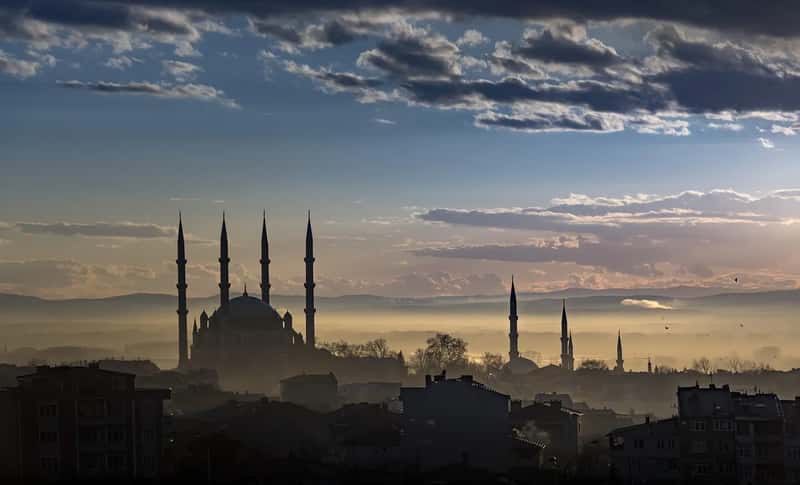
Edirne served as the Ottoman capital for nearly a century before Istanbul, and its skyline still announces that imperial past. The square mosque with its single great dome and four slender minarets dominates the skyline of the former Ottoman capital of Edirne.[4] That building, the Selimiye Mosque, was commissioned by Sultan Selim II, and the mosque was commissioned by Sultan Selim II, and was built by the imperial architect Mimar Sinan between 1568 and 1575[5].
Sinan himself considered this his finest achievement among dozens of imperial commissions across the empire. The architectural composition of the Selimiye Mosque Complex in its dominant location represents the culmination of the great body of work by Sinan, the most outstanding architect of the Ottoman Empire.[6] The complex earned UNESCO World Heritage status in 2011, and its surrounding külliye, including a covered bazaar, madrasas, and a library, still functions as a living piece of the city rather than a sealed monument.
4. Safranbolu: A Town Frozen in Ottoman Time
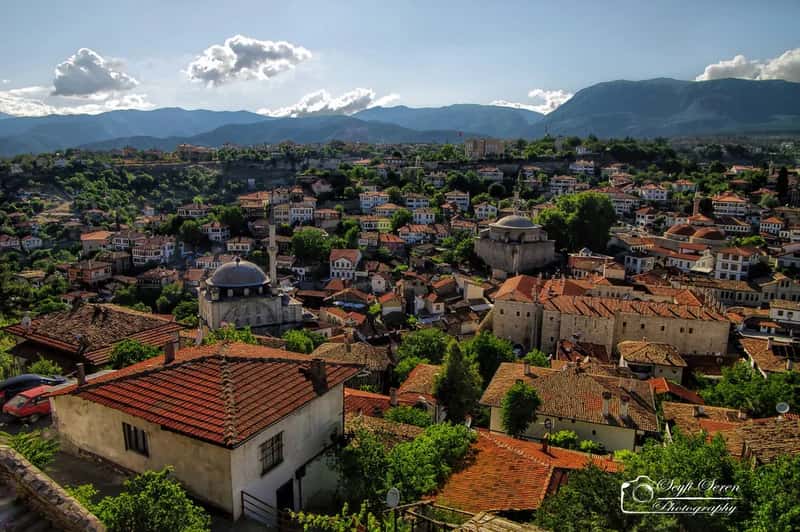
Few places preserve Ottoman domestic architecture as completely as Safranbolu, tucked into the Black Sea foothills. In the 14th century, under the rule of the Ottoman Empire, Safranbolu flourished as a pivotal center on the caravan routes, evolving into a thriving and prosperous city.[7] That prosperity funded the construction of the timber-framed houses that still line its narrow streets today, and there are more than 2,000 Ottoman houses that have been preserved, called konak[8].
UNESCO added Safranbolu to its World Heritage List in 1994, recognizing an urban fabric that survived almost intact while other Anatolian towns modernized. Together with Istanbul, it became one of the first places in Turkey to be included in the world heritage list on a city level.[9] Wandering past the Kaymakamlar Museum House or the old Cinci Han caravanserai, it is easy to imagine merchants and travelers passing through on the old trade routes between Istanbul and the Black Sea coast.
5. Amasya: Cradle of Ottoman Princes
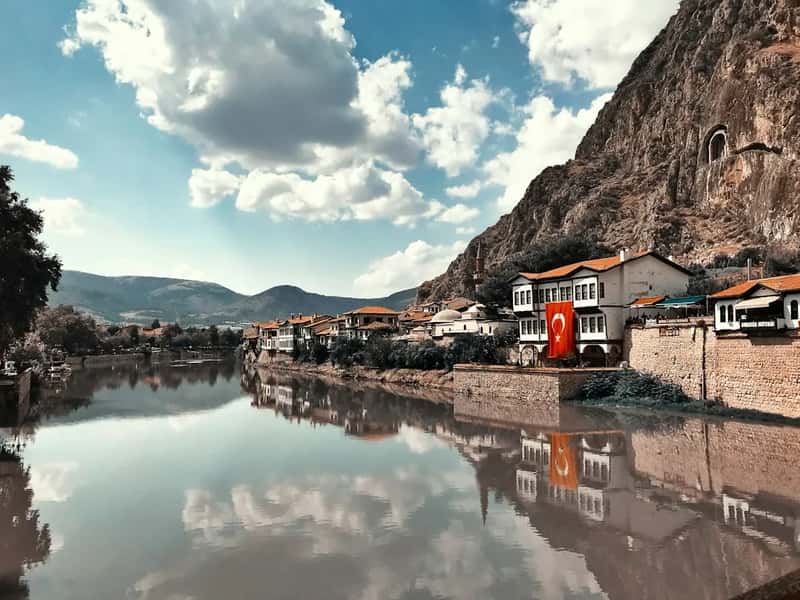
Perched along the Yeşilırmak River in northern Anatolia, Amasya played a distinctive role as a training ground for Ottoman heirs to the throne. Young princes were traditionally sent here to govern as provincial administrators before potentially ascending to the sultanate, giving the city a political weight that outstripped its modest size. Ottoman-era wooden mansions still cling to the riverbank, their facades reflected in the water much as they have been for generations.
The rock-cut tombs of Pontic kings carved into the cliffs above the city predate the Ottomans by centuries, yet it is the later Ottoman quarter, with its restored konaks and quiet mosque courtyards, that gives Amasya its particular charm today. Visitors who stroll along the riverside promenade at dusk, when the old houses are lit from within, get a sense of why this small city held such outsized importance in Ottoman succession politics.
6. Konya: Layers of Seljuk and Ottoman Faith
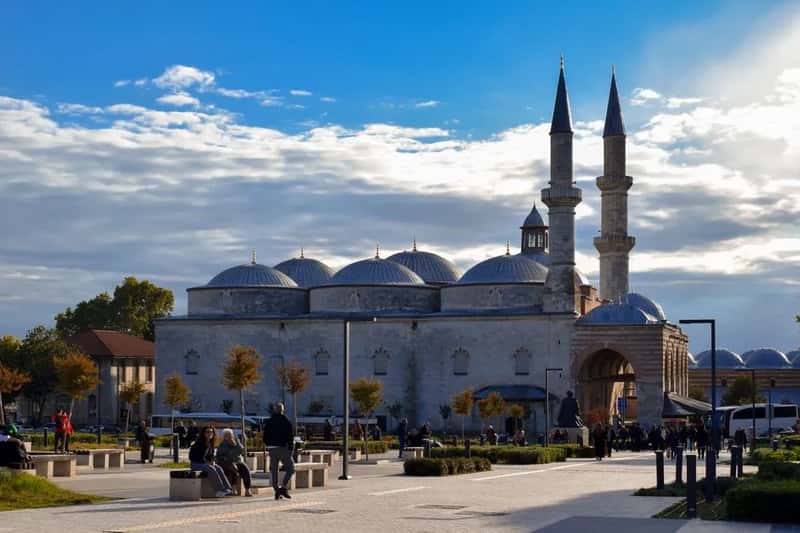
Konya is best known as the resting place of the mystic poet Rumi and the spiritual home of the Mevlevi Sufi order, a legacy that predates full Ottoman control but was carefully preserved and expanded under Ottoman rule. The Mevlana Museum and its distinctive turquoise dome draw pilgrims and history enthusiasts alike, many of them following routes that Ottoman-era travelers once used to visit the shrine. Ottoman sultans patronized the site for centuries, adding structures and endowments that reflect the empire’s respect for Konya’s religious significance.
Beyond the shrine complex, Konya’s old quarters still contain Ottoman-period mosques, madrasas, and caravanserai remnants that mark the city’s role as a crossroads on the road toward central and eastern Anatolia. The city’s identity today blends Seljuk foundations with a distinctly Ottoman devotional culture, visible each December during the whirling dervish ceremonies that continue a tradition the Ottomans helped institutionalize.
7. Mardin: A Mosaic City Under the Ottoman Crescent
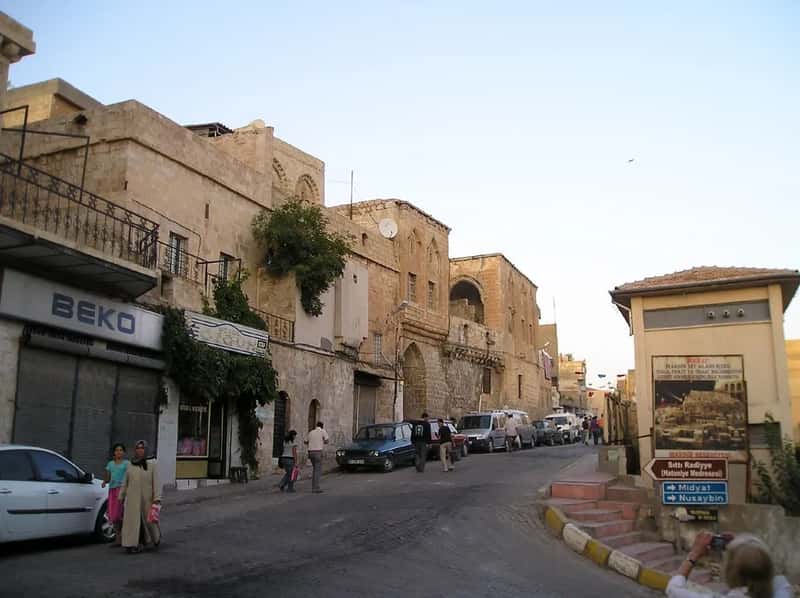
Mardin’s honey-colored stone architecture sits atop a hill overlooking the Mesopotamian plain, and its Ottoman chapter began later than most cities on this list. Marida was taken by the Seljuq Turks in the late 11th century and was incorporated into the Ottoman Empire by Sultan Selim I in 1516.[10] Even after Ottoman annexation, the city retained a strikingly diverse population, and when Ottoman sultan Selim the Grim took over in 1517, there was still a Christian population living in the town, giving Mardin a unique atmosphere due to this diverse ethnic and religious background[11].
The old town’s tightly packed stone houses, carved facades, and Syriac Orthodox churches sit alongside Ottoman-era mosques and medresses, creating one of Turkey’s most visually distinctive skylines. The old town of the city is under the protection of UNESCO, which forbids new constructions to preserve its façade.[12] Few Ottoman-era cities in Turkey feel quite as layered, or as visually consistent from rooftop to rooftop, as Mardin still does today.
8. Gaziantep: Trade, Craft, and Resistance
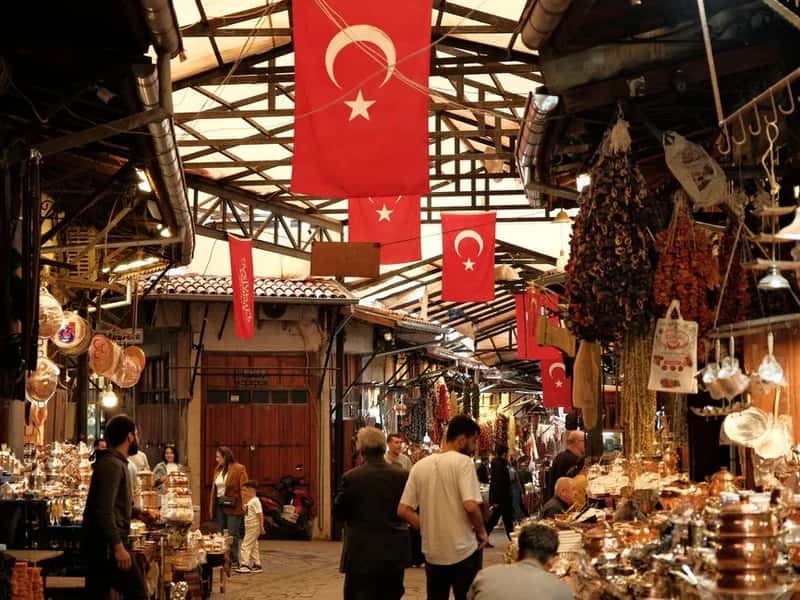
Gaziantep’s Ottoman story is largely one of commerce. Under Ottoman rule, Gaziantep thrived as a center for trade, particularly in pistachios, copperware, and textiles, and its bazaars, like the historic Bakırcılar Çarşısı, became legendary.[13] That coppersmiths’ bazaar still operates today, with artisans hammering trays and vessels using techniques passed down through Ottoman-era guilds.
The city’s name itself reflects a later, dramatic chapter of its history. Gaziantep’s location made it a battleground during World War I, where it earned its prefix “Gazi” (veteran) for its fierce resistance against French occupation.[13] Today, the old city’s labyrinthine alleys and stone Ottoman houses, though under some pressure from modernization, remain one of the best places in southeastern Turkey to see Ottoman-era urban craftsmanship still in daily use.
9. Kayseri: Caravanserais on the Silk Road
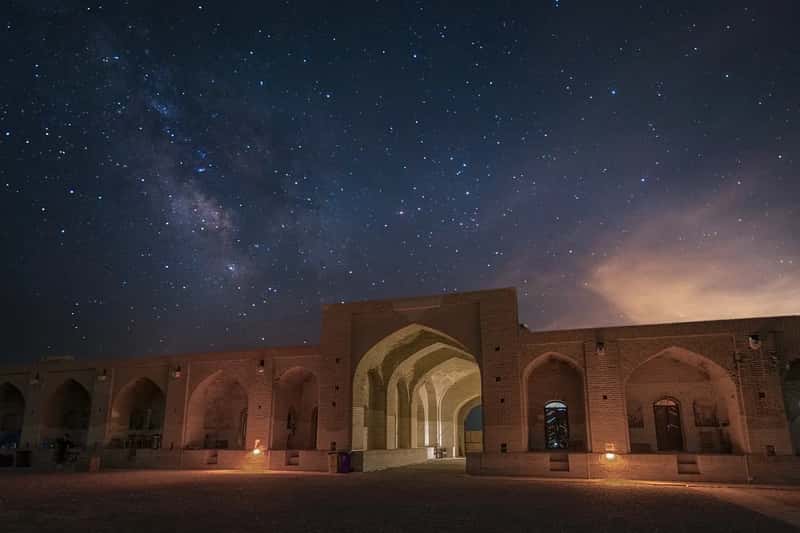
Sitting in the shadow of the extinct volcano Erciyes, Kayseri built its Ottoman-era wealth on trade routes that connected Anatolia with Persia and beyond. The city’s covered bazaars and stone caravanserais, some dating to the Seljuk period and expanded under Ottoman administration, once sheltered merchants moving textiles, spices, and goods across the empire’s eastern frontier. Hunat Hatun Mosque and its accompanying complex reflect the layered building traditions that Kayseri absorbed as it passed from Seljuk to Ottoman control.
Modern Kayseri has grown into an industrial powerhouse, yet its historic core still preserves narrow lanes and stone façades that recall its role as a provincial administrative center under the sultans. Visitors exploring the old bazaar district can still find artisans working in trades that trace back to Ottoman guild organization, a quieter but no less genuine echo of the empire’s commercial backbone.
10. Manisa: The City of Ottoman Princesses and Princes
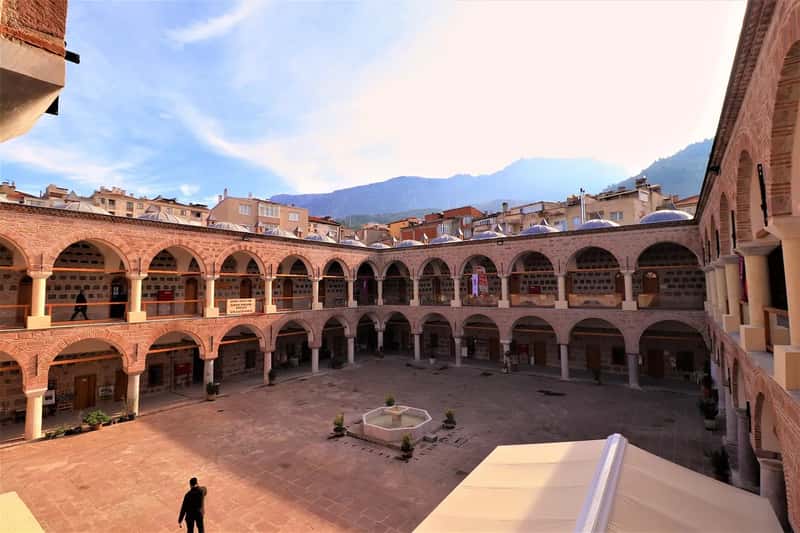
Manisa, set against the slopes of Mount Spil in western Anatolia, served a role similar to Amasya’s within the Ottoman succession system, hosting young princes sent to gain administrative experience before potentially taking the throne. The city became closely associated with the so-called Sultanate of Women period, when royal mothers and consorts wielded significant influence from Manisa’s palace quarters. Its Muradiye and Sultan mosques, both built during the classical Ottoman period, still anchor the old town.
The city is also famous for its Mesir Festival, a centuries-old spring tradition tied to an Ottoman-era medicinal paste supposedly created for the mother of Suleiman the Magnificent. That blend of political history and living folk tradition gives Manisa a texture different from the grander imperial capitals, offering a more intimate look at how Ottoman court life extended into provincial towns.
11. Trabzon: The Empire’s Black Sea Gateway
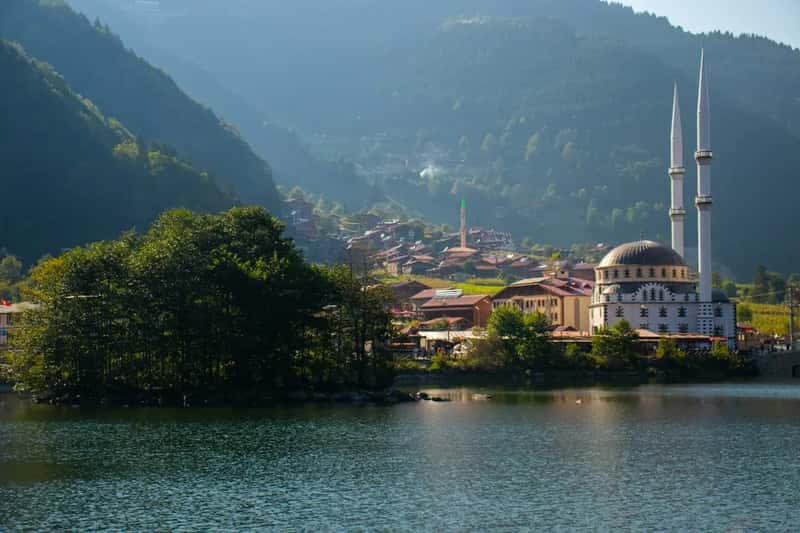
Trabzon’s Ottoman chapter began in 1461, when Mehmed II’s forces brought the independent Empire of Trebizond under Ottoman control, closing one of the last Byzantine successor states. The city’s Hagia Sophia, a Byzantine-era church later converted for Ottoman use, sits above the coastline and reflects the same pattern of religious conversion seen in Istanbul on a smaller scale. Trabzon’s role as a Black Sea trading port made it strategically valuable throughout the Ottoman centuries, linking Anatolia with the Caucasus and beyond.
Ottoman-era mosques, bathhouses, and the atmospheric Boztepe hillside neighborhoods still shape the city’s old quarters today. Trabzon’s mix of Pontic Greek, Byzantine, and Ottoman layers gives it a more understated but genuinely textured historical identity than its size might suggest, rewarding visitors willing to walk beyond the modern waterfront.
Taken together, these eleven cities show that Ottoman history was never confined to a single palace or a single capital. It moved with the empire, from Bursa’s founding mosques to Edirne’s imperial ambitions, from Safranbolu’s merchant houses to Mardin’s stone alleys far from any traditional seat of power. Visiting them in sequence, even mentally, offers a fuller picture of how one empire shaped an entire region’s architecture, cuisine, and daily rhythms across more than six hundred years.
What lingers after exploring these places is not just admiration for domes and tiled courtyards, but a sense of how ordinary life, trade, family, faith, was organized around Ottoman institutions in ways that still echo through modern Turkish cities.