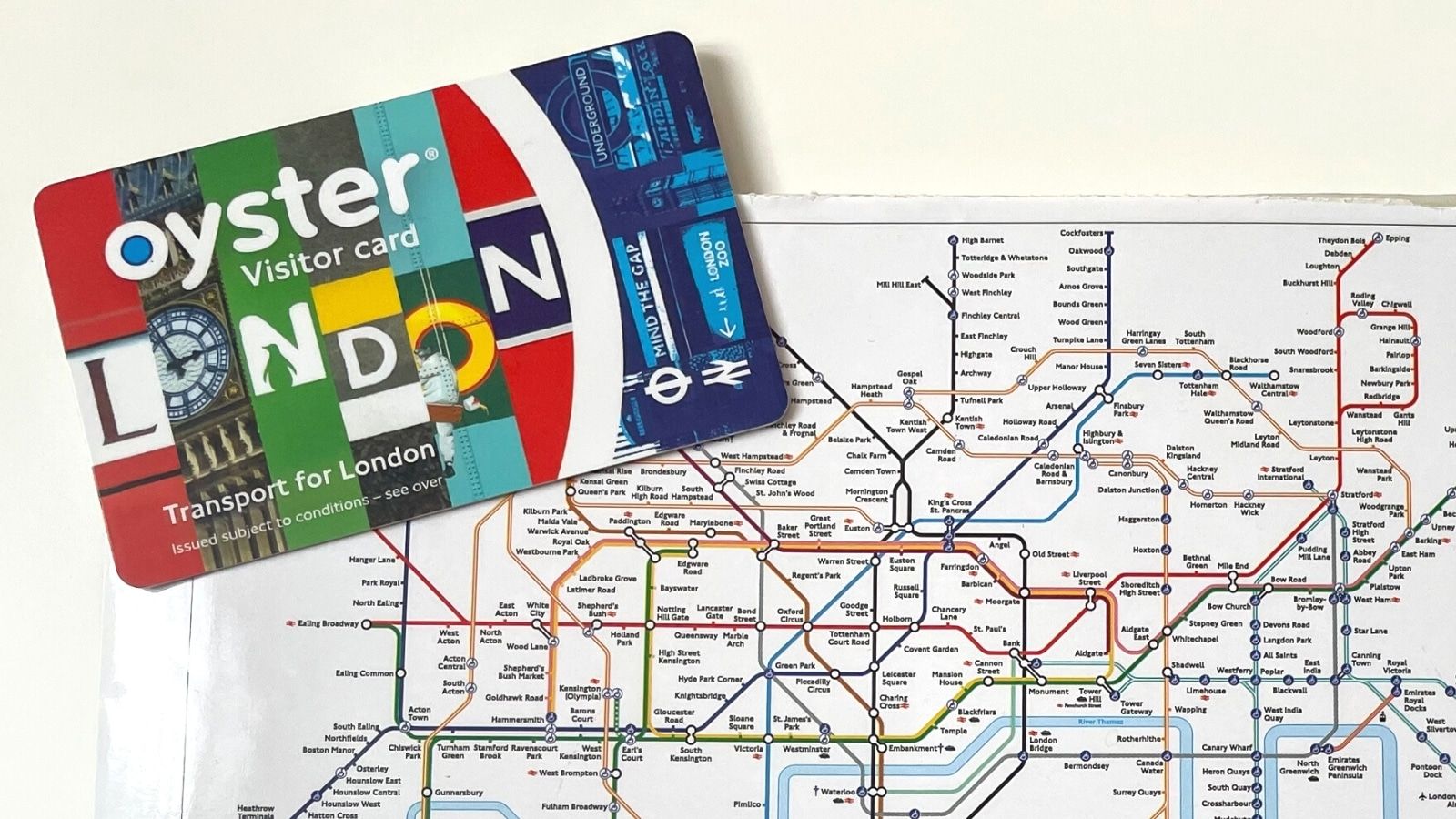
Picture a traveler in a hostel common room, with a fold-out map pinned flat by a coffee cup. Next to it sits a little booklet of cheques and a paper itinerary. No phone buzzes. The whole trip depends on things you can hold in your hands.
Long journeys across several continents weren’t invented by smartphones, of course. People managed them with a different set of tools, and some of those tools turn out to be more durable than you’d expect. Here’s how the money, the maps and the tickets fit together, and what has quietly stayed in place.
Before the Cheque, There Was the Letter of Credit
Carrying cash across borders was always a gamble, so early travelers leaned on paper promises instead. Traveller’s cheques were first issued on 1 January 1772 by the London Credit Exchange Company, for use in 90 European cities.[1] By 1874, Thomas Cook was issuing “circular notes” that worked in much the same way.[1]
The big shift came in the early 1890s. American Express developed a large scale international system in 1891, to supersede the traditional letters of credit.[1] The idea is traditionally credited to employee Marcellus Flemming Berry, after company president J. C. Fargo had trouble getting funds in smaller European cities with a letter of credit.[1] The first cheques came in denominations of $10, $20, $50 and $100.[2]
The Two Signature Trick
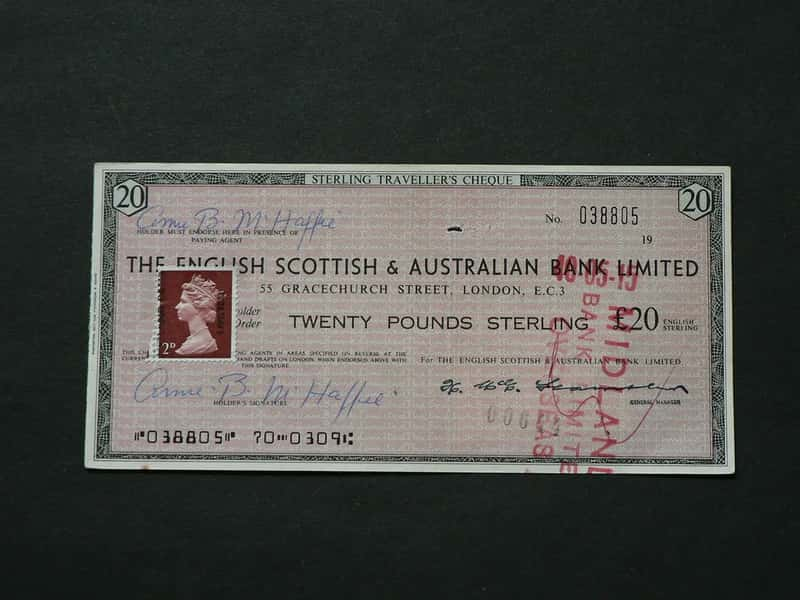
The clever part of a travelers cheque was its security, and it was simple. The buyer signed once at purchase and again when cashing it, and if the signatures matched, the issuer guaranteed payment.[3] That guarantee is why shopkeepers in unfamiliar towns were willing to take them.
The paperwork mattered as much as the cheques. Buyers got a receipt that was meant to be stored apart from the cheques, and with the serial numbers on it, lost or stolen cheques could usually be replaced.[4] Travelers often carried a book of cheques in different amounts, to be cashed or spent as needed.[1] A sensible traveler kept the receipt in a different bag from the cheques.
How Long the Cheque Era Lasted
The format had a very long run. Traveller’s cheques were widely used from the 1850s to the 1990s by people abroad, mainly before payment cards and later electronic payments arrived.[1] They were much safer than cash because their value would be reimbursed if stolen.[1]
The decline had a financial side, too. As interest rates fell sharply in many developed countries, cheques became less profitable and were scaled back or discontinued.[4] More convenient payment methods meant they were no longer widely accepted or cashed.[4] Today, American Express says it stopped issuing Travelers Cheques, so they can’t be bought.[5]
Paper Maps and the Glovebox Atlas
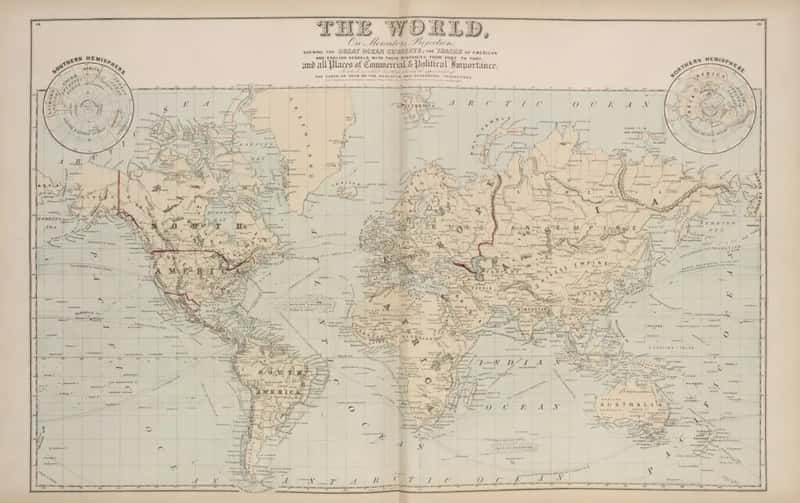
Money was only half the planning. For getting around, travelers leaned on printed maps, and the road atlas became a fixture of the American glovebox. Rand McNally has been guiding travelers since 1872.[6] Its road atlases are updated every year with the latest road and points of interest revisions.[7]
A look inside a recent edition shows how much a single book could hold. The 2025 edition has maps of every U.S. state and Canadian province, an overview map of Mexico, and inset maps of 375 cities and 28 national parks.[8] Contact details for road construction and conditions in every state and province sit above the maps.[8] In other words, a driver was expected to phone ahead about road closures.
Buying a Ticket Around the Planet
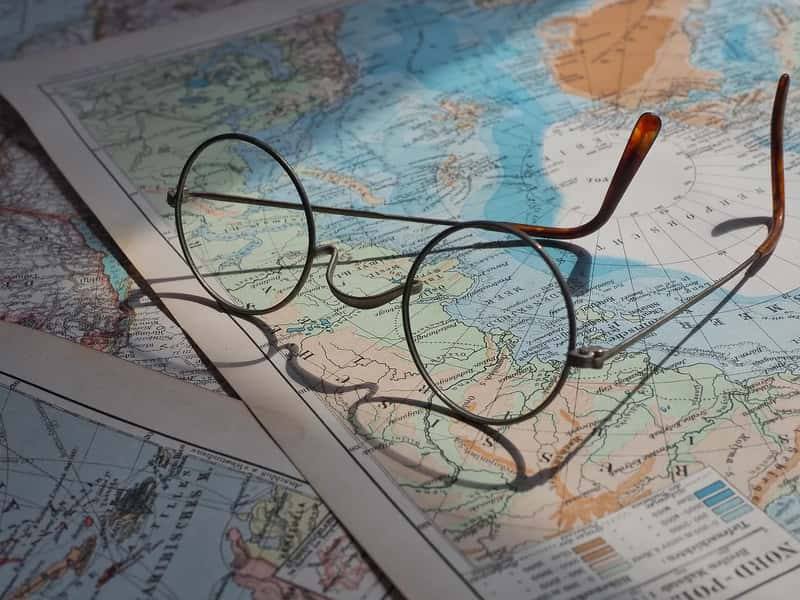
Flying the whole globe on one booking has its own history. Round the world tickets in the past were generally offered through marketing agreements between airlines on several continents.[9] Now they’re generally offered by airline alliances, or by specialist agencies that plan a custom trip.[9]
The field of sellers has narrowed. Two alliances still sell round the world tickets, oneworld Explorer and Star Alliance Round the World, and SkyTeam closed its program.[10] Star Alliance’s first class option ended on October 1, 2026.[11] That detail comes from one booking agency’s rules check, so confirm it with the airline before you plan around it.
The Rules That Shaped the Route
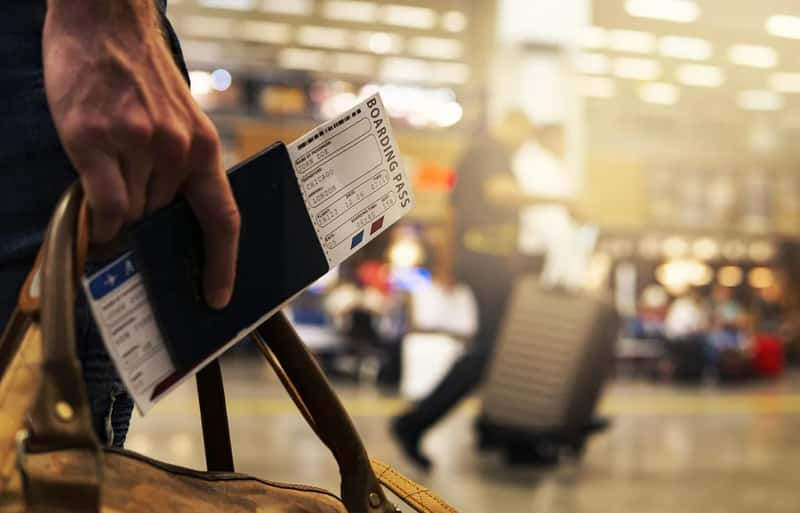
These tickets come with firm rules. Travel goes in one continuous direction, east or west, crossing both the Atlantic and Pacific once, and starting and ending in the same country.[12] That’s why a route that doubles back between continents often won’t fit an alliance pass.
Each alliance counts things differently. A oneworld Explorer ticket is priced by the number of continents visited, from three to six, with up to 16 flight segments.[13] Star Alliance prices by total miles flown, and allows 2 to 15 stopovers with 16 flights at most.[11] Generally, these tickets are valid for a year from the start date.[14]
What the Big Loop Cost
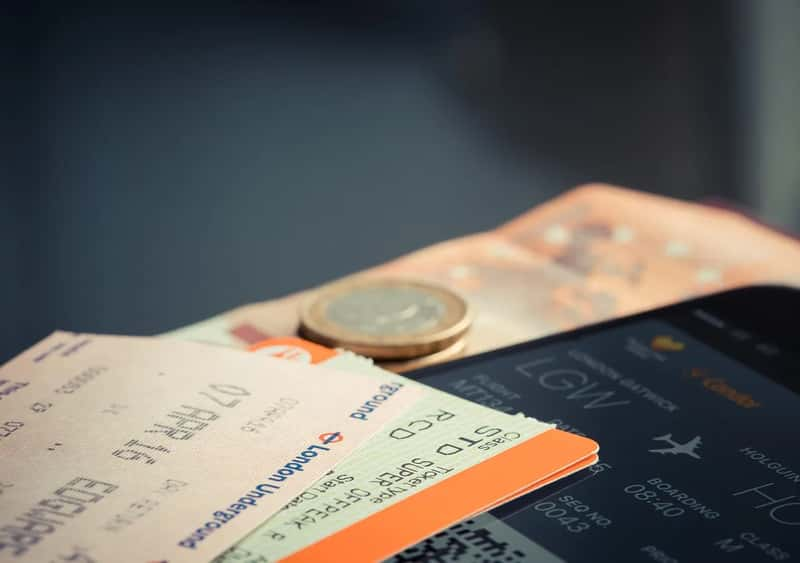
Prices have always varied widely. A general range is about US$2,500 to 6,000 for economy and US$5,000 to 14,000 for business class.[9] The price depends on your class of travel, the number of continents you visit and the country where you begin.[15]
Published base fares give a concrete sense of scale. One 2026 guide lists oneworld Explorer economy prices starting at $3,599 for three continents and rising to $6,899 for six, plus taxes and fees.[16] A practical note from the same guide: every flight counts equally toward the sixteen allowed, whether it’s one hour or twelve, so some travelers buy short hops separately and save the pass for the long flights.[16]
Offices, Agents and Advice in Person

Before apps, a lot of travel know-how lived in physical offices. Thomas Cook founded his company in 1841 to carry temperance supporters by railway, and organised his first tours to Europe in 1855 and to the United States in 1866.[17] The original company existed until 2001.[17]
American Express worked along similar lines in its own way. Time magazine’s account says the company had a chain of import offices in Europe[18], and that Fargo’s preference was to cash travelers’ cheques and offer free advice instead of running tours. The point is that money, guidance and a friendly counter were often found under one roof.
What Still Works Today
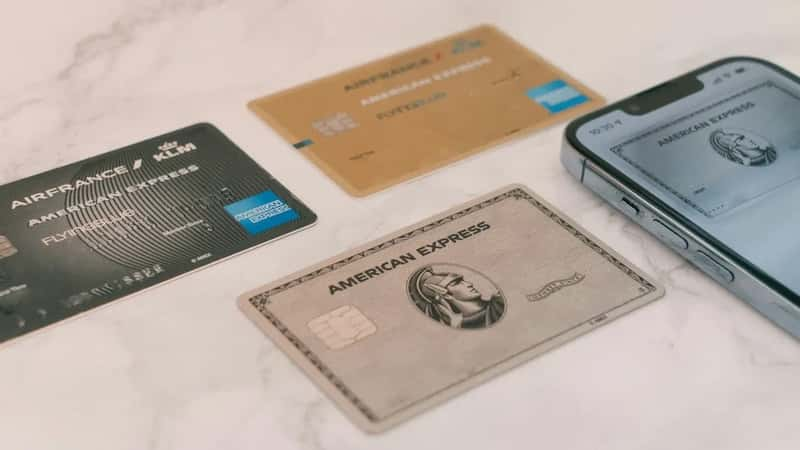
Old cheques haven’t expired. Cheques that are no longer issued remain backed by American Express and have no expiration date.[5] Customers can redeem valid cheques through phone support and the American Express website.[19] If uploading documents isn’t possible, hard copies can be mailed.[5]
Paper maps and big loop tickets are still around as well. A bookseller’s listing shows 2026 and 2027 large scale road atlas editions.[20] Both oneworld Explorer and Star Alliance Round the World are still on sale.[10]