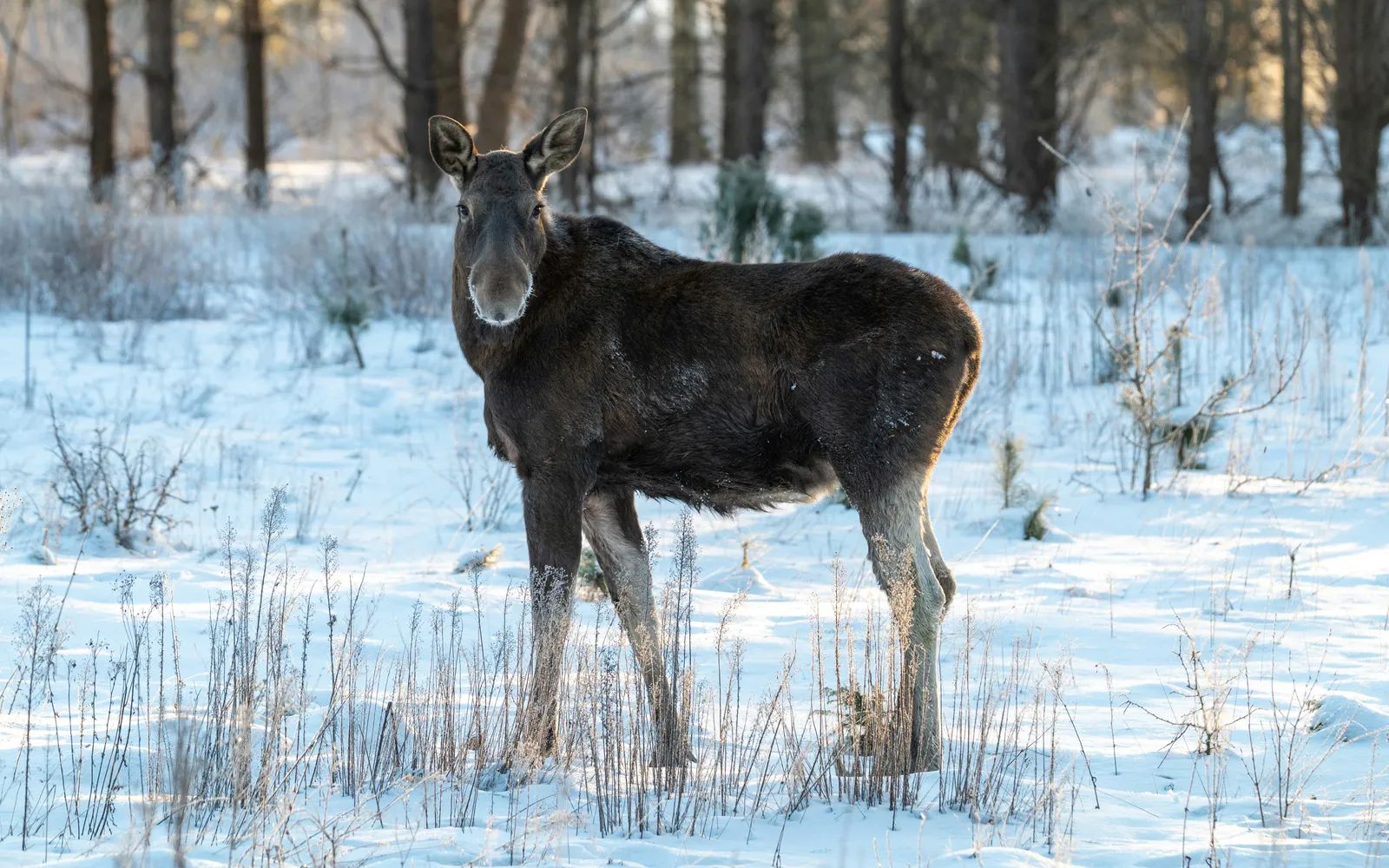
Białowieża Forest, Poland – One of Europe’s last primeval forests now faces pressure from both environmental decline and rising security needs along the Poland-Belarus border. The woodland, which dates back roughly 12,000 years to the last Ice Age, has long supported rich biodiversity in its wetlands and old-growth stands. Decades of drainage and fragmentation have already stressed the ecosystem, and new military plans add another layer of concern.
Border Security Plans Meet Ecological Reality
Poland has launched the East Shield project to strengthen defenses against potential threats from Russia and its ally Belarus. The initiative calls for new fortifications and infrastructure near the existing border. Military planners see value in hardened positions, yet scientists note that construction in sensitive zones risks further harm to the forest. The forest already contends with drier conditions and divided habitats. Additional roads and barriers could accelerate habitat loss and reduce the area’s natural resilience. Officials must weigh immediate security gains against longer-term environmental costs in a region that remains strategically sensitive.
Restoring Wetlands as a Practical Barrier
Researchers have proposed restoring drained wetlands and river systems inside the forest as an alternative approach. Re-wetting the landscape would recreate dense tree cover and boggy terrain that limits movement by heavy vehicles and troops. The strategy, sometimes called warwilding, treats restored nature itself as part of the defensive line. Polish military leaders have shown interest in the concept because natural barriers require less maintenance than built structures once established. Restored sections could slow advances while also improving habitat for species that depend on the ancient ecosystem. The approach aligns security goals with conservation outcomes in a single effort.
Obstacles to Large-Scale Restoration
Hundreds of kilometers of drainage ditches still remove water from the forest, and existing roads cut through areas that could otherwise act as obstacles. Reversing these changes demands coordinated work across multiple agencies and significant funding. Political support will determine whether restoration moves beyond pilot projects. Conservation groups argue that successful re-wetting could also strengthen the forest’s long-term survival by rebuilding its natural hydrology. Without action, ongoing drying and fragmentation may continue to degrade the primeval character that makes the site unique. The coming years will test whether Poland can turn restoration into a working component of its eastern defenses.