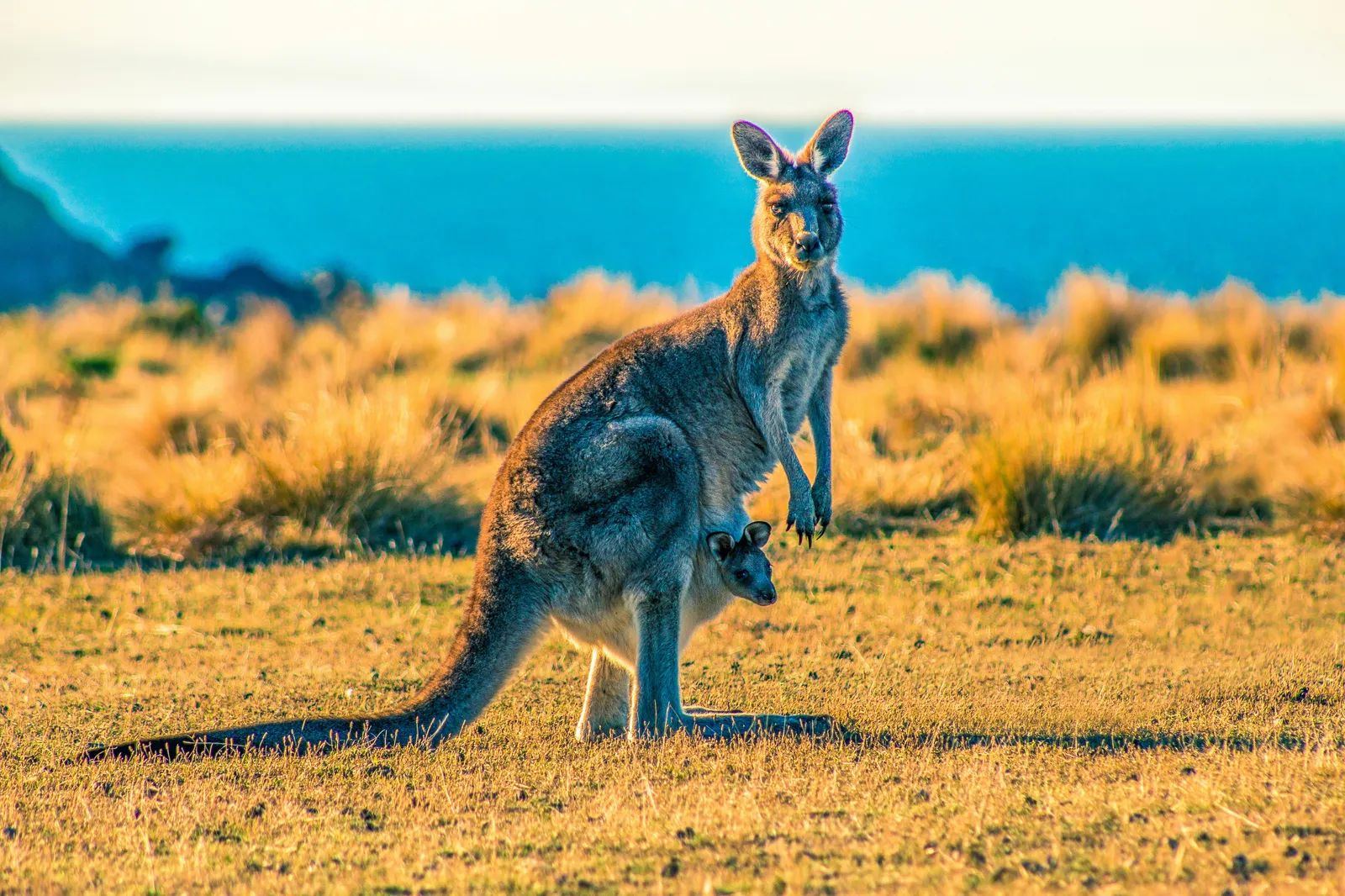
Canberra – Australia is confronting a growing imbalance between its human population and the wild kangaroos that roam the continent in far greater numbers. Surveys place the total at 30 million to 50 million animals, well above the country’s 27.8 million residents, with the figure shifting each year according to rainfall and drought cycles. The abundance has prompted several states and territories to expand culling programs, including a recent operation in the Australian Capital Territory that set a new local record. ([1])
Four Species, One National Icon
Four species dominate the landscape. The red kangaroo, the largest, occupies the arid interior. Western grey kangaroos favor the southeast, while eastern greys range across most eastern states and Tasmania. Antilopine kangaroos remain largely in the tropical north. All four are protected under national law yet managed through commercial harvesting and targeted culls when densities rise.
Why Numbers Trigger Action
High densities bring measurable pressure on pastures and native vegetation. Overgrazing can compact soil, reduce ground cover, and limit food for smaller native mammals and birds. Land managers in rural areas report increased competition with livestock during dry periods, while urban fringes see more frequent vehicle collisions and damage to parks. These practical effects have driven governments to set annual harvest quotas that rise or fall with population data.
The ACT Sets a New Mark
The Australian Capital Territory covers just 2,358 square kilometers yet supports an estimated 122,000 eastern grey kangaroos, among the highest recorded densities anywhere in the country. Officials approved an expanded cull this year that removed more animals than in any previous season. The operation focused on reserves and peri-urban zones where numbers had climbed steadily since the last major drought. Local wildlife officers conducted the work under strict welfare protocols, with carcasses directed to licensed processors.
Stakeholders and Next Steps
Farmers and graziers generally support tighter control, citing lost pasture and fencing costs. Conservation groups question whether culling alone addresses root causes such as altered fire regimes and the spread of artificial water points. Tourism operators note that visitors still expect to see healthy populations in national parks, creating an interest in maintaining visible numbers without letting densities become unsustainable. Researchers continue to test fertility control methods and habitat manipulation as possible complements to harvest quotas. The current approach reflects a long-standing tension between protecting a beloved emblem and managing its ecological footprint. As surveys resume after the next wet season, authorities will decide whether the latest figures justify further adjustments to quotas or renewed investment in non-lethal options.