Let’s be real, the dream of early retirement can feel like just that – a dream – when you’re living in the United States. With housing costs climbing, healthcare expenses eating into budgets, and everyday living becoming more expensive by the year, many Americans find themselves wondering if they’ll ever be able to retire comfortably. According to the Social Security Administration, the average monthly retirement benefit is $1,781.63, which honestly doesn’t stretch very far at home. The Motley Fool notes the average cost of living in the USA is $2,317, creating a noticeable gap for seniors.
Here’s the thing, though. Your Social Security check might feel inadequate in the U.S., yet it could provide a surprisingly comfortable lifestyle elsewhere. A growing number of savvy retirees are discovering that relocating abroad isn’t just possible – it’s transformative. Imagine waking up to ocean views, enjoying quality healthcare that doesn’t bankrupt you, and still having money left over for travel and leisure. Sounds too good to be true? Let’s dive into seven destinations where your retirement dollars work three times harder than back home.
Portugal: European Charm Without the European Price Tag

Portugal has become the darling of the retirement community, and for good reason. This sun-drenched country on Europe’s western edge offers everything you’d want from a European lifestyle without draining your bank account.
Retirees can live comfortably on a monthly budget of approximately €1,400 to €1,900, with a retired couple living well in Portugal for between $1,500 to $2,000 per month. Think about that for a moment. You could be sipping coffee in a historic plaza, enjoying world-class healthcare, and spending less than half of what it costs to live modestly in most American cities.
The Portuguese climate delivers over 300 days of sunshine annually, particularly along the southern Algarve coast. Beyond the weather, Portugal ranked number twelve globally for healthcare quality according to the World Health Organization. Portugal is far more affordable than the United States, with everyday living costs about 29 percent lower, restaurant prices roughly 38 percent less, and grocery prices around 37 percent cheaper.
Getting residency is straightforward through the D7 visa for passive income holders. English is widely spoken in expat communities, especially around Lisbon, Porto, and the Algarve. The country’s safety, welcoming locals, and established expat networks make integration surprisingly smooth for newcomers.
Ecuador: Where the Dollar Rules and Life Costs Less

Ecuador might not be on everyone’s radar, yet this South American gem offers something unique: it uses the U.S. dollar as its official currency. No exchange rate headaches, no currency conversion fees – just straightforward budgeting.
The cost of living in Ecuador is about 54 percent lower than in the United States, with the estimated annual cost for a retired couple in Cuenca about $20,400 per year. That breaks down to around $1,700 monthly for two people. For singles, it’s even more affordable. A retiring couple can live comfortably for about $1,800 per month, while a single person can retire well for around $1,400 per month.
Cuenca, nestled in the Andes Mountains, has become Ecuador’s retirement capital. This UNESCO World Heritage city boasts colonial architecture, moderate climate, and an expat community of roughly 8,000 Americans. Healthcare costs a fraction of U.S. prices – often about 20 to 25 percent less for comparable services.
The country offers generous discounts for seniors through its “Tercera Edad” program. Retirees aged 65 and older receive 50 percent off public transportation, airfare on Ecuadorian carriers, and tickets to cultural and sporting events. The retirement visa requires showing a lifetime pension, Social Security, or annuity of at least $1,410 a month, which is achievable for most Social Security recipients.
Mexico: Close to Home, Far from Expensive

Mexico remains the most popular international retirement destination for Americans, with over one million expats currently calling it home. The reasons are obvious: proximity to the U.S., familiar stores and brands, short flights back for family visits, and significantly lower costs.
In most cases, $1,800 to $3,000 USD per month covers a comfortable lifestyle, with plenty of wiggle room for extras. Depending on where you settle, that budget includes housing, healthcare, food, entertainment, and even domestic help. Lake Chapala, San Miguel de Allende, and Puerto Vallarta host thriving American communities where English is commonly spoken.
Healthcare quality rivals or exceeds what you’d find in many American facilities, yet costs dramatically less. For those aged 50 to 59, IMSS currently costs about $61 per month per person, while those 60 to 69 pay $85 per month. Private healthcare offers even faster service and English-speaking doctors at prices that still beat U.S. costs.
Americans can receive Social Security payments while living in Mexico, with direct deposit available to U.S. or Mexican bank accounts. The climate varies from beach heat to eternal spring in the highlands, letting you choose your perfect weather. Cultural richness, delicious regional cuisines, and a slower pace of life sweeten the deal.
Greece: Mediterranean Living for Mediterranean Prices

Greece offers island life, ancient history, and Mediterranean charm at prices that make early retirement genuinely feasible. The country’s cost of living is 31 percent lower on average than the U.S., making it an appealing option for those living on Social Security alone.
Cities like Kalamata on the Mediterranean coast provide retirees with pleasant climate, cultural attractions, and beaches. The city of Kalamata provides a monthly budget of around $2,000 for a couple. That covers comfortable accommodations, fresh local food from markets, and enough left over for exploring Greece’s legendary archaeological sites and vineyards.
The Greek islands offer an entirely different retirement experience – slower paced, quieter, and often even more affordable than mainland cities. Fresh seafood, olive groves, and the famous Greek hospitality create an environment where retirees can truly relax. Healthcare is accessible and affordable, particularly in larger cities and popular expat areas.
Greece’s golden visa program provides residency options for property investors, though retirees on fixed incomes can explore other visa pathways. The key is researching specific requirements and understanding that bureaucracy can move slowly – patience is essential.
Costa Rica: The “Pura Vida” Retirement

Costa Rica invented the phrase “Pura Vida” – pure life – and it’s not just marketing. This Central American nation has become synonymous with quality retirement living, combining political stability, natural beauty, and surprisingly good infrastructure.
Some retired couples can live well in the country on $2,000 per month, while others require $2,500 to $3,000. The variation depends on location and lifestyle preferences. Beach communities typically cost more than inland mountain towns, yet even coastal areas remain affordable compared to the U.S.
Costa Rica offers territorial taxation, requiring $1,000 per month pension for the Pensionado Residency visa. The country abolished its military in 1948, investing instead in education and healthcare. The result is one of the world’s top healthcare systems and impressively high literacy rates.
Costa Rica runs on 99 percent renewable energy and protects roughly five percent of the world’s biodiversity despite its small size. For nature lovers, the options are endless: cloud forests, volcanoes, hot springs, both Pacific and Caribbean beaches, and abundant wildlife. The expat community is large, established, and welcoming, with weekly farmers’ markets doubling as social events.
Thailand: Exotic Living, Practical Prices

Thailand represents Southeast Asia’s most popular retirement destination for Westerners, offering tropical climate, world-class healthcare, and costs that make your Social Security stretch remarkably far.
Thailand offers world-class hospitals and a strong expat community, with lifestyle costs ranging from $1,000 to $1,500 per month. Chiang Mai in the temperate north has become particularly popular, boasting comfortable climate, cultural richness, and a large international community. Beach towns like Hua Hin offer coastal living at similarly low prices.
The healthcare system deserves special mention. Bangkok and other major cities host internationally accredited hospitals with English-speaking doctors trained to Western standards. Medical tourism thrives here because the quality matches or exceeds American care at a fraction of the cost. Dental work, in particular, draws patients from around the world.
Thai culture values respect for elders, making it a welcoming environment for retirees. The food scene is legendary – from street stalls serving meals for a couple dollars to high-end restaurants that still won’t break the bank. Buddhist temples, markets, beaches, and mountains provide endless exploration opportunities.
Language can be challenging outside tourist areas, though many expats manage with basic Thai and the help of translation apps. The retirement visa requires showing monthly income or bank deposits, with requirements varying based on visa type.
Colombia: South America’s Hidden Retirement Gem

Colombia has quietly emerged as one of South America’s best retirement destinations, shedding its troubled past and revealing a country of remarkable beauty, culture, and value.
Colombia has a low cost of living but offers amenities and infrastructure you’d expect in a much pricier country, with couples paying between $1,030 and $2,720 per month. The range reflects diverse options – from small mountain towns to cosmopolitan cities like Medellín and Bogotá.
Medellín, dubbed the “City of Eternal Spring” for its perfect year-round climate, has become particularly popular with foreign retirees. The city offers modern infrastructure, efficient metro system, excellent healthcare, and vibrant arts scene. Expats enjoy lower costs while maintaining first-world amenities.
Colombian coffee, emeralds, and biodiversity are world-famous, yet the country’s warmth comes from its people. Colombians are known for their friendliness and hospitality toward foreigners. The healthcare system provides quality care at affordable rates, with many doctors trained in the United States or Europe.
Spanish fluency helps significantly, though English is increasingly common in expat areas. The country offers retirement visas for those with consistent pension income, making legal residency straightforward for qualified applicants. Direct flights to major U.S. cities make visiting family manageable.
Panama: The Bridge Between Continents and Budgets
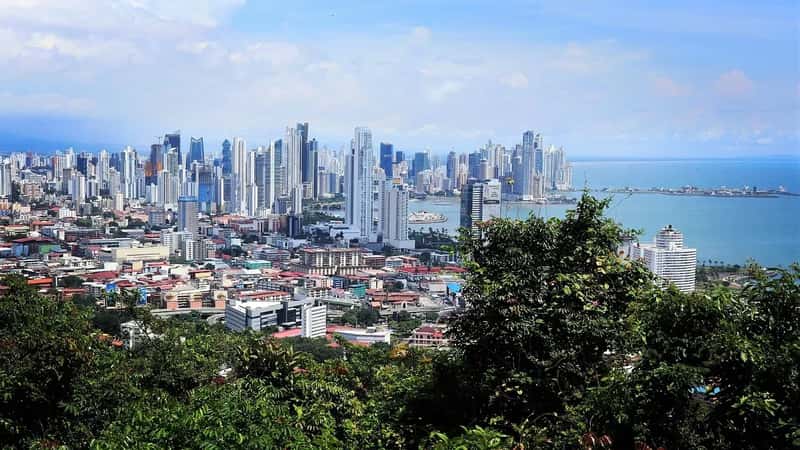
Panama offers something special: a retirement program specifically designed to attract foreign retirees with generous incentives. The Pensionado program ranks among the world’s most retiree-friendly visa options.
Individuals can retire to Panama through the Pensionado Visa with a verifiable minimum monthly income of $1,000, and the country offers sunny climate, beautiful landscapes, and a relaxed pace of life. The program provides substantial discounts: 50 percent off entertainment, 25 percent off airline tickets, 30 percent off bus and boat fares, 25 percent off restaurants, and 15 to 20 percent off hospital bills.
Couples should budget around $2,600 per month for a comfortable retirement in Boquete, a charming highland town known as Panama’s flower capital. Coastal areas offer beach living, while Panama City provides cosmopolitan amenities and modern infrastructure. The country uses the U.S. dollar alongside its own balboa currency, eliminating exchange rate concerns.
Panama’s location as the crossroads of the Americas makes it a transportation hub. The Panama Canal remains one of engineering’s greatest achievements, and the country’s banking sector is robust and international. English is more widely spoken here than in most Latin American countries, especially in Panama City and expat communities.
Healthcare in Panama City rivals first-world standards, with Johns Hopkins-affiliated hospital and other modern facilities. The tropical climate means warm weather year-round, though highland areas offer cooler temperatures. Beaches on both the Pacific and Caribbean coasts provide weekend getaway options.
Making the Move: What You Need to Know

Retiring abroad isn’t just about finding cheaper rent. It requires careful planning, realistic expectations, and understanding both the benefits and challenges of international living.
Americans can collect Social Security benefits while living abroad in most countries, as the Social Security Administration allows payments to be sent to over 130 countries. This fundamental fact makes international retirement viable for millions of Americans. However, Medicare doesn’t travel with you – healthcare abroad requires either local insurance, international coverage, or out-of-pocket payments.
Tax obligations continue regardless of where you live. U.S. citizens must file tax returns annually, though various exclusions and credits often mean owing little or nothing. Each country has its own tax rules regarding foreign pensions and Social Security, making professional tax advice essential before relocating.
Currency fluctuations can impact your purchasing power. If the dollar weakens against your host country’s currency, your monthly budget effectively shrinks. Building cushion into your budget helps weather these variations. Conversely, when the dollar strengthens, your retirement funds go even further.
Cultural adaptation takes time. Language barriers, different bureaucratic systems, and unfamiliar customs can frustrate newcomers. Successful expat retirees typically spend several months exploring potential destinations before committing. Renting initially rather than buying property provides flexibility to relocate if the first choice doesn’t work out.
Distance from family and friends challenges many retirees. Video calls help, yet attending grandchildren’s birthdays or family emergencies becomes complicated when you’re thousands of miles away. Some retirees split their time between countries, spending summers in the U.S. and winters abroad, though this requires maintaining two residences.
Is Early Retirement Abroad Right for You?

Retiring abroad represents more than financial arbitrage. It’s a lifestyle decision that works beautifully for some people and disappoints others. The retirees who thrive internationally tend to share certain characteristics: flexibility, curiosity, willingness to learn, and realistic expectations.
If you’re someone who embraces new experiences, doesn’t mind occasional frustration with bureaucracy, and can build new social networks, international retirement might transform your golden years. The financial benefits are undeniable. Your Social Security check that barely covers expenses in the U.S. can fund a comfortable, even luxurious lifestyle elsewhere.
Yet if you need to be near family, struggle with change, or require the familiarity of American culture and conveniences, international living might feel more like exile than adventure. There’s no shame in recognizing that staying home, perhaps in a lower-cost U.S. region, makes more sense for your situation.
The beauty of modern retirement is choice. You’re not locked into struggling financially in an expensive American city simply because you were born there. Affordable international flights, reliable internet for staying connected, and established expat communities make retiring abroad more accessible than ever before.
Perhaps start with extended visits to potential destinations. Rent for three or six months in a place that intrigues you. Join local expat groups, experience daily life beyond the tourist bubble, and honestly assess whether you’d be happy long-term. Many countries offer tourist visas allowing 90-day stays, perfect for test runs.
Remember that retirement abroad isn’t all-or-nothing. Some retirees spend half the year abroad and half in the U.S., optimizing weather, family time, and budget. Others fully commit to their new home, visiting the U.S. occasionally for holidays and family events.
Your Social Security check represents decades of work and contributions. It should fund a retirement you actually enjoy, not one of constant financial stress and compromise. Whether that retirement happens in Portland, Porto, or Panama City is entirely up to you. The world has never been more accessible to American retirees willing to explore beyond familiar borders. What are you waiting for?