Above the entrance to our hotel waved a flag that read: Santa Marta Corazón del Mundo 500 Años. I asked the security guard about it. “This year we’re celebrating the city’s 500th anniversary,” he said proudly. It was late December, and this was the first I’d heard about the milestone year.
I wondered how this had passed me by in Colombian news, which I stay fairly up-to-date on, or hadn’t shown up in my social media feeds, where I follow several Colombian friends and accounts. At any rate, I was glad I had made it—if only accidentally—for the final days to celebrate a city I have a strong affection for.
500 Years of History
Santa Marta is the oldest city founded by the Spanish Empire in Colombia. It’s the resting place of Simon Bolívar, the Liberator, as he’s called. He led the first successful revolution for independence in Latin America against Spain and became the first president of Gran Colombia, which included modern-day Panama, Ecuador, and Venezuela.
On one of my first trips to the city, I visited the Quinta de San Pedro Alejandrino, the hacienda where the Liberator died in 1830. Lauded as a freedom fighter, historians debate the degree to which he believed in such ideals. While he freed the slaves in the former Spanish colonies, his writings point to conflicting views on racial equality. Nevertheless, I find Santa Marta to be a city where people indeed act freely.
For one thing, Samarios (the term for people from Santa Marta) strike me as less pretentious than their counterparts in fellow coastal cities Barranquilla and Cartagena. They wear board shorts and cheap flip-flops into town on errands, business, or pleasure. Tattoos and piercings are more accepted, and Afro-Colombians here are unashamed of their tightly curled hair. (Sadly, it’s not uncommon to hear people in other parts of the country call this pelo malo—bad hair).
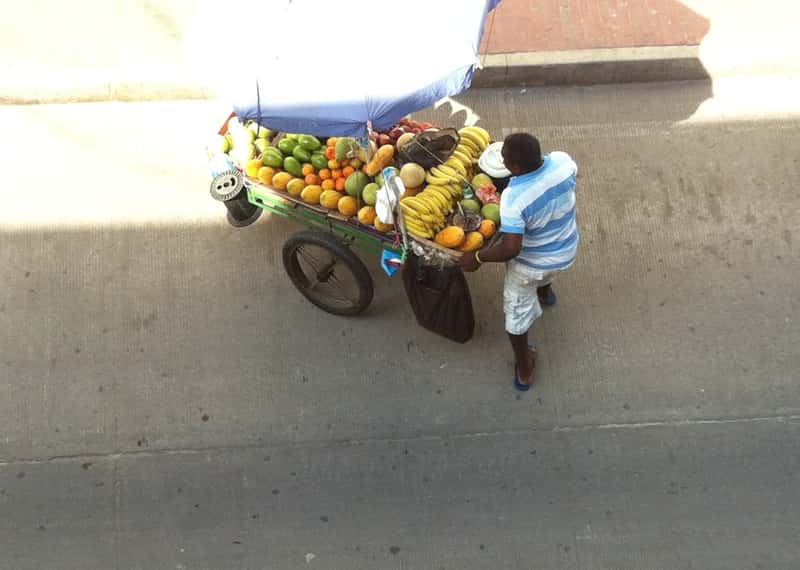
The pace of life is slow here. Pedestrians cross the street leisurely, ignorant of the honking; unhurried vendors push their carts of farm-fresh produce only a block or two before claiming a long break; waiters don’t rush to take your order. I’m fine with this daddling and loitering. In fact, I prefer it this way.
Walks in Centro Histórico
I’ve made frequent trips to this sleepy city since 2014. One of my favorite things to do is take walks through the centro histórico early in the morning before the day becomes too hot. This trip was no exception.
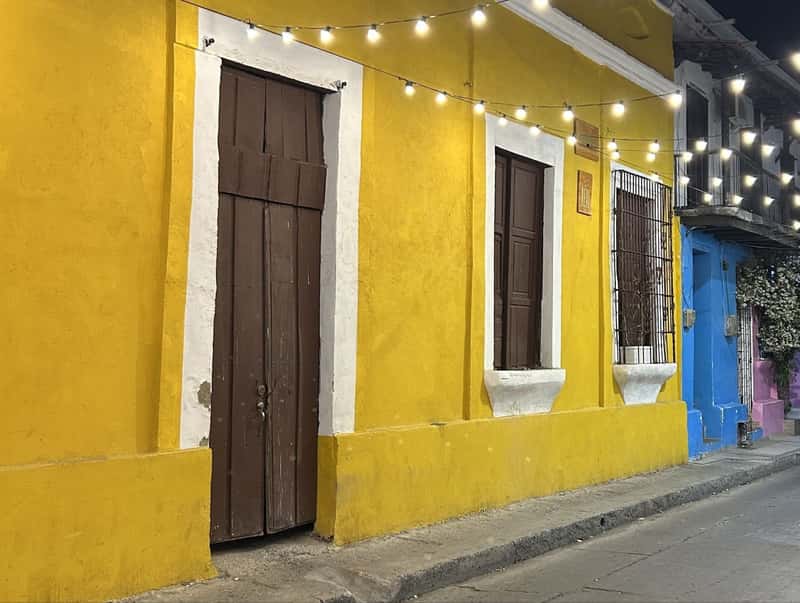
I started at the malecón—boardwalk—admiring the still blue waters surrounding the rocky Isla El Morro with its iconic lighthouse. At Calle 16, I turned right and wandered until I reached the white cathedral. Here, I handed a few coins to an older gentleman in a worn ball cap in exchange for black coffee poured into a thin plastic cup. I meandered through the center’s old colonial and republic-era houses, eventually arriving at Parque de Los Novios. This is the only time you’ll find it empty, save the dutiful proprietors sweeping bottles and cans from last night’s ruckus off the sidewalks in front of their establishments.

The next morning, I found a new coffee shop, Vívolo, that had opened in the brightly painted Casa Marina Santa Marta. It has retained its arched doorways and tiled floors, adding plentiful seating and the number one amenity to attract tourists—air conditioning. The coffee they serve is sourced from the Sierra Nevadas, the mountain range that begins right behind the city. I took a sip and immediately detected bright freshness and cinnamon.
The place was crowded. Remote workers stared into spreadsheets on their laptops and local artists scribbled notes into their journals. I found the door to the Casa Marina’s central courtyard, where only one other patron sat. Pushed air from the wall-mounted fan slapped at the pages of my book, but the coffee was so good, and the charm of the old atrium comforting, that I didn’t mind.
Lulo
My wife and I discussed dinner plans. Our first choice was Guasimo, the best seafood in town, but when we called, we were informed there were no reservations left. Google Maps showed us some new options that we hadn’t tried before, but we weren’t in the mood to take risks. We decided on a classic: Lulo Café. This was the first place I ever dined in the city, on a rainy November evening in 2014.
I ordered the Lulota. The server brought out a mound of shredded beef, diced tomatoes, onions, avocado, and suero (Colombian sour cream) with a soft and gooey corn arepa as the base. Inspired by the name, I ordered a freshly blended juice of lulo, a tart local fruit, to accompany my gourmet arepa. Eleven years and countless visits later, my order is still the same.
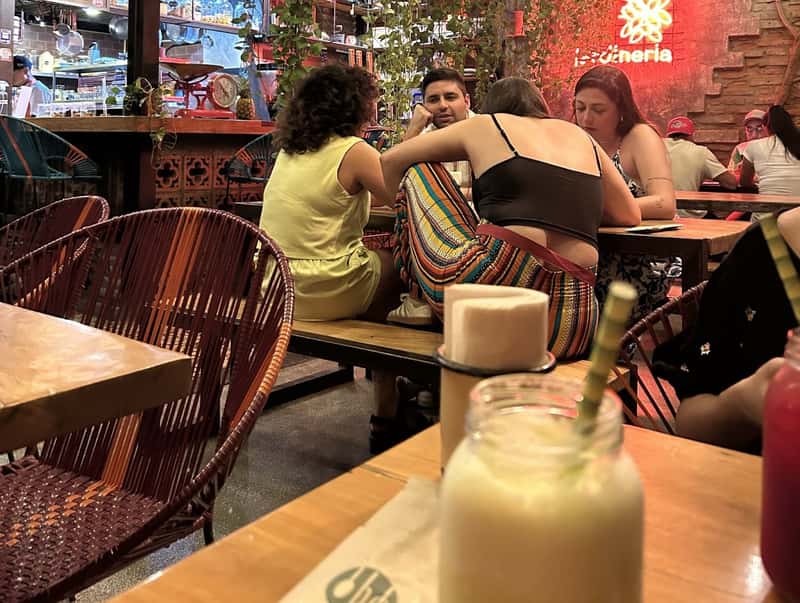
Many restaurants have come and gone in Santa Marta, trying to cater to the whims and ever-changing tastes of tourists. The pandemic was especially unkind, even to the good ones. Some of my favorites are long gone. That makes me all the happier to see that Lulo not only survived but has purchased more seating space in the unit next to their original cafe.
Beaches and Breeze
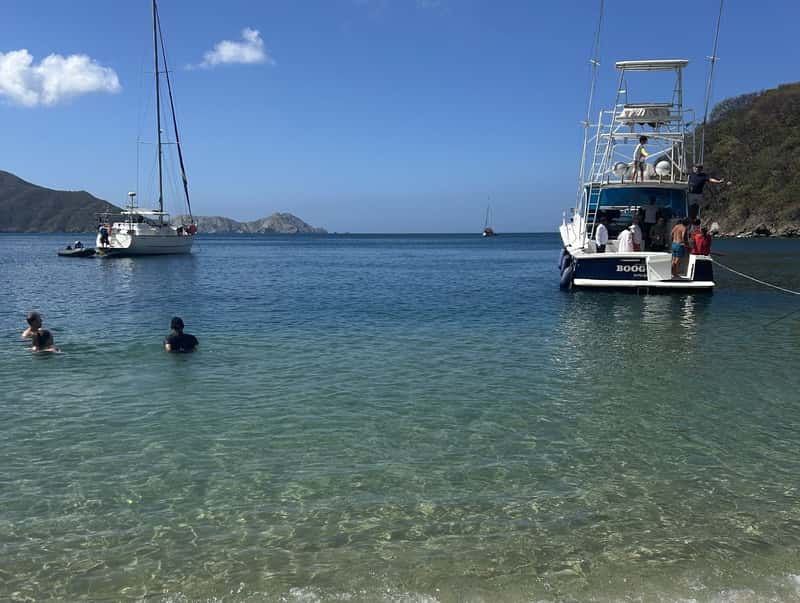
My wife and I booked a day tour to Bahía Concha, a cove within one of Colombia’s most esteemed national parks, Parque Tayrona. We boarded the Artivela, a 23-ton sailboat refitted with new motors, and journeyed for an hour to the white sands and crystal waters of the park. We enjoyed an afternoon of plunges into the cool waters, sunbathing, fried fish, and snorkeling. Though we did see a few schools of silver fish and a small barracuda, the reef was in a tragic state. It appeared to have lost most of its color, undoubtedly due to rising ocean temperatures, which cause bleaching. I tried to put this out of my mind as we boarded again and set sail for the docks in Santa Marta.
After freshening up, we had dinner and took yet another stroll through the centro histórico. A night in Santa Marta is not complete without a dance, so we headed in the direction of a place we knew we’d find top music and sabor—how Colombians describe good dancing.
We climbed three flights of stairs at The Brisa Loca to the rooftop bar where the tropical breeze rolled in from the sea. My knees and hips may have been a little stiff at first, but muscle memory kicked in as my wife and I stepped and swayed to the rhythms of salsa, merengue, vallenato, and champeta. The crowds grew, and I took one last look at the cathedral in the distance, lit up against the night sky, before we made our way back to the hotel.
Tourism has grown in Santa Marta. Its beaches are too sensational to hide any longer, news is spreading about the quality of its coffee, and for travelers in search of a place to lay low, get some writing done, waste a few days daydreaming in a hammock, the city is not only tolerant but inviting. However, even though more visitors show up every year, I noticed that nearly everywhere we went, Samarios outnumbered the tourists. Spanish is still the language you hear most at the dinner table, at the bar, or on the sand. This made me glad because it means Colombians are doing well. They haven’t been priced out of this endearing city, which, in the end, belongs to them.