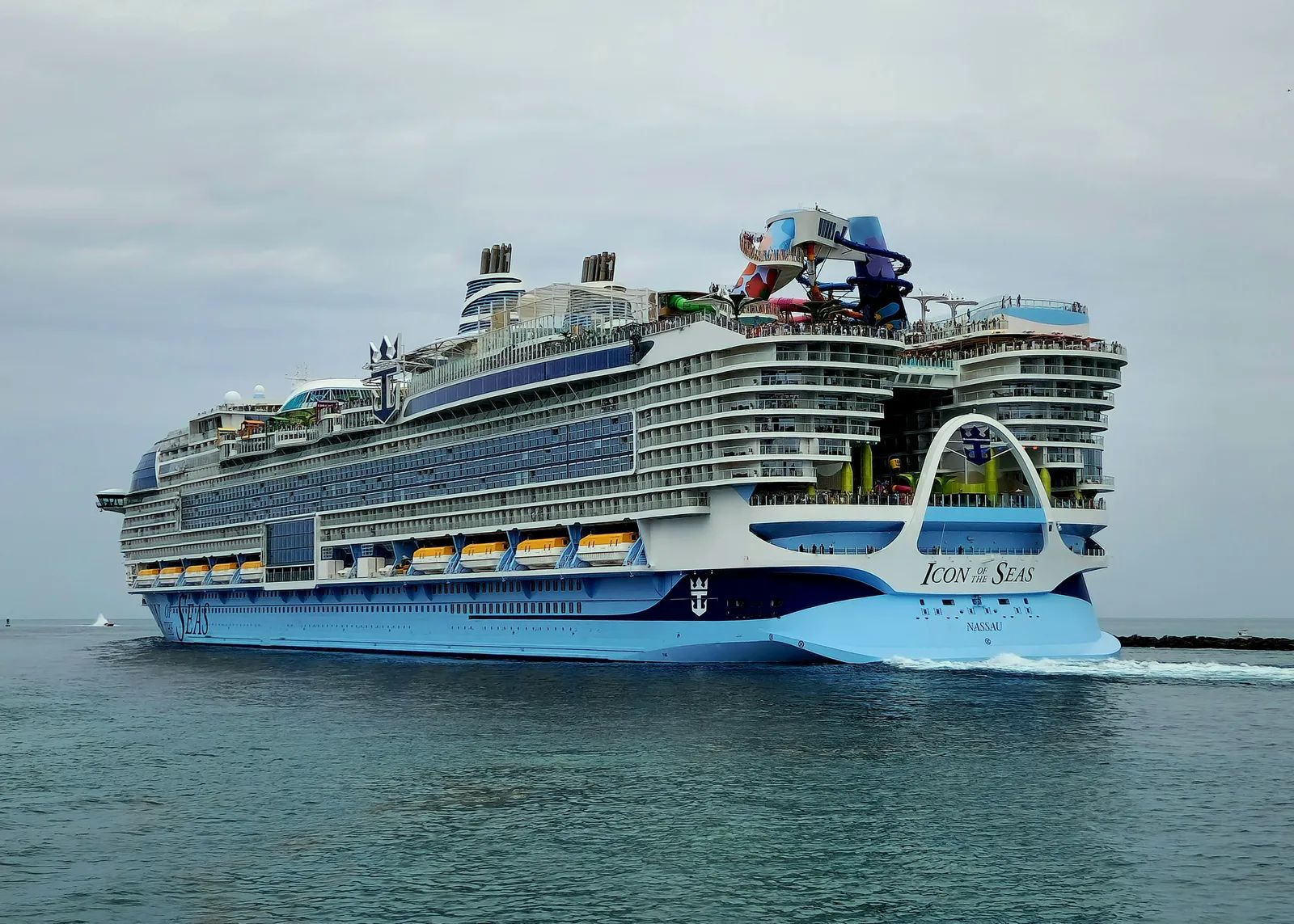
Royal Caribbean Group has confirmed one of the most significant moves in its history, agreeing to acquire a 50% equity stake in Sandals Resorts International for roughly $3 billion. The agreement, announced on September 23, 2026, pairs one of the world’s largest cruise operators with the Caribbean’s most recognized all-inclusive resort brand, creating a joint venture that blends ocean and land vacations under one corporate roof.
What started as speculation earlier in the week quickly turned into confirmed news. Reports first surfaced that Royal Caribbean was in advanced talks to buy into Sandals, and within days the companies made it official, setting the stage for a partnership that could reshape how travelers experience the Caribbean for years to come.
The Deal at a Glance
Royal Caribbean Group will acquire a 50% stake in Sandals and Beaches Resorts for about $3 billion, expanding the cruise operator into the all-inclusive resort market.[1] The investment forms a joint venture combining Sandals and Beaches’ Caribbean resort portfolio with Royal Caribbean’s cruise, private destination and vacation businesses.[1] It is a straightforward but sweeping arrangement: two travel giants pooling resources rather than one simply swallowing the other.
Under the deal, the two companies will form a joint venture controlling Sandals, with family members of Sandals founder Gordon Stewart, who died in 2021, retaining the other half.[2] That detail matters. This isn’t a full buyout that strips the Stewart family of control. Instead, it’s a genuine 50-50 partnership, with the founding family keeping a meaningful say in how the brand evolves.
Inside the $3 Billion Price Tag
Royal Caribbean said the deal values the resort business at about 10 times forward earnings before interest, taxes, depreciation and amortization, or EBITDA.[1] That multiple gives a sense of how the two sides arrived at a number, and it places Sandals’ valuation well above what many casual observers might have guessed for a privately held Caribbean resort chain. The deal values the Caribbean resort chain at $6 billion overall.[3]
The company has secured committed debt financing from Morgan Stanley to fund the transaction.[1] Bank of America and PJT Partners advised Sandals, while Perella Weinberg and Morgan Stanley served as Royal Caribbean’s financial advisers.[4] Having that financing lined up before the announcement suggests both sides wanted certainty baked into the deal rather than leaving funding as an open question during negotiations.
Who Will Run the Joint Venture

A board jointly led by Jason Liberty, chairman and CEO of Royal Caribbean Group, and Adam Stewart, executive chairman of Sandals Resorts, will oversee the joint venture.[5] Putting two chief executives at the helm of a shared board is a deliberate signal that neither company wants to be seen as simply absorbing the other’s identity.
Stewart will remain executive chairman of Sandals and Beaches Resorts and continue to oversee the brands’ long-term growth strategy.[5] For a company whose culture has always been closely tied to the Stewart family name, keeping Adam Stewart in a visible leadership role likely matters as much to loyal guests and staff as it does to shareholders watching the numbers.
Why Royal Caribbean Is Betting Big on Land
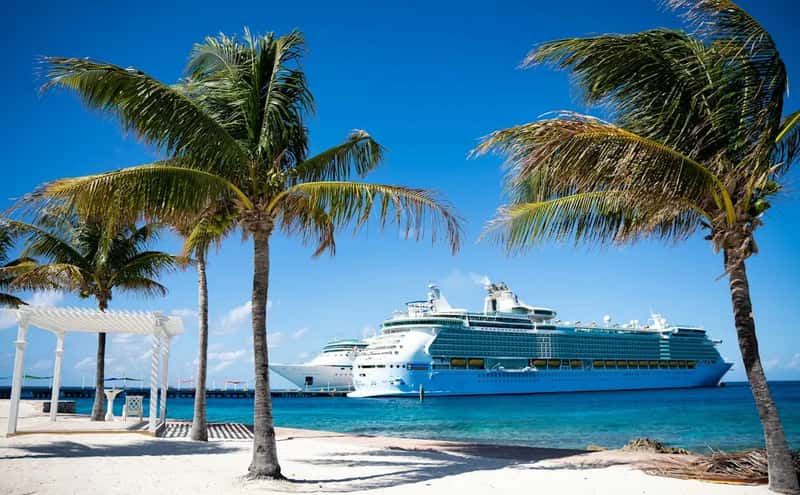
Royal Caribbean has been focused on broadening its land-based vacation offerings, including its Royal Beach Club private destinations and Perfect Day destinations, as cruise operators seek to capture a larger share of consumers’ overall travel spending.[6] The Sandals stake fits neatly into that pattern rather than appearing out of nowhere.
The cruise company has been intent on diversifying beyond cruises and becoming a leader in vacations overall, and it has been working to build out its land offerings even though it already operates several private destinations for its cruise passengers.[3] Buying into an established all-inclusive brand rather than building resorts from scratch lets Royal Caribbean skip years of construction and brand-building, tapping into decades of guest loyalty instead.
Sandals’ Growth Plans Get a Boost
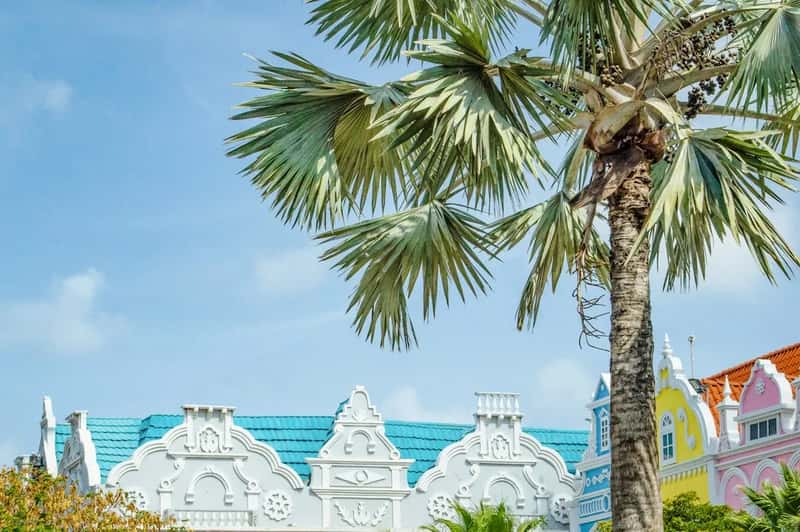
Beaches has outlined a $1 billion Caribbean expansion strategy that includes new development and expansion across the region, while Sandals is undertaking a $200 million transformation of three of its flagship Jamaica resorts.[7] Those investments were already in motion before Royal Caribbean entered the picture, but fresh capital and a bigger distribution network should help accelerate them.
That includes the transformation of the former Sandals Royal Caribbean into Sandals Caribbean Cay, which is reopening this December with 291 rooms, an expanded private-island experience, new SkyPool Suites and new dining concepts.[7] The company has also announced upcoming locations in Exuma, Barbados, Runaway Bay and Saint Vincent and The Grenadines.[8] With Royal Caribbean’s backing, those pipeline projects arguably have a clearer path to completion.
How Investors Reacted to the News
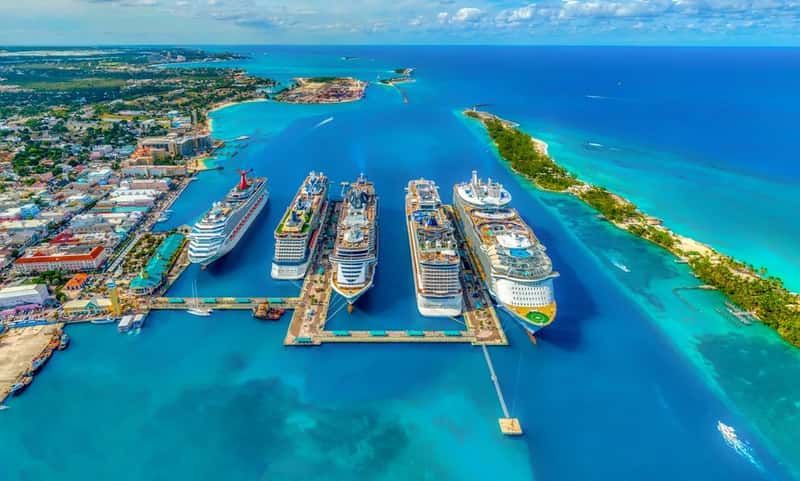
Royal Caribbean shares fell roughly 6% on reports of the potential deal, which was first reported by the Financial Times, and the company’s stock is down roughly 25% over the past year after it trimmed its forecasts for revenue growth on softer demand for European sailings.[3] That reaction suggests some shareholders were caught off guard by the size and direction of the spending, even if the long-term logic makes sense.
The company’s market value stands at $62 billion,[4] so a $3 billion commitment is sizable but not overwhelming relative to its overall size. Still, the transaction represents the largest acquisition in the Miami-based cruise operator’s history,[4] which explains why markets took notice immediately rather than shrugging it off as routine.
A Long, Complicated Road to This Moment
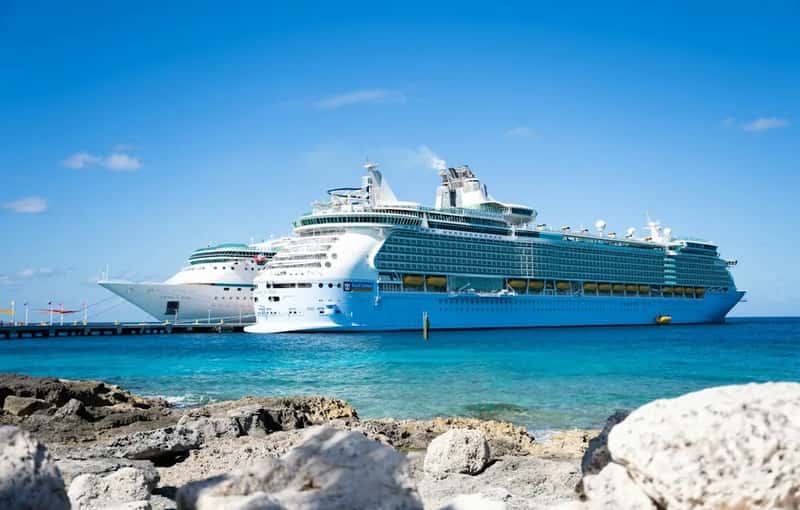
Sandals has been the subject of speculation about a potential sale for nearly a decade, and Reuters reported in 2017 that the company was exploring strategic alternatives, including a sale.[5] This deal, then, is the culmination of years of on-and-off interest rather than a sudden decision made overnight.
The agreement follows years of unsuccessful attempts to sell Sandals, a process complicated by the 2021 death of founder Gordon “Butch” Stewart, whose passing led to family disputes and legal conflicts over trusts containing portions of his estate.[4] Those internal family matters likely explain part of why a full sale never materialized earlier, making the joint-venture structure a more workable compromise than an outright acquisition.
What Sandals Brings to the Table
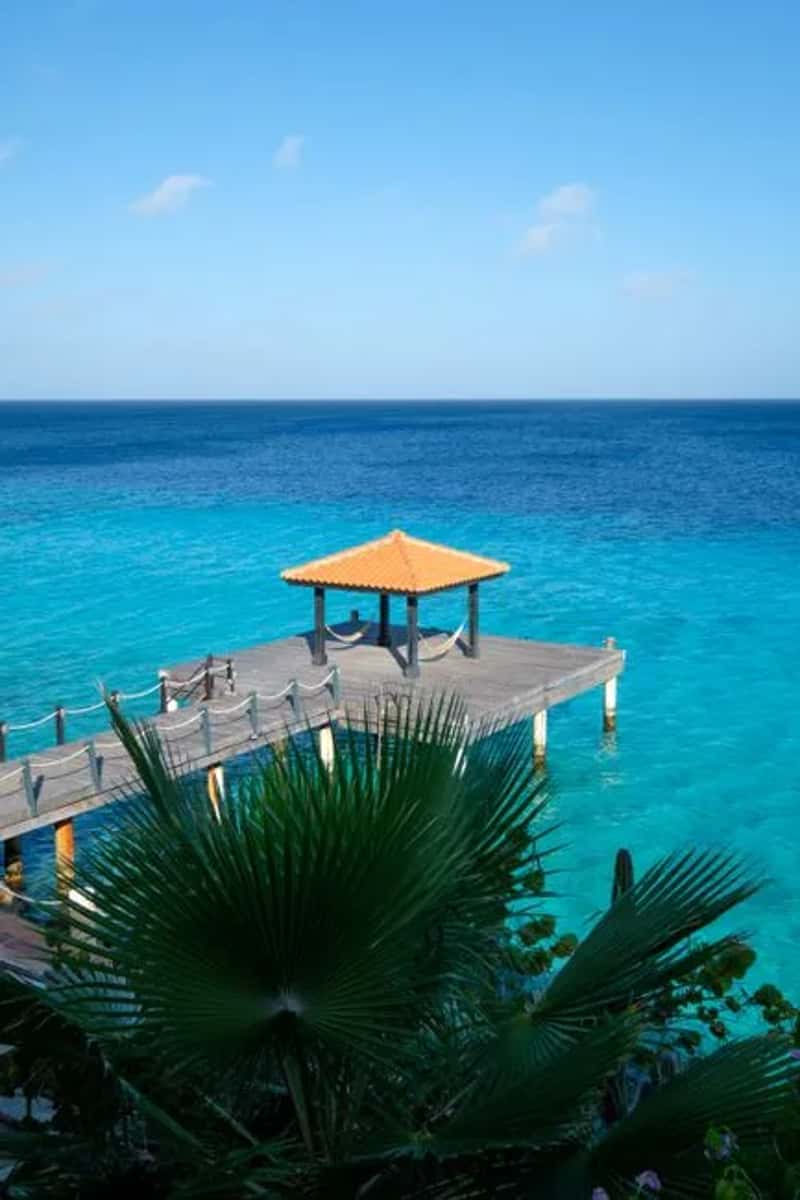
Sandals, founded in 1981 by the late Gordon “Butch” Stewart, operates all-inclusive resorts across the Caribbean under the Sandals and Beaches brands with properties in Jamaica, the Bahamas, Saint Lucia, Grenada, Barbados, and other destinations.[5] Sandals Resorts operates adults-only all-inclusive properties across Jamaica, Antigua, Saint Lucia, The Bahamas, Barbados, Grenada, Curaçao, and Saint Vincent and the Grenadines, while its Beaches brand offers family-focused resorts in Jamaica and Turks and Caicos.[9]
Sandals employs more people in the Caribbean than any other private company,[4] underscoring just how deeply the brand is woven into the region’s economy. The deal, expected to close in early 2027, would add Sandals’ 20 resorts to Royal Caribbean’s portfolio and broaden its exposure to travelers who prefer resort stays over cruises.[5]
Timeline and What Comes Next
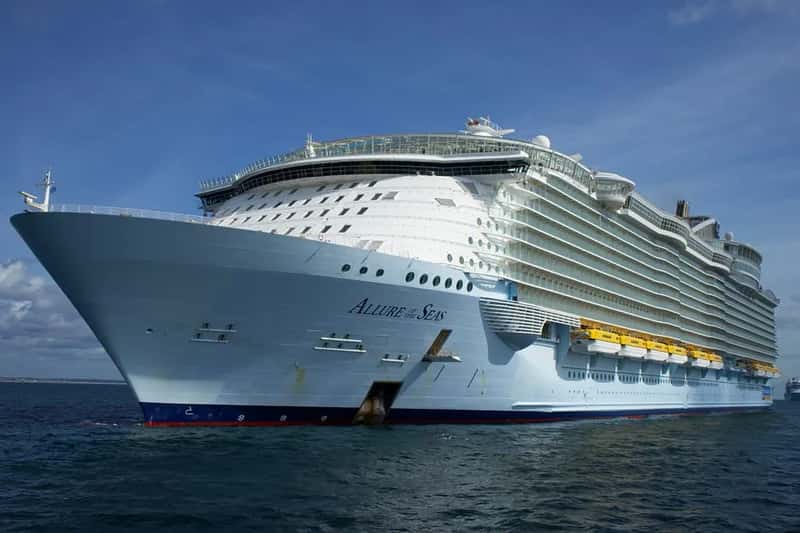
The deal is expected to close in early 2027, subject to regulatory approvals and other customary conditions, and is expected to add to earnings next year, Royal Caribbean said.[1] That timeline gives both companies room to work through the usual regulatory checkpoints before formally merging operations.
Existing reservations, loyalty programs, resort operations and cruise operations will continue as usual, with the partnership bringing additional resources to support future opportunities.[10] For everyday travelers with bookings already on the calendar, that means little should change in the short term while the corporate machinery works out the finer details behind the scenes.
A Partnership Built for the Long Haul
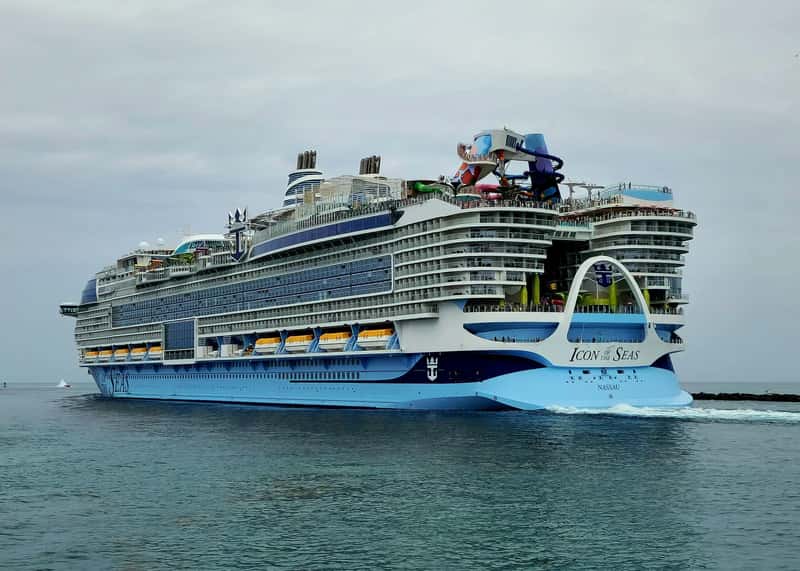
This deal marks a genuine shift in how the Caribbean travel industry is structured, bringing together a cruise powerhouse and a beloved resort brand rather than pitting them against each other for the same vacation dollar. Whether investors warm up to the price tag over time will likely depend on how quickly the joint venture delivers on its promised growth and earnings boost.
For now, the message from both companies is clear: they see more value in combining strengths than competing separately. If the partnership plays out as planned, travelers may soon find it easier than ever to mix a week at sea with a stay on Caribbean sand, all under one increasingly connected corporate umbrella.