Picture yourself in the wild heart of Africa, surrounded by some of the planet’s most incredible creatures. The dream safari you’ve been planning feels like it’s finally within reach. Yet here’s the thing: some mistakes could ruin that bucket-list experience faster than a cheetah’s sprint. Let’s be honest, nobody wants to be that tourist who accidentally puts themselves or the wildlife at risk. From feeding animals to ignoring your guide’s warnings, certain behaviors can turn your adventure into a cautionary tale.
Never Exit Your Vehicle Without Permission
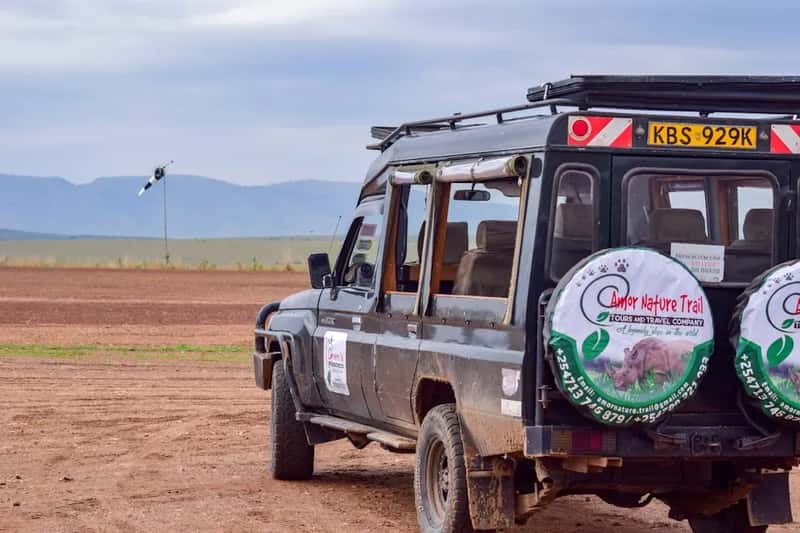
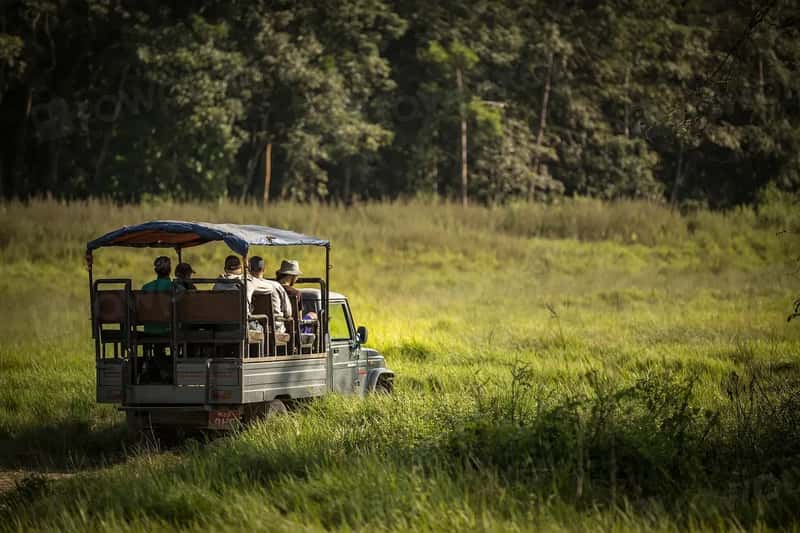
Vehicle-based safaris demonstrate even lower incident rates, with most fatalities occurring when tourists exit vehicles against direction, including a 2024 incident at South Africa’s Pilanesberg National Park, where a Spanish tourist left his vehicle against protocol to photograph elephants and was trampled. This tragedy was entirely preventable. Exiting a safari vehicle in predator zones is strictly prohibited unless advised by a guide. Think about it: your vehicle provides a protective barrier that animals recognize as non-threatening. The moment you step out, you become prey. Sensible precautions include remaining in a secure motor vehicle while in the vicinity of large mammals and rigidly observing nature reserve instructions. Trust me, that Instagram photo isn’t worth your life.
Don’t Feed or Touch Wild Animals

When animals get used to being fed, they become dangerous in the sense that they will begin to attack people and snatch food from their hands. The consequences extend far beyond a simple bite. People cannot resist the temptation to throw food, thereby signing the ultimate death sentence for that animal. Feeding not only poses risks of bites or attacks, but it also alters natural behaviors, leading to animals seeking out humans for food and creating dependence on tourists. In December 2018, a giraffe kicked a South African farm worker in the stomach, resulting in his death when he was feeding animals at a safari lodge. Even seemingly gentle giants can become lethal when human interaction disrupts their instincts.
Avoid Flying Drones Over Wildlife Areas
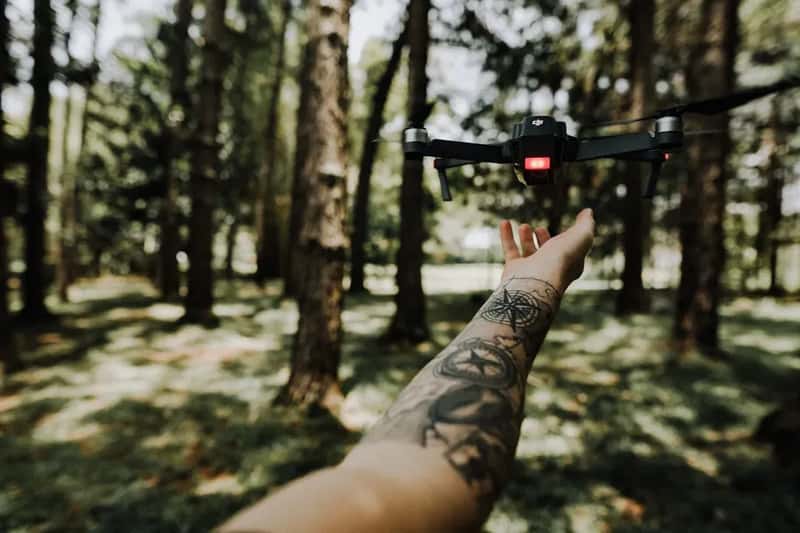
Drone photography on safari in East Africa’s national parks is highly regulated and generally restricted for recreational tourists because the noise and presence of drones can stress, frighten, and alter the natural behavior of wildlife, especially sensitive species like elephants, primates, and birds. South Africa was the first country to ban the use of unmanned aerial vehicles in all their national parks, and the consequences of breaking these no-fly zones are severe, including arrest and equipment seizure. Studies show that flying drones over animals’ heads can result in them becoming highly stressed, with incidents where inconsiderate drone use over wildebeest herds made them panicky and abandon necessary river crossings. Really, is that aerial shot worth disrupting an entire ecosystem? Most national parks offer hot air balloon safaris as legal alternatives for breathtaking views.
Skip the Bright Colors and White Clothing
Red, orange, and other luminous colours should be avoided, as bright coloured clothing makes you conspicuous to wildlife and other guests, while blue is a magnet for tsetse flies. Tsetse flies land on black nearly as much as on blue, and combined with midday heat, black attracts heat and insects in equal measure. White might look stylish in photos, but white will get filthy in a hurry, showing the dirt. Avoid wearing camouflage, white, and brightly colored clothing on safari, sticking to neutral clothing in green, beige, brown, and khaki that allows you to remain unseen while observing natural animal behavior. Honestly, neutral tones aren’t just practical – they’re part of respecting the environment you’re visiting.
Don’t Ignore Your Guide’s Instructions
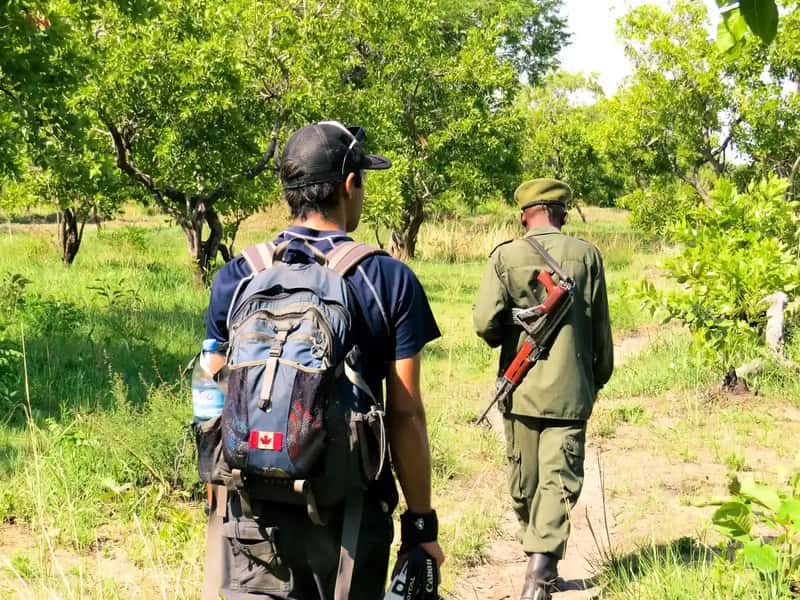
The years 2024-2025 have witnessed an unusual clustering of incidents with eight recorded fatalities, significantly above the typical annual average, despite safari tourism having one of the most impressive safety records in adventure tourism. Most walking safari incidents involve failures to follow established protocols rather than inherent flaws in the activity itself. Your guide knows animal behavior patterns intimately. Guides possess extensive training in animal behavior and environmental awareness – trust their expertise and follow their directions without hesitation because they know how to interpret wildlife signals and ensure a safe experience. Don’t get too close to animals as they are unpredictable and can move very quickly when threatened; never try to touch or feed an animal, and avoid making too much noise as animals scare easily. When someone with years of bush experience tells you to be quiet or stay still, listen.
Avoid Wandering Camp Alone at Night
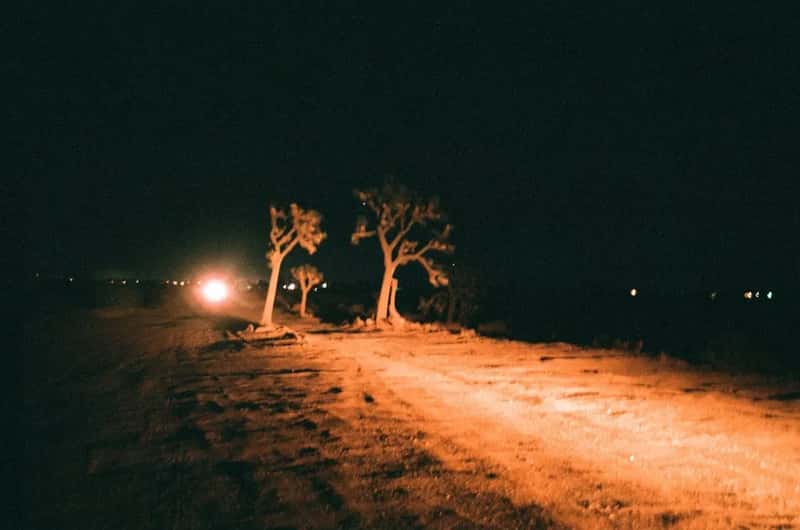
Many lodges restrict movement at night due to heightened wildlife activity, and some camps require armed escorts for guests walking to and from accommodations. Unfenced camps provide a truly immersive experience where you may hear lions calling or elephants grazing at night, with safety protocols strictly followed and staff always escorting guests after dark because most wild animals avoid human activity naturally. That rustling sound outside your tent at night? It could be anything from a curious warthog to a prowling leopard. All guests receive a safety briefing on arrival, and most camps have 24-hour Askari security who keep a lookout for animals and escort guests around camp after dark or when wildlife has been sighted nearby. It’s hard to say for sure, but wandering alone after dark is probably the easiest way to turn your safari into a nightmare.