What makes this coastal Georgian city so captivating? Is it the haunted legends whispered in dimly lit taverns, the architectural marvels that survived wars and centuries, or perhaps the undeniable warmth of Southern hospitality? Let’s dive into what makes Savannah an absolute must-visit destination that keeps travelers coming back year after year.
Forsyth Park: The Heart of Savannah’s Natural Beauty
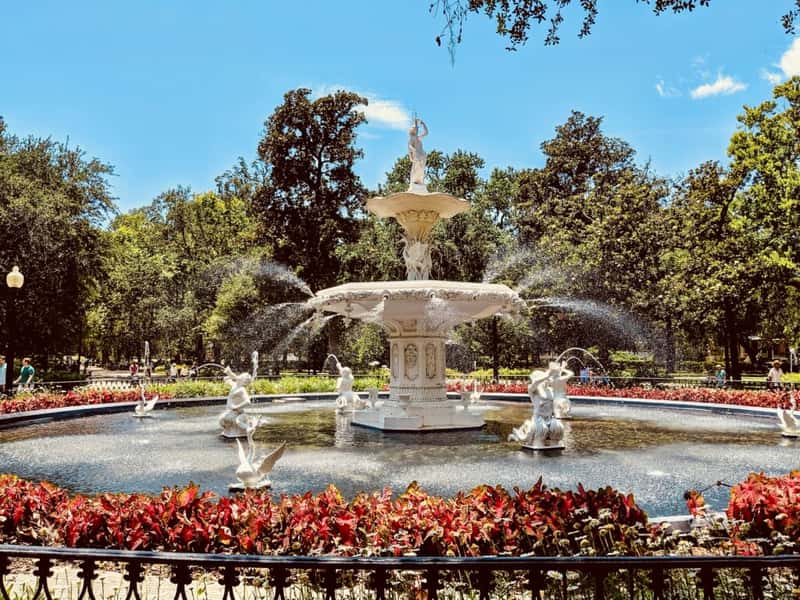
Forsyth Park sprawls across 30 acres right in the middle of the Historic District, serving as the city’s outdoor living room. The iconic fountain at its north end has become Savannah’s most photographed landmark, and for good reason. Built in 1858, this white cast-iron beauty looks even more spectacular when you see it in person, surrounded by azaleas and magnolias blooming in vibrant colors.
Local joggers, families with picnic baskets, and tourists with cameras all converge here throughout the day. I think what makes this park special is how it genuinely belongs to everyone who visits. Saturday mornings bring the Forsyth Farmers Market, where you can grab locally grown peaches that taste nothing like what you’d find in a supermarket.
The southern end of the park opens up into wide green spaces perfect for frisbee, yoga, or simply lying on a blanket with a good book. There’s something magical about spending an afternoon under those massive oaks, watching the light filter through the Spanish moss.
Historic Squares: Savannah’s Urban Planning Masterpiece
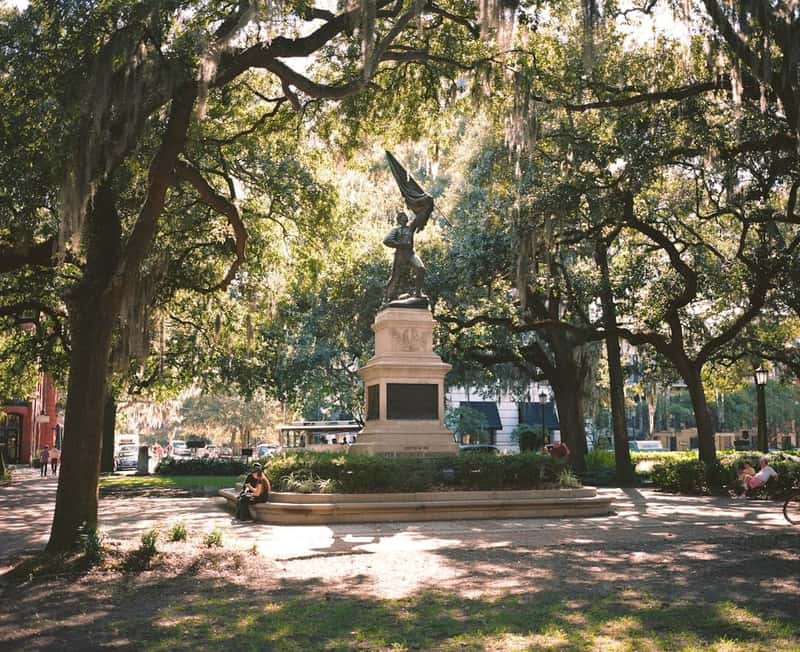
General James Oglethorpe laid out Savannah in 1733 with a grid of squares that urban planners still study today. Twenty-two of the original twenty-four squares remain, each with its own personality and hidden stories. Some are shaded retreats with benches tucked between flowering shrubs, and others feature monuments and fountains that mark significant historical events.
Chippewa Square gained fame from “Forrest Gump,” though the bench where Tom Hanks sat was just a movie prop. Still, tourists gather there hoping to recreate that iconic scene. Madison Square offers a quieter experience, with the Green-Meldrim House standing as a stunning example of Gothic Revival architecture.
Here’s the thing about these squares: they weren’t just decorative. Oglethorpe designed them as defensive positions and community gathering spaces. Walking from square to square, you’re literally following the footsteps of soldiers, merchants, and families who shaped American history. Each turn reveals another architectural gem or shaded path worth exploring.
Bonaventure Cemetery: Beauty in Unexpected Places
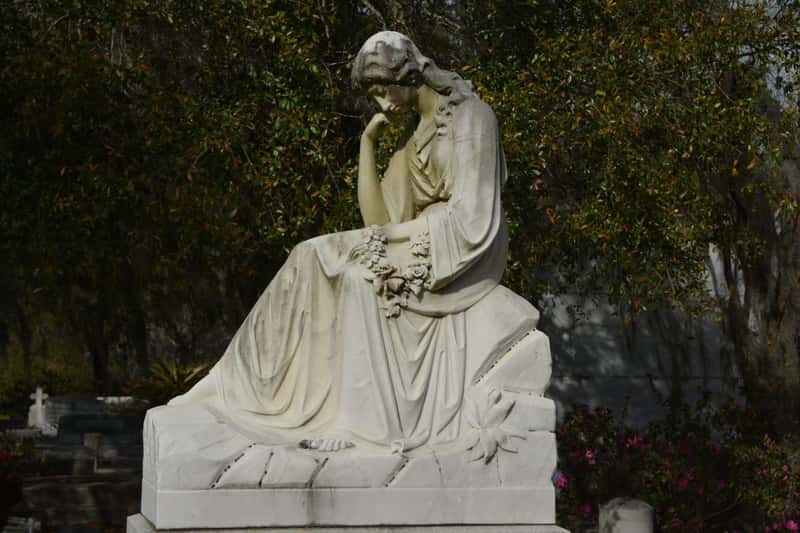
Let’s be real, suggesting a cemetery as a tourist destination might sound morbid. Yet Bonaventure Cemetery stands as one of Savannah’s most hauntingly beautiful locations. John Berendt’s “Midnight in the Garden of Good and Evil” brought this Victorian cemetery into the cultural spotlight, but its appeal goes far beyond literary fame.
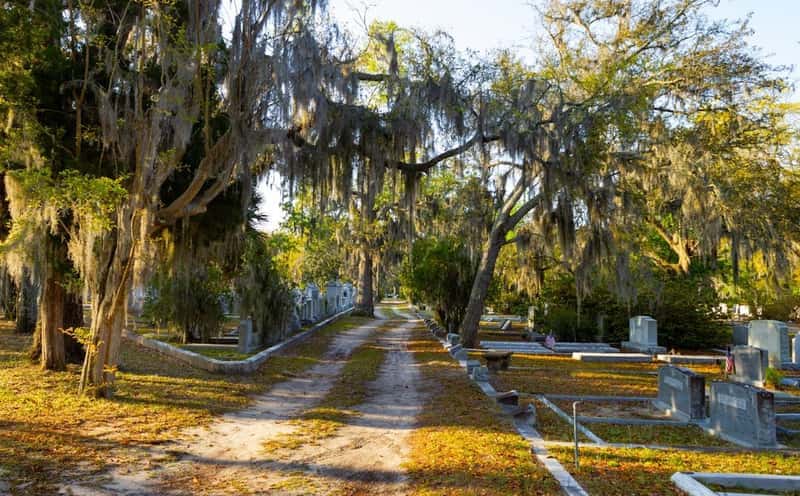
Spanish moss drapes dramatically over ancient oaks, creating natural archways above winding paths. Elaborate statuary marks graves of notable Savannahians, their stories etched in stone and bronze. The cemetery overlooks the Wilmington River, adding an unexpected element of coastal serenity to what could otherwise feel somber.
Local historians lead tours explaining the symbolism in Victorian funerary art and sharing tales of Savannah’s most colorful characters. Poet Conrad Aiken rests here, along with songwriter Johnny Mercer. It’s simultaneously peaceful and captivating, a place where Southern Gothic atmosphere meets genuine historical significance.
The Culinary Scene: Southern Cooking Elevated
Savannah’s food culture goes way beyond shrimp and grits, though you’ll find exceptional versions of that classic dish throughout the city. Chefs here take traditional Low Country recipes and add contemporary twists while respecting the techniques passed down through generations. The result? Meals that feel both comfortingly familiar and excitingly innovative.
Mrs. Wilkes’ Dining Room operates family-style, seating strangers together around communal tables laden with fried chicken, collard greens, and sweet potato soufflé. You pass bowls and platters, striking up conversations with fellow diners between bites. It sounds chaotic, but it’s actually a beautiful representation of Southern hospitality.
For upscale dining, The Grey occupies a restored Greyhound bus terminal and serves dishes that earned it a James Beard Award. Chef Mashama Bailey bridges heritage and innovation, creating plates that honor Savannah’s culinary roots while pushing boundaries. From casual cafés to fine dining establishments, the city’s restaurant scene proves Southern cooking deserves serious culinary respect.
Tybee Island: Coastal Escape Just Minutes Away
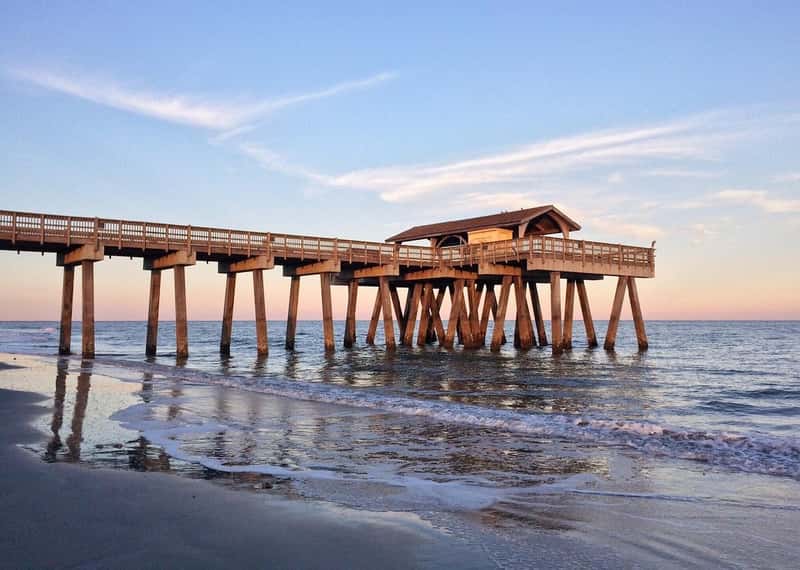
Drive eighteen miles east of downtown Savannah, and you’ll hit Tybee Island, a barrier island that feels worlds apart from the historic city center. The beach stretches wide and welcoming, without the overwhelming development that characterizes many coastal resort towns. Families stake out spots with umbrellas and coolers, kids build sandcastles, and surfers catch modest but rideable waves.
The Tybee Island Light Station has guided ships since 1736, making it one of America’s oldest lighthouses still in operation. Climb the 178 steps to the top, and you’ll get panoramic views of the Atlantic Ocean meeting marshlands in every direction. On clear days, you can see cargo ships heading toward Savannah’s port.
Local seafood shacks serve catches brought in that morning, no fancy preparation needed. Grab steamed shrimp by the pound, crack them yourself at picnic tables, and watch pelicans dive for their own dinners. It’s the kind of unpretentious coastal experience that’s becoming increasingly rare.
Architectural Diversity: From Colonial to Victorian
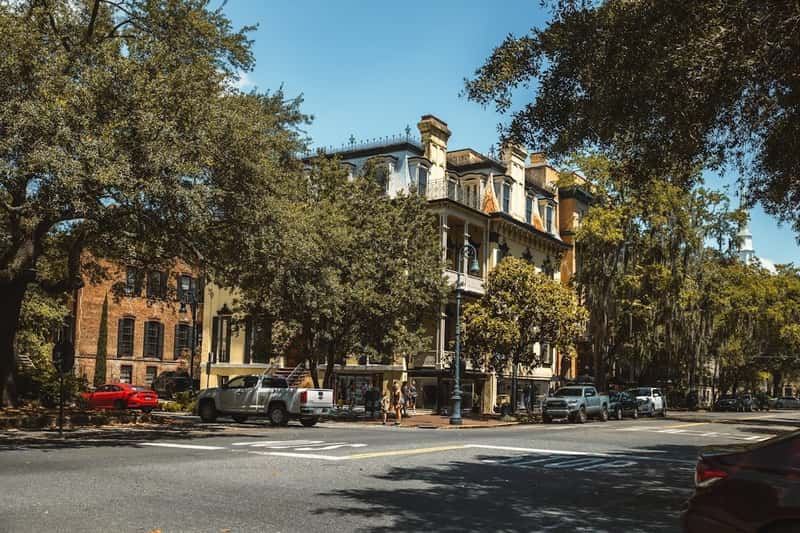
Savannah survived Sherman’s March to the Sea largely intact, which means the city showcases architectural evolution spanning three centuries. Colonial homes with tabby walls stand blocks away from ornate Victorian mansions dripping with decorative ironwork. Greek Revival, Italianate, Gothic Revival, you’ll find examples of virtually every major American architectural movement.
The Owens-Thomas House & Slave Quarters offers tours that don’t shy away from uncomfortable truths about the city’s history. The main house demonstrates Regency architecture at its finest, while the preserved slave quarters provide essential context about the labor that built Southern wealth. It’s hard to appreciate Savannah’s beauty without acknowledging the complex, often painful history behind it.
Rainbow Row on Broughton Street presents a colorful lineup of townhouses that became Instagram famous before Instagram existed. These preserved buildings now house boutiques and galleries, their bright facades creating a cheerful contrast to the more somber historical sites nearby.
The Ghost Tours: Savannah’s Supernatural Reputation
Multiple publications have dubbed Savannah “America’s most haunted city,” and locals embrace this reputation with pride. Ghost tours depart nightly from various points downtown, guides armed with EMF readers and spine-tingling stories. Whether you believe in paranormal activity or not, these tours offer entertaining perspectives on Savannah’s darker chapters.
The Sorrel-Weed House allegedly harbors multiple spirits, including that of Matilda Sorrel, who died under mysterious circumstances in 1860. Tour guides share tales of cold spots, unexplained footsteps, and apparitions spotted in windows. The atmospheric basement tour takes visitors through brick tunnels where enslaved people once lived and worked.
Moon River Brewing Company occupies a building that served as a hotel during the yellow fever epidemic. Staff report glasses flying off shelves and unexplained shadows moving through the dining areas. Skeptics can enjoy the excellent craft beer while believers soak in the allegedly haunted atmosphere. Either way, these tours add an extra layer of intrigue to already fascinating historical locations.
Southern Hospitality: More Than Just Good Manners

People talk about Southern hospitality like it’s a tourism slogan, but in Savannah, it genuinely permeates daily interactions. Strangers strike up conversations at crosswalks, shopkeepers remember your name after one visit, and locals offer directions before you even pull out your phone. This isn’t performative friendliness for tourist dollars. It’s a deeply ingrained cultural behavior.
I know it sounds crazy, but you’ll notice the difference within hours of arrival. Service at restaurants feels less transactional and more relationship-based. Even during busy periods, servers take time for genuine interactions rather than rushing through scripts. Bartenders remember your drink order, and hotel staff offer insider tips beyond standard recommendations.
This hospitality extends to how the city preserves and shares its history. Rather than sanitizing difficult chapters, many sites present complex, nuanced narratives. Guides acknowledge mistakes and atrocities alongside achievements and beauty. It’s a more honest, respectful approach that reflects deeper values than surface-level politeness.
SCAD: How Art Students Revitalized a City

The Savannah College of Art and Design fundamentally transformed the city’s trajectory starting in 1978. SCAD acquired and restored dozens of historic buildings that were crumbling into disrepair, converting them into classrooms, galleries, and student housing. The college didn’t just preserve structures; it injected youthful creative energy into a city that desperately needed economic revitalization.
Today, SCAD students and alumni populate coffee shops with laptops covered in design software stickers, staff galleries showcasing cutting-edge contemporary art, and launch businesses that blend artistic sensibility with entrepreneurial drive. The Savannah Film Festival brings celebrities and industry professionals annually, further raising the city’s cultural profile.
You’ll spot SCAD’s influence everywhere, from beautifully designed storefronts to public art installations that spark conversations. The college created a symbiotic relationship where historic preservation meets forward-thinking creativity. It’s a model other cities have tried replicating with varying degrees of success.
Conclusion: Why Savannah Captures Hearts
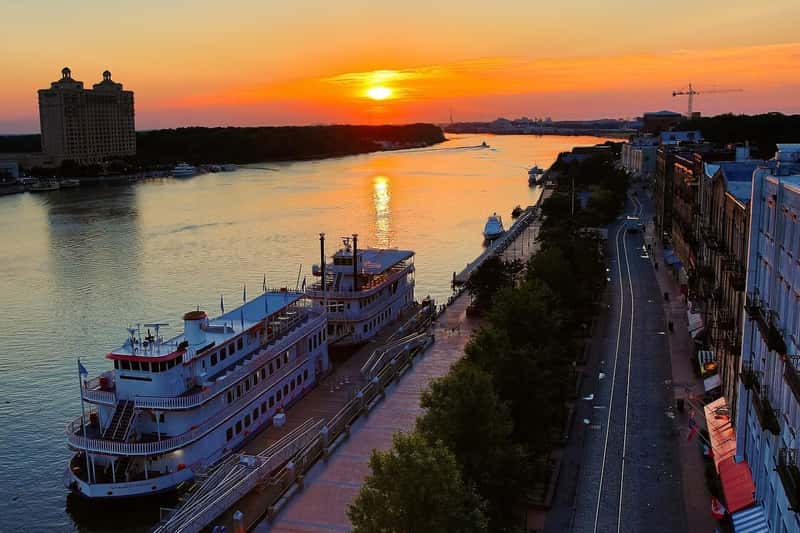
Savannah succeeds where many historic cities stumble by remaining genuinely livable rather than becoming an outdoor museum. People raise families here, start businesses, and build communities within these historic settings. That authentic daily life gives the city depth beyond its tourist attractions.
The combination of preserved history, natural coastal beauty, vibrant cultural scene, and sincere hospitality creates something special. You’ll find yourself slowing down, noticing details, and having unexpected conversations with strangers. It’s a place that rewards those who take time to truly explore rather than rushing through a checklist of landmarks.
What aspect of Savannah intrigues you most? Tell us in the comments.