Singapore – Reefs just south of the city-state have withstood colonization, war, shipping lanes and rapid industrialization for seven millennia. A recent government announcement now raises the prospect that a large share of those remaining ecosystems could be lost to land reclamation within the coming decades. The plan centers on combining several southern islands into a single new landmass dedicated to advanced manufacturing, energy infrastructure and defense needs.
The Scale of the Proposed Western Island
Prime Minister Lawrence Wong outlined the project during the National Day rally on August 23. Officials described a cluster of islands spanning roughly 590 hectares that would be joined through reclamation work phased over many years. No firm start date has been set, and planners have indicated that environmental studies are still under way. The islands involved include Pulau Semakau, already used as an offshore landfill, and Pulau Bukom, site of a major oil refinery. Pulau Sudong, Pulau Hantu, Pulau Jong and Pulau Sebarok round out the group. Together they form one of the last relatively intact marine zones near Singapore’s heavily developed southern coast.
Ecological Value at Stake
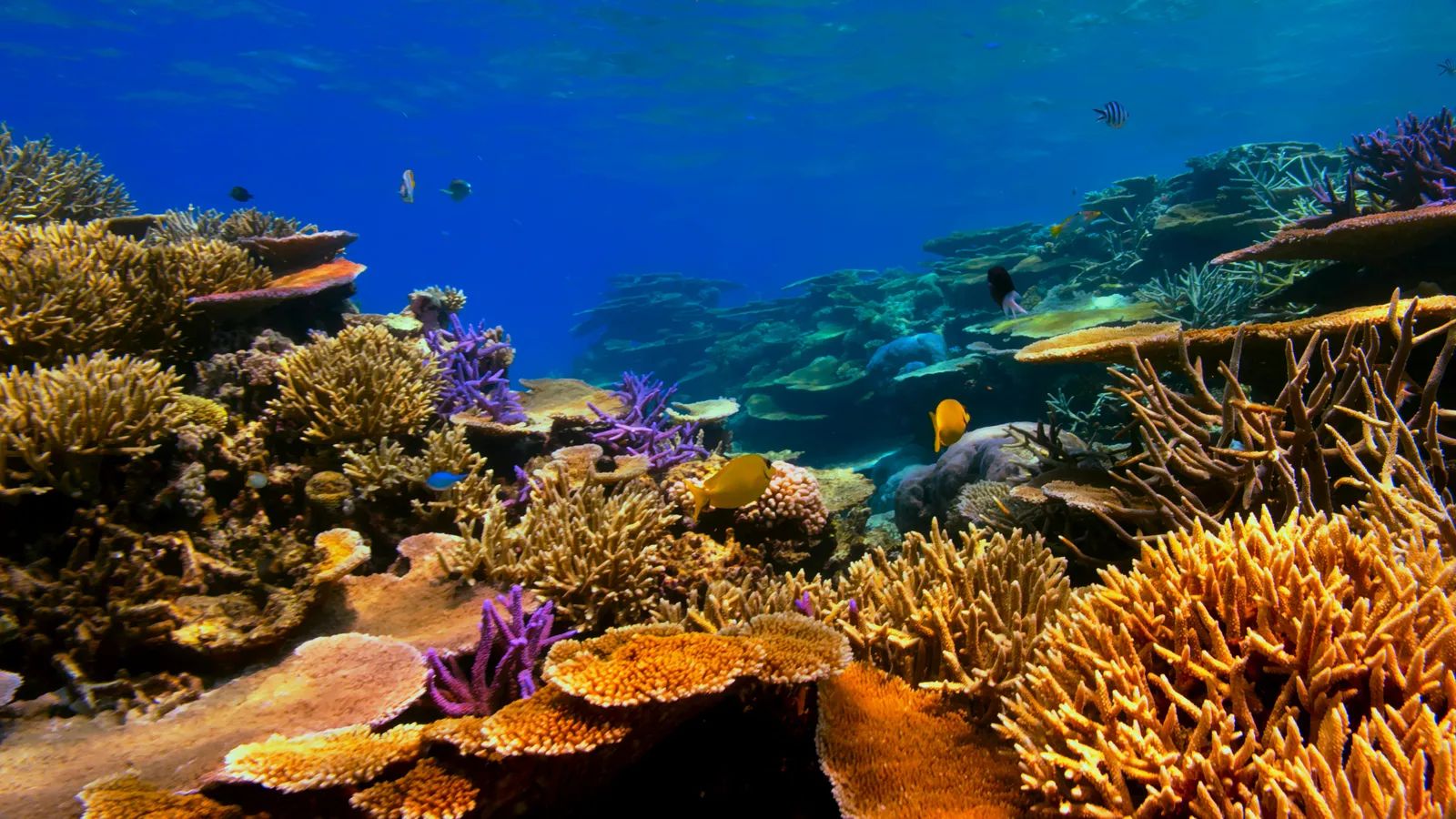
Marine biologists estimate the area holds about 60 percent of Singapore’s remaining coral reefs. It also contains 22 percent of the country’s seagrass meadows and 5 percent of its mangroves. These habitats support a range of marine life that has persisted despite intense human activity nearby. Loss of the reefs would remove critical nursery grounds and coastal protection features that have endured far longer than modern Singapore itself. Conservation groups have noted that the reefs represent one of the few places where such biodiversity has survived the city-state’s transformation into a global trade hub.
Conservation Concerns and Local Expertise
Singaporean biologist Debby Ng, who has studied the nation’s coastal ecosystems, described the reefs as survivors of repeated historical pressures. “For seven thousand years, Singapore has changed around these reefs,” she said. “They are still here.” Ng added that losing them now, during a period of relative stability and greater scientific understanding, would represent a significant setback. Marine conservation organizations have expressed alarm that the project could affect some of the country’s most biodiverse waters. They point out that the reefs have already adapted to heavy shipping traffic and past coastal modifications, yet the scale of the new reclamation raises different questions about long-term viability.
Balancing Development and Marine Protection
Government statements emphasize that the western island would support strategic economic and security priorities. Reclamation is presented as a measured response to land constraints in a densely populated nation with limited natural territory. Officials have stressed that detailed environmental assessments will guide the final design. Stakeholders in both industry and conservation now face the task of weighing those priorities against the documented ecological value of the southern islands. The absence of a fixed timeline leaves room for further technical studies and public discussion before major works begin. The reefs’ long record of resilience offers a measure of perspective, yet the current proposal marks the first time in modern peacetime that such a large portion of Singapore’s remaining marine habitats faces direct alteration. How the balance between development needs and habitat protection is struck will shape the southern seascape for generations.