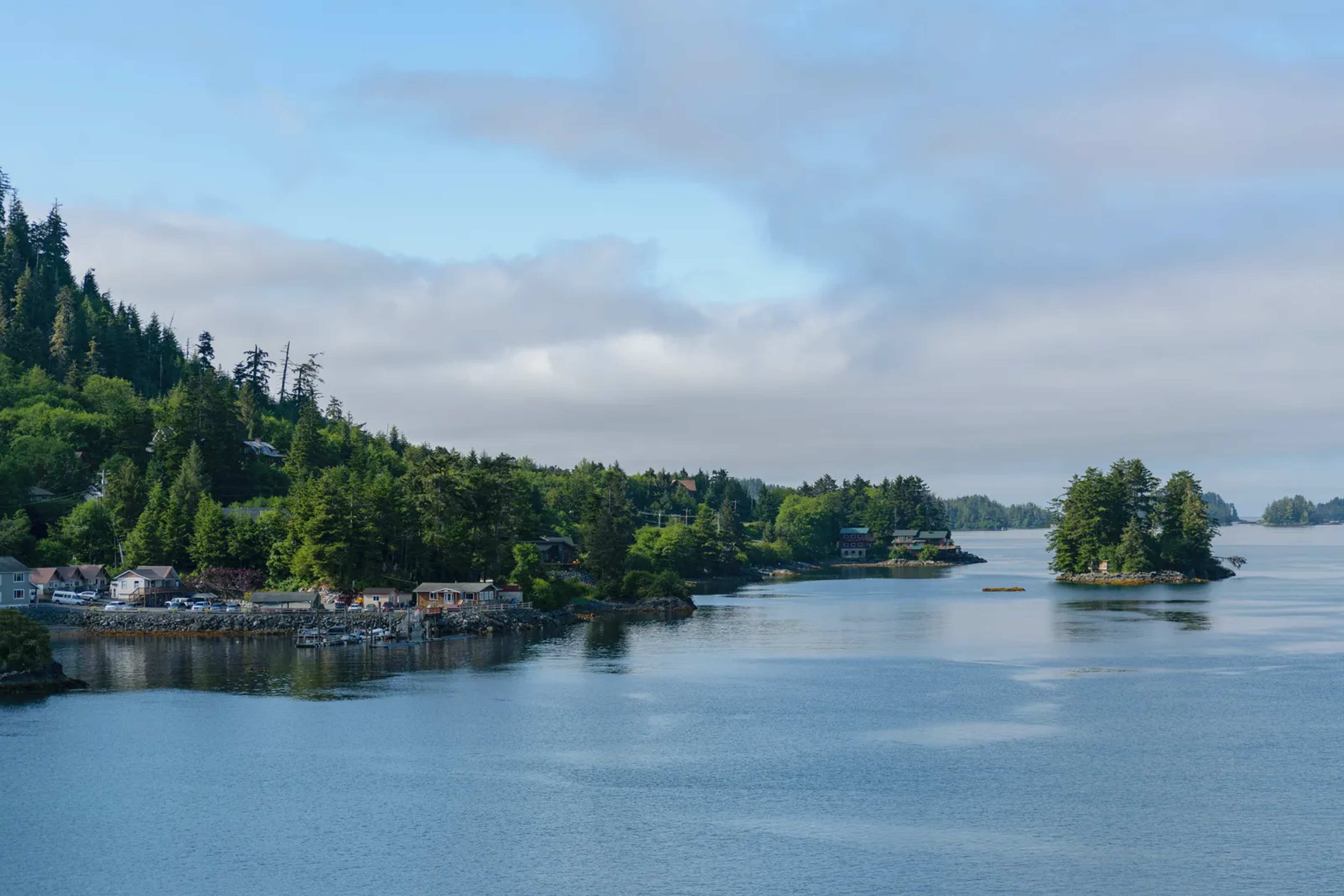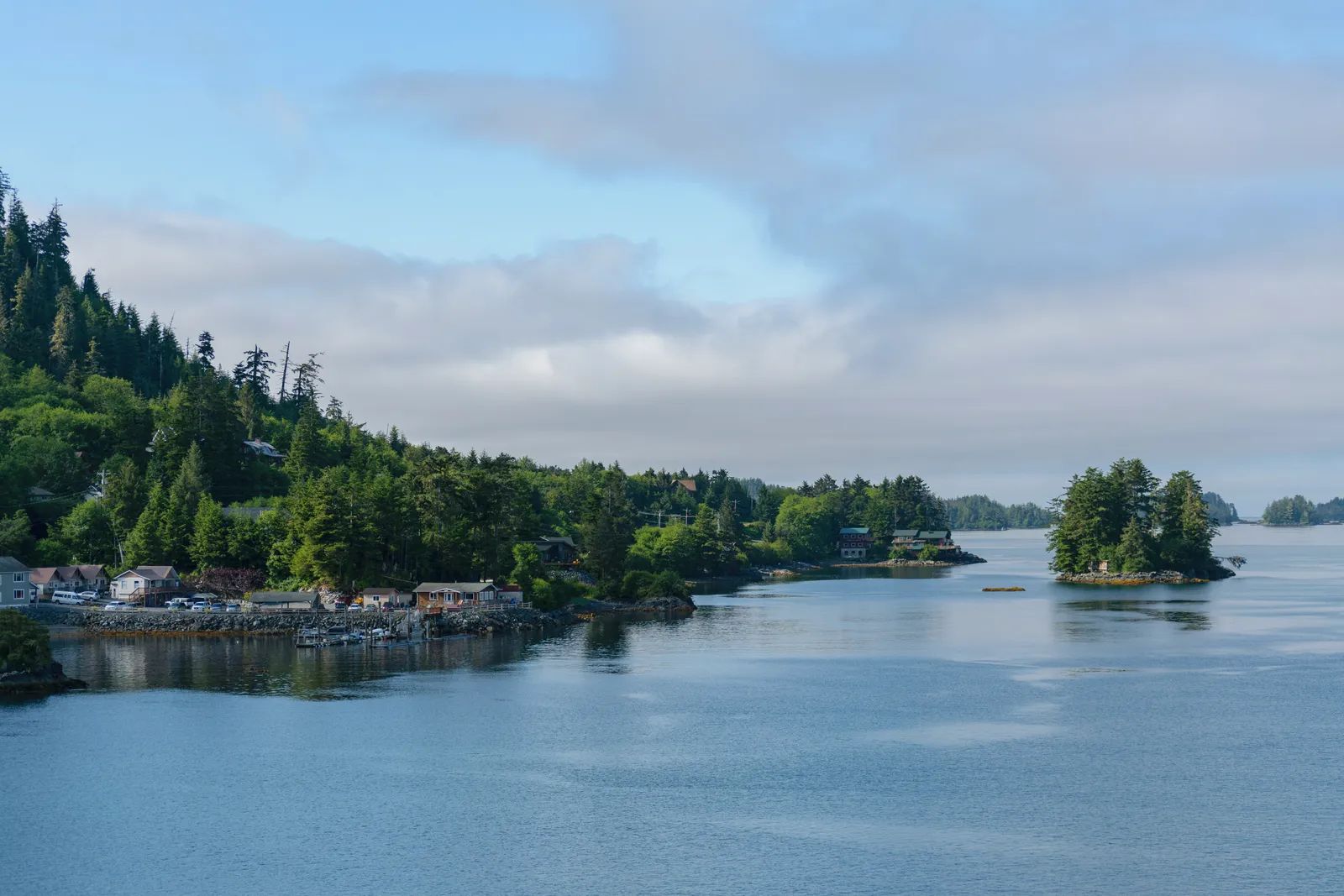
Sitka, Alaska, long overshadowed by larger Southeast ports, now sees growing numbers of cruise visitors thanks to its expanded terminal facilities. The change brings new access to a compact community that blends Russian colonial history, Tlingit culture and abundant wildlife along Baranof Island’s shores. Passengers stepping off ships encounter a port that rewards advance planning for shuttles and excursions while offering distinctive experiences not found elsewhere in the region. ([1])
Expanded Terminal Supports Increased Traffic
The Sitka Sound Cruise Terminal, upgraded in recent years, now handles up to two large vessels simultaneously. This development has lifted arrival numbers beyond previous levels and shifted most passengers from tendering in the bay to docking directly at the facility roughly six miles from downtown. Complimentary shuttles run into town, yet peak days with multiple ships require advance reservations for the outbound leg, though return trips need none.
Shore excursions arranged through cruise lines depart and return from the terminal itself. The pier area includes shops, restaurants and information desks that allow passengers to orient themselves before heading into Sitka proper. English remains the primary language, the U.S. dollar the sole currency, and the Alaska Time Zone governs daily schedules.
Russian Legacy and Tlingit Roots Shape the Town
Sitka’s history sets it apart from other Alaska cruise stops. Russian control lasted from 1799 until the 1867 Alaska Purchase, when the territory transferred to the United States for $7.2 million. Reminders of that era include St. Michael’s Orthodox Cathedral and the Russian Bishop’s House, both located within easy walking distance of the main streets.
Tlingit heritage adds another layer. The Sitka National Historical Park preserves totem poles and a visitor center that interpret the area’s Indigenous past. Downtown streets feature galleries and shops selling locally made items alongside standard cruise souvenirs, creating a compact commercial core that mixes heritage retail with everyday services.
Wildlife Centers Draw Steady Crowds
Nature-focused attractions rank among the most popular stops. The Alaska Raptor Center, a short walk from downtown, rehabilitates injured birds and offers educational programs that typically require at least an hour to explore fully. The Fortress of the Bear, opened in 2007, cares for orphaned bears and provides one of the more reliable opportunities to observe the animals during a port call.
Independent visits remain possible, yet many travelers book through cruise lines because entry lines lengthen quickly on busy days. Kayaking tours in nearby waters and wildlife cruises that may include whale or sea otter sightings round out the active options available from the pier.
Getting Around and Finding Meals
Once shuttles deliver passengers to the center of town, most sites lie within walking range. Taxis exist but often require pre-booking. Bike rentals offer another option for those wanting to cover more ground without a car, which remains largely unnecessary given the compact layout.
Dining choices range from terminal outlets serving fresh Dungeness crab and chowder to downtown spots such as the Bayview Pub and Mean Queen, both overlooking the harbor. Harbor Mountain Brewing Company, roughly a half-hour walk away, produces notable pizzas that pair well with local brews. Russian-influenced dishes at Sitka Pel’Meni provide a nod to the town’s earlier chapter.
Low-Cost Ways to Experience the Port
Visitors on tighter schedules or budgets can still see key sights without paid excursions. A stroll through the Sitka National Historical Park reaches the visitor center and totem poles at no charge. The Russian Bishop’s House, St. Michael the Archangel Orthodox Cathedral and Baranof Castle State Historic Site all stand within downtown limits and require only time on foot.
The Community Kids Playground near Lincoln Street adds a family-friendly stop. Combined with window shopping along the main streets and harbor views, these options allow a satisfying day ashore even when formal tours fill quickly.
The rise in cruise traffic has made Sitka more accessible while preserving its distinct character. Travelers who prepare for shuttle logistics and popular wildlife sites tend to leave with a clearer sense of why the port now draws repeat interest from lines seeking variety in their Alaska itineraries.