There is something quietly devastating about standing five rows deep in a sea of strangers, phone arms raised like antennae, all of you straining to catch a blurry glimpse of the Mona Lisa from 30 feet away. That is the modern museum experience at Europe’s most famous institutions, and honestly, it’s exhausting. The good news? Europe is absolutely packed with smaller, richer, more intimate galleries that most visitors walk straight past on their way to the blockbuster crowds. Some of them hold masterpieces that would cause a riot if people actually knew about them. Let’s dive in.
Why the Louvre Problem Is Very Real in 2026
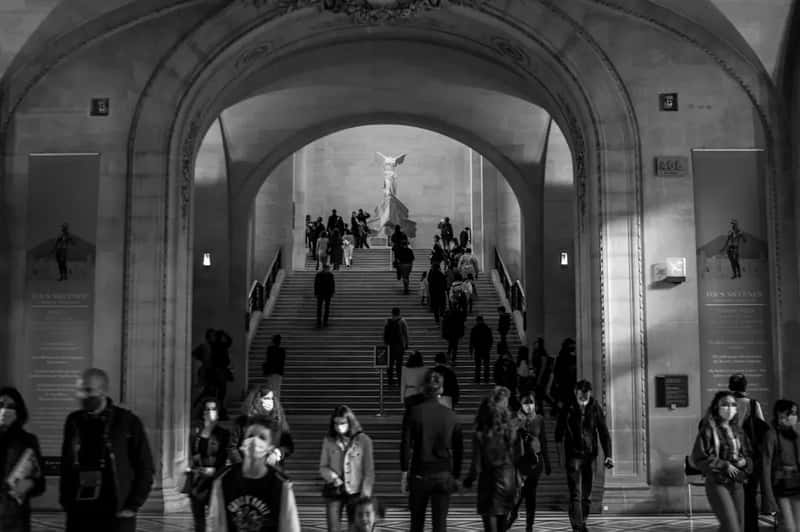
Let’s be real about the numbers first, because they are staggering. The Louvre welcomed 8.7 million visitors in 2024, with visitor numbers remaining at roughly the same levels as 2023’s 8.9 million, partly boosted by the global visibility of the Paris Olympic Games. Think about that for a moment. Nearly nine million people all funneling through the same building.
In 2024, the Louvre welcomed 8.7 million visitors, surpassing its capacity and leading to cramped conditions and longer wait times. Despite implementing a daily visitor cap of 30,000, staff report that the experience has become a daily test of endurance, with too few rest areas, limited bathrooms, and summer heat exacerbated by the pyramid’s greenhouse effect.
The museum’s director has acknowledged these challenges, describing visits as a “physical ordeal” due to overcrowding, leaks, poor catering, and inadequate facilities. The museum, originally designed to accommodate 4 million visitors annually, is now facing significant renovation costs estimated at around 500 million euros. That is not a museum experience anymore. That is an endurance event with art on the walls.
1. Galleria Doria Pamphilj, Rome, Italy
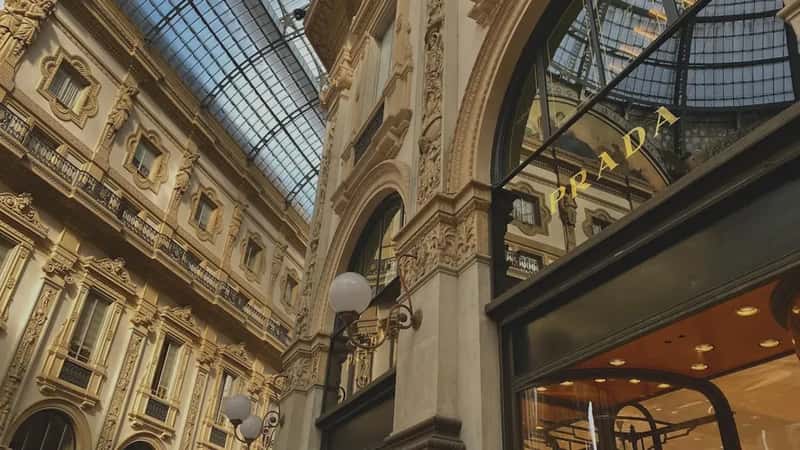
Here is the thing about Rome: most people are so fixated on the Vatican Museums and the Colosseum that they completely overlook a palace sitting right on the Via del Corso that contains one of the most remarkable private art collections in the world. I think it’s one of Europe’s best-kept secrets, full stop. The Doria Pamphilj Gallery boasts one of the largest private art collections in Europe, featuring over 650 masterpieces by renowned artists such as Caravaggio, Raphael, Titian, and Velázquez.
The collection’s crown jewel is the Portrait of Pope Innocent X by Diego Velázquez, dated 1650. This piece was painted at a time of great shifts in international politics, marked by the Papacy’s rapprochement with Spain. The powerful image portrays the face, and even soul, of the Pontiff with such great realism that he reportedly exclaimed: “Too true!”.
Unlike modern museums with sleek, minimalist displays, Palazzo Doria Pamphilj immerses visitors in the grandeur of 17th and 18th-century Rome. The gallery’s layout remains true to the original 18th-century design, with walls covered floor-to-ceiling in paintings. You’ll find very few explanatory labels; instead, artists’ names are directly inscribed on the frames, as was traditional in the 18th century. The gallery is considered one of Rome’s finest private collections but remains far from a tourist hotspot.
2. Horta Museum, Brussels, Belgium
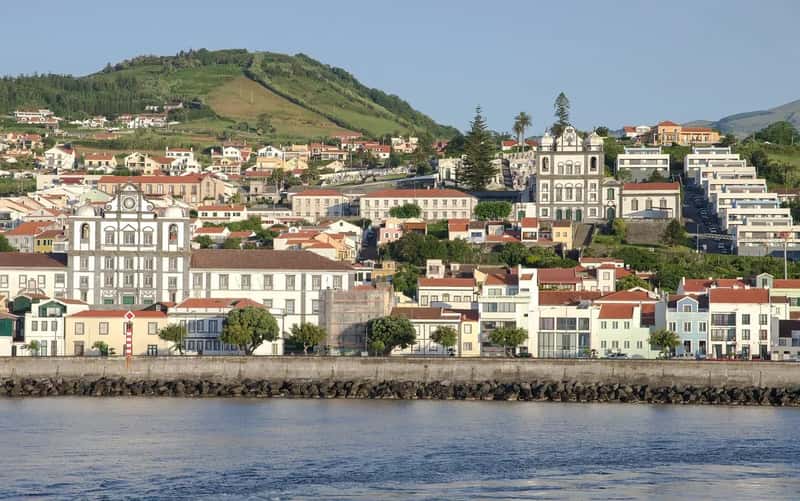
The Horta Museum in Brussels, Belgium, is dedicated to the life and work of the architect Victor Horta and his time. The museum is housed in Horta’s former town house and workshop, built between 1898 and 1901, in Art Nouveau style. Stepping inside feels a little like being swallowed by a living, organic structure. Every curve, every staircase banister, every light fitting was designed by the same mind.
Together with three other town houses of Victor Horta, it was added to the UNESCO World Heritage list in 2000 as the core of epoch-making urban residences that Horta designed before 1900. That is a UNESCO designation people in Brussels walk past without giving a second glance.
As ever more European cities complain that tourist numbers have grown to the point of making ordinary life impossible, it’s long past time to abandon checklist tourism, “must sees”, and the look-at-me locations infinitely repeated on Instagram. The Horta Museum is precisely the kind of place that rewards travelers who are willing to go slightly off-script. Small, detailed, and unforgettable.
3. FAMM (Female Artists of the Mougins Museum), Mougins, France
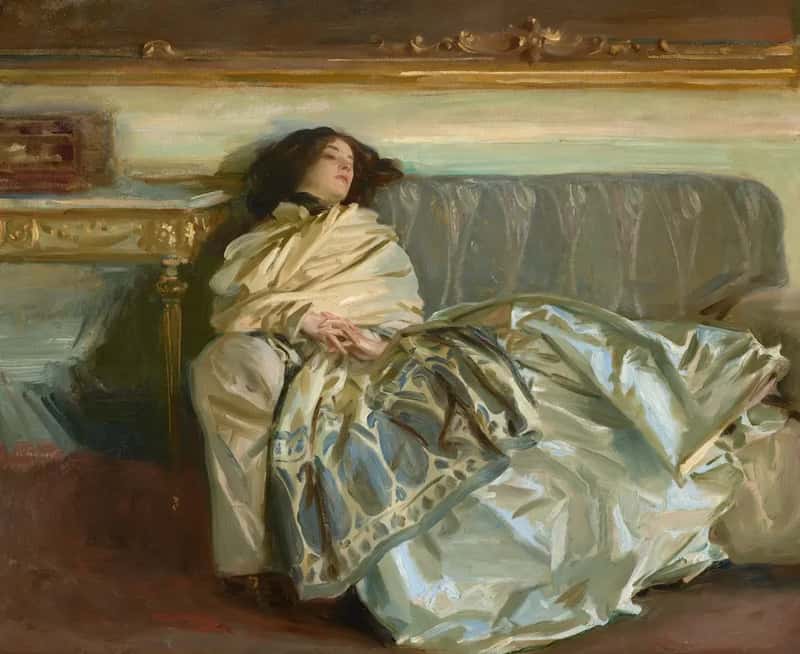
This one is genuinely brand new and genuinely surprising. On 21st June 2024, FAMM (Female Artists of the Mougins Museum), a private museum dedicated to celebrating women in the arts, officially opened its doors. Located in the heart of the historic village of Mougins, and formerly home to the MACM (Mougins Museum of Classical Art), the museum spans four floors.
The FAMM opened in June 2024 in the French Riviera village of Mougins, becoming Europe’s first art museum dedicated entirely to female artists. That alone makes it worth the trip. This newly transformed space features a stunning collection of nearly 100 works by 90 internationally acclaimed female artists. The impressive exhibition of paintings, sculptures, and photographs highlights the creative brilliance of women who have played pivotal roles in shaping some of the major artistic movements, from Impressionism to contemporary art.
The wider Levett art collection features a growing selection of almost 600 works by women artists, which will be exhibited through regular rotations at the museum, helping to provide visitors with a very special art experience. Mougins itself is a medieval hilltop village near Cannes, with the kind of slow-paced charm that makes the whole visit feel cinematic. Go now, before the world catches on.
4. Musée Carnavalet, Paris, France
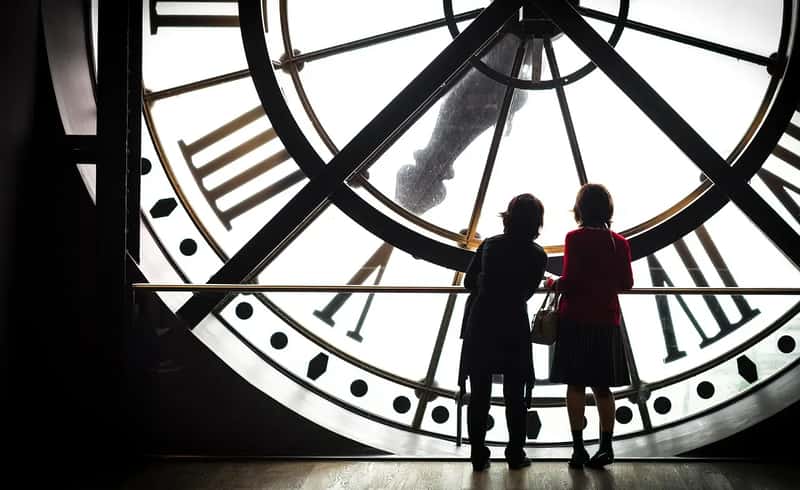
Most Paris visitors skip straight to the Louvre, the Musée d’Orsay, or the Centre Pompidou, and completely miss one of the finest city history museums in the world, which also happens to be free. The Musée Carnavalet tells the history of Paris in a compelling way through thousands of artifacts and priceless art. It covers everything from ancient Celtic settlements to the French Revolution to Haussman’s grand boulevards.
City history museums like this are never crowded, and they give a historical perspective on the city that blockbuster institutions simply cannot. The Carnavalet museum in Paris, for instance, offers endless fascinating information about Paris, told through objects, rooms, and art. One room even contains Marcel Proust’s cork-lined bedroom, reconstructed in full. It is the sort of detail that stops you cold in your tracks.
Honestly, I think Carnavalet is one of the most underrated museums in all of Europe. It is housed in a series of interconnected Renaissance mansions in the Marais district, and the building itself is extraordinary. Most days, you can wander its galleries in near-complete silence, which as it turns out, is exactly what art deserves.
5. Ernst Fuchs Museum, Vienna, Austria
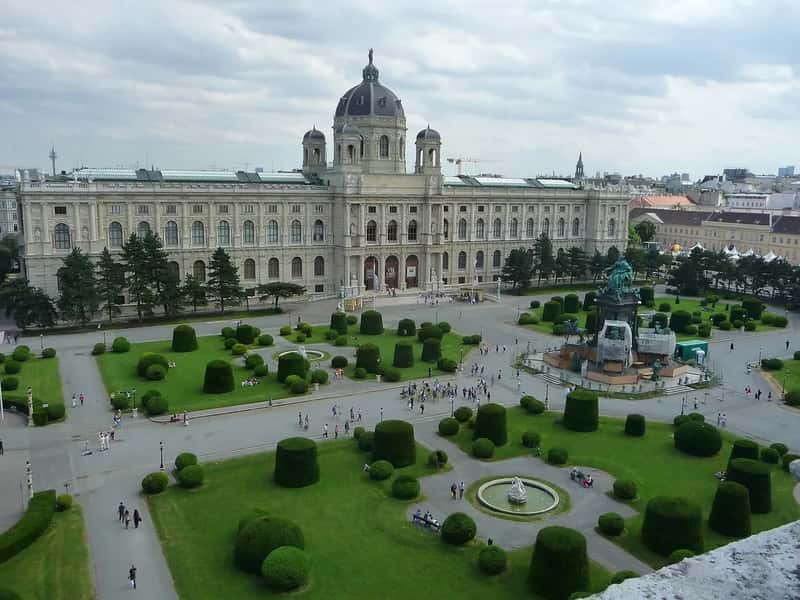
Vienna has the Kunsthistorisches Museum, the Albertina, the Belvedere. So naturally, everyone piles into those. Meanwhile, the Ernst Fuchs Museum sits serenely in a Wagner Villa on the city’s outskirts, nearly forgotten by the tourist trail. Museums such as the Ernst Fuchs Museum are typically far quieter than blockbuster institutions.
Ernst Fuchs was a co-founder of the Vienna School of Fantastic Realism, a movement that blended meticulous Old Master technique with surrealistic, mythological imagery. The results are visually overwhelming in the best possible way. Think of it as the fever dream cousin of Renaissance painting, technically astonishing and genuinely strange.
Often housed in an artist’s former home or a purpose-built space designed to reflect their ideas, single-artist museums provide an intimate, deeply personal encounter with art. They are usually much quieter and less crowded than Europe’s blockbuster museums, making them ideal for artsy travelers who value depth, atmosphere, and meaningful engagement over ticking boxes. The Ernst Fuchs Museum is a masterclass in exactly that kind of encounter.
6. Musée National Eugène Delacroix, Paris, France
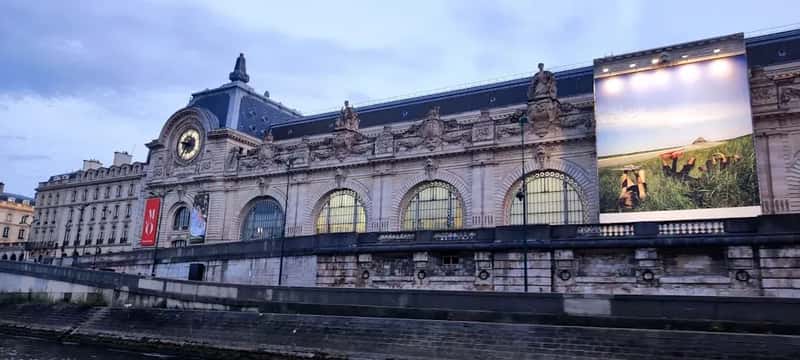
Here is another Paris gem that most visitors manage to completely ignore, even though it is minutes from the Luxembourg Gardens. Reopened in March 2024 following a six-month renovation campaign, the Musée National Eugène Delacroix welcomed 56,000 visitors to its exhibitions. To put that in perspective, the Louvre sees roughly that many people in less than three days. The contrast is almost comic.
The museum is housed in Delacroix’s own apartment and studio, where he lived from 1857 until his death in 1863. There is a small, walled garden attached that feels genuinely hidden from the rest of Paris. Single-artist museums reveal what large museums often can’t: the inner logic of an artist’s imagination and the context in which their work was created.
Delacroix is best known for “Liberty Leading the People,” which hangs in the Louvre. But to understand what that painting actually came from, visiting this quiet studio apartment in Saint-Germain-des-Prés is far more revealing than spending three minutes in an overcrowded Louvre gallery fighting for a sightline. It is a place that rewards slow, quiet attention.
7. Galleria Borghese, Rome, Italy
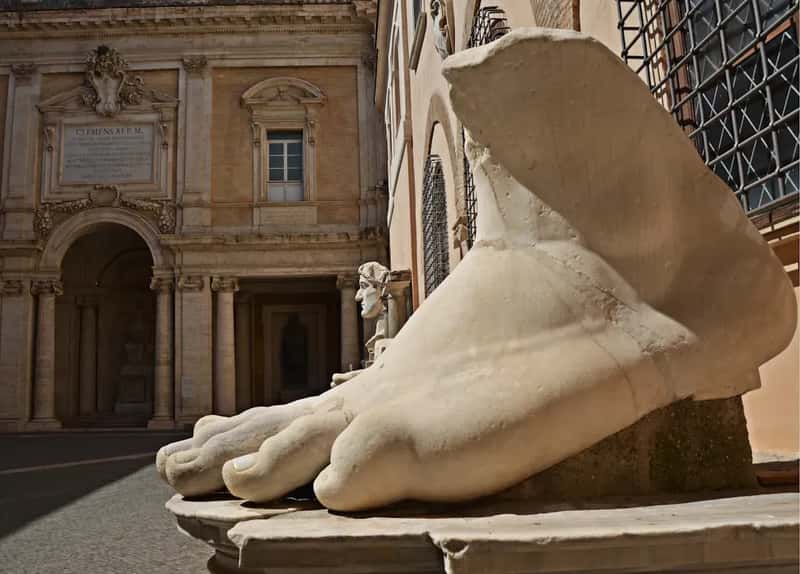
Wait, I know what you’re thinking. The Borghese? Isn’t that well-known? It is, but because of its strict ticketing system, it remains one of Europe’s most intimate major gallery experiences. While world-famous museums like the Louvre or the Rijksmuseum deserve their reputations, they can also be crowded, overwhelming, and exhausting. The focus should instead be on small, unique, and lesser-known museums in Europe, places that offer intimate experiences, surprising collections, and the chance to connect more deeply with art, history, and culture.
The Borghese caps entry at just 360 visitors per two-hour session, which means you will never be elbow-to-elbow with a heaving crowd. The collection inside is, without exaggeration, jaw-dropping. Bernini sculptures that look like they are breathing. Caravaggio paintings that feel almost violent in their realism. Titian canvases dripping with gold and shadow.
Whether you’re walking through a former family home, a restored historic villa, or a bold modernist structure, these museums offer an experience that feels personal, immersive, and quietly unforgettable. The Borghese is all of that. The garden surrounding the villa is a landscape park open to the public free of charge, which makes the whole afternoon feel almost absurdly pleasant.
What Makes Small Museums So Much Better
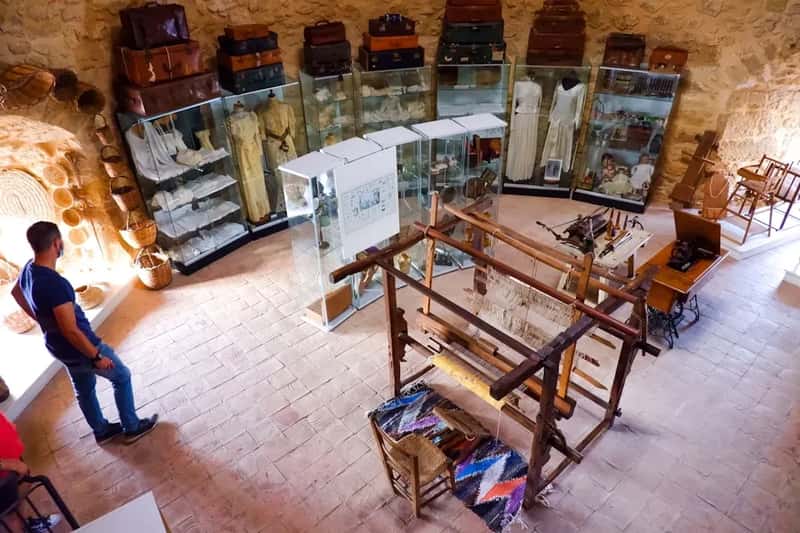
Small, focused collections let you explore deeply without the crowds or fatigue of mega-museums. They offer specialty themes you won’t find elsewhere, and they’re housed in remarkable buildings, including former palaces, monasteries, bunkers, castles, and historic canal houses. That variety is something no single mega-museum can ever replicate.
In crowded galleries, it can be nearly impossible to get a clear view of popular artworks. Visitors end up seeing the backs of heads and a sea of phones rather than the art itself. Large crowds generate a lot of noise, making it difficult to concentrate, read labels, or hear audio guides, diminishing the contemplative atmosphere a museum should ideally provide.
There is a metaphor here that I keep coming back to. Visiting the Louvre in peak summer is like trying to have a meaningful conversation at a stadium concert. Visiting a small, well-curated museum is like having that same conversation in someone’s living room, with good lighting and space to think. The art does not change. Your ability to actually feel it does.
The Tourist Overcrowding Problem Is Getting Worse
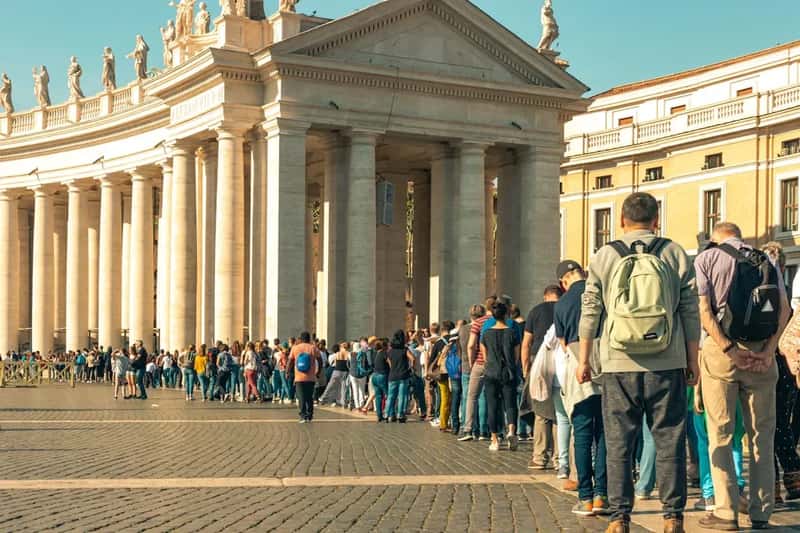
As ever more European cities complain that tourist numbers have grown to the point of making ordinary life impossible, even the most popular cities have corners of interest that see few visitors, and museums and other places of historical relevance in which you may find yourself perusing the displays alone, which, these days, is true luxury.
It’s long past time to abandon checklist tourism, “must sees,” and the look-at-me locations infinitely repeated on Instagram. Even in the most visited European cities, such as Rome and Prague, there are museums and places of historical relevance that offer respite from crowds. The checklist mentality is actively making people miserable, and it is doing nothing for the art.
It’s hard to say for sure, but I genuinely believe the next decade will see a shift in how smart travelers approach European cultural tourism. The data on Louvre overcrowding is already prompting conversations about moving collections, building satellite museums, and capping access even more aggressively. The crowd is getting harder to escape at the famous places. Meanwhile, the small museums sit quietly, mostly empty, waiting.
How to Find Your Own Hidden Museum
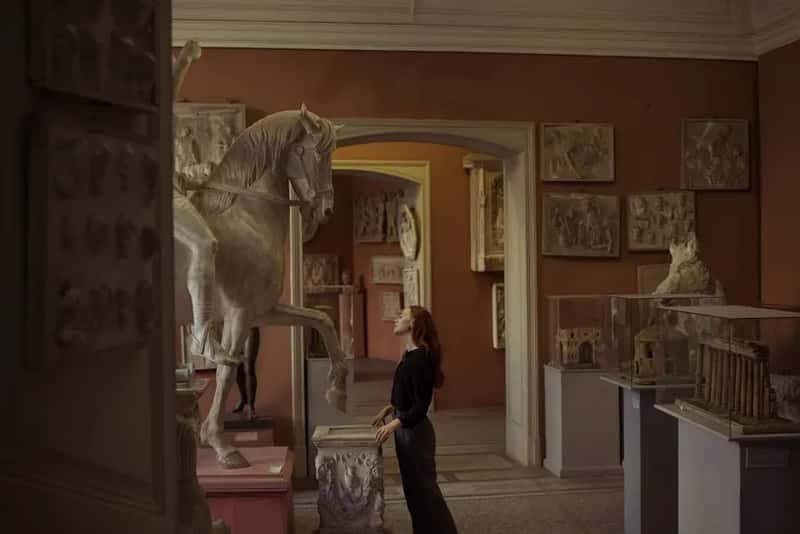
Looking back at recent European travels, most of the best sightseeing experiences fall into a few categories that go beyond the predictable churches, castles, monuments, and big-name art museums. The best approach is a broad-strokes look at types of sights that are especially rewarding but easy to overlook.
Small, focused collections offer specialty themes you won’t find elsewhere, from cats and neon signs to wine, tiles, and female artists. They’re housed in remarkable buildings including former palaces, monasteries, bunkers, castles, and historic canal houses, and they offer an immersive, personal experience, often with space to linger and reflect. The key to finding them is simple: resist the pull of the most famous name in any given city.
Ask a local, wander a neighborhood off the tourist grid, look for the building that does not have a queue outside it. Europe’s greatest art is not always behind the most famous doors. Sometimes it is down a side street, behind an unmarked facade, in a medieval hilltop village on the French Riviera, or inside a living palace that happens to still have its original family in residence. The less crowded the room, the more likely you are to actually feel what you came to feel. What would you choose: standing in a crowd of thousands, or standing alone in front of a Velázquez?