

Spain is bracing for another record year of visitors, and tourism officials are using the moment to send a clear message to travellers planning their next trip. The warning is not about pickpockets, sunburn, or missed trains. It is about how people move through the country once they arrive, and it could change the way you plan your itinerary for good.
According to Spain’s national tourism authorities, the single biggest mistake holidaymakers keep making is sticking rigidly to the same handful of famous cities and coastal resorts instead of exploring the rest of the country. That habit, repeated by tens of millions of visitors every year, is now at the centre of a major shift in Spanish tourism policy.
The One Mistake Spain Wants Tourists to Stop Making
Speaking at the Arabian Travel Market in Dubai, Carlos Ruiz Gonzalez, director of the Spanish Tourist Office for the Gulf region at Turespana, outlined the country’s Tourism 2030 strategy, which puts residents, sustainability and less-visited destinations at the centre of Spain’s future tourism policy.[1] The core idea is simple. Tourists keep funnelling into the same well-known spots, and that pattern is putting unsustainable pressure on a small number of places while leaving much of the country underused.
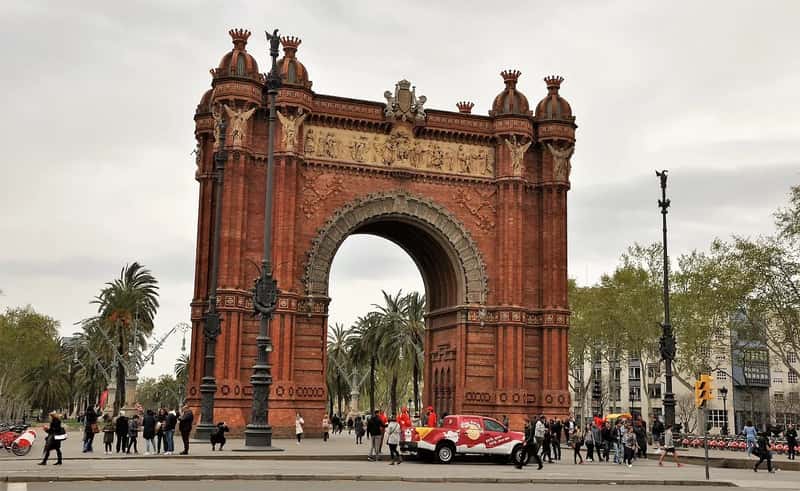
For holidaymakers, the biggest change could be a shift away from the traditional approach of ticking off Spain’s best-known attractions as quickly as possible. Rather than discouraging visitors from destinations such as Barcelona, Spain wants tourists to spread their trips across more of the country, travel more slowly and stay for longer.[2] In other words, the mistake is not visiting Barcelona or the Costa del Sol. It is treating those places as the whole of Spain instead of one part of it.
Why Spain Is Sounding the Alarm Now
This warning comes as Spain approaches another milestone year for tourism numbers. Spain is on course to welcome around 100 million international visitors in 2026, but as concerns over overtourism continue to grow, the country is changing how it manages the millions of people arriving each year.[1] That follows an already enormous 2025, when the country welcomed 96.8 million international tourists in 2025, while tourism contributes around 12.6% of GDP and supports approximately three million jobs.[1]
Those figures explain why officials are speaking so directly. Tourism is not a side industry in Spain, it is one of the pillars of the national economy. Still, the sheer scale of arrivals concentrated in a handful of cities and coastlines has created visible strain, from crowded historic centres to housing pressures in the most popular neighbourhoods.
Destinations “Dying of Success”
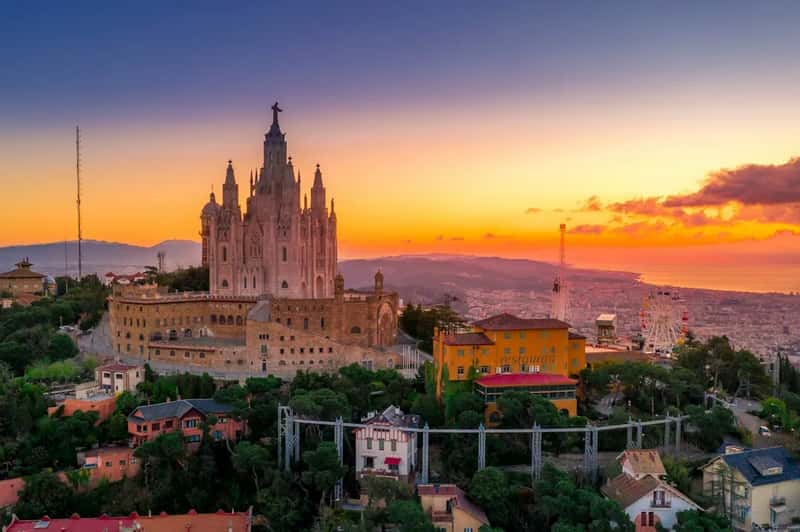
Ruiz Gonzalez did not mince words when describing the situation in Spain’s most photographed locations. “For the last few years, our government has been thinking about what we should do to manage this success,” he said. “We have some destinations that are dying of success.”[1] It is a striking phrase, and it captures the paradox at the heart of Spanish tourism right now.
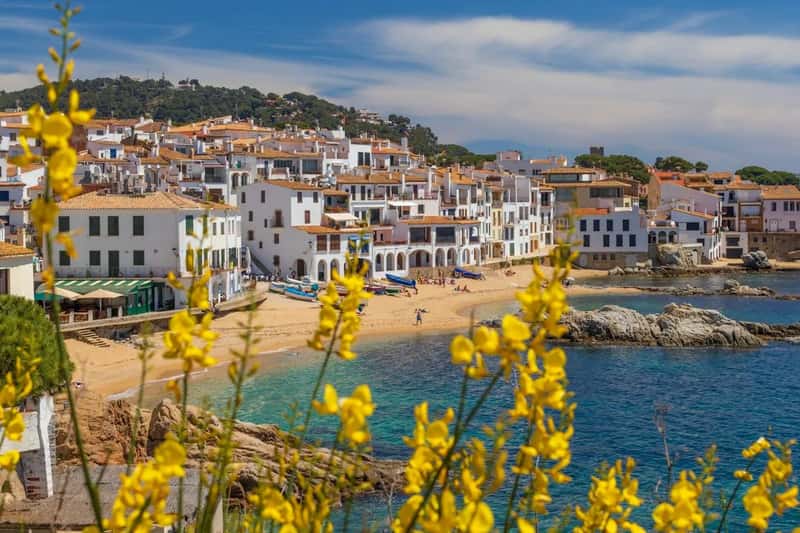
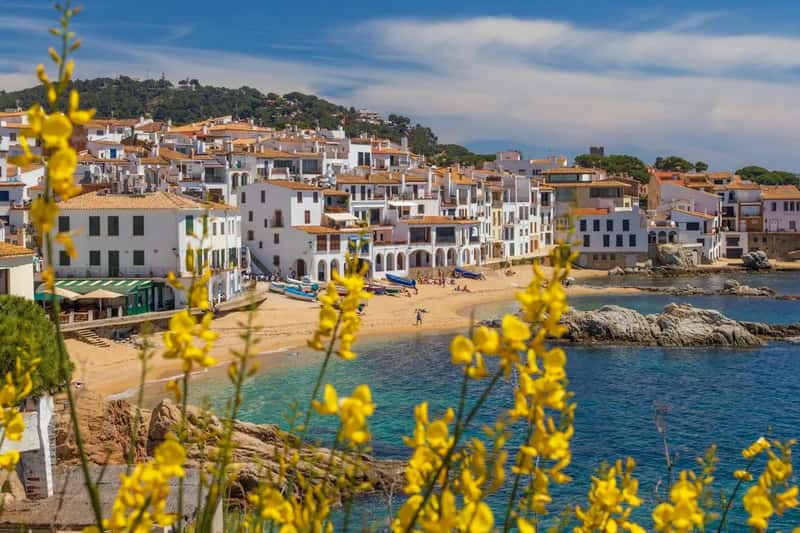
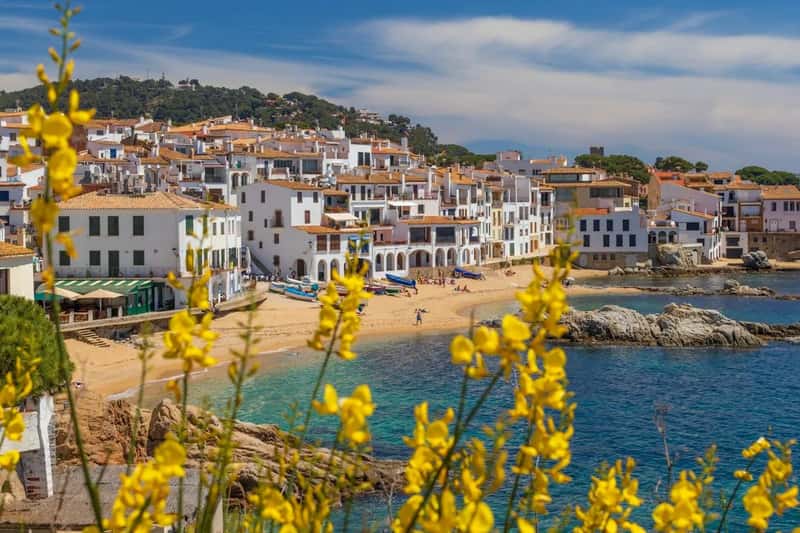
The places that made Spain famous, from Gaudí’s Barcelona to the whitewashed villages of the coast, are so successful at attracting visitors that the experience risks being undermined by its own popularity. Spain’s most popular destinations, including Barcelona and established coastal resorts, continue to attract huge numbers of visitors.[1] Meanwhile, many inland and rural parts of the country are seeking to benefit more from international tourism.[1]
Inside the Tourism 2030 Strategy
The plan behind this messaging is not a vague suggestion but a formal government roadmap. Spain Tourism 2030 was developed with input from more than 200 tourism experts, businesses, government bodies and other organisations, and its three-phase roadmap addresses economic, social and environmental sustainability through a series of two-year action plans.[2] This is a long-term structural effort, not a single season’s marketing push.
The strategy names the pressure points directly. Among the issues identified are climate change, employment, housing pressures, overcrowding and depopulation in some regions.[2] It is a rare example of a government tourism plan acknowledging that too many visitors in one place and too few in another are both problems worth solving at the same time.
Putting Residents Back at the Centre
One of the more notable aspects of the strategy is who it is actually designed for. Residents are explicitly included as one of five groups at the heart of the strategy, alongside destinations, businesses, tourism workers and visitors.[2] That is a meaningful shift in how a country typically talks about tourism, which is usually framed almost entirely around the visitor experience.
Ruiz Gonzalez explained the reasoning behind this focus plainly. “We want the residents also to be part of the system,” he said, adding that tourists visit places where people live, meaning residents need to be able to continue living there, afford housing and go about their daily lives without being overwhelmed by tourism.[2] It is a reminder that the postcard version of a destination is still someone’s actual neighbourhood.
Where Spain Wants You to Go Instead
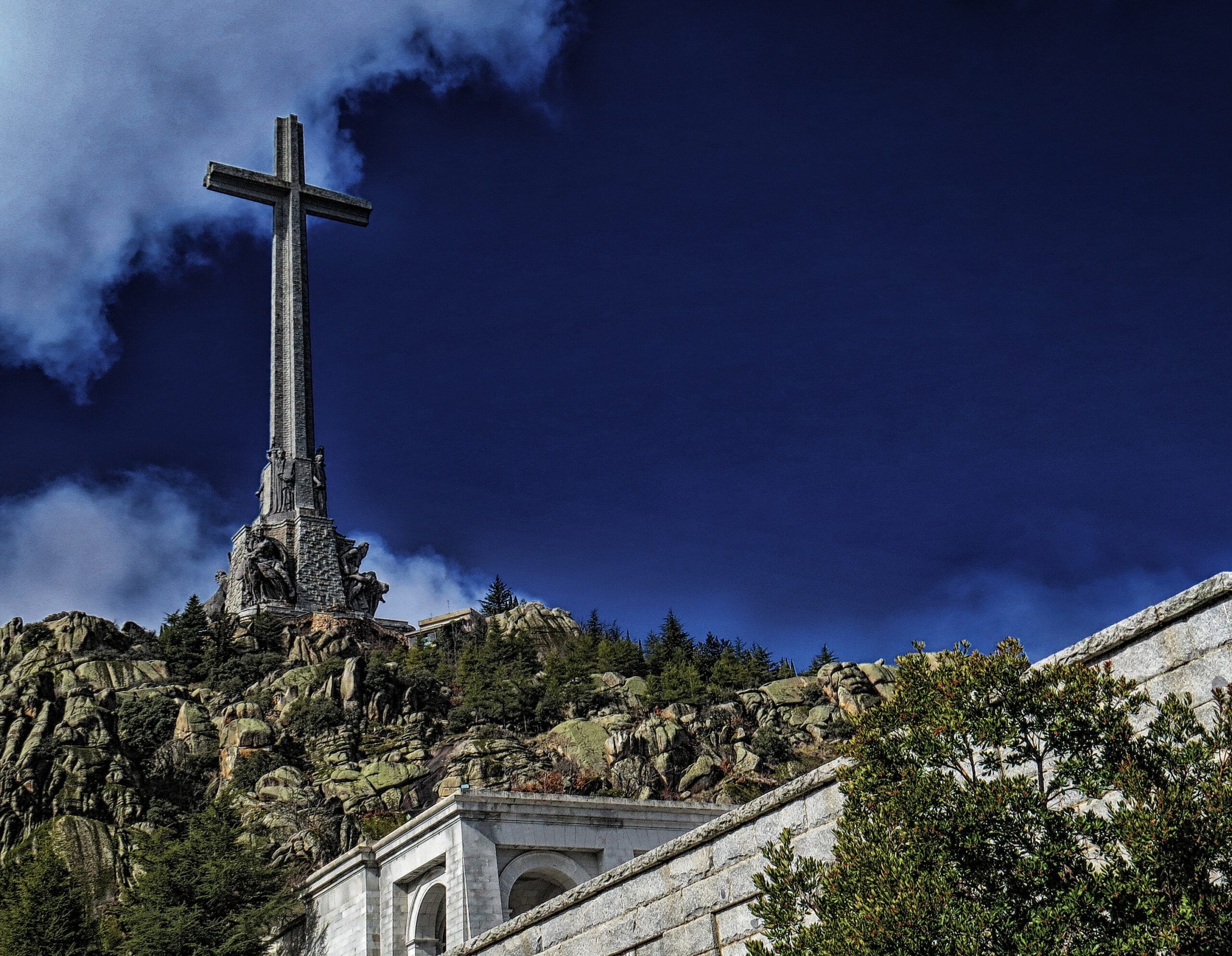
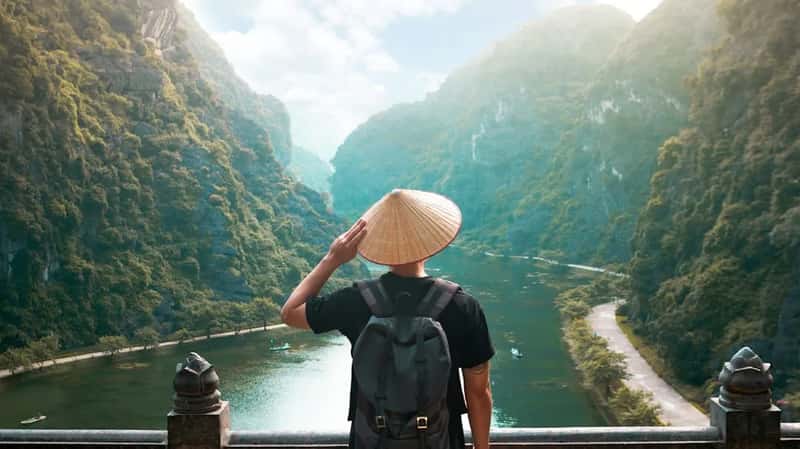
Rather than simply asking people to stay away from the busiest spots, Spanish tourism officials are actively pointing travellers toward specific alternatives. Travellers interested in hiking and nature were pointed towards destinations including the Pyrenees, Picos de Europa and Sierra de Guadarrama, the latter being a national park within easy reach of Madrid.[1] These regions offer dramatic landscapes without the density of visitors found on the coast.
History and culture lovers have not been left out either. The historic cities and smaller towns of Castilla were also highlighted as places where visitors can experience another side of Spain.[1] As Ruiz Gonzalez put it, “Some destinations don’t need much promotion – they are very well known. Basically, we want people to go more inland in Spain.”[2]
Slow Travel Over the Checklist Approach
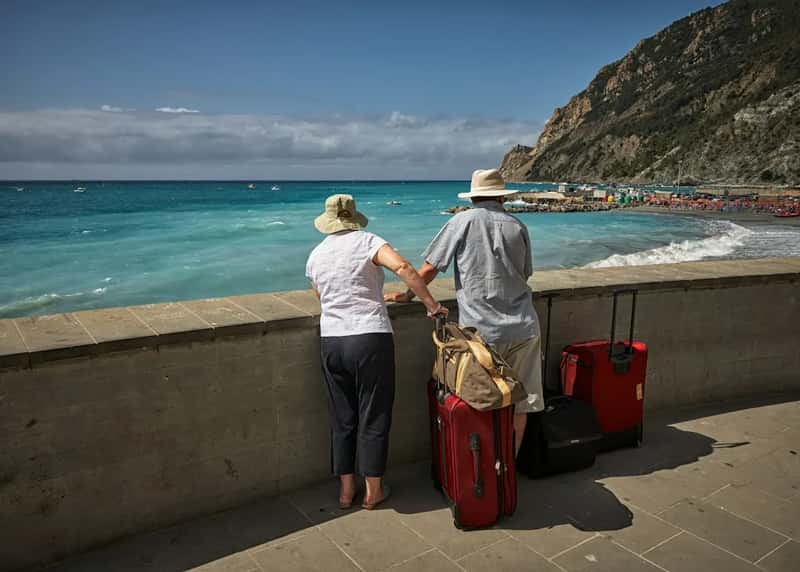
Beyond simply redirecting visitors geographically, the strategy is also pushing back against a certain style of travel altogether. The rapid, box-ticking approach to sightseeing, where a traveller might see three cities in four days, runs directly against what officials are now recommending. “We also want people to travel slow, to stay as long as possible,” Ruiz Gonzalez said.[2]
This shift toward slower travel is not just about easing pressure on famous sites, though that is a major part of it. It also reflects a broader belief that longer stays in a wider range of places tend to spread economic benefits more evenly, giving smaller towns and rural regions a genuine stake in tourism revenue rather than leaving it concentrated in a few overcrowded hubs.
High-Speed Rail Makes Spreading Out Easier
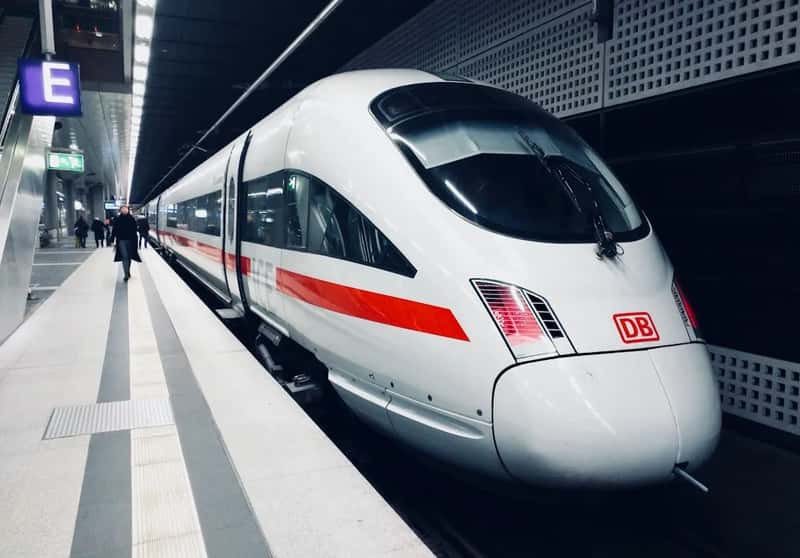
Part of what makes this advice realistic rather than aspirational is Spain’s transport infrastructure. Getting away from the traditional tourist trail is becoming easier, too, since Spain’s extensive high-speed rail network connects major cities with destinations across the country, potentially allowing travellers to combine several regions without relying solely on domestic flights or long road journeys.[1] For visitors used to flying between cities, the rail network offers a genuinely practical way to explore beyond the obvious stops.
This matters for the average traveller weighing up logistics. A trip that spreads across Madrid, a national park, and a historic town in Castilla no longer requires complicated planning or multiple car rentals. It can be done comfortably by train, which lowers the barrier to actually following Spain’s advice rather than defaulting back to the same familiar cities out of convenience.
What This Means for Your Next Trip
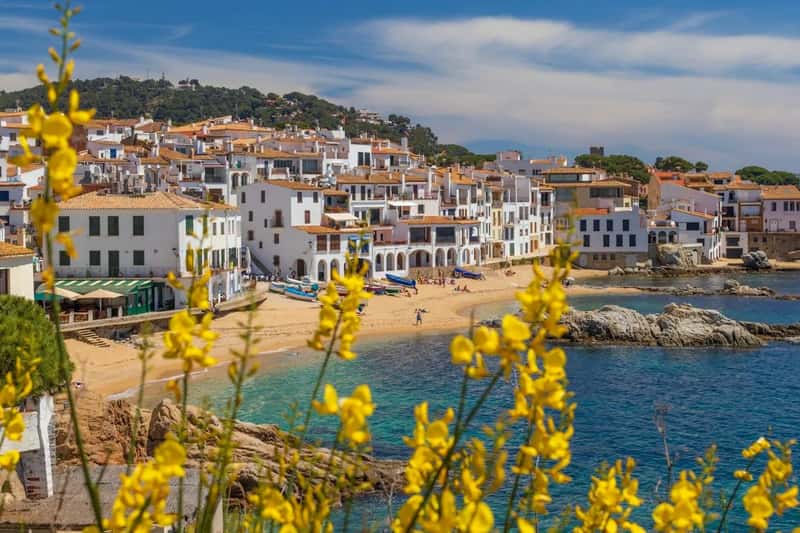
The takeaway for anyone planning a Spanish holiday is not complicated, even if the underlying tourism policy is layered and long-term. Skip the instinct to cram Barcelona, Madrid, and a beach resort into a single fast-paced trip, and instead build in time for at least one region that rarely makes it onto a typical itinerary. Whether that means a few nights in a Castilian town or a hiking stretch through the Picos de Europa, the goal is the same: experience more of the country while easing pressure on the places already stretched thin.
Spain is not telling tourists to stay away, and it is not closing its most iconic sites. It is simply asking visitors to think a little differently about how they use their time in a country that has far more to offer than its most photographed corners. Travel slower, go further inland, and the holiday itself is likely to feel richer for it, while the places you visit get a fighting chance to remain livable for the people who call them home.


