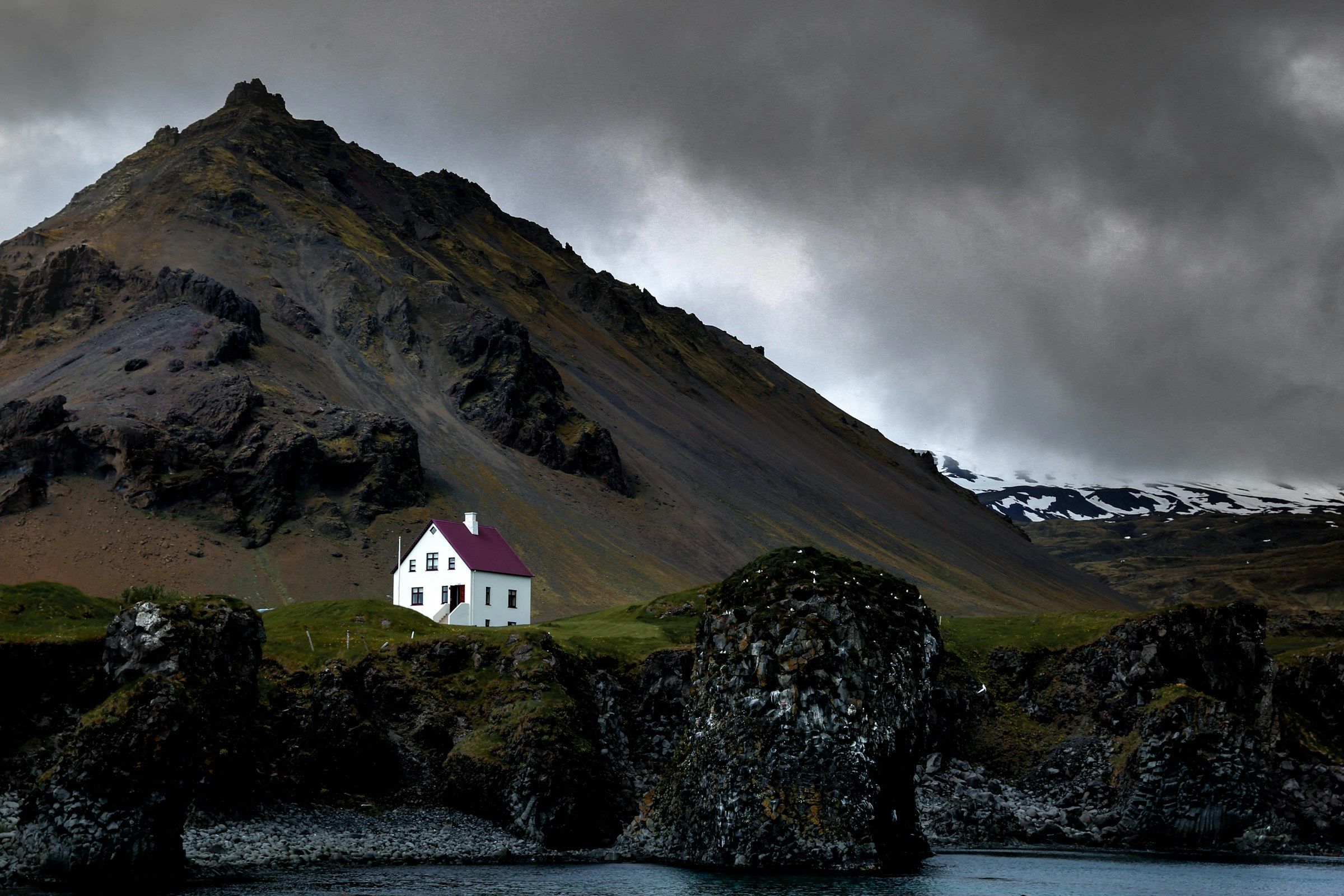
Some trips succeed because the signal is strong enough to run a video call from a café table. Others succeed because the phone has nothing to grab onto, so it ends up in a bag. Both kinds of trip are real, and the places that suit them differ more than you might expect.
The first five entries below are places where fast, dependable internet is documented in recent speed rankings or visitor guides. The last eight are places where the signal is thin, restricted, or missing, based on travel reporting and operator listings from the past couple of years. Speeds and coverage change, so treat each entry as a snapshot and check current conditions before you book.
Singapore, Where Home Broadband Sets the Pace
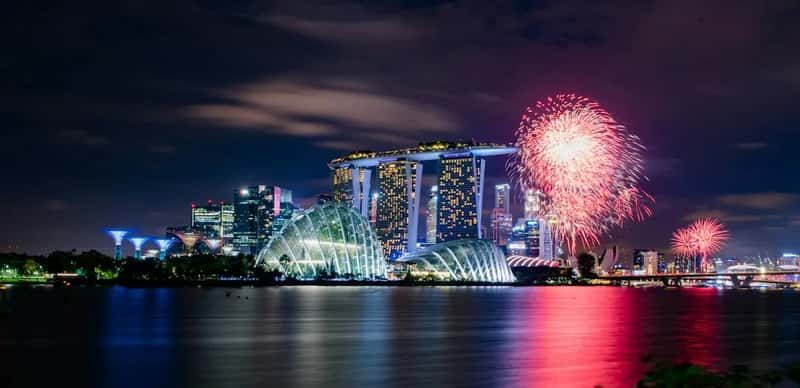
Singapore tops the fixed broadband table in Ookla’s Speedtest Global Index. Its median download speed was about 425 megabits per second in March 2026.[1] By June 2026, a ranking built on the same index had it at roughly 448 megabits per second.[2] One summary of the index even put it higher by September.
The city state is small, with about 5.9 million residents[3], and that scale helps explain why the national median is so strong. Keep in mind that these numbers describe fixed connections, the kind you’d have in a hotel room or apartment. Its mobile median was about 198 megabits per second, ranked twelfth.[4] That’s still quick, just not the headline figure.
Tallinn, Estonia, Free Hotspots and a Remote Work Visa
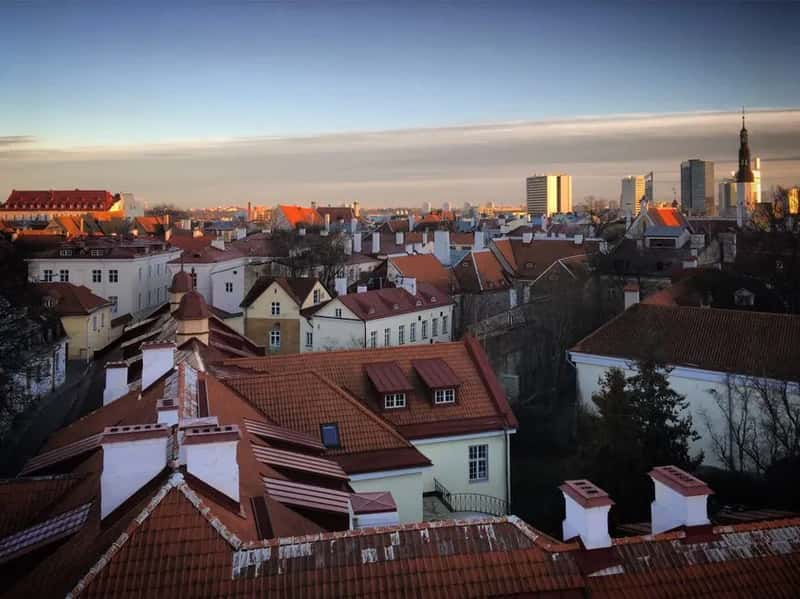
Tallinn is known for open wifi that works without much fuss. Public spaces from restaurants to the ferry terminal are reported to have free, stable wifi.[5] The free city network is modest in speed, though. One guide puts it at an average of about 15 megabits per second, with private connections faster.[5]
Estonia also built a formal route for people who work online. It launched Europe’s first Digital Nomad Visa in August 2020.[6] It’s a long stay D visa that allows up to 12 months for location independent workers.[6] Guides disagree on the income requirement, with one citing a gross monthly bar of 4,500 euros[6] and another a lower figure, so confirm it with official sources.
Iceland, Fast Lines at the Edge of the Map
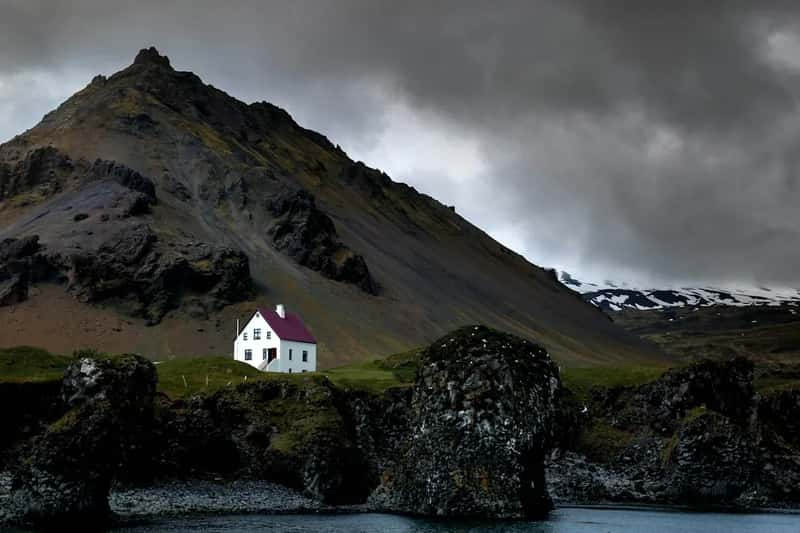
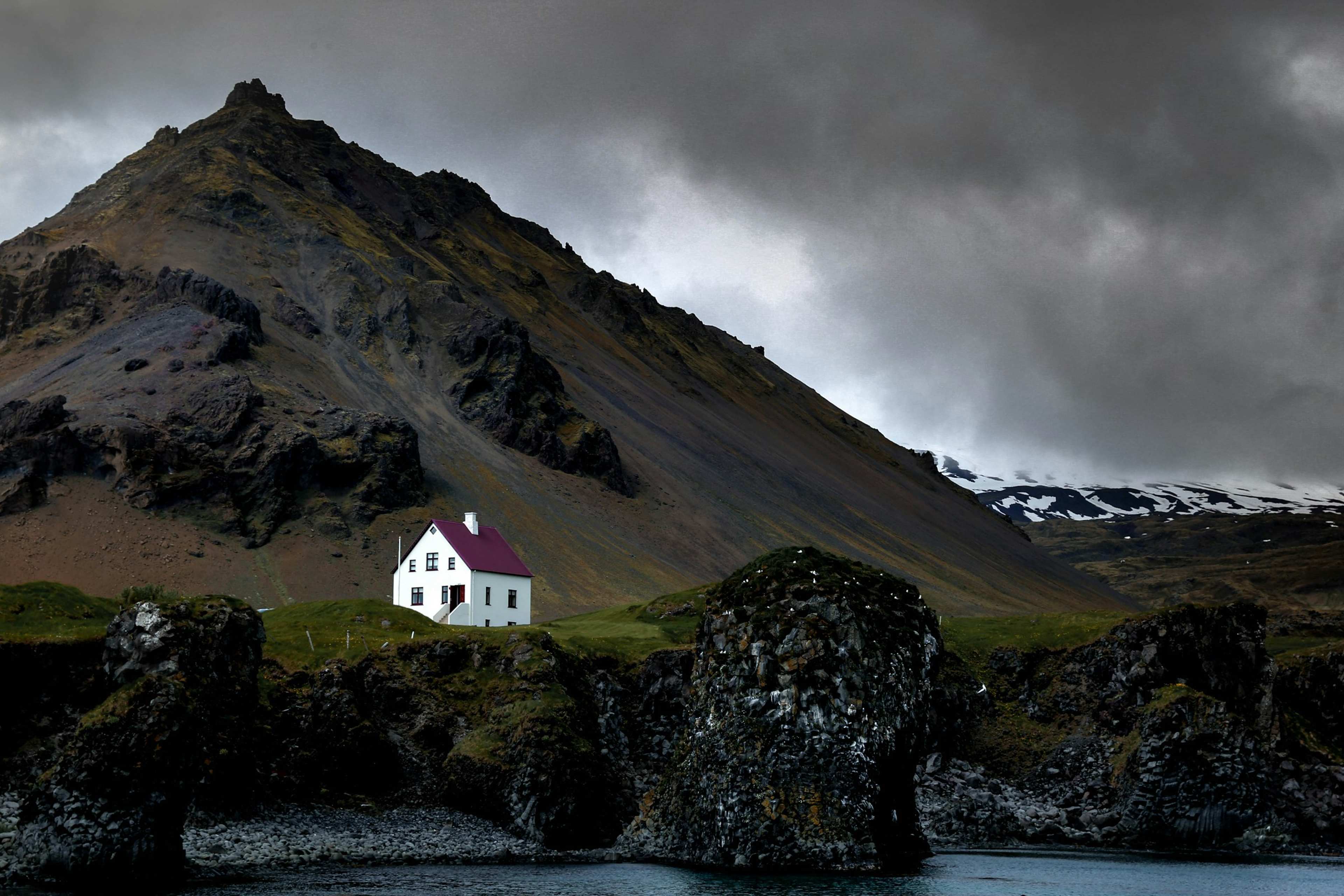
Iceland’s place on this list may surprise you, given how sparsely populated it is. In Ookla’s March 2026 data, its median fixed download speed was about 347 megabits per second, fifth in the world.[1] It was near the top in the previous year’s ranking too, fourth at roughly 296 megabits per second.[3]
That consistency matters if you plan to work from a rented house far from the capital. The data are national medians, so a remote cottage can still behave differently from the average. Ask your host about the actual connection before you commit to a week of video meetings.
Hong Kong, Strong Fixed Lines, Softer Mobile
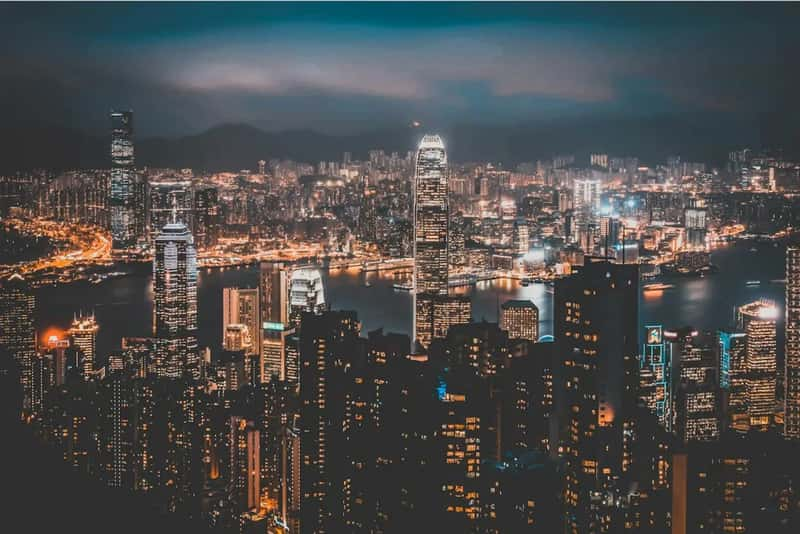
Hong Kong sits third in the March 2026 fixed broadband list. Its median download speed was about 352 megabits per second, just ahead of France.[1] For anyone who works from a hotel room or serviced apartment, that’s the number that counts.
The mobile picture is less impressive. The same table shows a mobile median of about 89 megabits per second, ranked fifty fifth.[4] So Hong Kong rewards people who plan to sit down with a laptop, more than those who plan to live off a phone hotspot.
United Arab Emirates, Fast on Both Fixed and Mobile

The UAE is one of the few countries that does well on both measures. Its fixed broadband median of about 385 megabits per second ranked second in March 2026.[1] Its mobile median of roughly 645 megabits per second is about seven times quicker than the global norm.[7]
Speed doesn’t mean cheap, though. One comparison, based on an October 2025 snapshot, put UAE mobile data at about 4.61 dollars per gigabyte.[8] If you rely on local data, check current prices before you arrive.
Green Bank, West Virginia, Where the Quiet Is Official
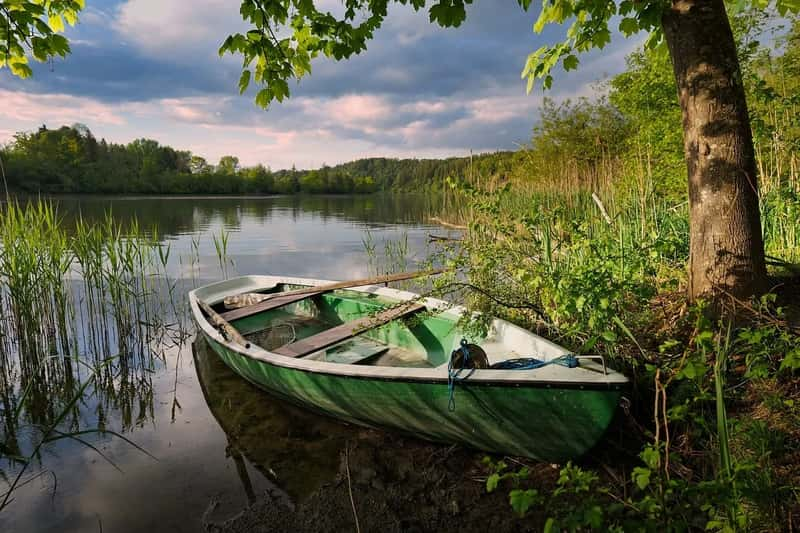
Green Bank sits inside the National Radio Quiet Zone. That’s an area of about 13,000 square miles covering the eastern half of West Virginia.[9] The Federal Communications Commission created it in 1958 to protect the observatory from radio interference.[10]
It isn’t completely dark anymore. Cellphone use in the core of the zone is highly restricted.[10] Fox News reported that residents and businesses may now use 2.4 gigahertz wifi in the Quiet Zone[11], so expect a quiet town, not a total blackout. The public science center hosts about 50,000 visitors a year.[11]
Isle of Eigg, Scotland, Small and Surprisingly Complete
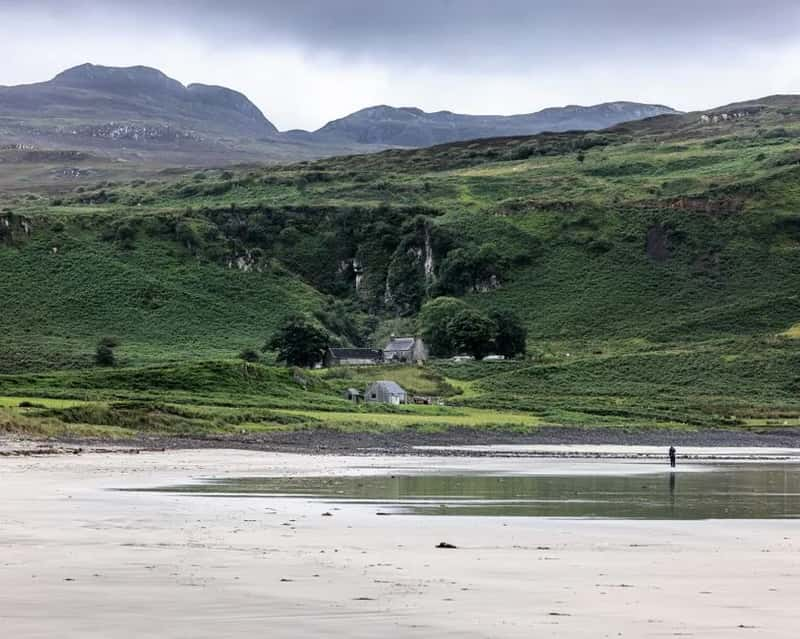
Eigg is the kind of island where a lack of signal feels like part of the design. One 2026 travel list notes no chain restaurants, no traffic lights, and no mobile signal across most of the island.[12] That’s a useful detail if you’re deciding whether you can really go quiet for a few days.
The same list describes Eigg as small, specific, and surprisingly complete.[12] Tell people at home your plans before you leave, and download maps in advance. Coverage can vary from spot to spot, so a patchy bar here and there wouldn’t be a surprise.
Great Blasket Island, Ireland, Almost No Connection at All
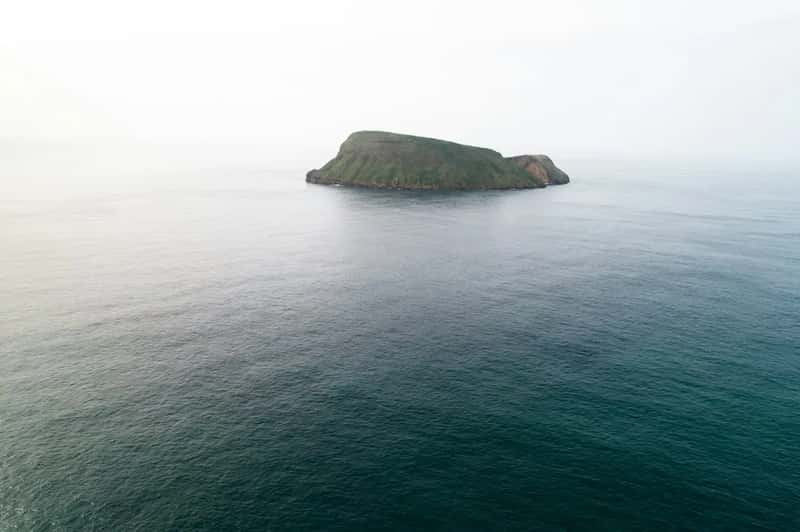
Great Blasket lies off the west coast of Ireland, and it ranks among the most disconnected places on this list. A 2026 guide to island detoxes says that internet and mobile connectivity are virtually nonexistent[13] there. The same guide gives it its top detox rating.
Visits depend on boats and weather, so build in flexibility. Bring a paper map, a charged battery pack for a camera, and any food you’ll need. Without a signal, the plan you made on the mainland is the plan you’ll follow.
The Ecuadorian Amazon, Staying With an Indigenous Community
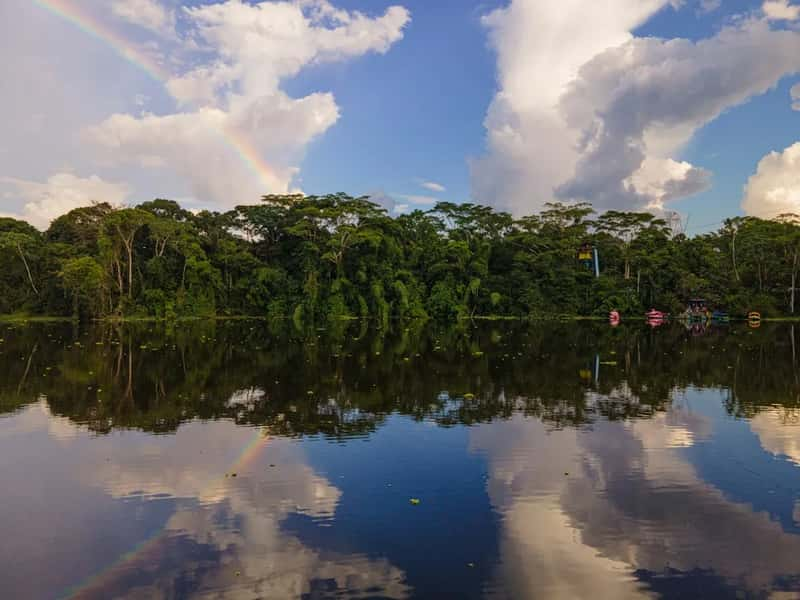
G Adventures suggests this as perhaps the ultimate detox. You stay with an Indigenous community deep in the Ecuadorian Amazon, where there’s no wifi and no mobile signal.[14] It’s a trip built around the community and the rainforest, not around gadgets.
The operator’s own write up notes that with zero signal for miles, your only conversation might be with the tarantula outside your cabin door.[14] It’s a joke, but it also signals that this is real jungle. Pack for humidity and insects, and sort out emergency contact arrangements with the tour operator beforehand.
Northern Thailand, A Hill Tribe Trek Near Chiang Mai
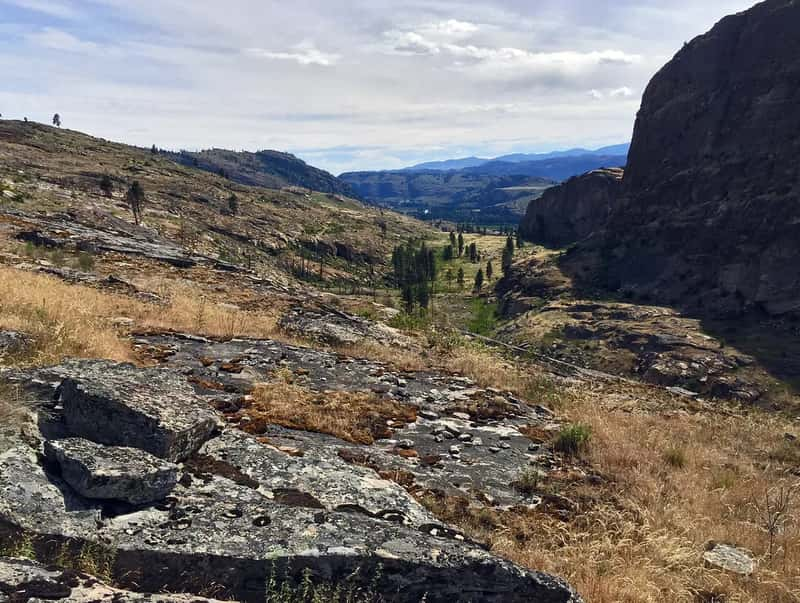
This route trades screens for walking. It starts in Chiang Mai and winds through bamboo forests, rolling hills, and jungle, stopping at traditional hilltribe communities.[14] It eventually reaches Ban Jabo, home to the Black Lahu people.[14]
Expect effort, not luxury. G Adventures warns of long hikes, humid days, and very little signal.[14] That limited reception is part of the appeal, and it also means you shouldn’t count on checking messages along the way.
Nimmo Bay, British Columbia, Helicopters Instead of Phone Signal
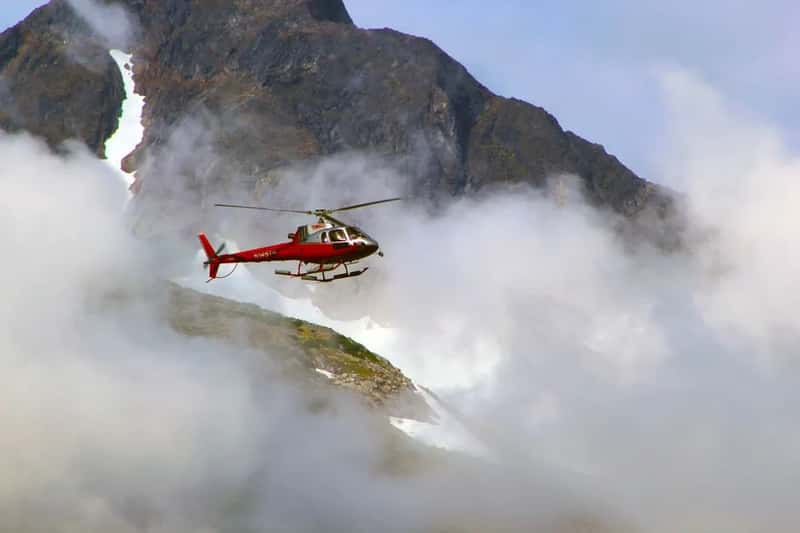
Nimmo Bay Wilderness Resort sits in Canada’s Great Bear Rainforest. A 2026 roundup of no phone retreats says it replaces phone signal with heli hiking, fly fishing, and guided meditation.[15] It’s one of the pricier options here, aimed at travelers who want comfort along with remoteness.
The same roundup notes that some of these stays are ultra remote wilderness resorts reachable only by floatplane.[15] That limits how easily you can duck out if work calls, so tell your office your dates early. If you need a lifeline, ask the resort about its emergency communication options.
Tsum Valley, Nepal, A Trek Beyond Connectivity
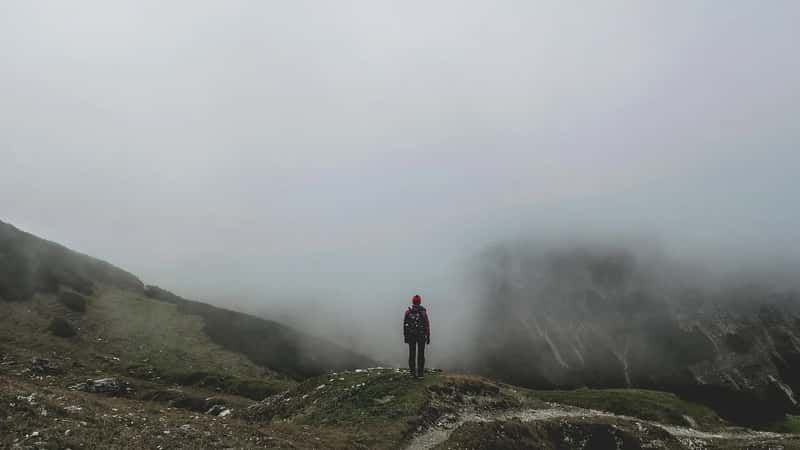
Tsum Valley is a remote Himalayan valley, and a 2026 list of detox destinations describes it as a place to disconnect from screens and reconnect with people.[16] The same list says minimal signal and serene trails[16] make it a rare detox in Nepal. Its appeal is rooted in simplicity.
Treat it as a serious trek, not a casual getaway. Permits, guides, and acclimatization all need planning, so check current rules with a reputable operator. Once you’re walking, the quiet takes care of itself.
US National Park Campgrounds, The Budget Way to Lose the Signal
You don’t need a plane ticket for a screen break. One 2026 family travel guide notes that Yellowstone, Glacier, Great Smoky Mountains, and Acadia have campgrounds where kids can’t get a signal even if they try.[17] Coverage differs by campground, so check a specific site before assuming.
The cost side is easy to like. The same guide puts national and state park camping at 15 to 35 dollars a night[17] and calls it the cheapest option. It also says the no signal zones do the unplugging for you.