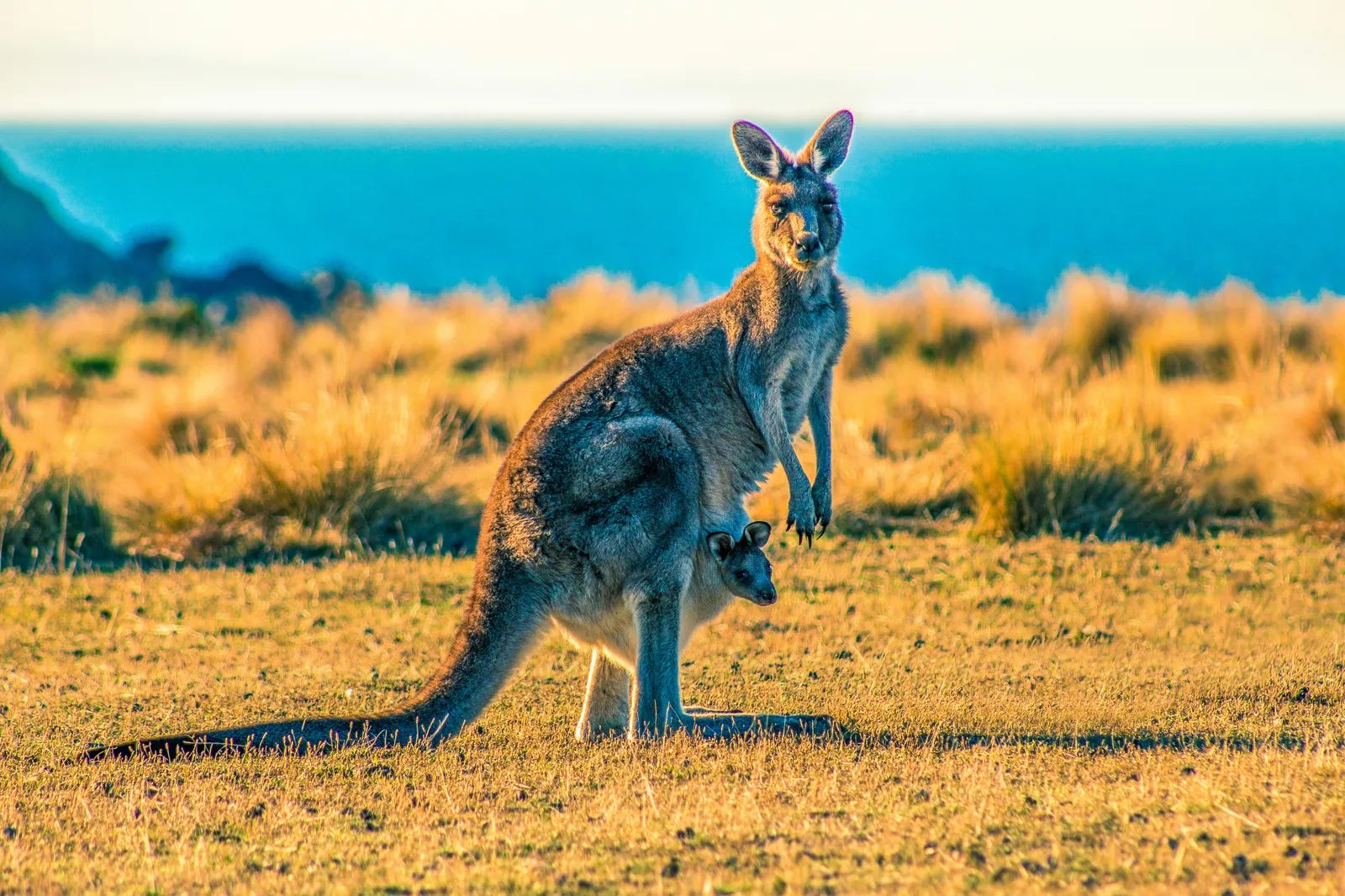
Australia marks World Kangaroo Day on October 24 each year by recognizing the animals that serve as national symbols and hold deep meaning in First Nations cultures. This year the date arrives amid a powerful El Niño event that is already reshaping weather patterns across the continent. Observers note that the timing offers a clear moment to consider how shifting climate conditions affect dozens of macropod species that call Australia home.
Macropod Diversity Across the Continent
Australia supports 59 species within the macropod superfamily. The four most familiar are the red kangaroo, the western grey kangaroo, the eastern grey kangaroo, and the antilopine kangaroo. These larger animals remain widespread, with total numbers estimated between 30 million and 50 million depending on seasonal rainfall. Smaller relatives receive less attention yet form an important part of the same group. The musky rat-kangaroo weighs roughly 500 grams and ranks among the smallest members of the superfamily. Two tree-kangaroo species live in the rainforests of Far North Queensland, while the critically endangered Gilbert’s potoroo survives in limited pockets of habitat.
Population Pressures and Management Responses
High numbers of the larger kangaroo species have prompted state governments to authorize periodic culls aimed at easing pressure on farmland and rangelands. These programs remain controversial because they balance agricultural needs against conservation goals. Drought and heavy rainfall cycles continue to drive large swings in population size, complicating long-term planning. The same climate variability now intersects with the current super El Niño. Prolonged dry spells reduce forage availability and concentrate animals around remaining water sources. Land managers and wildlife agencies must adjust monitoring and response measures accordingly.
Smaller Species Face Greater Risks
Six macropod species have disappeared since European colonization. Eleven additional species now carry elevated conservation listings. For quokkas, bettongs, potoroos, and other small macropods, habitat loss and changing fire regimes compound the effects of hotter, drier conditions. Tree-kangaroos in Queensland encounter added stress from shifting rainfall patterns that affect the forests they depend on. Conservation groups track these populations closely because recovery options remain limited once numbers fall below critical thresholds.
Cultural Connections and Practical Outlook
First Nations communities have maintained relationships with kangaroos and wallabies for thousands of years. These connections extend beyond symbolism to include traditional knowledge about movement patterns and seasonal behavior. Contemporary management discussions increasingly seek to incorporate that knowledge alongside scientific monitoring. The super El Niño of 2026 serves as a reminder that climate trends affect both abundant and rare macropods. Continued attention to habitat protection, water availability, and population monitoring will shape outcomes for these animals in the years ahead.