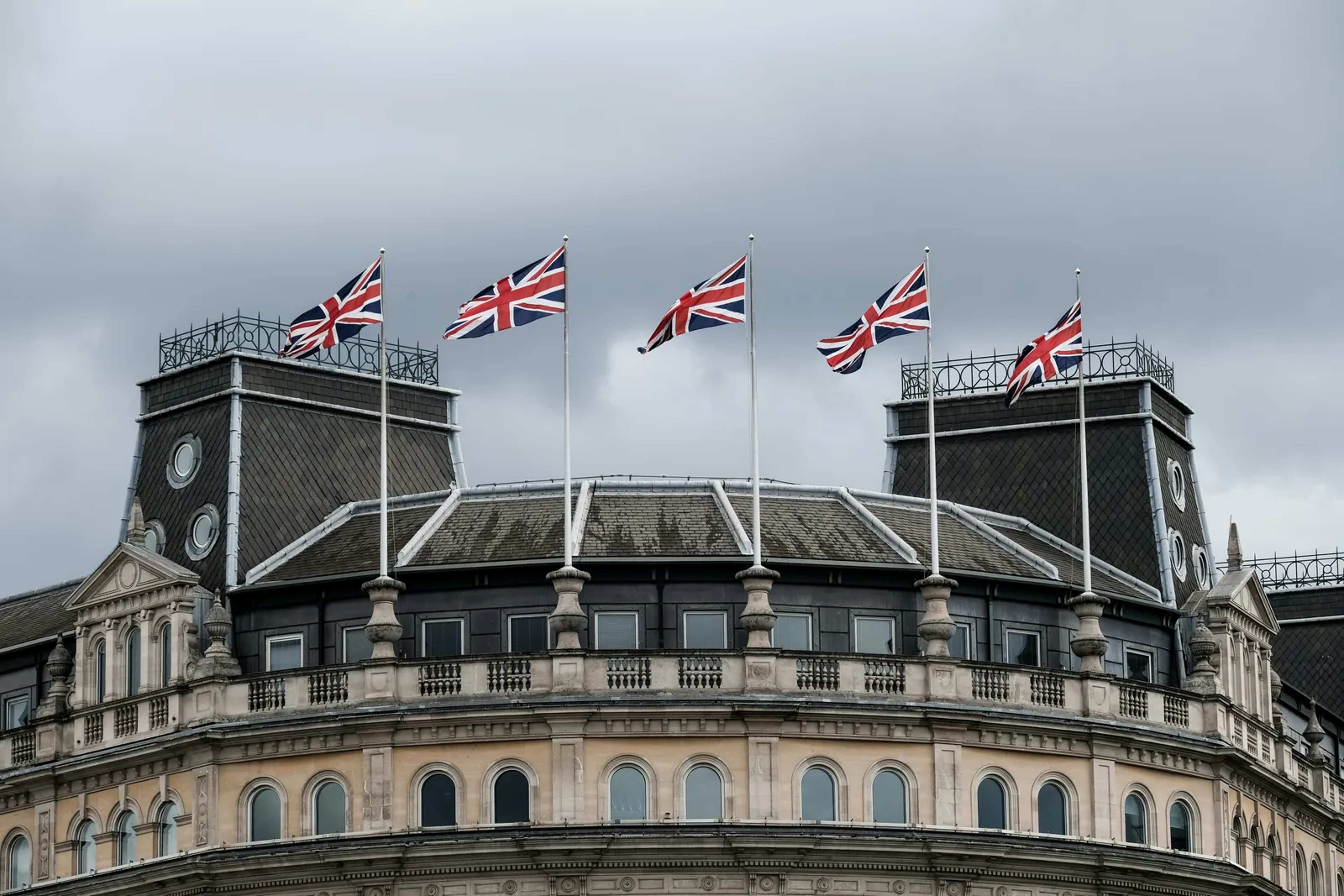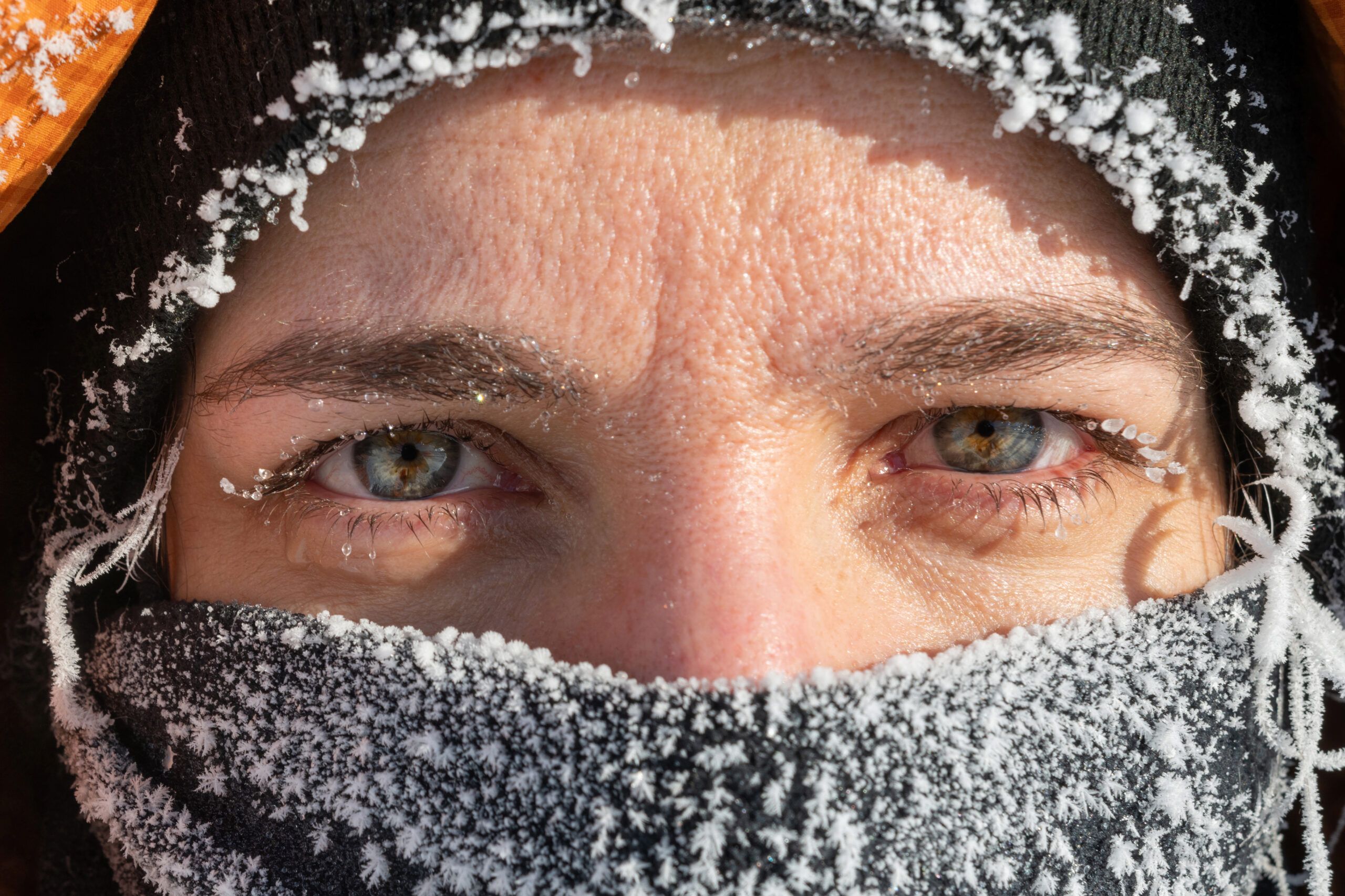
Yakutsk is the capital of Russia’s Sakha Republic, and it sits on the permafrost of the Russian Far East. It lies about 5,000 km east of Moscow.[1] Most people know it from photos of frosted eyelashes and frozen fish stacked on market tables.
A photo doesn’t show what happens inside the body during a day in that cold. Skin, blood vessels, muscles and the brain all react in a fairly predictable order. This article follows that order and uses climate records and medical references to explain each step.
Why This City Gets So Cold
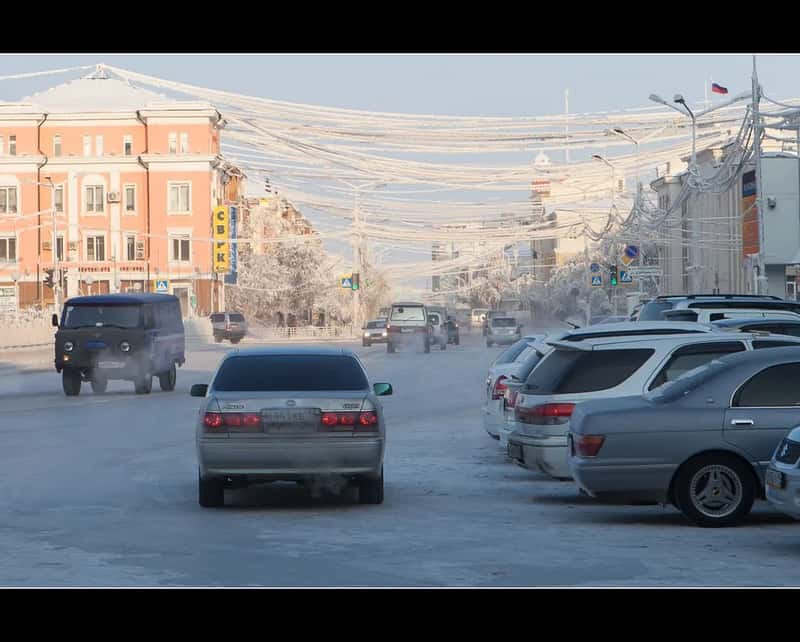
Geography does most of the work. Yakutsk is an inland city, roughly 1,000 kilometers from the Pacific and about 450 kilometers south of the Arctic Circle, so little natural warming reaches it.[2] It is also built on continuous permafrost, which means the ground stays frozen all year.[3]
Weather patterns add to the effect. In winter, Siberia sits under a high pressure system known as the Siberian High, which pulls in cold Arctic air and allows long spells of intense cold.[3] The winter sun also stays low, and daylight is often under four hours.[3]
How Often Minus 50 Really Happens
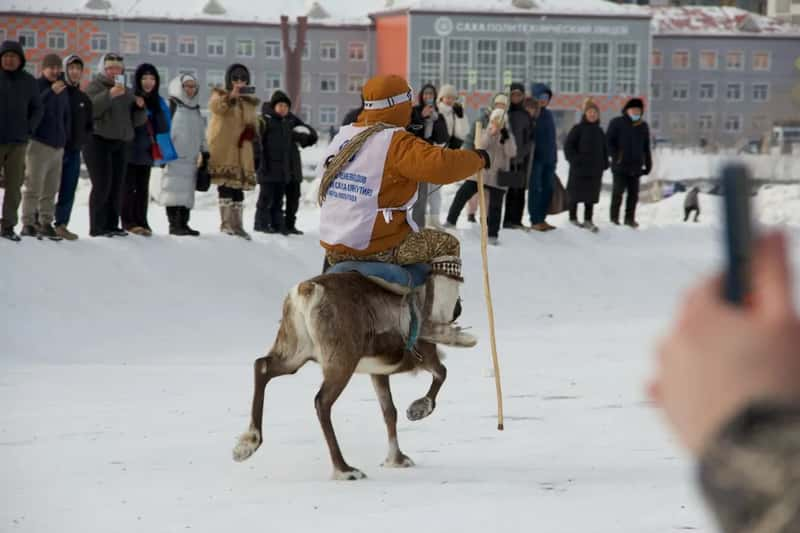
Minus 50 is not a normal day, even in Yakutsk. The average temperature in January is about minus 37°C.[4] Cold waves bring the temperature to minus 45°C or below every year, and it sometimes drops under minus 50°C.[4]
The all time record is much lower. The lowest temperature ever recorded in Yakutsk was minus 64.4°C on February 5, 1891.[2] More recently, the temperature fell to about minus 45°C in late December 2025, and schools reportedly stayed closed.[5]
The First Few Minutes Outside
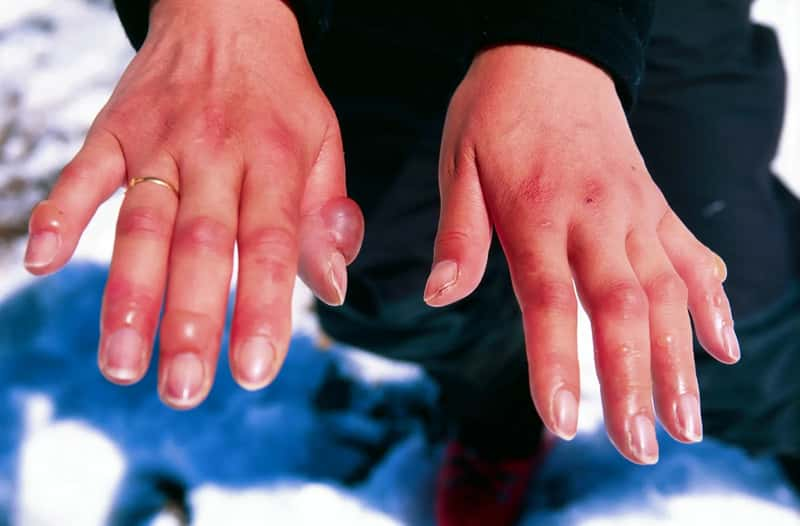
The skin is the first thing to be tested. In the range of minus 45 to minus 60°C, exposed skin may freeze in minutes, and the damage can be permanent.[6] Canadian guidance cited by the CBC puts the danger point even sharper. At a wind chill of minus 55, you are in danger within two minutes.[7]
The warning signs come in a sequence. Skin turns red and swollen first, then tingles, and finally turns white and waxy as frostbite progresses.[8] Real freezing times vary, because charts show that exposure time depends on both temperature and wind conditions.[9]
Breathing Through Ice Fog
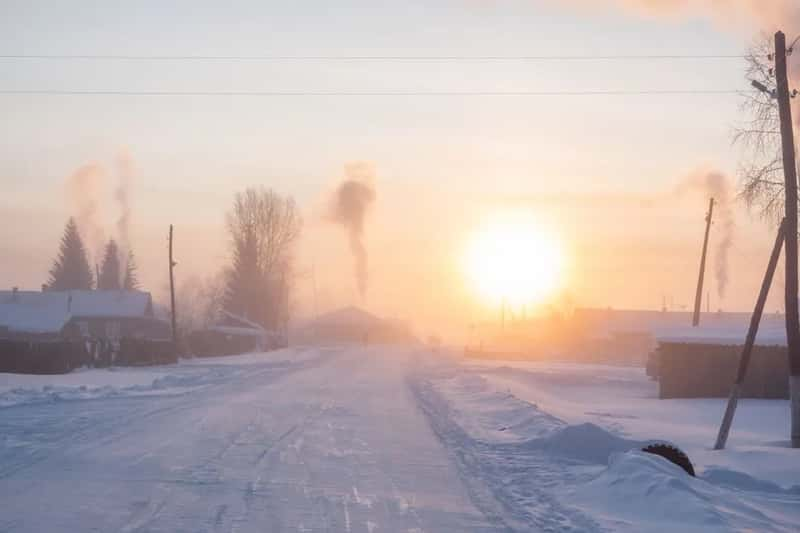
Winter air in Yakutsk is often visible. The city is shrouded in ice fog during winter,[10] and fog often forms from December to February.[4] The cold also causes small problems in daily life. Residents know not to wear glasses outdoors unless they want them to freeze to their faces.[11]
Breathing is part of the plan for staying safe. U.S. National Weather Service guidance says to cover your mouth to protect your lungs from extreme cold.[12] One university in the city has also told incoming students that walking outside is unwise below minus 40°C, as reported by CNN.[10]
Blood Flow Retreats to the Core

Your body works hard to hold one number steady. Normal body temperature falls between 36.5°C and 37.5°C.[13] To protect it, blood vessels in the hands and feet constrict, which keeps blood from cooling and returning to the organs.[13]
That trade has a cost. The body tries to keep the heart and organs warm, but the extremities can pay the price.[7] Frostbite affects any exposed skin, especially fingers, toes, nose and ears.[14] When the damage reaches deeper, injured blood vessels can cut off the blood supply, and the tissue dies.[8]
Shivering Burns Through Fuel
Shivering is the body’s emergency furnace. A review of cold physiology notes that shivering alone can raise the metabolic rate to five or six times the resting level.[15] That output is not free, and it also drains energy reserves.[16]
Food matters here more than most people expect. Shivering can be limited by low blood sugar, so eating foods rich in energy is considered critical for keeping it going.[15] In practical terms, a cold body that runs out of fuel loses its best defense.
When the Shivering Stops

Medical references define the danger line clearly. Hypothermia is a core body temperature at or below 35°C, and symptoms progress from shivering and impaired movement to lethargy, confusion, coma and death.[17] In mild cases the core temperature runs from 32 to 35°C.[18]
The turning point is easy to miss, because the person feels calmer. Shivering typically ceases at a core temperature of 30 to 32°C, and paradoxical undressing may be seen.[18] As the central nervous system falters, people no longer sense the cold.[17] Severe hypothermia means a core temperature below 28°C.[18]
How Residents Actually Manage
Locals mostly avoid the problem through preparation. Insulated furs, heavy boots and layered clothing are essential in winter.[19] Daily life also depends on carefully timed outdoor exposure.[19]
The city itself is built around the cold. Many houses stand on stilts, because heat from a building can thaw the permafrost beneath it and make the structure sink.[11] Engines are rarely switched off.[20] People still contend with frozen pipes, insulation problems and constant transport difficulties.[21]
Darkness and the Mind

Cold is only one stress on a winter day. January brings roughly one hour of sunshine per day, about one tenth of the daylight hours.[22] Dark days with short periods of daylight affect the mental health of residents.[21]
The seasons swing hard in the other direction. The extreme cold lasts from November to March, with January and February the coldest months.[21] The highest temperature ever recorded in Yakutsk was 38.4°C.[20]
Yakutsk by the Numbers
The city’s average annual temperature is minus 7.5°C, and the lowest recorded temperature is minus 64.4°C.[20] The average daily temperature in December is minus 37.0°C.[20]
The daily average temperature stays below freezing from October to April.[4] The warmest month, July, averages about 19.4°C.[4]