Southeast Asia has become the default answer for retirees chasing warmer weather and a lower cost of living, and two names keep coming up in almost every conversation: Thailand and Vietnam. Both countries offer sunshine, incredible food, and a lifestyle that stretches a modest pension much further than it would go back home. Yet the two paths diverge sharply once you look past the surface, especially when it comes to visas, healthcare, and what your money actually buys day to day.
This comparison digs into the practical realities retirees face in 2026, from the paperwork required to stay legally to the real cost of rent, food, and medical care. Neither country is perfect, and the “better bargain” often depends on what you value most: raw affordability or a smoother, more predictable long-term setup.
Visa Pathways: The Biggest Difference
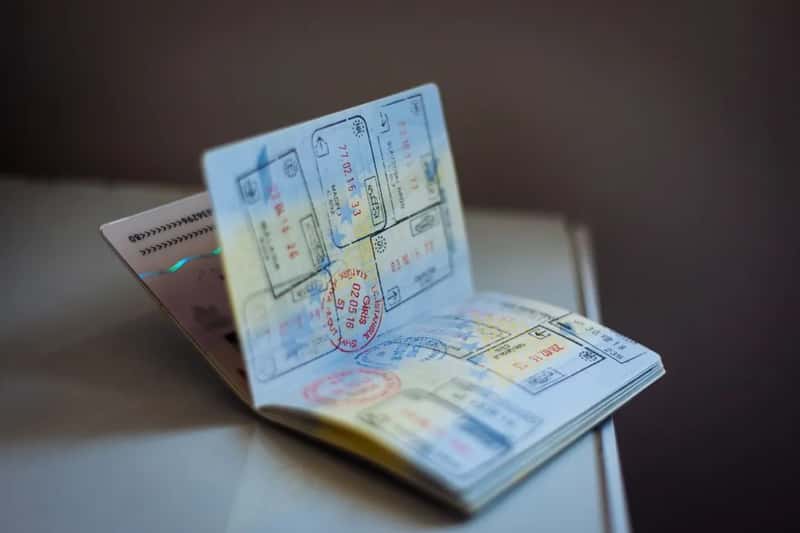
Thailand has built an entire system around retirees, and it shows. The country offers the Non-Immigrant O-A visa, and its longer cousin, the Non-Immigrant O-X visa, allowing foreigners aged 50 or above to stay in Thailand for one or more years for the purpose of retirement. To qualify, applicants generally need minimum age 50, valid passport, 800,000 THB in a Thai bank account or 65,000 THB monthly income, mandatory Thai-recognised health insurance, clean criminal record, and a basic medical certificate.
Vietnam offers nothing comparable. As of 2026, Vietnam does not offer a dedicated retirement visa, and Vietnamese immigration law does not provide a visa category based solely on age, pension income, or retirement status. Retirees instead cobble together long stays through a Temporary Residence Card via eligible routes such as investment, work sponsorship, or family ties, investment visas, or family reunion visas, which means more paperwork, more legal complexity, and often ongoing business compliance that has nothing to do with actually retiring.
Cost of Living: Rent and Daily Expenses

This is where Vietnam pulls ahead decisively. Broad comparisons put Vietnam as generally 20-30% cheaper than Thailand for a comparable expat lifestyle, with the gap even wider in certain categories. One detailed breakdown notes that Vietnam’s advantage is most pronounced in rent, roughly 40% cheaper on average, and food, where street food and local restaurants are remarkably cheap even by Southeast Asian standards.
Looking at actual numbers, modern one-bedroom apartments rent for $300-500 in Ho Chi Minh City and $200-350 in Da Nang, compared to $400-700 in Bangkok and $350-550 in Chiang Mai. Overall, a comfortable monthly retirement budget runs $800-1,200 in Vietnam versus $1,200-1,800 in Thailand, a gap that adds up to thousands of dollars a year for anyone living on a fixed pension.
Food and Everyday Spending

Street food culture is one of the biggest draws in both countries, but Vietnam again edges out its neighbor on raw price. Typical costs show street food meals in Vietnam at $1-3 with restaurant dinners at $5-12, compared to Thailand’s street food at $2-4 and restaurant meals at $8-15. Domestic beer follows the same pattern, running noticeably cheaper in Vietnam than in Thailand.
That said, the savings aren’t unlimited. Retirees who want imported goods or Western comforts will find that imported goods and Western amenities cost significantly more in Vietnam, potentially offsetting savings if you maintain Western consumption habits. Anyone happy eating mostly local food will feel the difference; anyone craving imported cheese and wine every week may see the gap shrink.
Healthcare: Quality Versus Cost

Thailand’s healthcare reputation is hard to beat in this region. It has spent over two decades building a medical tourism industry, and today Thailand attracts over two million medical tourists annually, especially from the United States, Australia, the Middle East, and Europe. The infrastructure of JCI-accredited private hospitals, English-speaking staff, and short wait times is mature and widely trusted by long-term expats.
Vietnam is catching up quickly but starts from a smaller base. Government figures show the cost of medical services in Vietnam is only about 30-50% of that in countries like Singapore or Thailand, and the country currently has four JCI-accredited hospitals, with plans to expand. Vietnam’s own health ministry is targeting at least 15 hospitals meeting international standards by 2030, including a minimum of 5 public hospitals, but for now, retirees in Vietnam lean heavily on private facilities in Hanoi and Ho Chi Minh City rather than a nationwide system.
Insurance and Financial Safety Nets

Thailand builds insurance directly into its visa requirements, which is a mixed blessing. Retirees must carry health insurance with minimum coverage of 40,000 THB outpatient and 400,000 THB inpatient per year, from an insurer approved by Thailand’s Office of Insurance Commission. It adds an annual cost, but it also guarantees every retiree on the O-A visa has some baseline coverage in place.
Vietnam offers no such safety net by default. In fact, health insurance is not required for any Vietnamese visa category, which is a disadvantage in disguise because there is no system prompting retirees to arrange adequate coverage, and without insurance, a hospital stay can cost thousands of dollars out of pocket. Retirees moving to Vietnam need real discipline to buy proper international coverage themselves, since nobody is going to make them do it.
Property, Investment, and Housing Security

Neither country lets foreigners buy land outright, but the rules around everything else differ. In Vietnam, property ownership by foreigners is limited, you can purchase apartments on 50-year leasehold terms but cannot own land, meaning your housing arrangement is always tied to lease terms rather than outright ownership. Retirees with more capital sometimes pursue investment-linked residency instead, though Vietnam’s investor visa tiers require setting up a compliant local company with ongoing tax filings and audits.
Thailand has its own condo-based ownership rules for foreigners and a well-worn rental market that most retirees simply use instead of buying. The bigger financial detail to watch is tax exposure: since 2024, Thailand has extended its taxation rules to cover foreign-sourced income transferred into the country in the same year it is earned, which has pushed many long-term retirees to consult tax advisers about their home country’s double taxation treaty before moving funds.
Climate, Pace of Life, and Culture

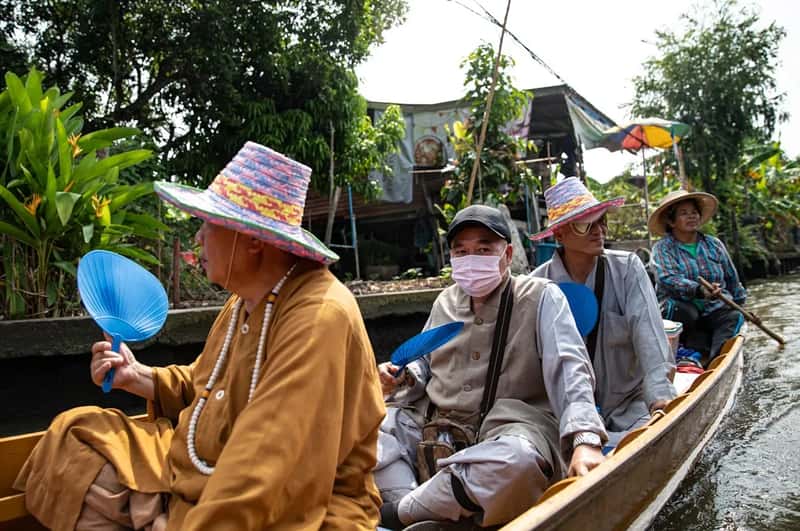
Both countries sit firmly in the tropics, but daily life feels different. Thailand’s expat infrastructure has decades of history behind it, spanning the cooler mountains of Chiang Mai to the beaches of Phuket, with retirees drawn to well-regarded medical care and a comfortable, established routine.
Vietnam offers something rawer. One comparison describes it as a more intense, less filtered Asian experience, where the pace is frenetic, the traffic is legendary, and the culture is less accommodating to foreigners, but for those who embrace it, Vietnam rewards with incredible food, genuine local connections, and a rawer adventure. Retirees who want familiarity and ease tend to gravitate toward Thailand; those chasing something less polished and more energetic often prefer Vietnam.
Infrastructure and Day-to-Day Convenience
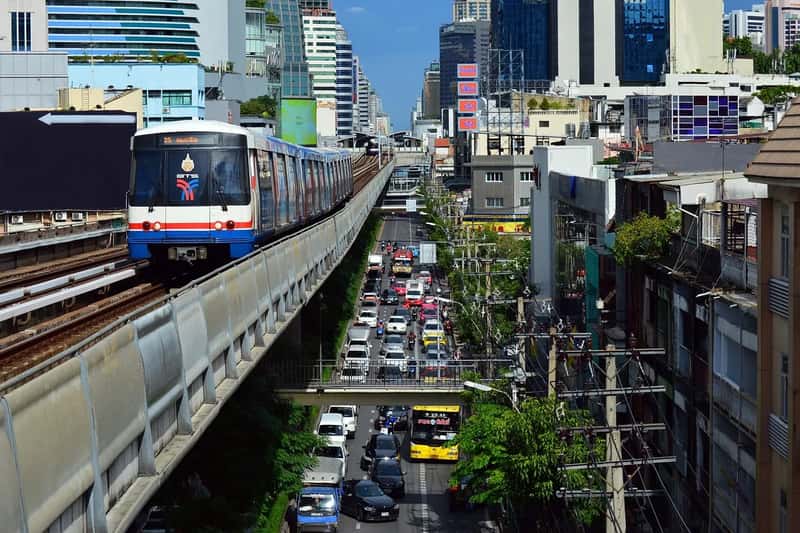
Thailand’s decades of tourism investment show up in small but meaningful ways: better public transit, more English signage, and a retail and service culture built around long-term foreign residents. A recent comparison summed it up plainly, noting that Thailand generally runs 20% to 35% more expensive yet offers smoother healthcare, better public transit, and retirement visas that actually welcome you.
Vietnam is closing the gap fast but still feels less finished in places, particularly regarding motorbike traffic and inconsistent English outside major cities. Its strength lies elsewhere entirely, with rock-bottom living costs, a thriving café culture, and the kind of entrepreneurial energy that appeals to hustlers and digital nomads on a budget. That energy is appealing for some retirees and exhausting for others, so it really comes down to personal temperament.
Which Country Wins the Bargain
If the only question is raw monthly savings, Vietnam wins clearly. Annual cost estimates put comfortable expat costs at $22,000-30,000 in Vietnam versus $30,000-40,000 in Bangkok, a difference that matters enormously for anyone stretching a fixed pension over twenty or thirty years of retirement.
But affordability isn’t the only currency that matters in retirement. Thailand’s dedicated visa system, deeper insurance mandates, and more mature private hospital network remove a lot of guesswork and risk that Vietnam retirees still have to manage themselves. One detailed breakdown put it simply: for most retirees, Thailand is the better choice, since the dedicated retirement visa, world-class healthcare, established expat infrastructure, and easier daily life outweigh Vietnam’s lower costs. For retirees on a tight budget who don’t mind extra legal legwork, Vietnam remains genuinely appealing, but for anyone prioritizing predictability and peace of mind, Thailand still holds the edge in 2026.
Neither country is a wrong choice, and plenty of retirees split time between both. What matters most is being honest about your own priorities: if stretching every dollar is the goal, Vietnam’s lower prices are hard to beat; if a stable, well-documented legal path and mature healthcare system matter more than saving a few hundred dollars a month, Thailand remains the steadier bet.