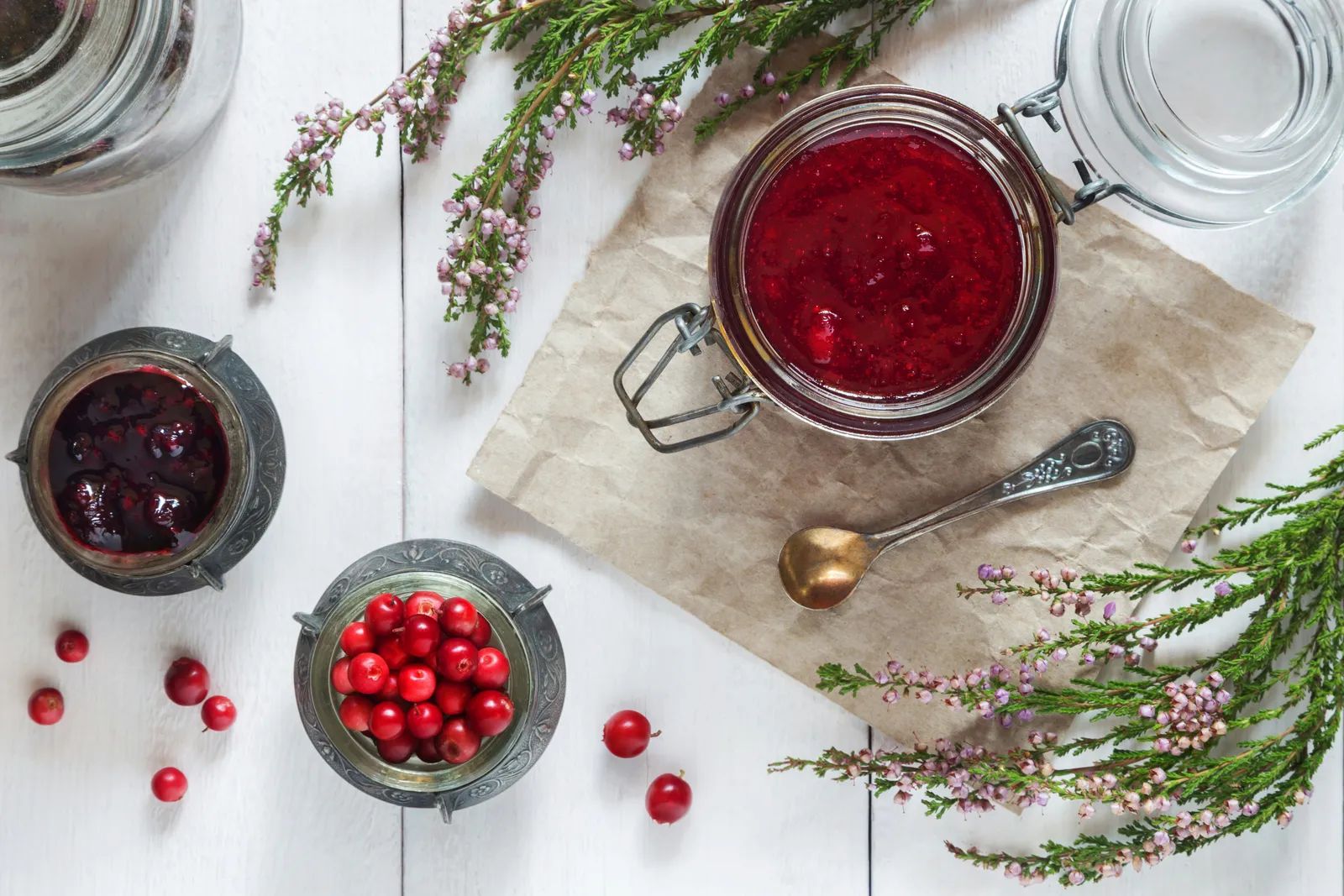
Many households find themselves staring at a half-empty can or a bowl of homemade cranberry sauce after the big holiday meal. The question of how long it stays good often leads to conflicting answers online, with some sources suggesting a quick turnaround and others offering more generous windows. The gap between what the manufacturer recommends and what federal guidelines advise creates real uncertainty for hosts managing leftovers. Ocean Spray, the leading producer of canned cranberry sauce, states that its product can remain in the refrigerator for up to two weeks once opened and transferred to a covered container. The USDA, however, applies a general rule for opened high-acid canned foods that places the safe window at five to seven days. Both perspectives come from established sources, yet they leave many people unsure which number to follow when clearing the table after Thanksgiving gatherings. ([1])
The Holiday Context Behind the Confusion
Thanksgiving often means preparing more food than a single meal can accommodate. Cranberry sauce, whether jellied from a can or simmered at home with fresh berries, frequently ends up stored for sandwiches, breakfast sides, or quick snacks in the days that follow. The timing matters because perishable items left at room temperature should not exceed two hours, or one hour if the kitchen sits above 90 degrees, according to long-standing USDA rules on leftovers. This pressure to store and reuse sauce efficiently collides with varying storage advice. An unopened can can sit in the pantry or refrigerator for 12 to 18 months at peak quality under USDA estimates for high-acid canned goods that include berry products. Once the seal breaks, the clock starts running on a much shorter scale, and the difference between manufacturer and agency figures becomes noticeable.
Comparing the Numbers for Canned and Homemade Versions
For an opened can, Ocean Spray directs users to remove the sauce from the metal container and keep it tightly covered in the refrigerator for as long as two weeks. The USDA’s broader guidance for opened high-acid canned items sets a more conservative five-to-seven-day limit. Some extension services align closer to one week for similar fruit products, reinforcing the shorter end of the spectrum as the safer target for most households. Homemade cranberry sauce follows its own timeline. The USDA treats cooked leftovers as good for three to four days in the refrigerator. Ocean Spray suggests its make-ahead recipe can last up to one week when stored in an airtight container. Both counts begin the day the sauce is prepared, and cooling should happen promptly to stay within the two-hour room-temperature window. Fresh cranberries themselves offer more flexibility. Stored in their original bag in the refrigerator, they typically remain usable for two to four weeks, with gradual quality decline after the first couple of weeks. Freezing extends that period to about a year, though the same approach does not receive the same endorsement for prepared sauce.
Freezing, Spoilage Signs, and Practical Decisions
Freezing prepared cranberry sauce carries a texture trade-off. Ocean Spray notes that thawing can leave the sauce watery because cell walls break down in the freezer, and it generally does not recommend the method. Some cooks still freeze small portions and stir the mixture after thawing, accepting the change in consistency for longer storage. Clear signs that the sauce has turned include visible mold on the surface or around the rim, fizzing or bubbling, a sour fermented odor, or a slimy texture. USDA guidance on mold in similar products such as jams advises discarding the entire container rather than attempting to remove affected portions, since roots can extend deeper than visible growth. A normal appearance or smell alone does not guarantee safety once the recommended refrigerator window has passed.
What the Dates on the Can Actually Mean
Product dating on shelf-stable items serves as a quality marker rather than a strict safety cutoff. USDA materials emphasize that a “Best Before” or similar code indicates when flavor and texture remain optimal, not when the food becomes unsafe. An unopened can past its printed date can still be used if the container shows no bulging, leaking, rust, or deep dents. Once opened, the date loses relevance and the refrigerator timeline takes over. For home-canned sauce prepared with tested recipes, sealed jars maintain quality for about 12 months, after which opened portions follow the three-to-four-day leftover rule. Writing the opening date on the lid provides a simple way to track time without relying on memory during busy holiday weeks. The practical takeaway for most households centers on choosing the more cautious window when in doubt. Aiming for the USDA’s five-to-seven-day range for opened canned sauce, while treating the manufacturer’s two-week figure as an outer limit for its specific product, balances convenience with caution. Homemade batches benefit from the same conservative approach. When the sauce shows any of the spoilage indicators or exceeds the recommended days, discarding it avoids unnecessary risk during the extended holiday period.