Where does life truly feel comfortable? It’s a question that resonates across borders, cultures, and personal priorities. Some seek pristine healthcare systems and political stability. Others crave breathtaking landscapes paired with economic security. The truth is, comfort means something different to everyone, yet certain nations consistently rise to the top when quality of life is measured.
What these places share isn’t just wealth or beautiful scenery. They’ve built societies where trust runs deep, where governments function transparently, and where people feel genuinely safe walking their streets at night. Let’s explore the countries that have cracked the code on making everyday life not just bearable, but genuinely pleasant.
Switzerland: Where Precision Meets Prosperity

According to the 2024 Human Progress Index report by CEOWORLD Magazine, Switzerland is the world’s best country for quality of life. This Alpine nation doesn’t just rely on stunning mountain vistas to claim its spot. Factors like a strong economy, high incomes, low corruption, and high quality of life make Switzerland a happy place to live in. The healthcare system here functions like clockwork, and political neutrality has created an environment where stability isn’t just hoped for, it’s expected.
Life expectancies reach 82 years for males and 85.9 years for females, reflecting access to world-class medical care. Swiss cities blend old-world charm with cutting-edge infrastructure, and the country’s commitment to environmental quality means pristine air and water are standard, not luxuries.
Norway: Generous Welfare and Fjord-Fresh Living
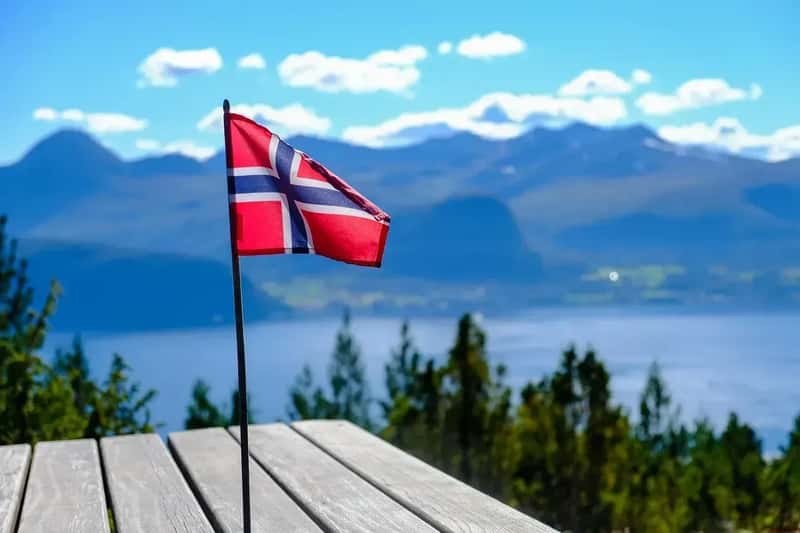
Norway and Iceland are next in the rankings, and Norway’s appeal extends far beyond its dramatic coastal landscapes. Norway pairs high income with generous welfare, low crime, environmental quality, and resilient public institutions. The country’s comprehensive public health system ensures that medical emergencies don’t bankrupt families, and work-life balance isn’t just corporate jargon here; it’s woven into the cultural fabric.
Norway ranks fourth, thanks to its comprehensive public health system, political stability, and focus on social welfare. The country excels in providing safety and job satisfaction, with strong policies for work-life balance. Norwegian households enjoy among the highest purchasing power in the Nordic region, and the nation’s oil wealth has been managed with remarkable prudence, benefiting citizens through robust social programs.
Denmark: Social Trust and Hygge
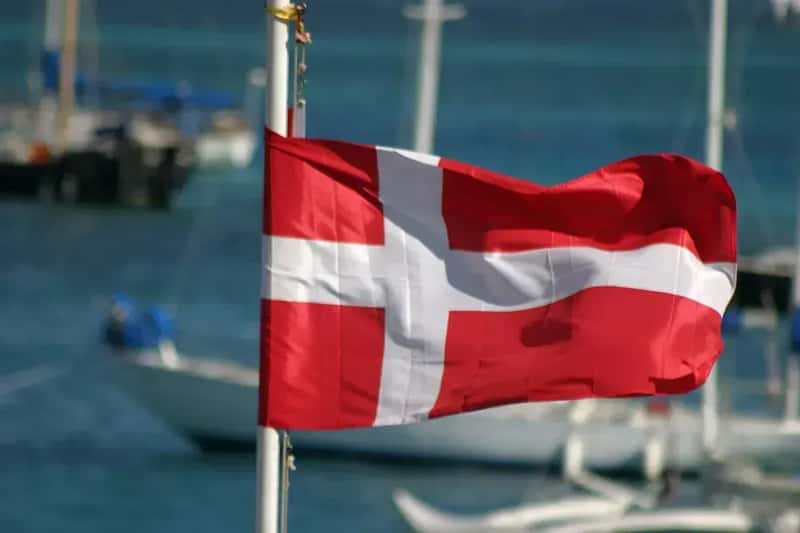
Denmark ranked as the second-happiest country in the world in the 2024 World Happiness Report. Moving from fourth place to the top spot in quality of life rankings shows Denmark’s steady ascent. Denmark’s strength lies in its social model: equality, good public services, strong civic culture, and a high degree of personal trust. This isn’t a nation where people merely coexist; they genuinely trust one another and their institutions.
Known for its political and economic stability, Denmark offers free healthcare, subsidized childcare, and free education, creating an environment where families can thrive without constant financial anxiety. The Danish concept of hygge, that cozy contentment found in simple pleasures, reflects a broader cultural philosophy that values well-being over endless accumulation.
Finland: Nature, Education, and Happiness
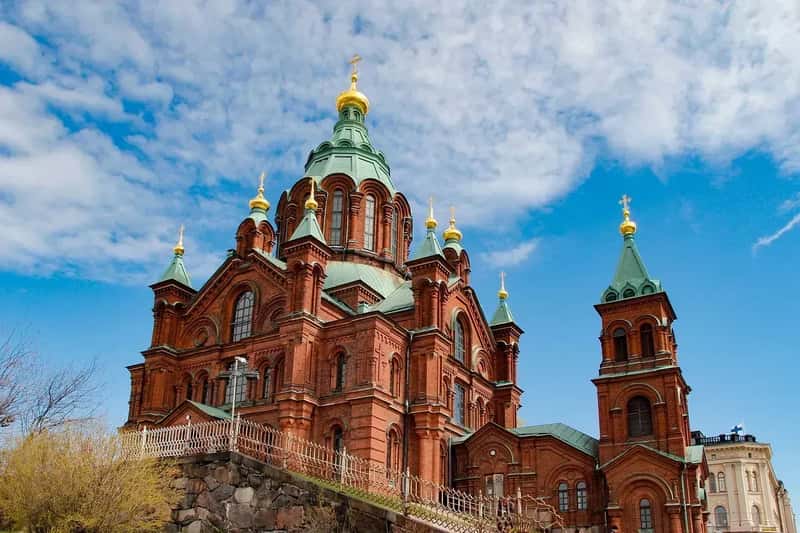
Finland took top honors – for the tenth year in a row – with an overall score of 7.741 in the World Happiness Report 2024. Let’s be real, when you consistently top global happiness rankings for a decade, you’re doing something extraordinary. Finland offers clean environments, excellent education, public trust, and one of the world’s most stable institutional systems.
Healthcare and education, even at the university level, are free, and work-life balance is taken seriously. Nature is everywhere and deeply cherished: forests, lakes, and the northern lights are part of daily life. Finnish society embraces a quiet strength called “sisu,” a resilience that helps people face challenges without drama or complaint. It’s hard to say for sure, but this cultural trait might explain why Finns build systems that actually work for everyone.
Iceland: Small Nation, Big Quality

Iceland ranked as the world’s third-happiest country in the 2024 World Happiness Report, earning a total score of 7.525. Of the top seven happiest countries around the globe, Iceland boasts the highest feeling of social support. This volcanic island nation punches well above its weight when it comes to livability. Despite its small population and remote location, Iceland has crafted a society where people genuinely look out for one another.
A small yet socially advanced nation with free healthcare and education, low crime, and robust social safety nets. It boasts one of the highest per-capita GDPs and relies heavily on green energy. Iceland also benefits from a wealthy economy and a robust healthcare system, which contribute to an average life expectancy of 83 years. The dramatic landscapes aren’t just tourist attractio;s, they’re part of daily life, offering residents a constant connection to untamed natural beauty.
Luxembourg: Compact Prosperity
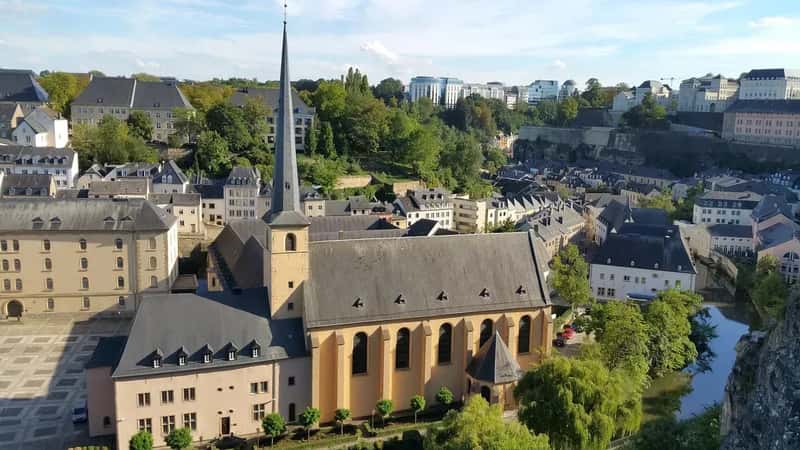
Luxembourg ranks as the best country to live in for 2026, thanks to an exceptional quality of life that includes low unemployment, a stable economy, decent wages, and low levels of crime. This tiny European nation often gets overlooked, yet it delivers extraordinary living standards. Luxembourg offers high income, generous social provision, an international outlook, and very strong safety levels.
Healthcare and education are top-notch and largely public, and getting around is a breeze – public transportation is free nationwide. With three official languages and nearly half the population made up of foreigners, Luxembourg feels naturally international yet close-knit. Walking through Luxembourg City, you’ll find medieval fortifications standing beside modern European institutions, embodying how this nation balances history with forward-thinking policy.
The Netherlands: Well-Designed Living

The Netherlands is once again the happiest country in the world this year, with 85% saying they’re happy according to Ipsos Global Happiness polling. The Netherlands is marked by well-designed cities, strong education, high social trust, and one of the strongest health care systems. Dutch urban planning sets global standards, creating cities where bicycles outnumber cars and public spaces invite lingering rather than rushing.
The Netherlands ranks ninth, with a focus on safety, political stability, and excellent public services. The country also offers one of the highest levels of income equality, contributing to its high quality of life. The Dutch approach to governance emphasizes pragmatism over ideology, resulting in policies that actually address citizens’ needs rather than serving abstract principles.
Sweden: Balanced and Progressive

Like Denmark, Sweden offers its residents free healthcare and education. It also boasts a high life expectancy, with the average age at 82.8 years. Sweden’s progressive social policies have created a society where equality isn’t just an aspiration but a lived reality for most residents. Sweden maintains high living standards through strong public services, a balanced eeconomy and well-functioning institutions.
Sweden also has a progressive parental leave policy, offering 480 days of paid leave for new parents. Each parent is entitled to half of those days, ensuring a balanced approach to caregiving. This commitment to family welfare reflects broader Swedish values that prioritize long-term societal health over short-term economic gains. Cities like Stockholm blend historical architecture with innovative design, creating urban environments that feel both rooted and forward-looking.
Australia: Sun, Safety, and Opportunity

Australia is known for its stunning natural beauty, from sun-soaked beaches to vast outback landscapes, but its appeal goes far beyond scenery. The country consistently ranks high for quality of life thanks to a strong economy, excellent public healthcare, and a well-regarded education system. Australian cities offer something increasingly rare, genuine multiculturalism that actually works.
Australia is also one of the world’s safest countries, with a stable democracy and a welcoming, multicultural population – nearly a third of residents were born overseas. The outdoor lifestyle isn’t marketing hype, it’s how Australians actually live. Weekend barbecues, beach visits, and bushwalks form the rhythm of life here, contributing to physical and mental well-being that statistics capture but don’t quite convey.
Germany: Economic Strength with Social Conscience

Denmark and Germany ranked sixth and seventh, respectively, in the 2025 Human Progress Index rankings. Germany combines Europe’s largest economy with robust social protections that prevent prosperity from becoming purely transactional. The country’s apprenticeship system creates pathways to solid middle-class careers without requiring university degrees, offering alternatives to the debt-laden educational routes common elsewhere.
German cities recovered remarkably from wartime devastation, rebuilding not just infrastructure but social cohesion. Today’s Germany offers excellent public transportation, comprehensive healthcare, and cultural institutions that make world-class arts accessible rather than elitist. The commitment to renewable energy and environmental protection shows how economic powerhouses can pivot toward sustainability without sacrificing living standards.
Where Does Comfort Truly Live?
These fifteen nations share common threads despite geographic and cultural differences. Strong institutions, transparent governance, social trust, quality healthcare, and genuine commitment to equality emerge repeatedly. Wealth alone doesn’t guarantee comfort, several far richer nations rank lower because prosperity concentrates rat; er than spreads.
The countries where life feels most comfortable have cracked a code that eludes many others. They’ve built societies where systems actually serve citizens, where trust replaces suspicion, and where daily life involves less stress and more genuine security. What would it take for other nations to learn from these examples? The answers exist in the policies and cultural values these top performers embrace. Did you expect to see your country on this list?