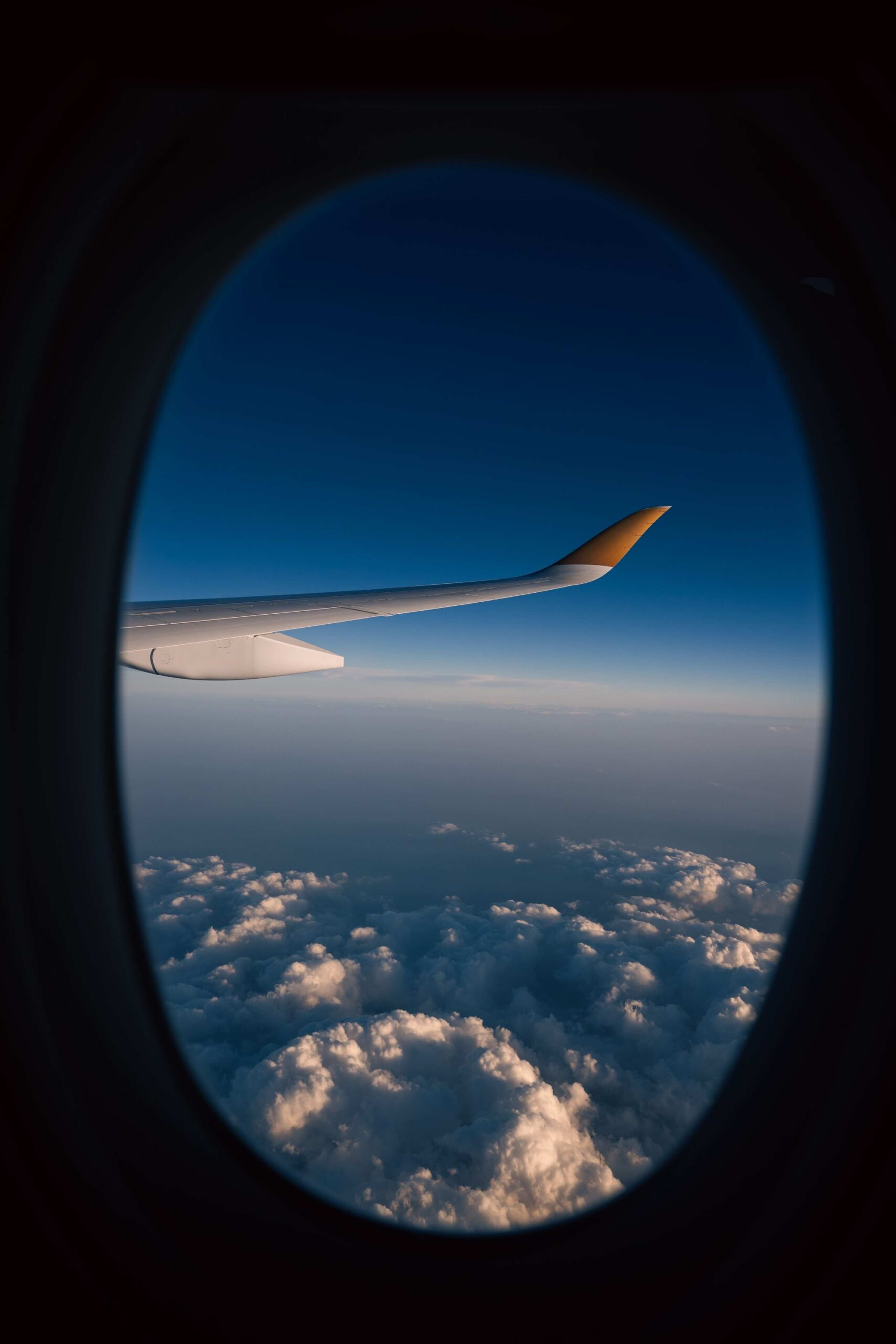
You’ve just landed after a 14-hour flight. The sun is blazing at your destination, locals are having lunch, and your body is convinced it’s 3 a.m. That hollow, disoriented feeling – the one that makes even your own name sound foreign – is jet lag. It’s real, it’s frustrating, and for millions of international travelers, it can drain the first few days of a trip completely.
Jet lag is a circadian rhythm disorder that causes your body’s internal clock to become out of sync when you travel long distances. Your circadian rhythm is a 24-hour cycle that regulates sleep and alertness. But here’s what most people don’t know: with the right habits, you can dramatically soften the blow – or even outrun it entirely. The strategies below are all backed by real research. Let’s dive in.
1. Shift Your Sleep Schedule Before You Even Pack

Most travelers jump on a plane and then scramble to fix their body clock once they land. Honestly, that’s doing it backwards. Adjusting your sleep schedule and nighttime routine ahead of travel can prepare your circadian rhythms for the new time zone – this is known as phase advance or phase delay, depending on the direction of travel. It can help your body adjust to the difference quicker.
The general recommendation for travel up to seven time zones east is to move your sleep routine 30 minutes earlier per day starting three days before the trip. Do the opposite if you are traveling west. Think of it like warming up before a sprint – you’re giving your internal clock a gentle head start.
Starting four to five days before an international trip, begin going to bed and waking up half an hour earlier each night, increasing another half hour incrementally. The key detail most people miss? It’s not just about changing bedtimes – you should also change mealtimes, timing of exercise, timing of early morning light exposure, and reduction of evening light exposure.
2. Prioritize Sleep Before Departure

It sounds almost too simple, but arriving at the airport already sleep-deprived is essentially giving jet lag a massive head start. Insufficient sleep before a flight can exacerbate jet lag symptoms. A well-rested state prior to travel helps the body adapt more efficiently to new time zones.
Try to start off by getting plenty of uninterrupted sleep in the nights leading up to your flight. Prioritize sleep so you can be at your best when you arrive. This isn’t glamorous advice, but it works. Think of your sleep bank before departure as money in the wallet – you’ll be spending it the moment that plane lifts off.
If you get poor sleep before your flight, it can increase your chances of getting jet lag after traveling. So skip the late farewell party, resist the urge to “just finish one more thing” at midnight, and get to bed. Your future self will thank you profusely.
3. Harness the Power of Light Strategically

Here’s the thing – light is quite possibly the single most powerful tool you have against jet lag, and it costs absolutely nothing. Deep inside the brain in a region called the suprachiasmatic nucleus, there’s an internal ticking clock. Roughly every 24 hours, 20,000 pacemaker cells synchronize and signal to the rest of the body whether it is day or night. The primary cue for those pacemaker cells is light.
Your exposure to light changes when you travel and change time zones, which can interrupt your internal clock. Getting outside in the sunshine at the right time can wake up your body and reduce the release of melatonin hormones that make you sleepy.
Light is one of the most important influences on your circadian rhythm, and lack of light signals your body to release melatonin. Exposing yourself to bright sunlight during the day can help you sync your circadian clock to the new time zone. You can achieve a similar effect through bright, artificial light if access to sunlight is limited. Even a simple morning walk outside at your destination can do a remarkable amount of work for you.
4. Use Melatonin – But Time It Correctly

Melatonin has earned a real place in the jet lag recovery toolkit – but it’s widely misunderstood and often used incorrectly. The hormone melatonin is naturally produced by the body and serves as the biochemical signal of darkness. Melatonin production usually starts at night two to three hours before your normal bedtime. Two key functions of melatonin are helping sleep initiation and regulating your circadian rhythm.
When your circadian rhythm is disrupted by jet lag, the timing of melatonin production can be thrown off. A number of studies have found that taking low-dose melatonin supplements – around 1 to 3mg – at the right time may help realign your internal clock. Crucially, though, timing is everything.
Light exposure and melatonin intake at the wrong time of the day can further desynchronize your circadian rhythm and actually exacerbate jet lag. So don’t just pop melatonin randomly and hope for the best. Studies have shown that taking a supplement form of melatonin can help reduce jet lag symptoms. You can take it about 30 minutes before bed once you arrive at your destination, or if travelling eastward, the day before at your ideal bedtime in your destination time zone. Always consult a doctor before adding any supplement to your routine.
5. Stay Aggressively Hydrated

Airplane cabins are notorious dehydration chambers. The humidity inside a commercial aircraft cabin is typically far lower than what your body is used to on the ground, and that alone can compound every jet lag symptom you’re already fighting. Long-distance travel may cause dehydration. Proper hydration may help manage jet lag symptoms and travel fatigue, though more research is still needed.
Carry an empty water bottle through airport security and fill it up once you’re in the terminal. You can also purchase water in-flight. Alcohol is offered on many flights, but try to avoid it, as it can disrupt sleep. I know it’s tempting to enjoy a glass of wine at 35,000 feet – but that “relaxation” comes at a cost.
Stay hydrated because volume depletion can worsen the physical symptoms of jet lag; avoid excess alcohol. The formula here is simple. Water in, jet lag symptoms out – at least to a meaningful degree. Sip steadily throughout the flight rather than chugging large amounts at once.
6. Eat on Destination Time, Not Departure Time

Food is a surprisingly powerful circadian signal, and most travelers completely ignore it. Your digestive system has its own internal clock, and when you eat is almost as important as what you eat during recovery. In one study, long-haul flight crew who adopted more regular mealtimes showed a small improvement in their general subjective rating of jet lag on their days off work.
Because gastrointestinal disturbance is a common jet lag symptom, travelers might better tolerate smaller meals than larger ones before and during the flight. Think of it like switching your phone to the local time zone the moment you board – do the same mentally with your meals.
Adjusting your meal schedule to match local mealtimes immediately upon arrival is part of a comprehensive approach combining multiple strategies that may be most effective for those seeking maximum protection against jet lag. So resist the urge to eat at your “home time” out of habit. Sync your fork with your destination’s clock from the very first meal.
7. Avoid Long Naps During the Day
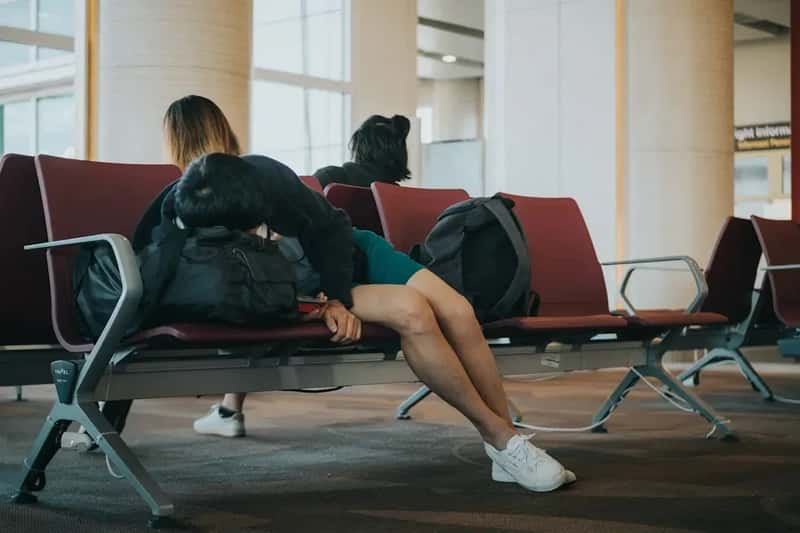
When you land exhausted and your hotel bed appears like a mirage in a desert, every cell in your body is screaming to lie down. Resist. Long daytime naps are one of the most effective ways to trap yourself in the jet lag cycle longer than necessary. Most people try to treat jet lag with quick fixes, like taking naps, which can make the effects more pronounced. If you take a long nap in the late afternoon, you might not be able to fall asleep at the time that you need to, which can further disrupt your sleep schedule.
Avoiding lengthy naps during the day at the destination is recommended because this will make it more difficult to sleep at night; short naps may improve alertness instead. There’s a real difference between a 20-minute power nap and a three-hour afternoon snooze – one refreshes you and the other derails your entire recovery plan.
Short naps of around 20 to 30 minutes can help manage fatigue without disrupting nighttime sleep. Set an alarm, close your eyes, and get back out into the daylight. Your body will catch up with full, restorative nights of sleep faster than you think.
8. Get Moving After Landing
The last thing most people want to do after a 12-hour flight is exercise. But light physical activity is one of the most underutilized weapons against both jet lag and general travel fatigue. Exercise boosts alertness through feel-good endorphins, and that effect at the right time of day can meaningfully accelerate your body’s adjustment to the local schedule.
Planning an activity when you reach your destination can help you avoid the temptation to nap and help your body’s internal clock adjust. Even something as simple as taking a walk outside can help with jet lag – it will both expose you to sunlight and the exercise may make it easier to sleep later.
Moderate exercise during daylight hours at your destination can help reset your body clock. Elite athletes and sports teams invest enormous energy in managing this exact issue. Long-haul travel was widely perceived by elite athletes and their support staff to be disruptive to physical and mental performance, and the most common symptoms experienced were related to fatigue and disruption to sleep. If it matters that much to top-level sports professionals, it matters for the rest of us too.
9. Watch Your Caffeine Intake Carefully

Caffeine and jet lag have a complicated relationship. Used wisely, it can be a genuine ally. Used carelessly, it can make the whole recovery process drag on for days. Another mistake travelers can make is consuming more caffeine than normal or consuming it in the evening as a way to stay awake. It may help for a couple of hours, but it will ultimately delay your ability to acclimate to the new time zone.
Travelers might find caffeine and physical activity can help ameliorate daytime sleepiness at the destination, but little evidence exists to indicate that these interventions reduce overall feelings of jet lag. In other words, caffeine buys you time but doesn’t fix the root problem – so use it sparingly and strategically.
Caffeine acts in about 20 minutes and lasts for several hours, so timing matters enormously. Refrain from consuming caffeine after 4 p.m. local time at your destination to protect your ability to fall asleep at night. Think of caffeine as a scalpel, not a sledgehammer – precision over volume.
10. Build In a Dedicated Recovery Buffer Day

One of the most practical habits frequent travelers swear by – and one that surprisingly few casual travelers actually use – is building a deliberate buffer day into the itinerary. Not a sightseeing day. Not a meeting day. A genuine, low-key recovery day. Baylor University sleep expert Michael Scullin recommends three steps to help ease the effects of jet lag: phase advance or delay, a buffer day, and healthy sleep habits.
It may be tempting to go right back to work after returning from a vacation. However, it may be helpful to build in a few days of recovery time after you return home if possible. By delaying your return to work or working shorter hours for a few days, you can give your body time to readjust to your home time zone and avoid excessive sleepiness at work or during your commute.
Research confirms that recovery takes longer than most people expect. Sleep duration typically returns to baseline within approximately two days, but changes in sleep timing and structure – such as more nighttime awakenings – can take more than a week, with eastward travel and crossing multiple time zones amplifying the disruption. Giving yourself even one extra day makes a real, measurable difference.
11. Use a Jet Lag App for a Personalized Recovery Plan

We’re in 2026, and yes, there are genuinely useful apps built specifically for this problem. Jet lag recovery isn’t one-size-fits-all – the direction of travel, number of time zones crossed, your chronotype, and your personal schedule all factor in. Jet lag calculators have been developed to provide travelers with recommendations on how to mitigate jet lag by adjusting the timing of sleep, light exposure, caffeine consumption, or use of melatonin in the days prior to, during, and following the trip. Light exposure and melatonin recommendations used by these calculators are often based on phase-response curves.
These apps give customized plans for adjusting your sleep prior to a trip and offer concrete advice like best times for light exposure, naps, and melatonin intake. One app even uses input from circadian rhythm researchers to build truly personalized protocols based on your departure, arrival, and sleep preferences.
Participants using one such app reported reduced fatigue compared with the comparator group and improved aspects of health-related behavior, including physical activity, snacking, and sleep quality. It’s hard to say for sure that apps are a silver bullet – but as one tool within a broader strategy, the evidence is genuinely encouraging. Try one on your next long-haul flight and see what difference a personalized plan makes.
Conclusion

Jet lag is one of those things that almost everyone deals with but very few people actually prepare for properly. The research is clear: a few deliberate habits – shifting your schedule before departure, using light strategically, staying hydrated, timing melatonin correctly, and building in recovery time – can dramatically reduce how long and how hard jet lag hits you.
None of these habits require expensive gadgets or unusual routines. They require intention. The travelers who recover fastest aren’t necessarily the ones with the best seats – they’re the ones with the best plan. So next time you’re booking that long-haul flight, spend five minutes preparing your body alongside planning your itinerary. What would your travel experience look like if jet lag was barely a blip on the radar?