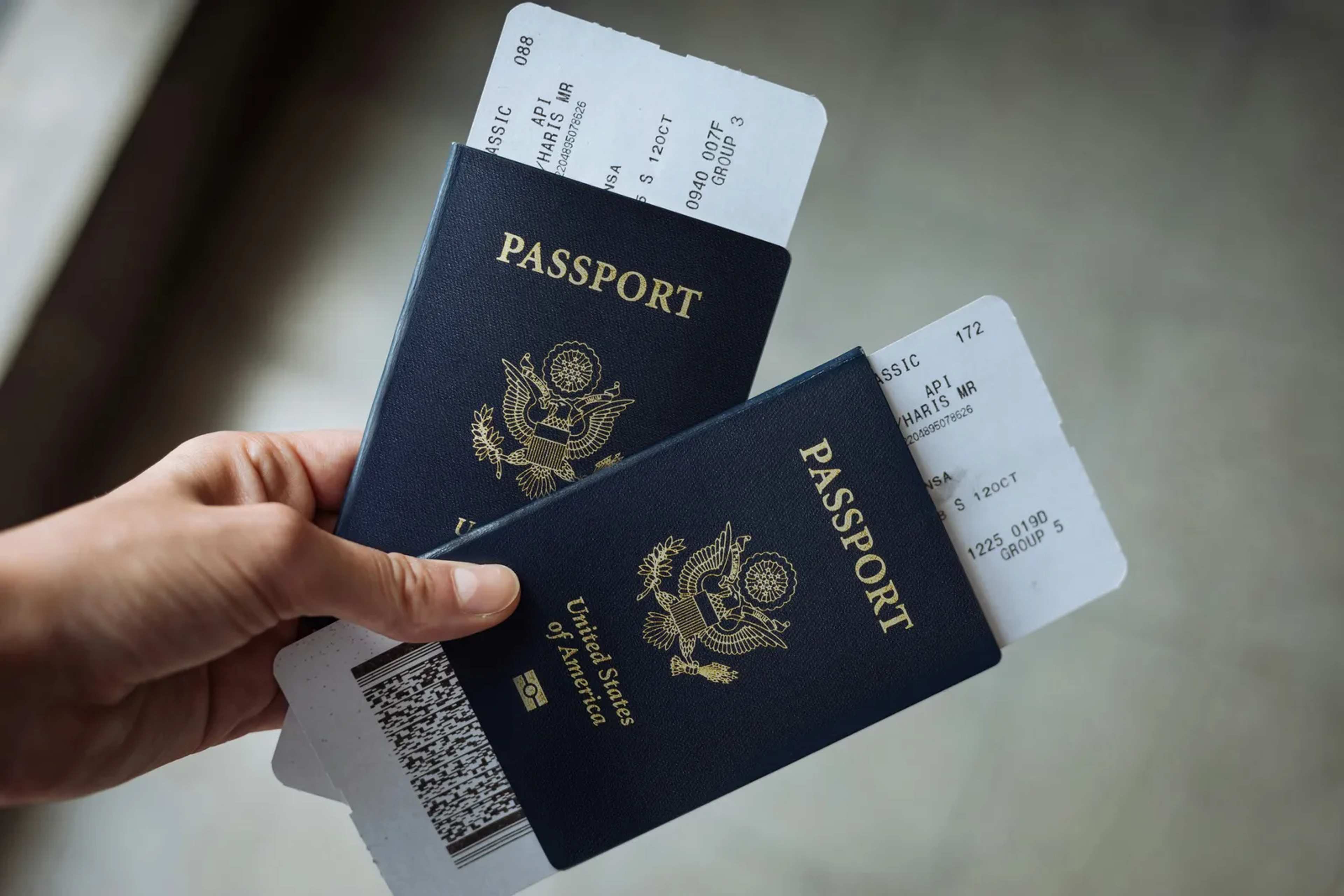
Every year, millions of travelers chase adventure, culture, and those once-in-a-lifetime experiences in places the rest of the world has written off as no-go zones. Some of them come back with incredible stories. Others don’t come back the way they left. The gap between a thrilling travel tale and a genuine tragedy can be razor thin in certain corners of the globe.
According to a report released by Europe-based risk analysis companies Safeture and Riskline, researchers concluded that the “security situation has deteriorated in 77 countries” around the globe.
1. Mexico: Paradise with a Very Dark Side
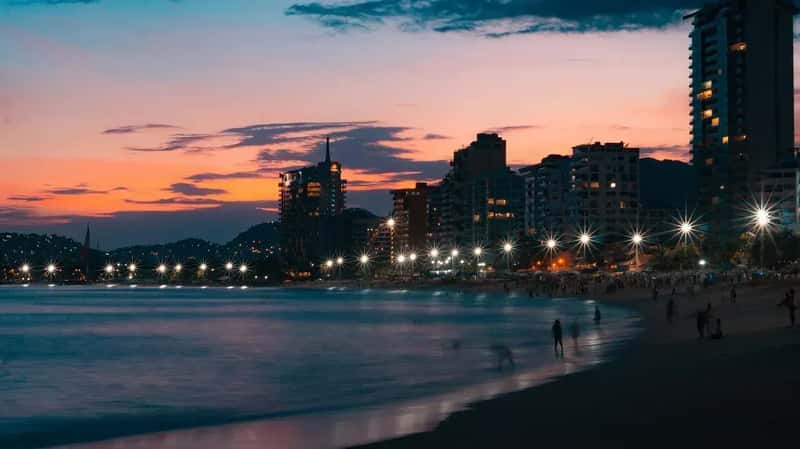
Let’s be real, Mexico is one of the most visited countries on the planet. The beaches are stunning, the food is world-class, and the culture runs deep. Yet the danger lurking behind the resorts is something you genuinely can’t afford to ignore.
The drug war in Mexico is one of the most violent conflicts on the planet, with cartel activity permeating through many levels of the Mexican economy and society. Cartel conflicts continue to drive violence across Mexico, including tourist areas previously less affected, such as Cancún, Tulum, and Puerto Vallarta.
Mexico faces a crisis of kidnappings, disappearances, and other criminal violence that has left over thirty thousand people dead each year since 2018. In 2024, the national homicide rate was 23.3 per 100,000 people, with many of these deaths linked to organised crime.
Cartel cells in tourist-heavy regions like Tulum and Playa del Carmen scout targets using hotel check-ins, social media activity, and personal interaction. Americans with perceived wealth are seen as “low-risk, high-reward” ransom targets. As of May 2024, cartels controlled about one third of Mexico’s territory, according to one estimate from the U.S. military.
2. Haiti: When an Entire Country Becomes a No-Go Zone

Haiti was once a Caribbean destination with genuine beauty, rich history, and extraordinary culture. That version of Haiti feels very far away right now. Honestly, what’s happening there is one of the most heartbreaking humanitarian and security disasters in the Western Hemisphere.
Violent crime is rampant in Haiti, especially in Port-au-Prince, where the expansion of gang, organized crime, and terrorist activity has led to widespread violence, kidnappings, and sexual assault. The escalation of clashes between armed groups has led to a rise in sporadic gunfire incidents. There is a substantial risk of being struck by stray bullets, even for individuals not directly involved in the violence.
In 2025, over 2,680 people were killed, 957 injured and 316 disappeared, while 1.3 million people, roughly 11% of Haiti’s population, had been displaced. The U.S.
The U.S. State Department’s Travel Advisory for Haiti is Level Four: Do Not Travel. The U.S. embassy advises all U.S. citizens currently in Haiti to leave as soon as they feel safe to do so. That’s not a suggestion. That’s a red alarm going off at maximum volume.
3. Afghanistan: The Most Extreme Risk on Earth
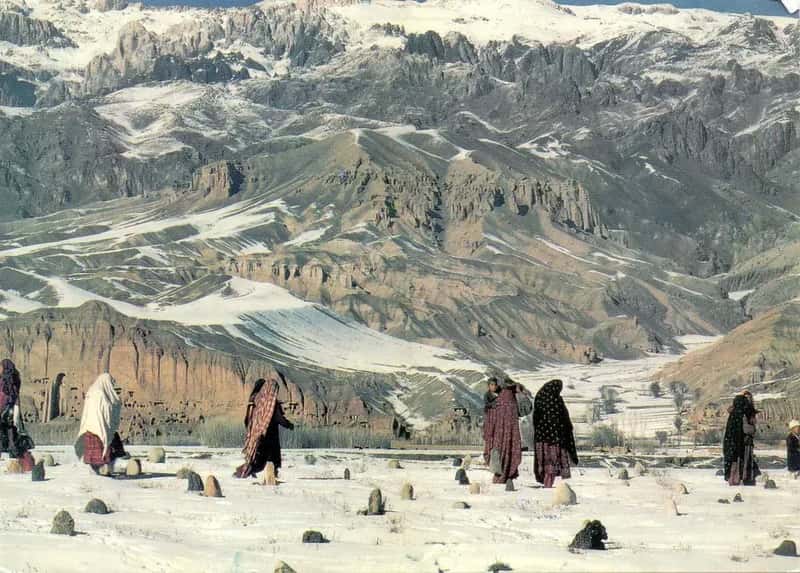
Afghanistan routinely sits at or near the very top of every major global security index. It’s not a destination, it’s a warning. Afghanistan is a mountainous, landlocked country that exhibits government instability due to the Taliban’s takeover in 2021, a destabilizing result of the fall of the Afghan Islamic Republic. This political tension has made the region one of the most dangerous countries in the world.
If you travel to Afghanistan, you face severe risks, which include kidnapping, terrorism, and attacks on foreign nationals. It is one of the most dangerous countries to visit, mainly because of extremist groups and conflict. The majority of governments warn tourists of the risks and advise against going to the region.
Natural disasters have affected the nation as well, with floods and earthquakes ravaging the landscape between 2022 and 2024. Think about that for a moment. A country where security is already non-existent, struck repeatedly by catastrophic natural disasters with no real disaster-response infrastructure. Government control and law and order may be minimal or non-existent across large areas. There is a serious threat of violent attacks by armed groups targeting travellers and international assignees. Government and transport services are barely functional.
4. Venezuela: Economic Collapse Meets Street-Level Danger
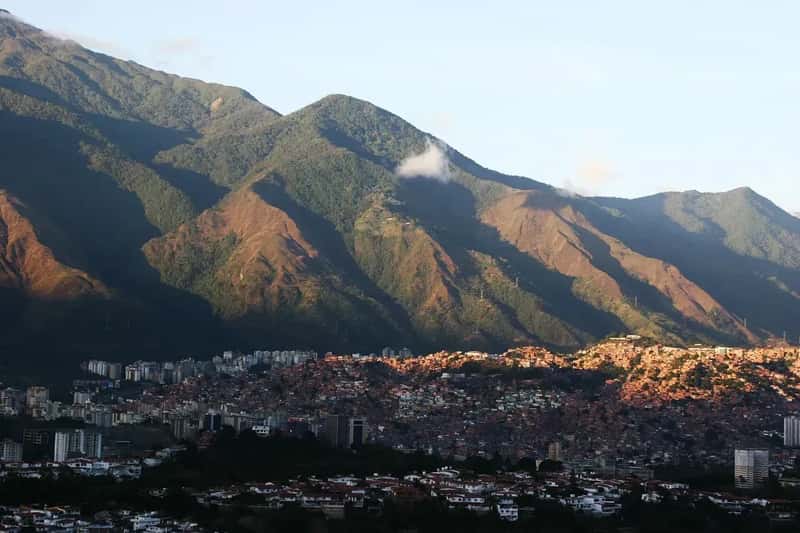
Venezuela is a country of staggering natural beauty, from the Andes to the Amazon delta, that has been ground down by years of mismanagement and collapse. Venezuela is not just risky by the standards of Latin America, it has one of the highest rates of violent crime, corruption, and unrest in the world. The capital city of Caracas is a focal point for violent demonstrations, organized crime, robbery, kidnapping, and homicide.
Most kidnappings are “express” and last less than 48 hours, frequently targeting people leaving hotels, traveling in taxis, or walking in wealthier areas. Tourists are often targeted for robbery or theft.
With looming Western sanctions on the Maduro government for its handling of the 2024 elections, Western travelers, especially Americans, also face the threat of arbitrary detention. According to the U.S. Department of State, Venezuela is among the Level 4 travel advisory countries in 2026, the highest warning level possible.
5. Somalia: Terrorism, Piracy, and No Safety Net
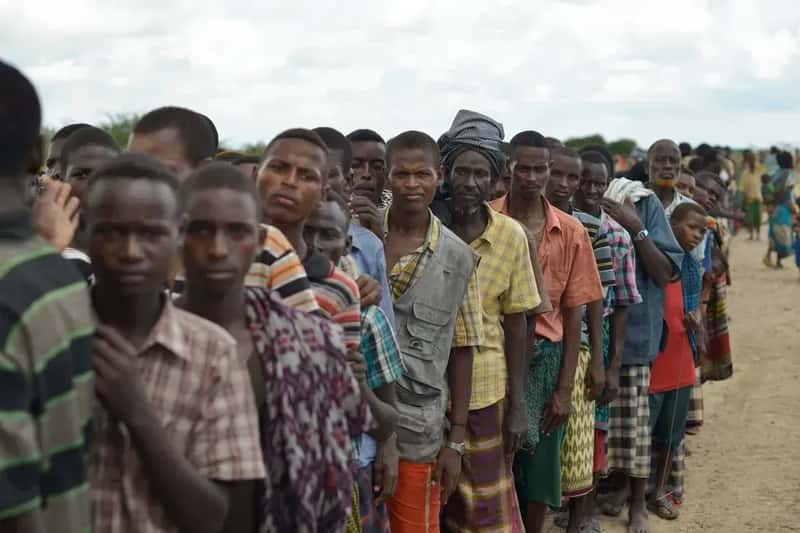
Somalia is one of those places that makes even the most seasoned adventure travelers think twice, and then think twice again. The country has struggled with near-total state collapse for decades, and the consequences for anyone venturing in are severe.
Somalia is highly dangerous due to terrorism, piracy, and lawlessness. Militant group Al-Shabaab regularly targets civilians and foreigners through bombings and kidnappings, and many regions operate outside of government control. Pirates still operate in the waters off Somalia, making this also a dangerous place for people travelling on boats near the coastal area.
Deaths caused by terrorism increased by 22% to 8,352 globally, the highest level since 2017. Somalia is squarely in the center of that grim statistic. The U.S. has limited or no ability to help citizens in many high-risk destinations, even during an emergency. The United States does not have a diplomatic or consular presence in some areas, or may need to suspend services for U.S. citizens with very short notice.
6. Yemen: War Without End
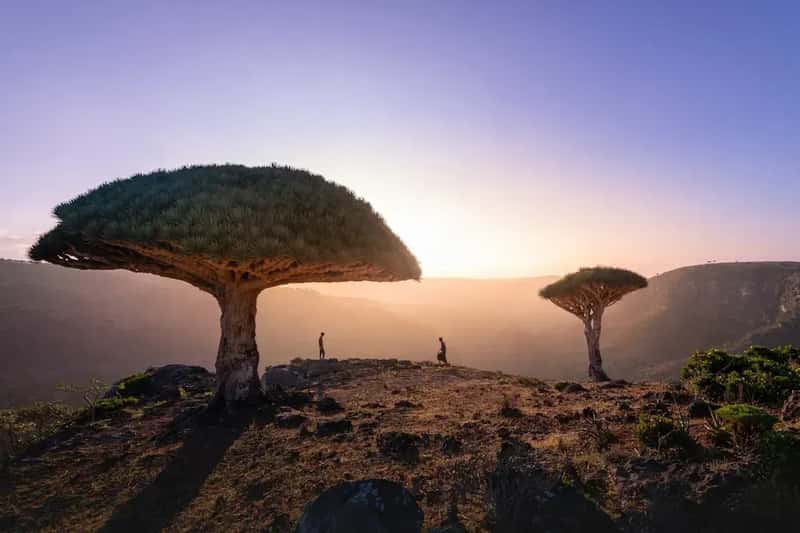
Yemen has been consumed by civil war since 2015, and the human cost is almost impossible to fully comprehend. It’s considered one of the worst ongoing humanitarian disasters on the planet, and that was the state of affairs even before more recent escalations.
Since 2015, there has been a civil war in Yemen. Due to the war, there is limited water, food, and healthcare. Cholera and other diseases are prevalent in the country, and it can be extremely dangerous to travel here.
Health risks include high cholera outbreaks in 2024, a surge in measles cases in 2026, and a risk of malaria in several low-altitude areas. A trip to Yemen comes with little to no in-country support from the local government. Yemen is considered one of the worst humanitarian crises in the world, according to the United Nations, with more than fourteen million people at risk of starving and disease, while displacing more than four million residents in the process.
7. Syria: A Country Still in Crisis
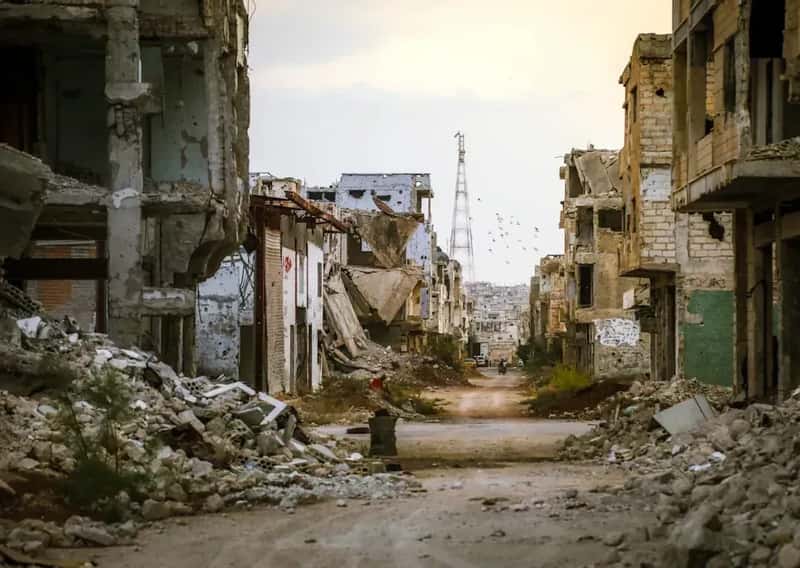
Syria makes this list not just for its past, but for the fragile, deeply unstable present it still occupies. Years of devastating civil war hollowed out the country’s infrastructure, its institutions, and its people’s sense of safety. The situation shifted dramatically in late 2024 with the fall of Assad’s government, but that doesn’t mean tourists should rush in.
Syria has been gripped by a civil war for over thirteen years with devastating effects. It is one of the most dangerous places to visit, with homes destroyed, a lack of employment, and basic necessities hard to come by. Close to seven million residents have left the country to find a safer home. The destruction has resulted in damage to schools, hospitals, and overall infrastructure.
8. Libya: Political Chaos Meets Armed Militias
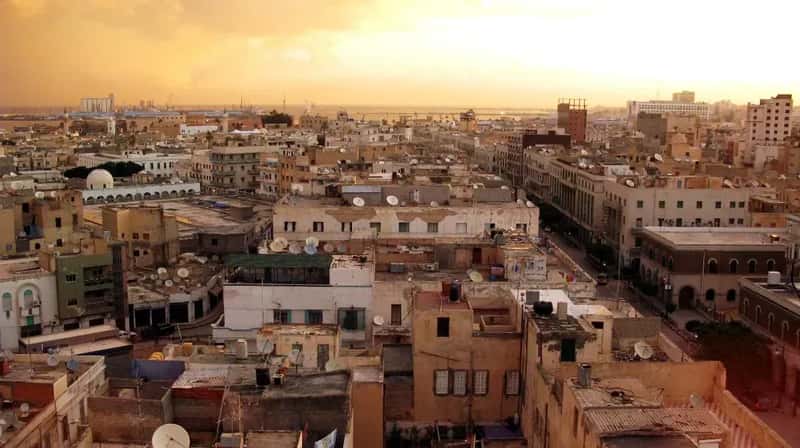
Libya is a country that many people have largely forgotten about since its collapse following the fall of Gaddafi in 2011. It shouldn’t be forgotten, though, because the situation remains deeply alarming for anyone thinking of traveling there.
Libya’s prolonged political instability and internal armed conflict make this country extremely dangerous for travellers. The country is known as high-risk, and most countries advise not to travel to Libya. There is a risk of terror attacks, and there is a lot of unrest, which creates a dangerous environment.
The most dangerous countries in the world to visit in 2026 include Libya, according to the latest Travel Risk Map produced by security specialists at International SOS. The country remains split between competing armed factions with no unified government exercising real control. Think of it as a checkerboard of militia territories, where every border you cross could land you in someone else’s conflict.
9. South Sudan: The World’s Youngest and Most Unstable Country
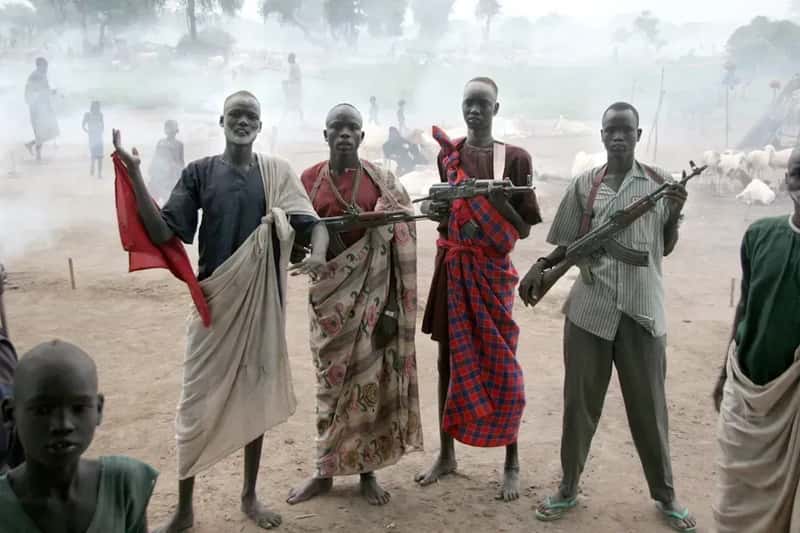
South Sudan gained independence in 2011 with enormous hope. That hope has been systematically crushed by ethnic conflict, governmental failure, and violence that has left the population in desperate, ongoing suffering. It remains one of the least-visited countries on Earth, and for good reason.
South Sudan is considered exceptionally dangerous for international travellers as the country struggles with conflicts between armed groups and communities. Violent crimes such as armed robbery, aggravated battery, and homicide are common. Additional dangers include civil unrest, demonstrations, and election-related violence.
According to the latest Travel Risk Map produced by International SOS, South Sudan ranks among the most dangerous countries to visit in 2026. Medical facilities are virtually non-existent outside the capital, and even within it, emergency response is nowhere near adequate. If something goes wrong here, there is no safety net waiting to catch you.
10. Myanmar: Military Coup and Civil War

Myanmar was quietly becoming one of Southeast Asia’s more exciting travel destinations before everything fell apart. The military coup of February 2021 changed everything. What followed has been a slow, grinding civil war that shows no signs of resolution.
Myanmar’s elected government was deposed by a military coup d’état in 2021, leaving the country, which was already engaged in the world’s longest-running civil war, under military rule. Civil unrest and armed conflict are possible, landmines and other unexploded ordnance make some areas dangerous to traverse, and unlawful detentions have been reported. Myanmar also suffers from limited and/or inadequate healthcare resources.
In 2024, terrorism’s geographic footprint widened significantly, with the number of countries affected rising from 58 to 66, the highest since 2018. Myanmar is part of that expanding footprint. Tourism infrastructure that once existed has collapsed. International journalists, aid workers, and travelers have all faced arbitrary detention. It’s hard to say for sure when this changes, but it certainly hasn’t changed yet.
11. Burkina Faso: The New Epicenter of Global Terrorism
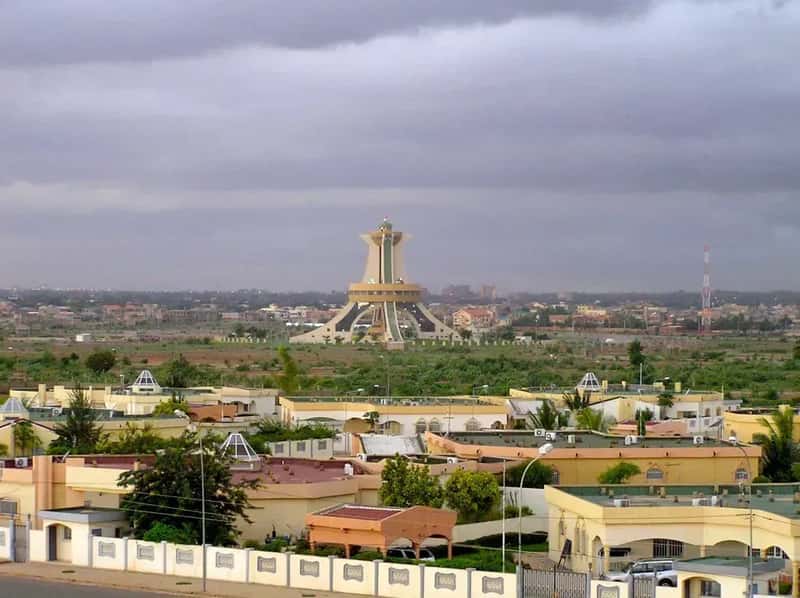
Here’s a country that most travelers wouldn’t even have on their radar but has rocketed to the very top of the world’s terrorism risk charts. Burkina Faso in West Africa has become a flashpoint that security analysts are watching with growing alarm.
For the second consecutive year, Burkina Faso ranked as the country most impacted by terrorism. Despite a 21% decline in deaths, the country still accounted for 1,532 fatalities from terrorist attacks. The 2024 Global Terrorism Index marks the first time in the report’s 13-year history that neither Afghanistan nor Iraq topped the list. Instead, Burkina Faso is now the country most severely impacted by terrorism, which is indicative of a broader trend that saw the epicenter of terrorism shift from the Middle East into Sub-Saharan Africa.
The Sahel remains the global epicentre of terrorism, accounting for over half of all terrorism-related deaths in 2024, with the number of countries affected increasing. In 2024, more countries deteriorated than improved for the first time in seven years, with 45 countries reporting a higher impact from terrorism, while only 34 showed improvement. Burkina Faso sits right at the heart of that terrifying shift, and any tourist considering a visit is taking risks that no travel experience can justify.
A Final Word: Know Before You Go
Every country on this list has something genuinely extraordinary to offer. Ancient history, breathtaking landscapes, cultures that have survived unimaginable odds. That makes the danger even more painful to acknowledge. The world should be open and explorable, and for most of it, it still is.
With death-related travel incidents rising roughly 60% from 2023 to 2024, it’s more important than ever to have a good plan in place before your next adventure abroad. Travel advisories are frequently updated to reflect the current conditions in each country, so checking official government sources before any trip is non-negotiable. The U.S. State Department, International SOS, and the Global Terrorism Index are all reliable, regularly updated sources of ground truth.
Adventure is worth seeking. Risk is worth calculating. The eleven countries on this list exist in a category where the math simply doesn’t add up for most tourists, not right now. What do you think? Would you ever visit one of these countries despite the warnings? Tell us in the comments.