A passport is one of the few documents most Americans use rarely but depend on completely. Because it comes out of a drawer every few years, the rules tend to blur. People remember a number from a friend’s trip, a line from an old forum thread, or a deadline that has since changed.
The details below reflect fees, timelines, and requirements published for 2026. Government pages can shift with demand and policy, so confirm anything time sensitive at travel.state.gov before you book.
Myth One: Every Country Wants Six Months of Validity
The six month rule is real, though it isn’t universal. Some countries, including Australia, the Bahamas, Bermuda, Canada, and Colombia, have their own passport validity requirements for U.S. travelers.[1] Schengen area countries officially ask for three months of validity, counted from your planned departure from Europe rather than your arrival.[2]
Where the rule does apply, it can end a trip at the airport. Mainland China, Thailand, Indonesia, India, Egypt, Turkey, and the United Arab Emirates are among the countries listed as requiring six months.[1] It also isn’t an American regulation. It’s not set by the U.S. travel department, and the requirement varies by each country’s own passport and visa rules.[3]
Myth Two: Four to Six Weeks Means You’ll Have It in a Month
The headline number is real, but it measures only part of the journey. As of September 2026, the State Department lists routine processing at four to six weeks, and neither figure includes mail.[4] The clock doesn’t start when you hand your envelope to a postal clerk.[4]
Shipping happens on both ends. An application can take up to two weeks to reach the department, and the finished passport up to two more weeks to reach you.[4] A routine application can take up to about ten weeks from drop off to delivery.[4]
Myth Three: Paying for Expedited Service Guarantees Two to Three Weeks
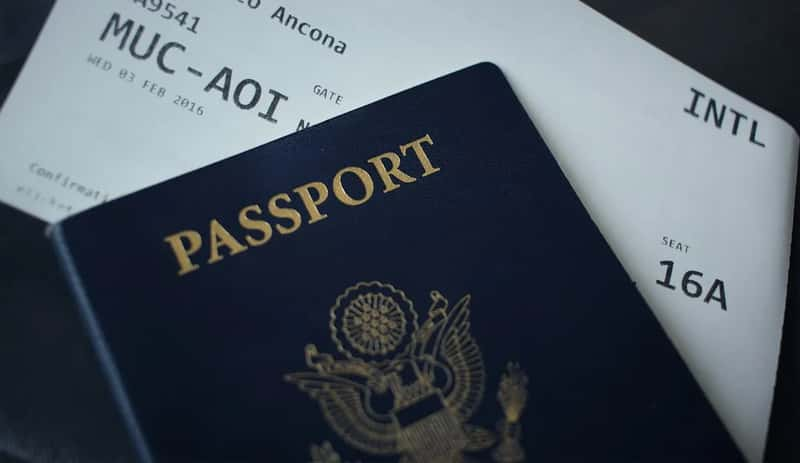
Expediting does speed things up, just not as much as the label suggests. The extra $60 brings processing down to two to three weeks.[4] That window covers the time at the processing center, not the mail.
With delivery included, the total is longer. An expedited application can still take up to about seven weeks unless you also pay for faster shipping in both directions.[4] Optional one to three day return delivery of the new book adds $23.36.[5] If your expedited application isn’t processed within the stated timeframe, you may be able to request a refund of the $60, but other fees and travel expenses aren’t refundable.[6]
Myth Four: Any Time of Year Is as Good as Another
Passport demand isn’t flat across the calendar. The State Department says its busiest stretch runs from late winter through summer, and it recommends applying between October and December, when volume is lower.[4] That makes this season a sensible time to deal with it if your document is getting old.
Even then, nothing is guaranteed. The processing windows can move with demand, so check the official page again before you book a nonrefundable flight.[4] Treat the published estimate as a planning guide rather than a promise.
Myth Five: A Passport Costs One Flat Price

Quoted prices vary because there are really two different payments. The $130 application fee is separate from the $35 execution fee that first time applicants pay to the acceptance facility.[7] Renewals pay only the $130.[7]
Cards and minors have their own pricing. For adults, the book costs $130 and the card $30, while minors pay $100 for the book and $15 for the card, with the same $35 execution fee for first time applications.[8] Renewing both the book and the card together costs $160.[5]
Myth Six: A REAL ID Can Replace a Passport Abroad
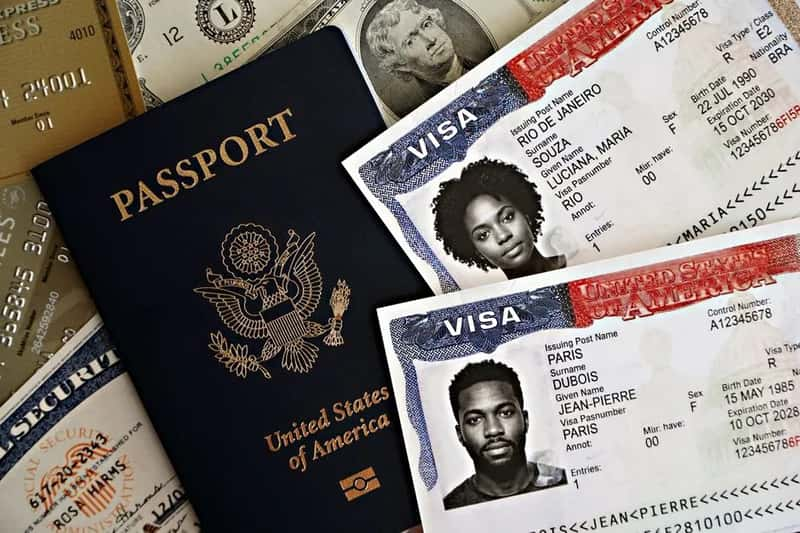
REAL ID is about domestic travel, and only domestic travel. Since May 7, 2025, travelers flying on commercial aircraft have had to present a REAL ID compliant identity document.[9] A passport also works for that purpose, since passports are accepted as an alternative to REAL IDs at airport security.[9]
The reverse doesn’t hold. REAL ID credentials aren’t valid for international air travel, and a passport book or another internationally accepted travel document is required to board international flights.[9] Think of the REAL ID as a domestic key that doesn’t open any door abroad.
Myth Seven: The Passport Card Will Get You on a Flight to Canada or Mexico
The card looks like a convenient shortcut, and its limits catch people out. It’s valid for land and sea travel between Canada, Mexico, and the Caribbean.[10] That wording leaves out air travel entirely.
The restriction applies even to short hops. The card doesn’t work for international air travel, not even to Canada or Mexico by plane.[11] For a first time applicant, the card’s government fees come to $65.[12] That’s a lower price, but you may still need the book for the trip you actually take.
Myth Eight: The Card Doesn’t Count at Airport Security
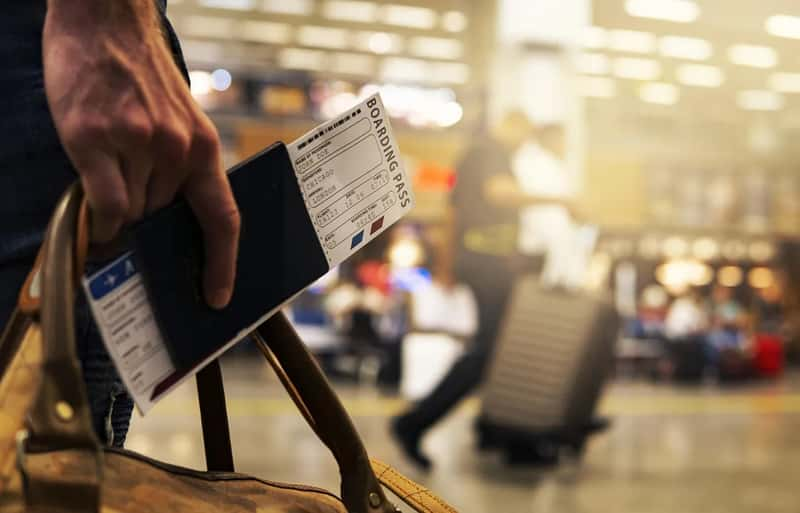
The opposite misunderstanding is also common. Some travelers assume a passport card is a lesser document that TSA won’t accept. In fact, the U.S. passport book and passport card are both REAL ID compliant.[10]
That makes the card useful in a wallet. You don’t risk losing or damaging your passport book by carrying it to the airport for a domestic flight when a card does the same job.[13] Cards also include RFID technology and are accepted in Ready Lanes at some U.S. Mexico land ports of entry.[14]
Myth Nine: Renewal Has to Happen by Mail
Mail is no longer the only route. Eligible adults can renew online at the official portal on travel.state.gov, not a lookalike dot com.[15] The online route costs the same as mail, since online and mail renewals both cost $130, with no portal surcharge.[7]
Eligibility is narrower than many people assume. You must be 25 or older and renewing an adult passport book issued within the last 15 years when you were 16 or older, with no name change and an undamaged passport.[16] Third party sites that charge to process an online renewal aren’t official and add unnecessary cost.[17]
Myth Ten: A Last Minute Trip Means It’s Too Late

Waiting weeks for a passport doesn’t always apply to genuine deadlines. If your travel is confirmed within 14 days, you may qualify for same day or next day processing at one of the State Department’s 26 regional passport agencies and centers.[18] The window extends to 28 calendar days if you also need a foreign visa.[19]
Getting an appointment is the hard part. You’ll need proof of travel, and appointments are limited, especially during peak travel seasons.[18] Private couriers exist as well, and they typically charge from about $199 to more than $600 on top of the government fees.[5]
Myth Eleven: Every Passport Lasts Ten Years
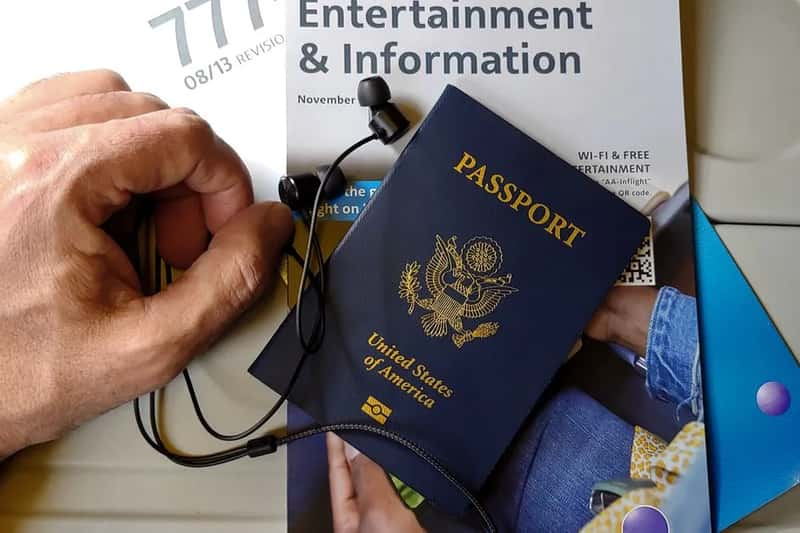
Ten years is the number most people remember, and it only applies to adults. A U.S. passport is valid for ten years for adults and five years for minors.[20] A child’s passport can lapse long before a parent’s does.
Once the date passes, there’s no grace period. After expiration, the passport can’t be used for international travel.[20] Online renewal also isn’t an option for a passport first issued before age sixteen, so a child’s renewal follows a different route than an adult’s.